
Aardvark | A Complete Safari Guide
Discover aardvark behaviour and when sightings are most likely on safariOverview
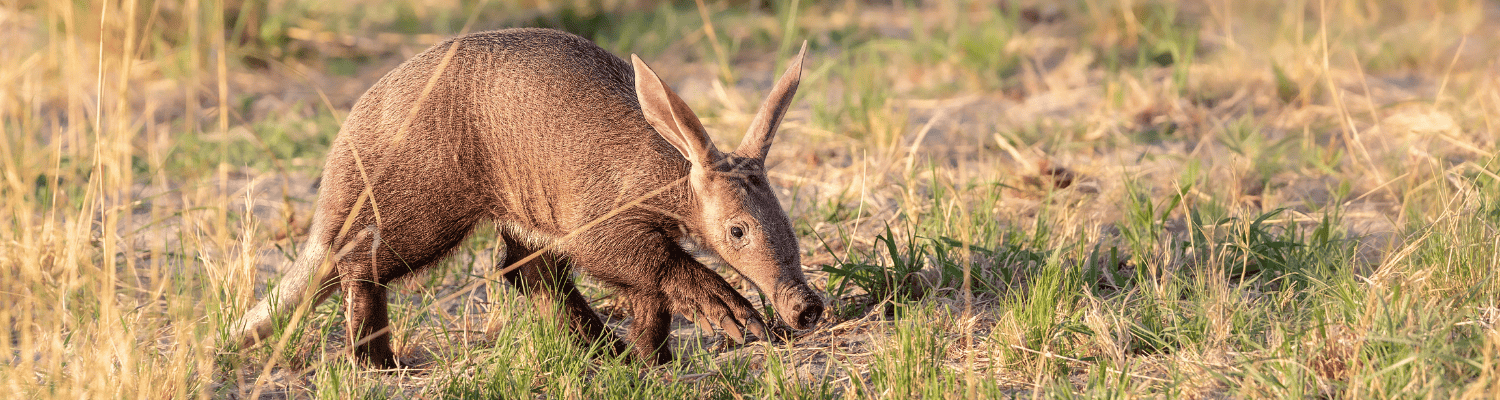
The aardvark is a unique and rarely seen nocturnal animal, known for its long snout, large ears, and strong digging claws. It is found across much of sub-Saharan Africa, mainly in savannas and open woodlands where it can dig for food. Aardvarks feed primarily on ants and termites and spend much of the day in burrows. For travellers, seeing one is a rare and exciting highlight due to its secretive, night-time behaviour. Its digging also creates shelters used by other animals, making it important in the ecosystem.









Gallery
Summary
Best Places To See
Aardvark are most reliably seen in arid and semi-arid environments where open terrain, low vegetation, and expert night tracking improve visibility, with Tswalu Kalahari standing out as a flagship destination due to its exceptional guiding and some of the highest sighting success rates in Africa. Kgalagadi Transfrontier National Park also offers strong opportunities, particularly on night drives where aardvark are active in open riverbeds. In Namibia, Etosha National Park provides occasional but rewarding sightings around quieter areas, while in Botswana, parts of the Central Kalahari Game Reserve deliver remote, high-quality encounters for those prioritising specialist tracking and low tourism density.
Best Time Of Year To See
The best time to see aardvarks is during the dry season, when shorter grass and cooler nights increase the chances of sightings, especially on night drives. They are nocturnal and feed on termites, becoming more active in cooler conditions. In the wet season, they are harder to locate due to thicker vegetation and warmer nights.
Identification
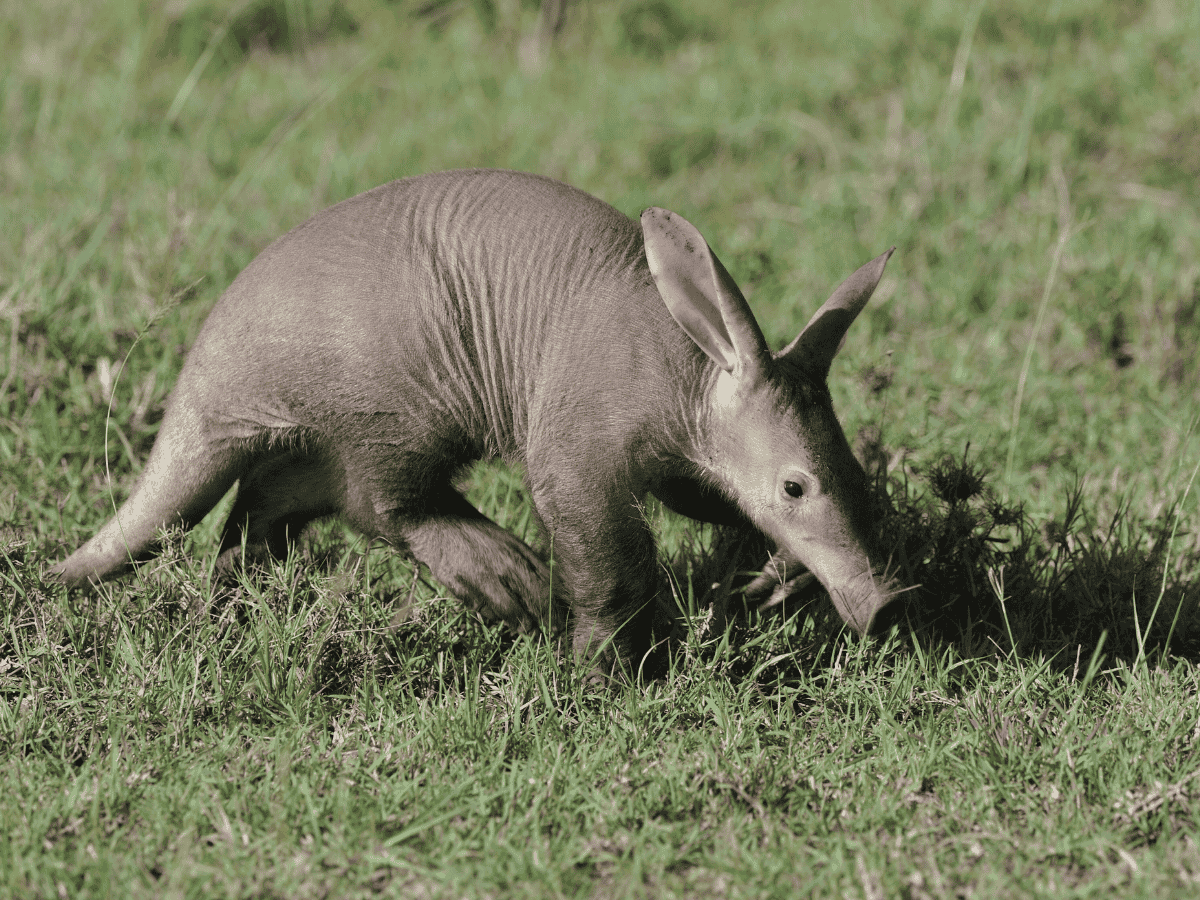
Aardvarks are unusual animals with long snouts, large ears, and thick tails. Their bodies are pale and sparsely haired. They are nocturnal and rarely seen. They may be confused with anteaters, but their ears and tail shape differ.
Behaviour
Aardvarks are nocturnal insectivores that feed mainly on ants and termites. They are solitary and use strong claws to dig. On safari, sightings are rare and usually at night.
Diet
Aardvarks are specialised feeders that eat mainly ants and termites. They use their strong claws to dig into termite mounds and their long sticky tongue to collect insects. They feed mostly at night, moving slowly while searching for active insect colonies. Their diet remains consistent throughout the year, but they may travel further in dry conditions to find food. They can consume thousands of insects in one night. Their feeding helps control insect populations and benefits the ecosystem.
Habitat
Aardvarks prefer savanna, grassland, and lightly wooded areas where soil is suitable for digging and termites are abundant. Their habitat is closely linked to food availability. They avoid rocky terrain where digging is difficult. Water is less critical than food sources. Travellers rarely see aardvarks due to their nocturnal habits, but they are most likely found in quiet, open areas with sandy soil, often emerging at night to feed.
Conservation Status
Aardvarks are listed as least concern, but they are rarely seen and sensitive to environmental changes. Their biggest threats include habitat loss and changes in termite populations due to climate conditions. Strong populations remain in protected areas. Conservation efforts focus on habitat protection. Safari tourism supports these areas and helps protect aardvarks.
Interesting Facts
Aardvarks are nocturnal mammals rarely seen on safari, known for their long snouts and powerful digging claws. They feed mainly on ants and termites, using their sticky tongues to extract insects from nests. Aardvarks can dig burrows quickly, which are later used by other animals. Their presence plays an important ecological role by creating shelter and controlling insect populations. Sightings are considered a special and rare treat.
Folklore
Aardvarks are often associated with mystery, patience, and quiet persistence. Their nocturnal and elusive nature has linked them to hidden aspects of the natural world. In some traditions, they represent determination and the ability to work steadily toward a goal. Their presence reinforces themes of patience and resilience.