
Addo Elephant National Park | A Complete Travel Guide
Explore wildlife, elephants, and travel planning insights for Addo Elephant National ParkOverview
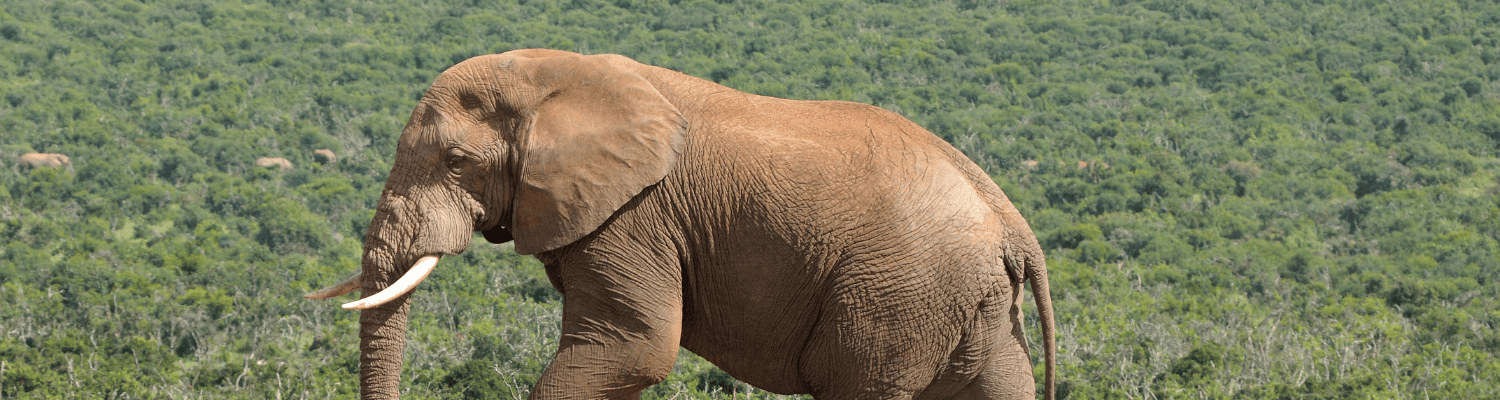
Addo Elephant National Park lies in South Africa’s Eastern Cape and is one of the country’s largest protected areas. It is best known for its large elephant population, which was successfully recovered through long-term conservation efforts. The park’s landscapes include dense thicket vegetation, open plains, and coastal areas that form part of a broader protected ecosystem. Wildlife viewing is reliable, with elephants frequently seen at waterholes alongside other species such as buffalo, antelope, and predators. Travellers often visit for accessible self-drive safaris, strong elephant sightings, and the opportunity to combine a wildlife experience with nearby coastal destinations along the Eastern Cape.







Gallery
Summary
Summary
Why Visit
Addo Elephant National Park offers one of South Africa’s most accessible safari experiences in the Eastern Cape. Travellers visit for its large elephant population, varied landscapes, and malaria-free setting. The park protects a mix of dense thicket, open plains, and coastal ecosystems that support diverse wildlife. Addo stands out for combining strong wildlife viewing with convenient access from the Garden Route and Gqeberha, making it a popular safari option for first-time visitors.
Pros & Cons
⊕ Large elephant population with frequent sightings
⊕ Malaria-free safari destination
⊕ Convenient access from Gqeberha and the Garden Route
⊕ Good wildlife diversity including the Big Five
⊕ Self-drive safaris make it accessible and affordable
⊖ Some areas can become busy during peak seasons
⊖ Vegetation can be dense, making sightings harder in places
⊖ Wildlife concentrations are lower than in major wilderness parks
Highlights
Addo Elephant National Park lies in the Eastern Cape and forms part of a large conservation area that protects both land and marine ecosystems. The park is best known for its thriving elephant population and its dense Albany thicket vegetation. Addo also includes diverse habitats such as open plains, river valleys, and coastal sections, making it one of South Africa’s most ecologically varied protected areas.
› More About Highlights
Wildlife
Addo is famous for its elephants, which are often seen in large herds around waterholes. The park also supports the Big Five: lion, leopard, elephant, rhino, and buffalo. Other animals include hyena, zebra, warthog, and various antelope species. Wildlife viewing often centres around waterholes where animals gather during dry periods.
› More About Wildlife
Birding
Addo offers excellent birding opportunities with more than 400 recorded species across different habitats. Notable birds include the secretarybird, martial eagle, jackal buzzard, and a variety of waterbirds found near dams and wetlands. The surrounding thicket vegetation also supports many woodland species.
› More About Birding
Activities
Visitors can explore Addo through self-drive safaris along an extensive road network. Guided game drives and walking safaris are also available through lodges and park operators. Other activities include birdwatching, wildlife photography, and visiting viewpoints overlooking the park’s landscapes.
› More About Activities & Experiences
Best Time To Visit
Wildlife viewing is generally good throughout the year. The dry winter months from May to September often make animals easier to spot as vegetation becomes thinner and animals gather near waterholes. Summer from October to April brings warmer temperatures and greener landscapes, though thicker vegetation can make wildlife harder to see.
› Explore Best Time To Visit
Access & Getting There
Addo Elephant National Park is located about one hour by road from Gqeberha (Port Elizabeth), which has regular flights from major South African cities. Most visitors reach the park by car or organised transfer from the airport.
› Explore Access & Getting There
Health & Safety
Addo lies in a malaria-free part of South Africa, making it a popular safari destination for families. Visitors should remain inside their vehicles except in designated areas and follow park rules during wildlife encounters. Animals can be dangerous if approached too closely. Standard travel precautions are recommended when travelling through nearby towns.
› Explore Health & Safety
Highlights
Addo Elephant National Park is one of South Africa’s most important wildlife reserves and the flagship safari destination of the Eastern Cape. The park is best known for its large population of African elephants, which can often be seen gathering around waterholes. Beyond elephants, the park protects a variety of habitats including dense thicket, open plains, and coastal environments. Visitors explore the park through self-drive safaris and guided game drives while encountering diverse wildlife across a unique and expanding conservation area.
Addo Elephant Herds
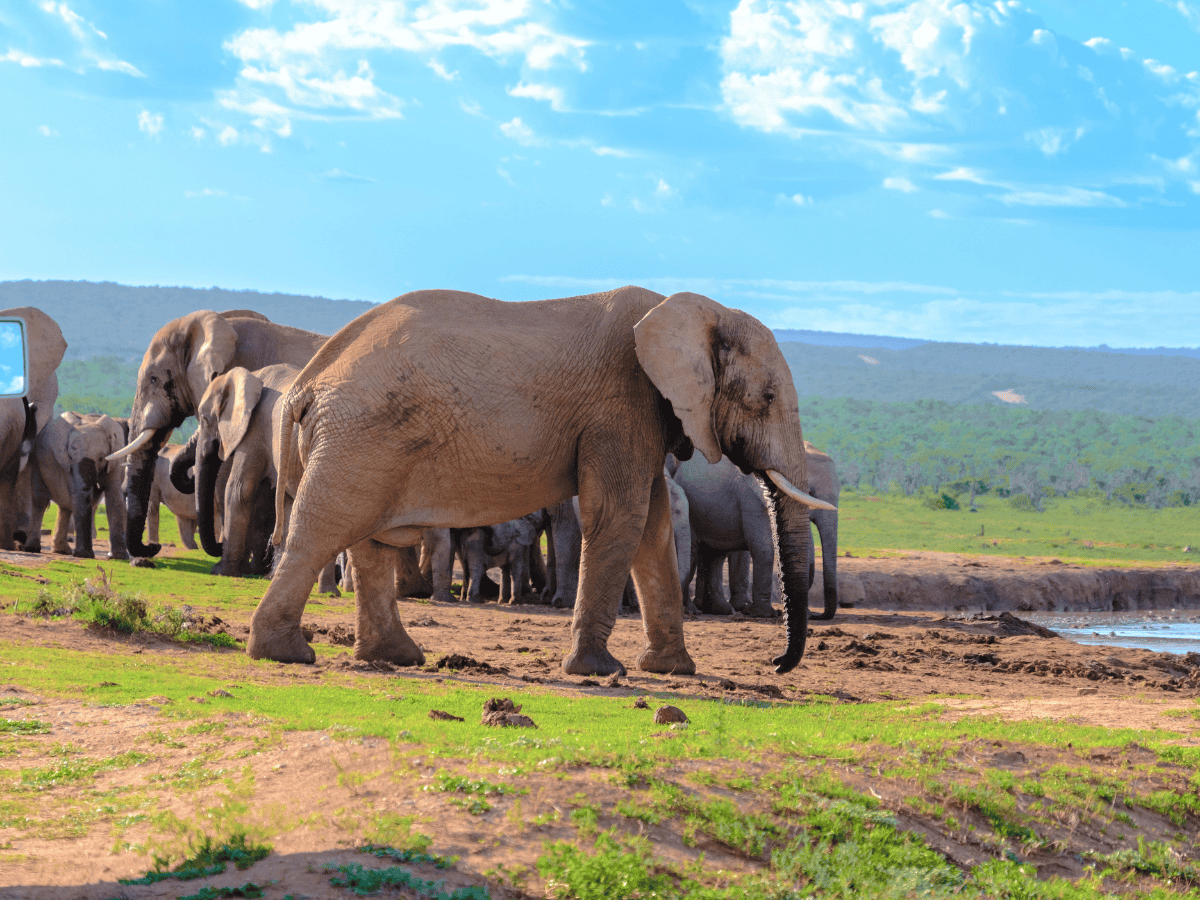
Addo Elephant National Park is famous for its large and easily visible elephant population. Herds frequently gather at waterholes where visitors can observe their social behaviour at close range. These elephants represent one of South Africa’s great conservation success stories, as the population has grown significantly since the park was established to protect the species in the early twentieth century.
› More About Addo Elephant Herds
Dense Spekboom Thicket
Much of Addo Elephant National Park is covered by dense spekboom thicket, a unique vegetation type found primarily in the Eastern Cape. This thick, succulent shrubland provides food and shelter for elephants and other wildlife. The vegetation also plays an important ecological role by storing large amounts of carbon and supporting a variety of animal and bird species.
› More About Dense Spekboom Thicket
Waterhole Wildlife Viewing
Waterholes throughout Addo Elephant National Park create reliable wildlife viewing opportunities. Animals regularly gather at these sites, particularly during dry periods, allowing visitors to watch elephants, buffalo, antelope, and smaller species interacting around the water. Many of the park’s most memorable sightings occur while quietly observing wildlife activity at these locations.
› More About Waterhole Wildlife Viewing
The Big Seven Conservation Area
Addo Elephant National Park is sometimes associated with the “Big Seven,” which includes the traditional Big Five along with southern right whales and great white sharks found in the park’s protected marine section. This rare combination reflects the park’s expanding conservation footprint, which extends from inland bushveld to coastal and marine ecosystems.
› More About The Big Seven Conservation Area
Zuurberg Mountain Landscapes
The Zuurberg Mountains form a dramatic backdrop to parts of Addo Elephant National Park. These elevated areas offer scenic viewpoints across the surrounding plains and thicket landscapes. The mountains create a striking contrast to the dense vegetation below and add a scenic dimension to the park’s wildlife viewing experience.
› More About Zuurberg Mountain Landscapes
Wildlife
Addo Elephant National Park offers diverse wildlife across dense bush, open plains, and coastal zones. Elephant are the most common and iconic species, often seen in large herds. Buffalo, zebra, kudu, and warthog are regularly encountered, while predators are present but less frequently seen.
Wildlife Highlights
Addo is best known for its large elephant population and reliable sightings at waterholes. Buffalo herds are well established, and the park supports black rhino. Lion and spotted hyena occur but are not easily seen. The mix of habitats allows for consistent general game viewing.
When To Go For Wildlife Viewing
Wildlife viewing is best from May to September when vegetation is thinner and animals concentrate around water sources. Summer months bring denser bush, but sightings remain steady due to Addo’s strong waterhole network, which draws animals throughout the year.
Wildlife Viewing By Month | ||
Jan | Feb | Mar |
Apr | May | Jun |
July | Aug | Sep |
Oct | Nov | Dec |
= Excellent = Good = Fair = Poor
Iconic Wildlife & Your Chances Of Finding Them
Wildlife Occurrence & Viewing Likelihood
🔵 Abundant here; 🟢 Common here; 🟡 Occassional here; 🔴 Rare here; ⚫ Does not occur
Lion | Leopard | Elephant |
🟡 Occasional here | 🔴 Rare here | 🔵 Abundant here |
Buffalo | White Rhino | Black Rhino |
🔵 Abundant here | ⚫ Does not occur here | 🔴 Rare here |
Giraffe | Wild Dog | Cheetah |
🟡 Occasional here | ⚫ Does not occur here | ⚫ Does not occur here |
Spotted Hyena | Brown Hyena | Hippo |
🟡 Occasional here | ⚫ Does not occur here | 🟡 Occasional here |
Zebra | Wildebeest | Meerkat |
🔵 Abundant here | 🟢 Common here | ⚫ Does not occur |
Other Notable Wildlife
Other notable wildlife found in this country
- Mountain Zebra
Blue Wildebeest
Greater Kudu
Eland
Waterbuck
Bushbuck
Impala
Red Hartebeest
Common Reedbuck
Warthog
Bushpig
Baboon
Vervet Monkey
Aardvark
Caracal
Serval
Honey Badger
African Civet
Black-backed Jackal
Birds
Addo Elephant National Park offers diverse birding across dense thicket, open grassland, wetlands, and coastal habitats. This variety supports a strong mix of species, including bushveld birds and coastal influences. The park is accessible and rewarding, with good opportunities for both general birding and more targeted sightings.
Birding Highlights
Highlights include Knysna Turaco in forested and thicket areas, as well as Crowned Eagle and Martial Eagle. Open areas support Secretarybird and bustards, while wetlands and dams attract herons, storks, and kingfishers. The park’s coastal section adds additional diversity with estuarine and marine birdlife.
When To Go For Birding
Birding is best from October to March when migrants arrive and breeding activity increases. Birds are more vocal and active across habitats. Winter offers good visibility and stable conditions, but overall diversity is slightly lower than during the summer months.
Birding By Month | ||
Jan | Feb | Mar |
Apr | May | Jun |
July | Aug | Sep |
Oct | Nov | Dec |
= Excellent = Good = Fair = Poor
Iconic Birds & Your Chances Of Finding Them Here
Table showing the top parks and reserves where you will have the best chance at findig the birds you want to see:
🔵 Abundant here; 🟢 Common here; 🟡 Occasional here; 🔴 Rare here; ⚫ Does not occur here
Knysna Turaco | Crowned Eagle | Martial Eagle |
🟢 Common here | 🟡 Occasional here | 🟢 Common here |
African Fish Eagle | Malachite Kingfisher | Pygmy Kingfisher |
🟢 Common here | 🟢 Common here | 🟡 Occasional here |
African Jacana | Secretarybird | Kori Bustard |
🟢 Common here | 🟢 Common here | 🟡 Occasional here |
Other Notable Birds
Other notable birds found in this country
- White-backed Vulture
Lappet-faced Vulture
African Hawk-Eagle
Brown Snake Eagle
Black-chested Snake Eagle
Gabar Goshawk
Burchell’s Starling
Arrow-marked Babbler
White-browed Sparrow-Weaver
Square-tailed Nightjar
Grey Sunbird
Southern Tchagra
Crimson-breasted Shrike
Double-banded Courser
African Pygmy Goose
Activities & Experiences
Addo Elephant National Park is defined by its large elephant population, accessible self-drive safari experience, and diverse ecosystems ranging from dense thicket to coastal areas. Travellers visit primarily for reliable wildlife viewing, particularly elephants, as well as the opportunity to explore at their own pace. The park offers a mix of independent and guided activities, with strong birdlife and the added appeal of being close to the coast, creating a well-rounded safari experience.
Self Driving in Parks
Self-driving is the defining experience in Addo Elephant National Park, allowing visitors to explore the park’s well-maintained road network at their own pace. The high density of elephants and other wildlife means sightings are frequent, especially around waterholes. This flexibility makes it one of the most accessible and rewarding self-drive safari destinations in South Africa.
› More About Activity
Morning game drives
Morning game drives offer excellent wildlife viewing opportunities, particularly during the cooler hours when animals are most active. Elephants, buffalo, and a range of antelope species are commonly seen, while predators may still be active from the night before. The early light also enhances visibility and overall safari conditions.
› More About Activity
Birding
Birding is a strong feature of Addo Elephant National Park, supported by its varied habitats, including thicket, grassland, and wetland areas. The park hosts a wide range of species, making it appealing for both casual birdwatchers and more dedicated enthusiasts looking to explore diverse environments.
› More About Activity
Night game drives
Night game drives provide access to the park’s nocturnal wildlife, offering the chance to see species that are rarely encountered during the day. Guided by spotlights, these drives may reveal animals such as hyena, civet, and other night-active species, adding a different dimension to the safari experience.
› More About Activity
Other Notable Activities & Experiences
Other notable activities & experiences in this country
- Afternoon game drives
Guided bush walks
Guided Nature Walks
Full Day Game Drive
Sleepout Experiences
Conservation Activities
Cultural Activities
Animal Tracking on Foot
Visits to Wildlife Rehabilitation Centers
When To Go
Addo Elephant National Park is a reliable year-round destination, with relatively stable wildlife viewing across all seasons. Winter offers cooler, drier conditions and slightly improved visibility, while summer brings warmer weather, greener landscapes, and active wildlife around waterholes. The park is easily accessible and can feel busier during holidays and weekends, but overall remains manageable. Expect consistent sightings, especially of elephants, regardless of when you visit.
Best Time To Visit
The best time to visit Addo is from May to September during the cooler, drier winter months. Wildlife tends to gather around waterholes, making sightings more predictable and easier. The weather is mild and comfortable, ideal for game drives. This period offers the most consistent overall experience, although Addo performs well throughout the year.
Jan | Feb | Mar |
Apr | May | Jun |
July | Aug | Sep |
Oct | Nov | Dec |
= Excellent = Good = Fair = Poor
Understanding The Seasons
Addo has a more balanced climate compared to many inland safari regions, with less extreme seasonal shifts. Winter (May to September) is cooler and drier, improving wildlife visibility around waterholes. Summer (October to April) is warmer, with occasional rainfall and greener vegetation, but sightings remain strong due to the park’s high wildlife density. Visitor numbers peak during school holidays and festive periods rather than strictly by season.
| Best Time To Visit | May to September |
| High Season | June to August |
| Low Season | January to March |
| Best Weather | May to September |
| Worst Weather | January to February |
| Dry Season | May to September |
| Rainy Season | October to March |
Pros & Cons For Travel Seasons Here
May to September - Dry Season - Winter - ☀️ ⊕ Consistent sightings at waterholes | October to April - Green Season - Summer - 🌧️ ⊕ Green and scenic landscapes |
❄️ Winter - May to September
May - Shoulder Season
Conditions are mild, with vegetation beginning to thin slightly. Wildlife sightings are steady, especially around waterholes. Visitor numbers are moderate, and the park feels relaxed and easy to explore.
June, July & August - Peak Season
Cool, dry conditions dominate. Wildlife is easy to find, particularly elephants at waterholes. The park is busier during school holidays, but remains manageable and accessible.
September - Peak Season
Dry conditions continue, and temperatures begin to warm slightly. Wildlife remains concentrated and sightings are reliable. Visitor numbers fluctuate but overall remain steady.
🔥 Summer - October to April
October - Peak Season
Temperatures rise, and the landscape begins to green slightly. Wildlife is still active and easy to find. Visitor numbers are moderate, and the experience feels balanced.
November - Shoulder Season
Warmer conditions settle in, with occasional rain. Vegetation thickens slightly, but wildlife remains visible. The park feels lively, with good bird activity.
December (1 to 19) - Green Season
The landscape is greener, and temperatures are warm. Wildlife sightings remain consistent, especially at waterholes. Visitor numbers begin to increase ahead of the festive period.
December & January (20 Dec to 5 Jan) - Peak Season (Festive)
This is the busiest time of year. The park is lively, with high visitor numbers. Wildlife remains easy to see, but the experience can feel more crowded.
January, February & March - Green Season
Hot and sometimes humid conditions dominate. The landscape remains green, and wildlife sightings are still strong. Visitor numbers drop after the festive season, creating a quieter atmosphere.
April - Shoulder Season
Temperatures begin to cool, and conditions become more comfortable. Vegetation remains green, but visibility improves slightly. The park feels calm and balanced, offering a great overall experience.
How To Get Here
Addo Elephant National Park is most easily accessed via Gqeberha, with international travellers typically arriving in South Africa through Johannesburg or Cape Town before connecting on a domestic flight. From Gqeberha, the park is reached by road in around 45 minutes to one hour. Self-drive and private transfers are the most common options, making Addo one of the most accessible safari destinations in South Africa, especially for travellers combining it with the Garden Route.
Main Access Airports
Chief Dawid Stuurman International Airport (PLZ) – Gqeberha
This is the primary and most practical airport for accessing Addo Elephant National Park. It offers regular domestic flights from Johannesburg and Cape Town. From here, travellers continue by road to the park, with transfer times typically under one hour, making it the most efficient access point.
Getting To Lodges & Camps
Travellers typically reach lodges and camps in Addo via road transfer or self-drive from Gqeberha. Roads are well maintained and easy to navigate. Lodge pickups can be arranged in advance, and access into the park is straightforward through clearly marked gates. No internal air transfers are required due to the park’s accessibility by road.
Find Flights To Addo Elephant National Park
Travellers typically fly into Johannesburg or Cape Town from international destinations before connecting to Gqeberha via domestic flight. From there, they continue by road to the park. Travellers can use the links below to compare routes, airlines, and pricing based on their preferred departure point and travel schedule.
› www.skyscanner.com
› www.travelstart.co.za
Domestic Airlines & Charter Flights
Domestic airlines operate regular routes from Johannesburg and Cape Town to Gqeberha, providing the main access into the Addo region. Charter and light aircraft flights may be arranged to nearby private airstrips for certain lodges, but most travellers access the park via scheduled flights and short road transfers.
› Airlink – (Commercial) – Connects Johannesburg and Cape Town with Gqeberha on regular schedules
› FlySafair – (Commercial) – Operates frequent routes between major cities and Gqeberha
› CemAir – (Commercial) – Flies between Johannesburg and regional airports including Gqeberha
Travel Information
Addo Elephant National Park offers an accessible and rewarding safari experience, known for its large elephant herds and diverse landscapes. Travellers can enjoy both self-drive routes and guided game drives, with comfortable rest camps and lodges available. The park is well managed and easy to navigate, but wildlife moves freely throughout, so awareness is important. With simple preparation, visiting Addo is relaxed, safe, and highly enjoyable.
Staying Safe On Safari
Safety on safari in Addo is straightforward when following basic guidelines. Always remain in your vehicle unless at designated areas and follow all instructions from guides or park signage. Keep movements calm and avoid loud noise around animals. Guides are experienced and ensure safe viewing distances. By respecting these rules, you can enjoy close and memorable wildlife encounters with confidence.
Staying Safe During Activities
Guided activities such as walking safaris are conducted by trained professionals who prioritise safety. Listen carefully to all briefings and stay with your group at all times. Remain aware of your surroundings and follow established paths and instructions. Whether on foot or in other guided settings, these experiences are designed to be both safe and immersive when guidance is followed closely.
Staying Safe At The Lodge
Lodges and rest camps in Addo are generally well structured, with some areas fenced and others more open to nature. It is important to follow lodge guidelines, especially after dark, and stay within designated areas. Wildlife may occasionally move nearby, so awareness is key. Staff are always available to assist, and with simple precautions, your stay will feel comfortable and relaxed.
Malaria Information
Addo Elephant National Park is not located in a malaria-prone area. Travellers do not typically need malaria medication when visiting. It is still advisable to take basic precautions against insect bites, such as using repellent and wearing appropriate clothing in the evenings. With these simple measures, visitors can enjoy the park with peace of mind.
LGBTQ + Safety Guidance
Addo Elephant National Park and its lodges are generally welcoming and inclusive for all travellers. Safari environments focus on hospitality, comfort, and shared experiences in nature. As with travel anywhere, being mindful of broader cultural norms in public areas is helpful. Within lodges and guided activities, travellers can expect a respectful and relaxed atmosphere.