
African Broadbill | A Complete Birding Guide
Discover African Broadbill calls and where to spot itOverview
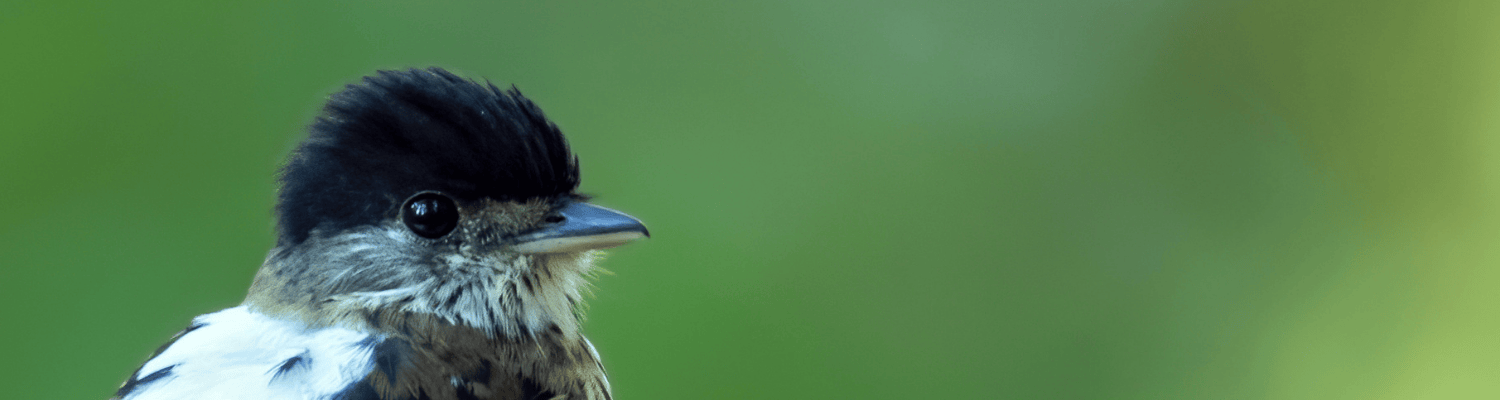
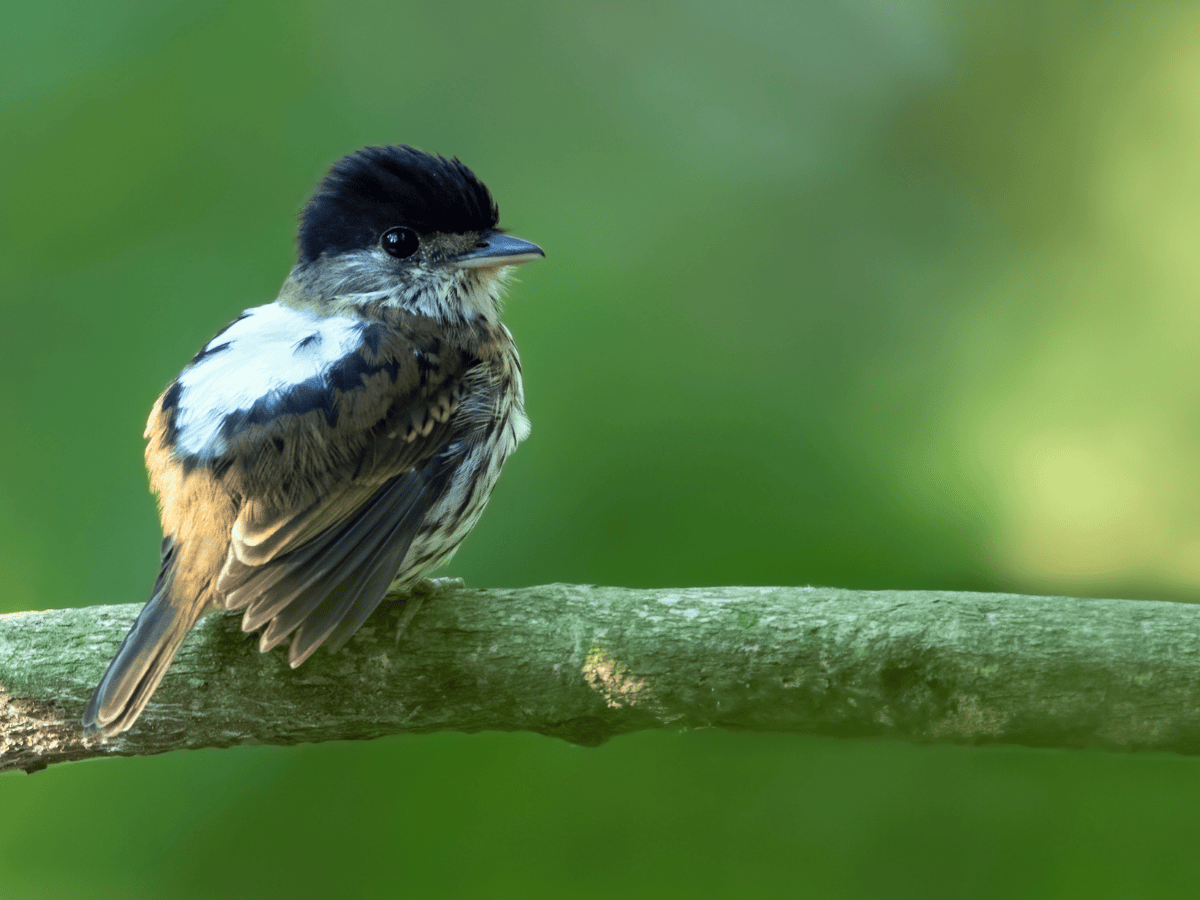
The African Broadbill is a small, compact bird with a large, flat bill and soft green and grey tones. It is found in dense forests across Central and parts of East Africa. Often perched quietly, it blends into its surroundings. During breeding season, it performs a distinctive wing-fluttering display. Its unusual shape and behaviour make it a fascinating species.







Gallery
Summary
Best Time Of Year To See
The African Broadbill can be seen throughout the year, but sightings are most consistent during warmer months when insect activity increases and birds become more vocal and active. During this period, feeding is more frequent and the species’ distinctive call is heard more regularly, improving detection. Breeding season may also increase movement and territorial behaviour. In cooler months, activity may decrease slightly, although the species remains present. Early mornings are particularly productive, when calling activity is highest.
Identification
The African Broadbill is a small bird with soft green upperparts, pale underparts, and a short tail. Its most distinctive feature is its broad, flattened bill, which is well suited for catching insects in flight. It has a compact body and a slightly hunched posture when perched. Males and females are similar in appearance. It can be difficult to see clearly in dense foliage, but its shape and call help distinguish it from other forest birds.
Behaviour
The African Broadbill feeds mainly on insects, which it catches in short flights from perches or by gleaning from leaves. It often sits quietly in the canopy before making quick, controlled movements to capture prey. The species is usually seen alone or in pairs and may join mixed-species flocks. It is most often detected by its distinctive call rather than by sight. Travellers are most likely to observe it moving through mid-level vegetation in forested areas.
Diet
The African Broadbill feeds primarily on insects and small invertebrates, which it catches in flight or picks from foliage. It hunts by making short sallies from perches or by moving through leaves in search of prey. Feeding activity is highest during warmer months when insect populations increase. Its diet reflects its role as an active insect hunter within forest ecosystems.
Habitat
The African Broadbill prefers dense forest, riverine woodland, and well-wooded savanna with a strong canopy structure. It is most often found in the mid to upper levels of vegetation, where it remains partially hidden among leaves. This habitat provides both cover and feeding opportunities. Travellers are most likely to encounter it in mature forest areas with high bird activity and dense foliage.
Conservation Status
The African Broadbill is considered stable, although it depends on intact forest and woodland habitats for long-term survival. Habitat loss and fragmentation can affect local populations. Protected areas such as Kruger National Park and iSimangaliso Wetland Park help maintain suitable conditions. Conservation of forest ecosystems and responsible land management support the continued presence of this species.
Interesting Facts
The African Broadbill is often identified by its unusual, mechanical-sounding call, which resembles a soft buzzing or trilling noise. Its broad bill is perfectly adapted for catching insects in flight. It can be difficult to spot due to its preference for dense foliage. Despite its small size, it plays an important role in controlling insect populations.
Best Places To See
The African Broadbill is most reliably found in dense forest and well-developed riverine woodland where tall trees and layered vegetation support canopy activity. Kruger National Park offers consistent sightings, particularly in mature woodland and riverine areas where insect life is abundant. iSimangaliso Wetland Park provides a strong complementary option with coastal forest and rich bird diversity. These locations are reliable because intact forest structure and high canopy density create ideal feeding conditions, allowing birds to remain active and detectable through their calls.
Folklore
Forest birds are often associated with hidden life and communication in African folklore. The African Broadbill’s distinctive call may symbolise unseen voices within the forest. Its quiet presence and canopy lifestyle reflect subtle awareness and connection. In some interpretations, birds that are heard more than seen represent the unseen layers of nature, reinforcing this species’ link to mystery and depth within forest environments.