
African Finfoot | A Complete Birding Guide
Learn where to spot African Finfoot and how to identify itOverview
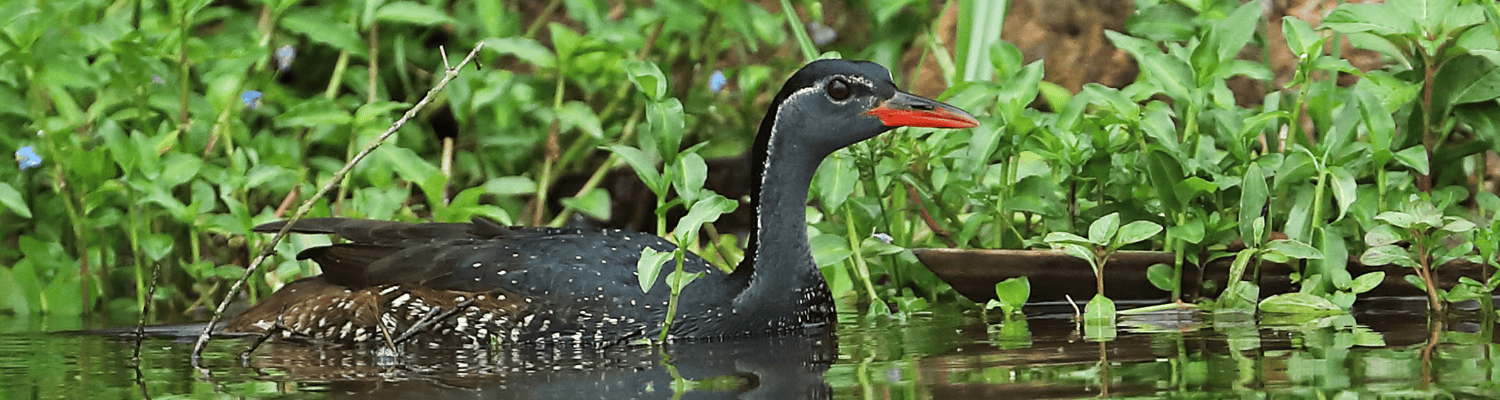
The African Finfoot is a rare, secretive waterbird with a long neck and mottled brown plumage. It is found along quiet rivers and forested waterways across Africa. Usually seen swimming low in the water or slipping into cover, it is difficult to spot. Its elusive nature makes it a prized sighting for birders.







Gallery
Summary
Best Time Of Year To See
African Finfoots can be seen throughout the year, but sightings are most consistent during warmer months when feeding activity increases and birds move more frequently along waterways. During this time, increased prey availability supports more regular movement, improving chances of detection. Breeding season may also bring slightly increased activity. In cooler months, they remain present but are often more secretive. Early morning and late afternoon provide the best opportunities, when birds are active and light conditions make movement easier to detect.
Identification
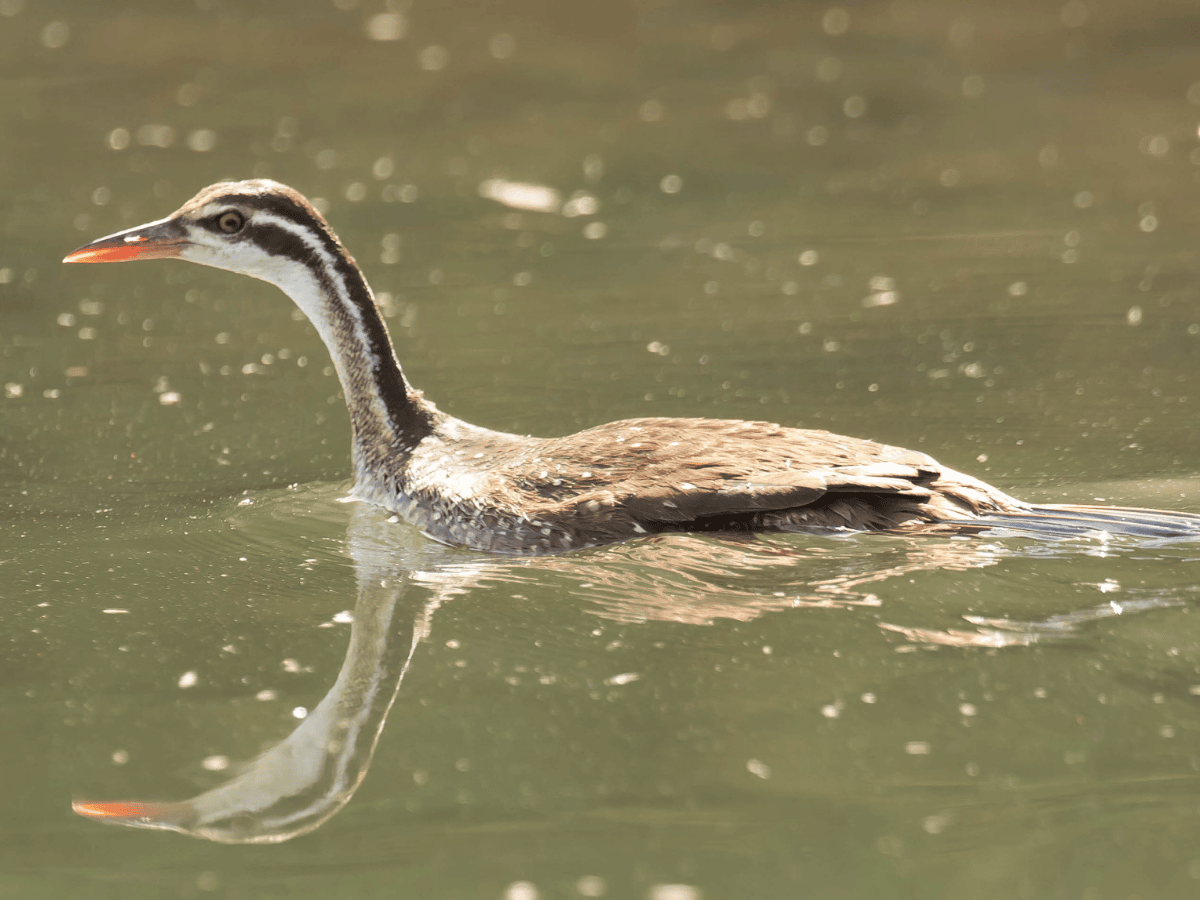
African Finfoots are medium-sized waterbirds with dark brown plumage, a long neck, and a slightly pointed bill. They have a low profile on the water and a distinctive, almost reptile-like movement when swimming. Males and females differ slightly, with males having a darker head and white face markings. Their shape and behaviour help distinguish them. They can be confused with ducks at a distance, but their posture and movement are unique.
Behaviour
African Finfoots feed mainly on fish, insects, crustaceans, and other aquatic prey, which they catch while swimming or foraging along the water’s edge. They are extremely secretive and often remain close to cover, moving slowly and quietly through dense vegetation. The species is usually solitary or seen in pairs. Travellers are most likely to observe brief glimpses as they move along riverbanks or slip into cover when disturbed.
Diet
African Finfoots feed primarily on small fish, aquatic insects, crustaceans, and other invertebrates. They forage by swimming slowly, diving briefly, or picking prey from the water’s edge. Feeding activity increases during warmer months when prey is more abundant. Their diet reflects their dependence on healthy freshwater ecosystems with stable, undisturbed conditions.
Habitat
African Finfoots prefer slow-moving rivers, forested streams, and dense riverine vegetation where thick cover provides protection. They are most often found along shaded watercourses with overhanging branches and minimal disturbance. This habitat supports both feeding and concealment. Travellers are most likely to encounter them in quiet, well-vegetated river systems with calm water and limited human activity.
Conservation Status
African Finfoots are considered near threatened, with populations affected by habitat loss, water pollution, and disturbance. Their reliance on specific riverine habitats makes them particularly sensitive to environmental change. Protected areas such as Kruger National Park and iSimangaliso Wetland Park play an important role in supporting populations. Conservation of freshwater ecosystems and careful management of waterways are essential for their long-term survival.
Interesting Facts
African Finfoots are one of the most secretive waterbirds in Africa and are rarely seen despite being present in suitable habitats. They have partially webbed feet, which give them their name. Their movement on water is smooth and quiet, helping them avoid detection. Sightings are often brief, making them a prized find for birders.
Folklore
Elusive waterbirds are often associated with mystery and hidden life in African folklore. African Finfoots, with their secretive behaviour, may symbolise quiet awareness and the unseen aspects of nature. Their ability to move silently through water reflects subtlety and control. In some interpretations, such birds represent hidden knowledge within natural systems, reinforcing their connection to depth and stillness.
Best Places To See
African Finfoots are most reliably found along slow-moving rivers with dense, overhanging vegetation that provides cover and feeding opportunities. Kruger National Park offers some of the most consistent sightings, particularly along well-wooded river systems where birds can move quietly along the water’s edge. iSimangaliso Wetland Park provides a strong complementary option with extensive riverine habitat and dense vegetation. These locations are reliable because calm water, thick cover, and minimal disturbance allow the species to remain hidden while still being detectable with patience.