
African Pygmy Goose | A Complete Birding Guide
Understand African Pygmy Goose identification and where to see itOverview
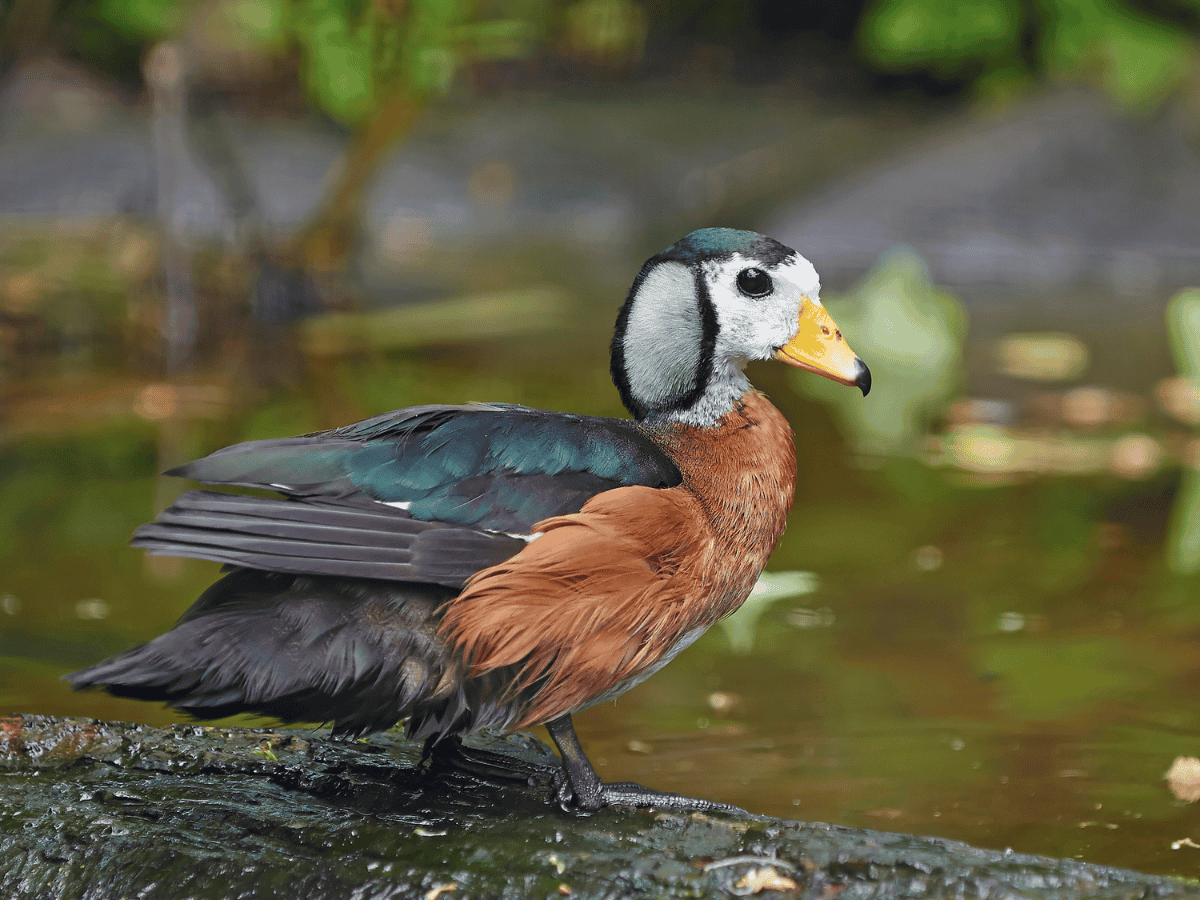
The African Pygmy Goose is a small, colourful waterfowl with green, white, and chestnut markings. It is found on freshwater wetlands across Africa. Often seen among floating vegetation, it feeds on aquatic plants. Its small size and bright colours make it a charming and distinctive species in wetland habitats.






Gallery
Summary
Best Time Of Year To See
The African Pygmy Goose can be seen throughout the year, but sightings are most consistent during warmer months when wetland vegetation is at its peak and food sources are abundant. During this time, birds are more active and frequently seen feeding among water lilies. Breeding activity may also increase movement and visibility. In drier periods, shrinking wetlands can reduce suitable habitat. Summer generally provides the best conditions, combining high activity, strong visibility, and optimal wetland coverage for reliable sightings.
Identification
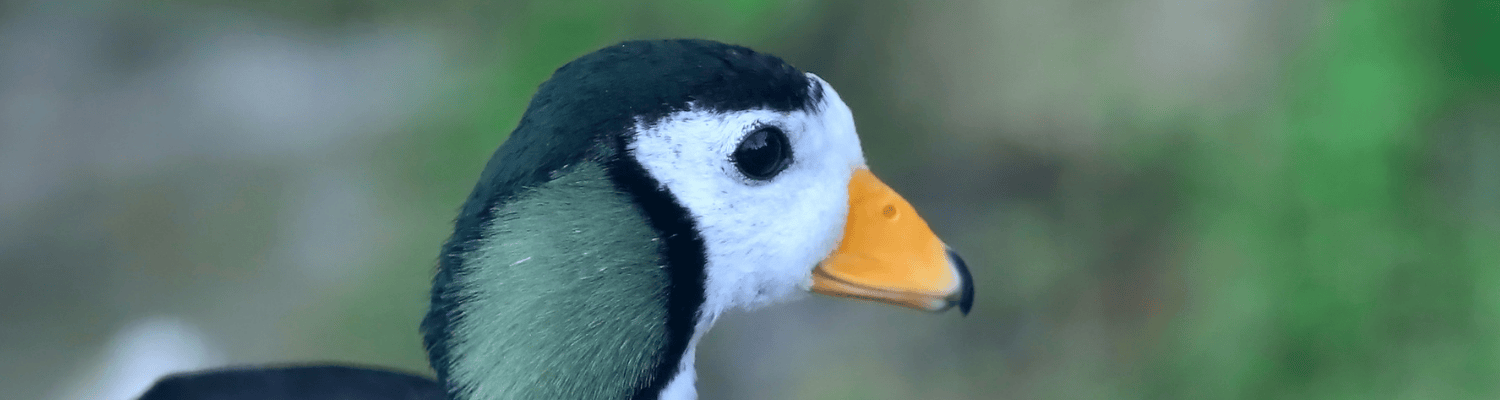
The African Pygmy Goose is a very small waterfowl with a short neck and compact body. Males have striking green upperparts, a white face, and rich chestnut underparts, while females are more subdued with grey-brown tones. Both sexes have a small bill and rounded shape. Its size and bright colouring make it distinctive. It can be confused with small ducks, but its compact build and association with lily-covered water help distinguish it clearly in the field.
Behaviour
The African Pygmy Goose feeds mainly on aquatic plants and small invertebrates, often foraging among floating vegetation. It moves quietly across the water, sometimes diving or dabbling for food. The species is usually seen in pairs or small groups and is generally calm and unobtrusive. Travellers are most likely to observe it feeding among water lilies or resting quietly in sheltered wetland areas with minimal disturbance.
Diet
The African Pygmy Goose feeds primarily on aquatic plants, seeds, and small invertebrates found among floating vegetation. It forages by dabbling at the surface or diving briefly to reach submerged food. Feeding is closely tied to the presence of water lilies and similar plants. During warmer months, increased plant growth and invertebrate activity support higher feeding rates. Its diet reflects its strong dependence on healthy wetland ecosystems.
Habitat
The African Pygmy Goose prefers freshwater wetlands, pans, lakes, and slow-moving rivers with abundant floating vegetation, particularly water lilies. It is most often found in sheltered areas of calm water where plant cover is dense. This habitat provides both feeding opportunities and protection from predators. Travellers are most likely to encounter it in well-vegetated wetlands with stable water levels and good visibility.
Conservation Status
The African Pygmy Goose is considered stable, although it depends on healthy wetland ecosystems for survival. Habitat loss, water pollution, and changes in water levels can affect local populations. Protected areas such as Kruger National Park and iSimangaliso Wetland Park help maintain suitable conditions. Conservation of wetlands and responsible water management practices are essential for supporting this species and maintaining the ecosystems it relies on.
Interesting Facts
The African Pygmy Goose is one of the smallest waterfowl species in Africa and is often seen among water lilies, which it relies on for food. Males are brightly coloured, while females are more subdued, making them harder to spot. It is more closely related to ducks than geese despite its name. Its small size and preference for sheltered water make it easy to overlook without careful observation.
Folklore
Waterbirds are often associated with harmony and balance in African folklore. The African Pygmy Goose’s calm behaviour and connection to still water may symbolise peace and stability. Its reliance on plant-rich wetlands reflects themes of nourishment and life. In some interpretations, birds that remain close to water represent continuity and the quiet flow of natural systems.
Best Places To See
The African Pygmy Goose is most reliably found in calm freshwater wetlands with abundant floating vegetation, especially water lilies that provide both food and cover. Kruger National Park offers some of the most consistent sightings, particularly in pans and slow-moving water bodies with dense plant growth. iSimangaliso Wetland Park provides a strong complementary option with extensive wetlands and ideal feeding conditions. These locations are reliable because stable water levels, rich aquatic vegetation, and low disturbance allow birds to feed openly and remain visible for extended periods.