
Pygmy Kingfisher | A Complete Birding Guide
Learn to identify Pygmy Kingfisher and where to find itOverview
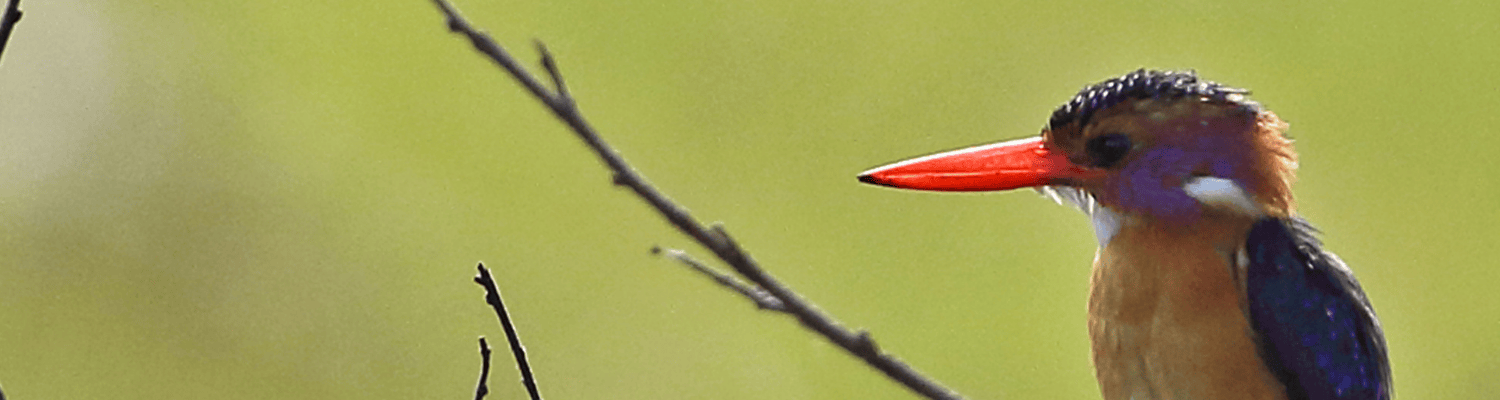
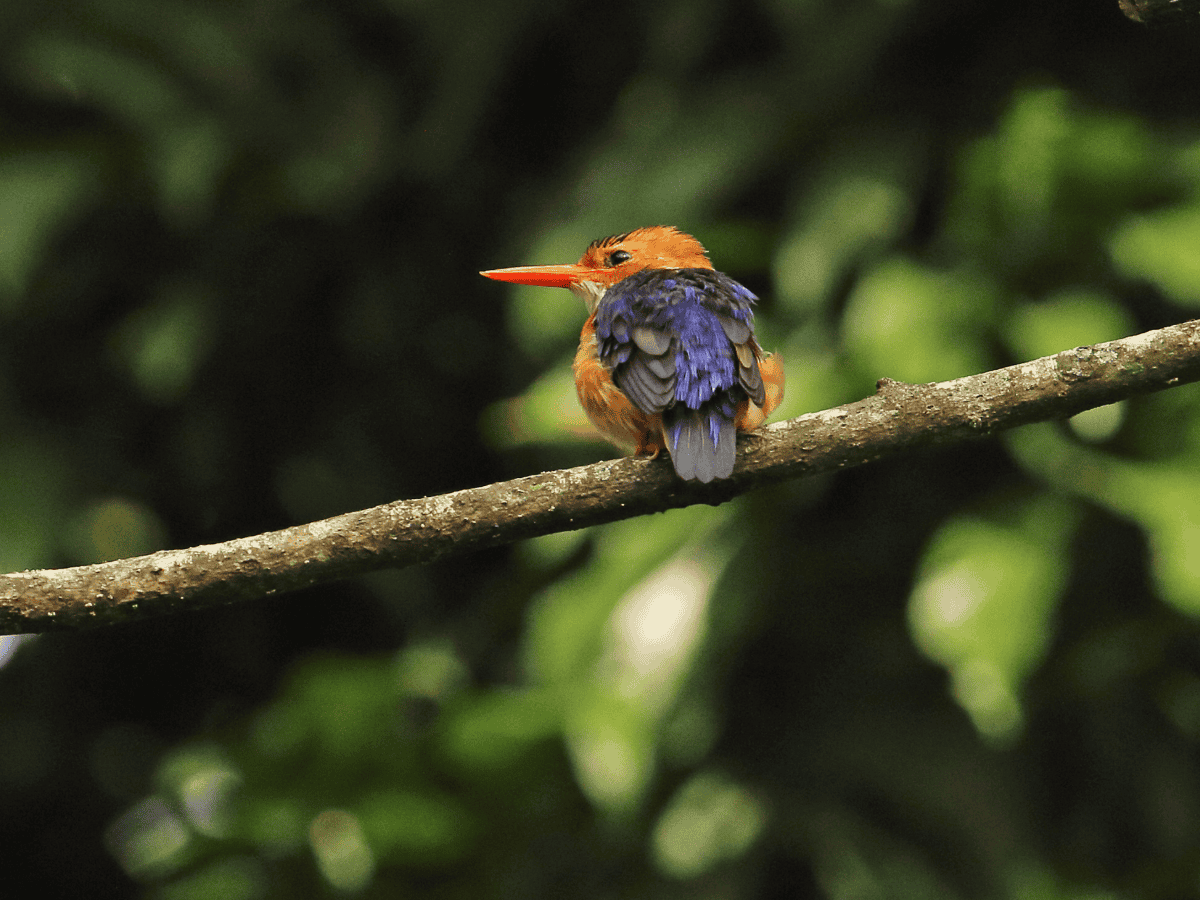
The Pygmy Kingfisher is a tiny, brightly coloured bird with orange underparts and blue upperparts. It is found in forests and woodlands across Africa. Unlike many kingfishers, it often feeds away from water, catching insects from low perches. Its small size and vivid colours make it a delightful species for birders.









Gallery
Summary
Best Places To See
African Pygmy Kingfisher is most reliably found in woodland and riverine habitats where dense vegetation provides cover and feeding opportunities. Kruger National Park offers some of the most consistent sightings, particularly in well-wooded areas with good ground cover where birds perch low and hunt. iSimangaliso Wetland Park provides a strong complementary option with coastal forest and woodland habitat. These locations are reliable because a combination of dense vegetation and open patches allows the species to move actively while remaining visible to observant birders.
Best Time Of Year To See
African Pygmy Kingfisher is most consistently seen during the warmer months when it migrates into southern regions and becomes more active and vocal. During this time, increased insect availability supports regular feeding, and birds move more frequently through their habitat. Breeding season may also increase visibility due to territorial behaviour. In cooler months, the species is largely absent from many southern areas. Summer provides the best opportunity, with higher activity levels, brighter conditions, and more frequent sightings in suitable habitats.
Identification
African Pygmy Kingfisher is a very small bird with bright orange underparts, deep blue upperparts, and a vivid red bill. It has a short tail and a compact body. Its colour contrast is striking, especially in good light. Males and females are similar in appearance. It can be confused with other small kingfishers, but its size, colour combination, and lack of association with open water help distinguish it clearly.
Behaviour
African Pygmy Kingfisher feeds mainly on insects, which it catches by dropping from a low perch to the ground or vegetation. It often sits quietly before making quick, precise movements to capture prey. The species is usually solitary and may be more vocal during breeding season. Travellers are most likely to observe it perched low in shaded areas or making short, darting feeding flights.
Diet
African Pygmy Kingfisher feeds primarily on insects such as beetles, grasshoppers, and other small invertebrates. It hunts from low perches, scanning the ground before diving down to capture prey. Feeding usually takes place away from water, in woodland and forest edge habitats. Increased insect activity during warmer months supports more frequent feeding. Its diet reflects its adaptation to terrestrial feeding rather than fishing.
Habitat
African Pygmy Kingfisher prefers woodland, forest edges, and riverine vegetation where dense cover provides protection and feeding opportunities. It is most often found perched low in vegetation, often near the ground. This habitat supports both concealment and efficient hunting. Travellers are most likely to encounter it in shaded woodland areas with active birdlife.
Conservation Status
African Pygmy Kingfisher is considered stable, with no major threats affecting overall populations across its range. Its seasonal movements and adaptability support its resilience. Protected areas such as Kruger National Park and iSimangaliso Wetland Park help maintain suitable habitat. Conservation of woodland ecosystems and responsible tourism practices support the continued presence of this species.
Interesting Facts
African Pygmy Kingfisher is one of the smallest kingfishers in Africa and is often found away from water, unlike many related species. Its bright colours make it stand out strongly in shaded environments. It moves quickly and can be easy to miss despite its striking appearance. It is often more active during the warmer months when it is present in southern regions.
Folklore
Brightly coloured birds are often associated with vitality and energy in African folklore. The African Pygmy Kingfisher’s vivid colours may symbolise life and movement within the landscape. Its sudden, darting movements reflect alertness and awareness. It represents the small but vibrant presence of life within woodland environments.