
Arrow-marked Babbler | A Complete Birding Guide
Understand Arrow-marked Babbler behaviour and where to see itOverview
The Arrow-marked Babbler is a medium-sized, brown bird with subtle arrow-shaped markings on its chest. It is found in savannas and woodlands across Southern Africa. Highly social, it moves in noisy groups through bushes while foraging. Its constant chatter and group dynamics make it an entertaining and easy species to follow.









Gallery
Summary
Best Places To See
Arrow-marked Babbler is most reliably found in open woodland and savanna where group movement and vocal activity make it easy to detect. Kruger National Park offers some of the most consistent sightings, particularly in areas with mixed woodland and good undergrowth. Hluhluwe-iMfolozi Game Reserve provides a strong complementary option with similar habitat and high bird density. These locations are reliable because the species moves in groups, produces constant calls, and prefers accessible habitats where visibility is good, allowing for frequent and prolonged sightings.
Best Time Of Year To See
Arrow-marked Babbler can be seen throughout the year, but sightings are most consistent during warmer months when birds are more active and vocal. Breeding season increases group interaction and calling, making them easier to locate. During wetter periods, food availability improves, encouraging more movement and feeding. In cooler months, activity may decrease slightly, although the species remains visible. Summer generally provides the best combination of activity, sound, and overall encounter rates.
Identification
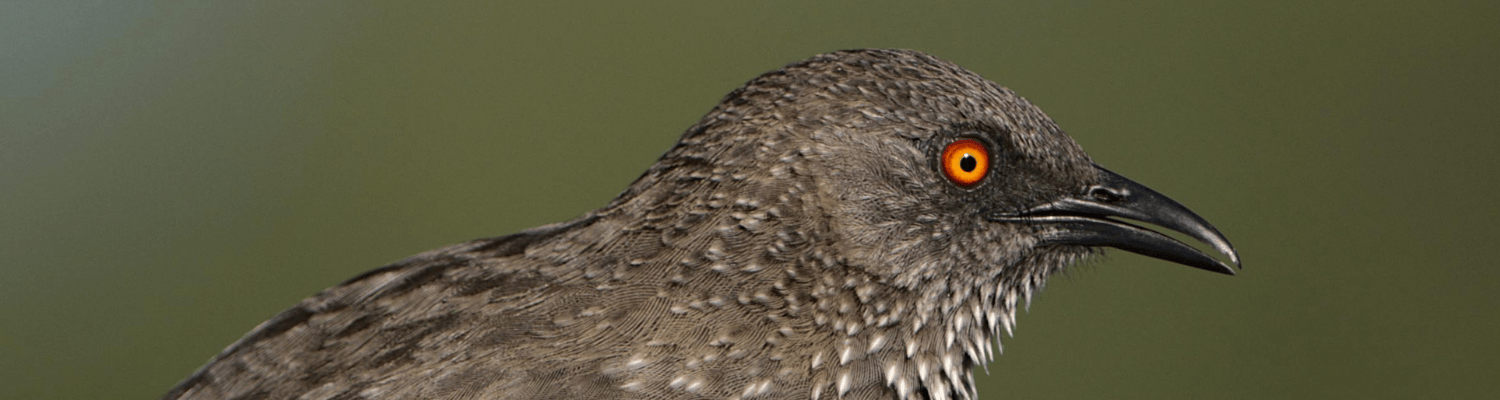
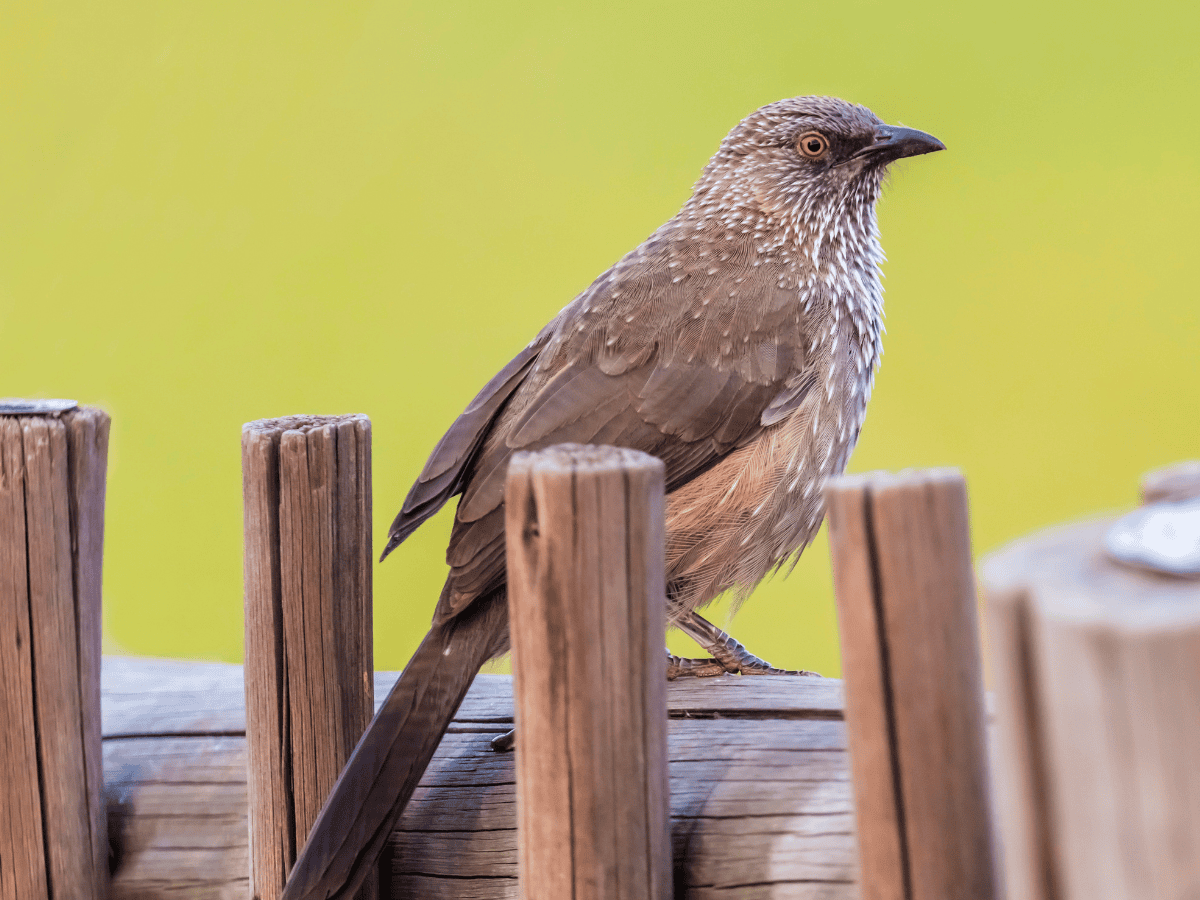
Arrow-marked Babbler is a medium-sized bird with grey-brown plumage, pale underparts marked with dark streaks, and a distinctive arrow-shaped marking on the chest. It has a long tail and a slightly curved bill. Males and females are similar in appearance. Its constant chattering calls and group movement help with identification. It can be confused with other babblers, but its chest markings and social behaviour make it easy to recognise.
Behaviour
Arrow-marked Babbler feeds mainly on insects and small invertebrates, foraging on the ground and in low vegetation. It moves in groups, often hopping and probing through leaf litter. The species is highly social and produces continuous chattering calls. It shows cooperative behaviour within groups. Travellers are most likely to observe it moving in noisy flocks, feeding and interacting together.
Diet
Arrow-marked Babbler feeds primarily on insects, larvae, and small invertebrates. It forages on the ground, turning over leaves and debris to find food. Feeding often takes place in groups, reflecting its social nature. During wetter periods, increased insect activity supports higher feeding rates. Its diet is closely linked to woodland ecosystems.
Habitat
Arrow-marked Babbler prefers woodland, savanna, and thicket with good ground cover. It is most often found on the ground or in low vegetation. This habitat provides both food and shelter. Travellers are most likely to encounter it in open woodland with active birdlife.
Conservation Status
Arrow-marked Babbler is considered stable and widespread, with no major threats affecting overall populations. Its adaptability to different woodland habitats supports its resilience. Protected areas such as Kruger National Park and Hluhluwe-iMfolozi Game Reserve help maintain suitable conditions. Conservation of savanna ecosystems supports the species’ continued presence.
Interesting Facts
Arrow-marked Babblers are highly social and almost always seen in groups. Their constant chatter helps birders locate them quickly. They often work together while foraging. Their distinctive chest marking gives them their name and helps with identification.
Folklore
Social birds are often associated with cooperation and communication in African folklore. The Arrow-marked Babbler’s group behaviour may symbolise unity and teamwork. Its constant calling reflects connection and awareness. It represents the importance of community within nature.