
Overview
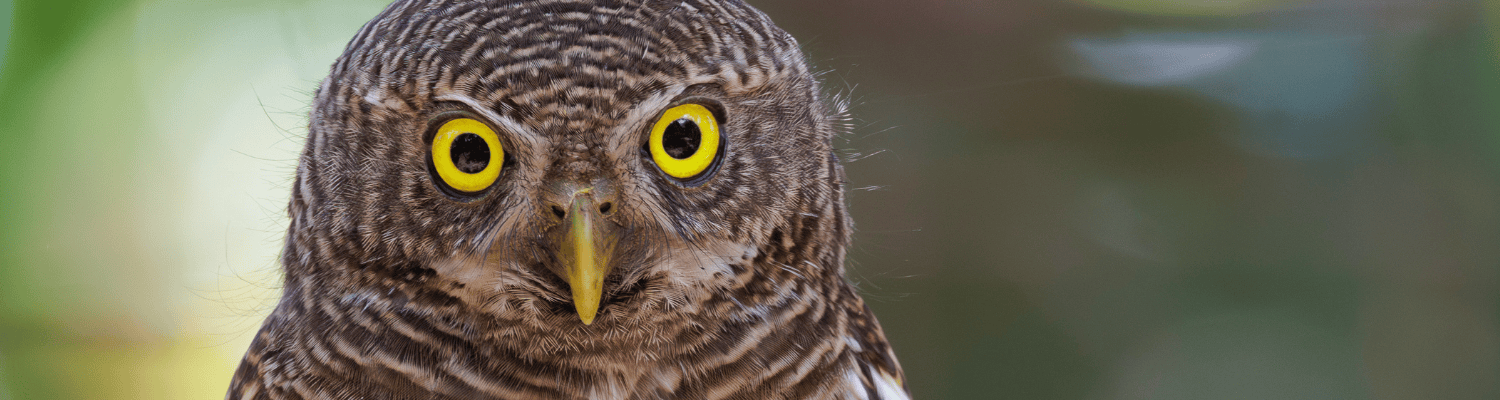
The Barred Owlet is a small, compact owl with brown and white barring across its body and a rounded head. It is found in woodlands and savannas across parts of Southern and East Africa. Often active at dusk and during the night, it hunts insects and small prey from low perches. Its small size and distinctive pattern make it an appealing species for birders.








Gallery
Summary
Best Places To See
Barred Owlet is most reliably found in open woodland and savanna where scattered trees provide suitable perches and nesting sites. Kruger National Park offers some of the most consistent sightings, particularly in areas with mixed woodland and good visibility where birds often perch in the open. Madikwe Game Reserve provides a strong complementary option with similar habitat and reliable daytime activity. These locations are effective because the species frequently uses exposed perches, increasing the chances of clear and prolonged sightings during both early morning and late afternoon.
Best Time Of Year To See
Barred Owlet can be seen throughout the year, but sightings are most consistent during warmer months when birds are more active and vocal, particularly during breeding season. Increased prey availability during this time supports higher hunting activity and more frequent movement. Early mornings and late afternoons are especially productive, as birds perch visibly and call more often. During cooler months, activity may decrease slightly, although the species remains present. Summer generally offers the best overall conditions, combining increased behaviour, visibility, and more reliable encounter rates.
Identification
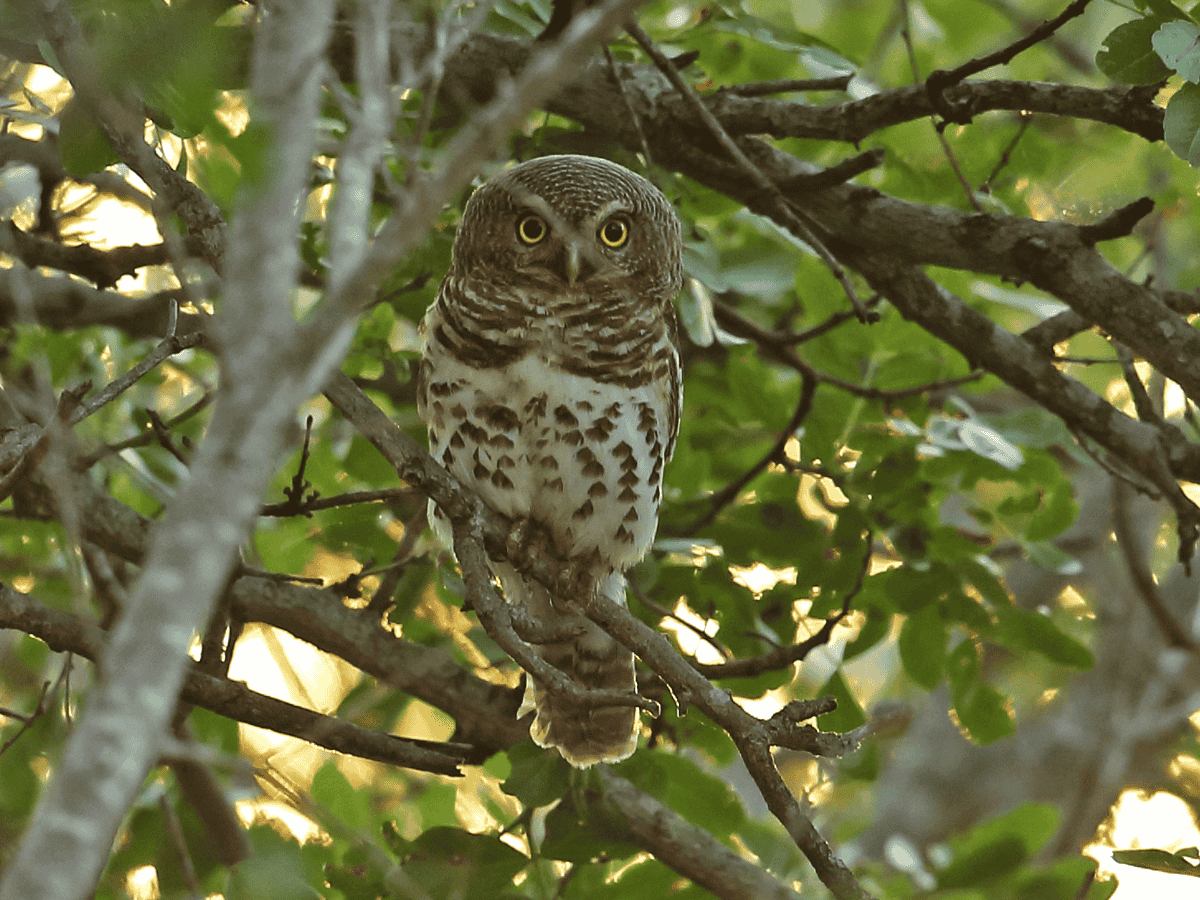
Barred Owlet is a small owl with brown upperparts and white underparts marked by fine horizontal barring, giving it a distinctive patterned appearance. It has a rounded head, bright yellow eyes, and no visible ear tufts. Its compact body and upright posture are typical when perched. Males and females are similar in appearance. It can be confused with other small owls, but its barred pattern, eye colour, and tendency to be active during the day help distinguish it clearly in the field.
Behaviour
Barred Owlet feeds on insects, small mammals, reptiles, and birds, hunting from exposed perches where it scans for movement below. It is often active at dawn and dusk but is also frequently seen during daylight hours. The species is usually solitary or seen in pairs and may call softly during breeding season. It tends to remain still for long periods before making short, direct flights to capture prey. Travellers are most likely to observe it perched quietly or shifting position while hunting.
Diet
Barred Owlet feeds primarily on insects, small mammals, reptiles, and occasionally small birds. It hunts by watching from a perch and then launching a quick, controlled flight to capture prey on the ground or in low vegetation. Feeding activity is often highest during warmer months when prey is more abundant. Its varied diet allows it to adapt to a range of woodland environments, where it plays an important role as a small but effective predator.
Habitat
Barred Owlet prefers open woodland, savanna, and lightly wooded areas where scattered trees provide both perching and nesting opportunities. It is most often found perched on exposed branches or in low to mid-level vegetation, where it can watch for prey. This habitat allows for good visibility and efficient hunting. Travellers are most likely to encounter it in areas with a mix of open ground and trees, especially where bird activity is high and movement is easy to detect.
Conservation Status
Barred Owlet is considered stable and widespread, with no major threats affecting overall populations across its range. Its adaptability to different woodland and savanna habitats supports its resilience. However, local habitat changes can influence population density in certain areas. Protected areas such as Kruger National Park and Madikwe Game Reserve help maintain suitable conditions. Conservation of woodland ecosystems and responsible tourism practices support the continued presence of this species in key safari regions.
Interesting Facts
Barred Owlet is one of the few owl species regularly seen during the day, making it more accessible to travellers than many other owls. Its bright yellow eyes are highly distinctive and give it an alert, expressive look. It often remains still for long periods, relying on camouflage before making quick hunting movements. Despite its small size, it is a capable predator and plays an important role in controlling insect and small animal populations within its habitat.
Folklore
Owls are often linked to mystery, awareness, and hidden knowledge in African folklore. The Barred Owlet’s ability to be active during both day and night may symbolise balance and heightened awareness. Its quiet, watchful nature reflects attentiveness and observation. In some traditions, owls are seen as messengers or indicators of change, and the Barred Owlet’s presence in both light and low-light conditions reinforces its association with transition and perception within the natural world.