
Black-backed Jackal | A Complete Safari Guide
Understand black-backed jackal behaviour and where to see them on safariOverview
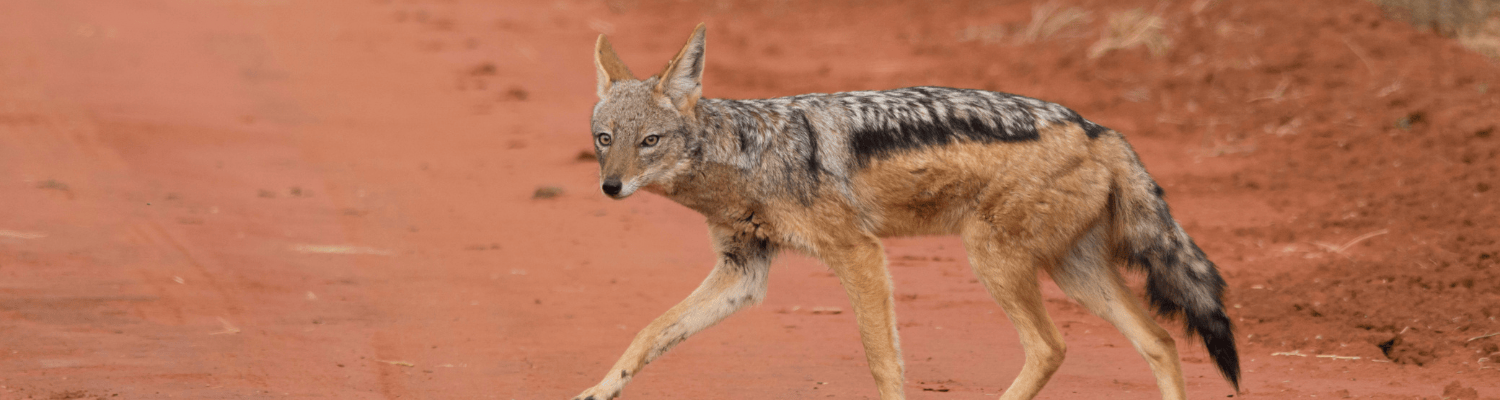
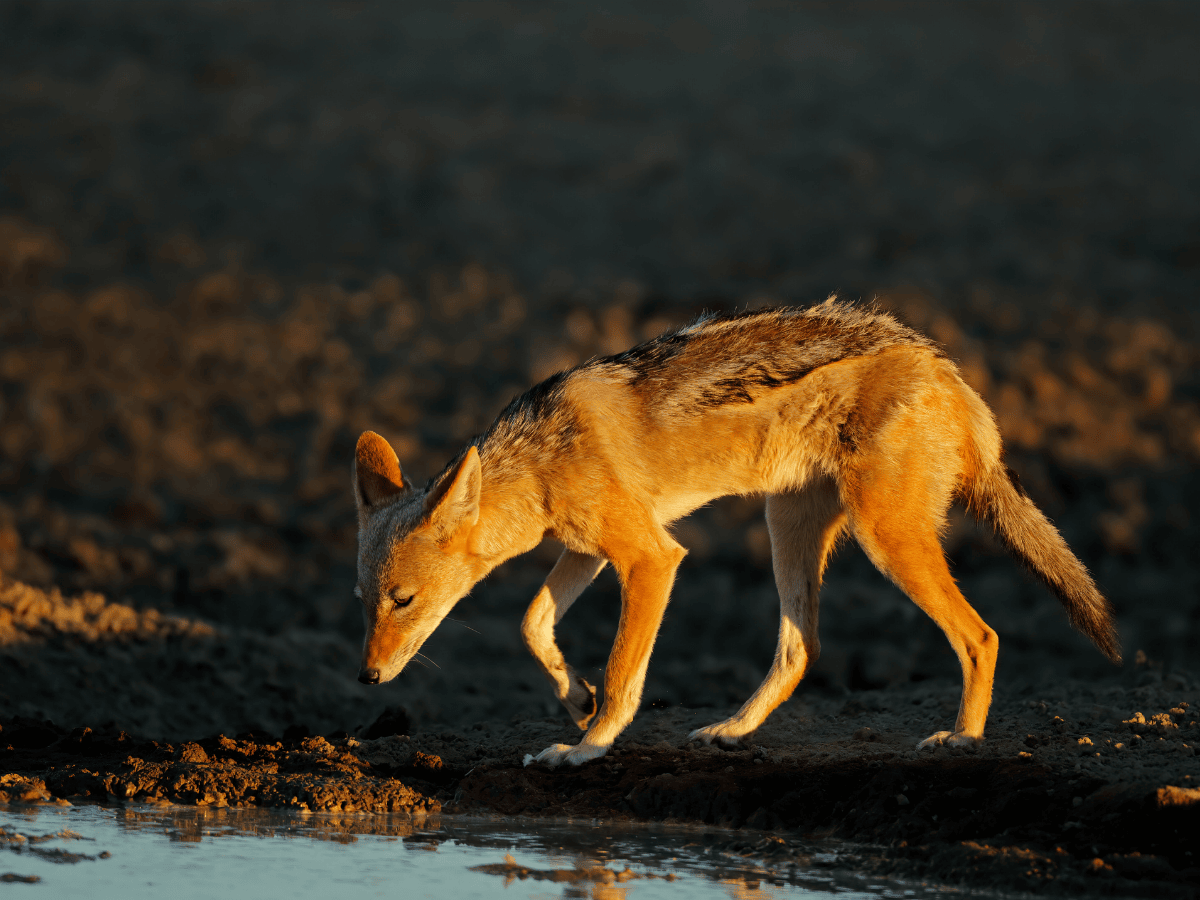
The black-backed jackal is a small and alert predator, known for its reddish coat and distinctive black saddle along its back. It is found widely across eastern and southern Africa, especially in open savannas and semi-arid areas. Jackals are often seen alone or in pairs, moving quickly and scanning their surroundings. They are opportunistic feeders, both hunting and scavenging. For travellers, they are common but engaging sightings, often active during early morning or late afternoon, adding constant movement and life to the safari experience.










Gallery
Summary
Best Places To See
Black-backed jackals are most reliably seen in open savanna and semi-arid environments where visibility is high and predator activity is frequent, with Serengeti National Park standing out as a flagship destination due to constant interaction with large predator systems and abundant scavenging opportunities. In Kenya, the Masai Mara National Reserve offers equally consistent sightings across open plains, especially around kills. In Southern Africa, Kgalagadi Transfrontier National Park provides excellent viewing in sparse terrain where jackals are highly active, while Kruger National Park and adjacent reserves such as Sabi Sands Game Reserve deliver regular encounters along roads and in areas with high prey density.
Best Time Of Year To See
The best time to see black-backed jackals is during the dry season, when open landscapes and shorter grass improve visibility. They are active during the day and often seen scavenging or hunting in open areas. In the wet season, they remain common but may be slightly harder to spot in thicker vegetation.
Identification
Black-backed Jackals are small canids with reddish bodies and a distinctive black saddle across the back. They have pointed ears and bushy tails. Both sexes look similar. They may be confused with side-striped jackals, but the black saddle is key.
Behaviour
Black-backed jackals are adaptable omnivores that feed on small animals, birds, insects, and carrion. They often hunt in pairs, working together to catch prey or scavenge efficiently. They form strong pair bonds and maintain territories, defending them from other jackals. They are active during both day and night. Breeding pairs raise pups together, showing cooperative care. On safari, travellers often see them moving through open areas, trotting with purpose, calling to each other, or watching larger predators in hopes of scavenging from a kill.
Diet
Black-backed jackals are omnivores that feed on small animals, insects, fruit, and carrion. They are skilled hunters but also rely heavily on scavenging. They often follow larger predators to feed on leftovers. They hunt alone or in pairs, usually at dawn or dusk. Their diet changes based on availability. They are highly adaptable and can survive in many environments. Their feeding behaviour plays an important role in cleaning up carcasses.
Habitat
Black-backed jackals are found in savanna, grassland, coastal areas, and semi-desert environments. Their habitat is flexible and supports both hunting and scavenging. They prefer open terrain with good visibility but will use cover when needed. Water is beneficial but not always essential. Travellers frequently see jackals in open areas, often near predator activity or carcasses, where their alert behaviour and calls are commonly observed.
Conservation Status
Black-backed jackals are listed as least concern, with widespread populations. Their main threats include persecution due to livestock predation. They are highly adaptable and thrive in many environments. Strong populations exist in protected areas. Safari tourism supports conservation and promotes coexistence.
Interesting Facts
Black-backed jackals are highly adaptable predators and scavengers found across a range of habitats. They are known for their striking black saddle on their back. Jackals often form monogamous pairs and work together to hunt and raise pups. They are intelligent and opportunistic, feeding on anything from small animals to carrion. Their sharp calls are a common sound in the African bush, especially at dawn and dusk.
Folklore
Black-backed jackals are often associated with cunning, adaptability, and intelligence. In African folklore, they are sometimes portrayed as clever survivors that rely on strategy rather than strength. While occasionally viewed with suspicion, they are also respected for their resilience. Their presence reinforces themes of resourcefulness.