
Bontebok | A Complete Safari Guide
Learn how to identify bontebok and where to see them on safariOverview
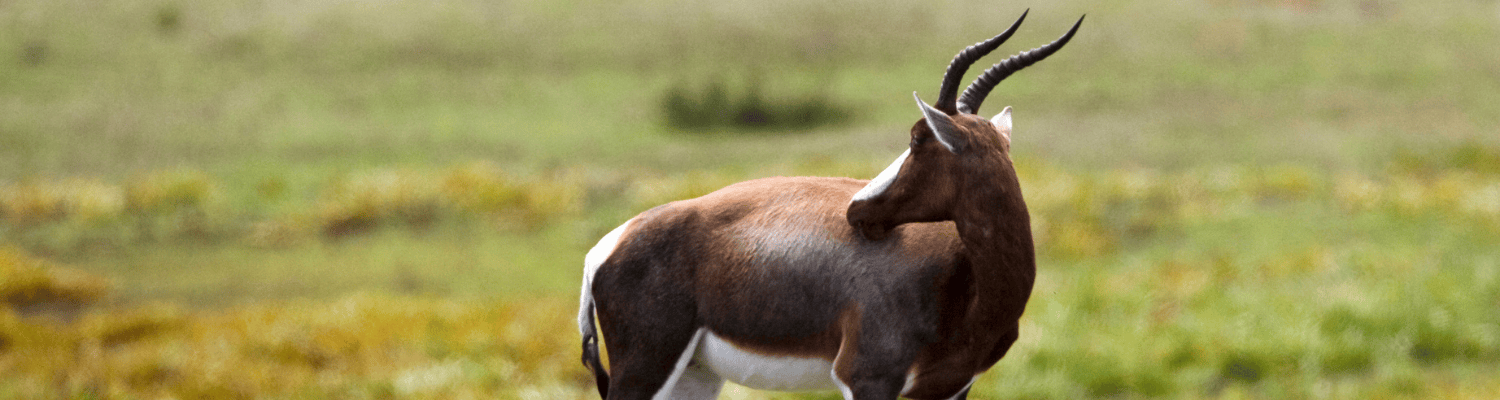
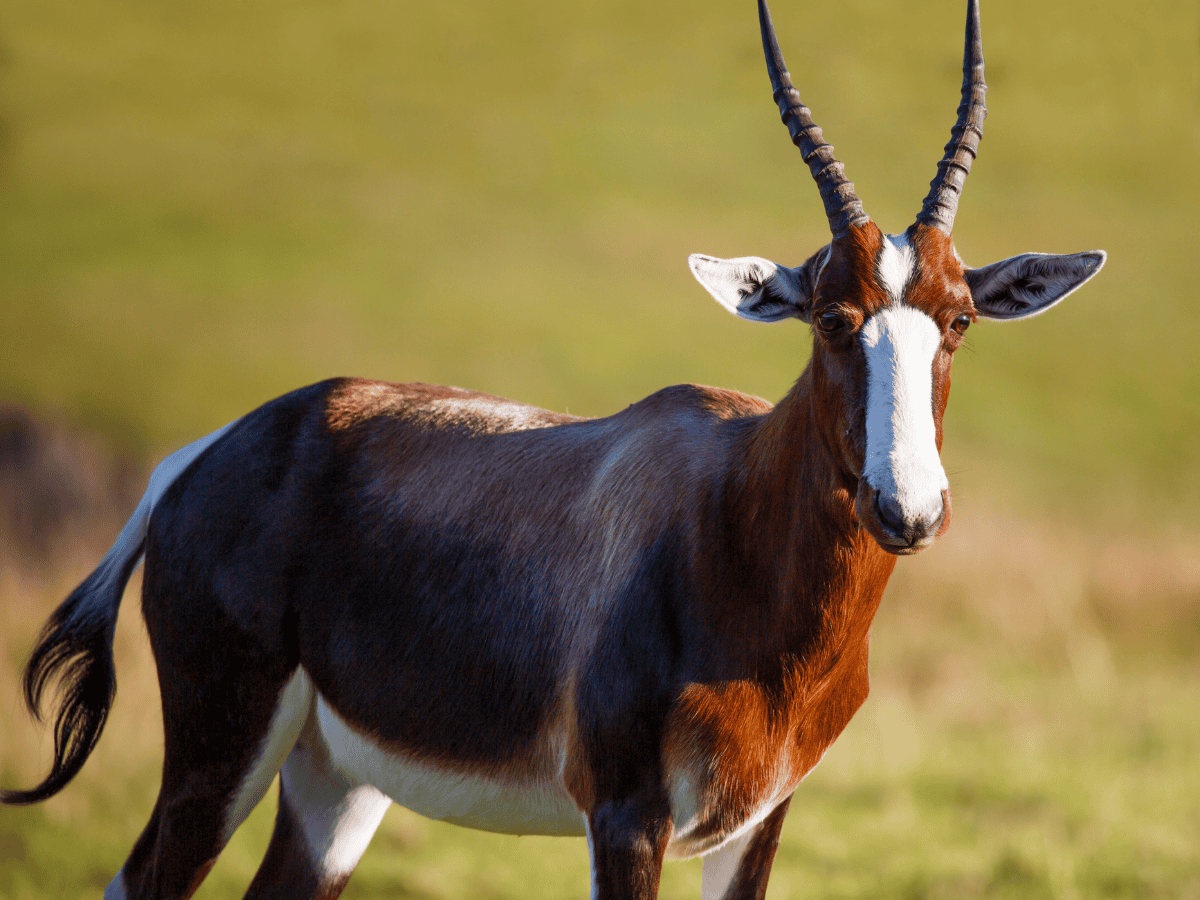
The bontebok is a striking and rare antelope, known for its deep brown coat, white face blaze, and distinctive white markings along its body. It is found mainly in small protected areas in South Africa, especially in coastal plains and open grasslands. Once close to extinction, it is now a conservation success story. For travellers, seeing a bontebok feels special due to its limited range and history. Its presence highlights the impact of conservation and adds a unique element to a safari experience in the region.









Gallery
Summary
Best Places To See
Bontebok are most reliably seen in protected grassland habitats within South Africa, with Bontebok National Park in the Cape Region standing out as the flagship destination due to its conservation success and consistently visible, stable population. In the Eastern Cape Safari Region, private reserves such as Shamwari Private Game Reserve and Amakhala Private Game Reserve offer regular sightings, supported by well-managed herds and open terrain that makes viewing easy. Additional opportunities exist in select Western Cape reserves where bontebok have been reintroduced, with sightings typically predictable in areas of short grass and low vegetation.
Best Time Of Year To See
The best time to see bontebok is during the dry season, when shorter grass improves visibility in open plains where they are typically found. They often remain in defined areas, making sightings consistent. In the wet season, abundant grazing allows them to spread out slightly, although they are still relatively easy to locate.
Identification
Bontebok are medium-sized antelope with dark brown bodies and a white face blaze. They also have white patches on the legs and rump. Both sexes have short horns. They may be confused with blesbok, but bontebok have a cleaner white face and rump. They are mostly found in specific regions.
Behaviour
Bontebok are grazers that live in small herds. They prefer open grasslands. On safari, they are seen feeding or resting in open areas.
Diet
Bontebok are grazers that feed mainly on short grasses in open plains. They prefer areas with good grazing conditions and often feed throughout the day. They are selective and choose fresh, green grass when available. During dry periods, they rely on remaining patches of grass. They require regular access to water. Their feeding helps maintain grasslands and supports biodiversity. They are often found in smaller groups, moving steadily as they graze across their habitat.
Habitat
Bontebok are found in coastal plains and grasslands, often in areas with moderate rainfall and good grazing. Their habitat includes open terrain with short grasses and limited tree cover. Water is important but usually available in their environment. They are often confined to protected areas due to conservation efforts. Travellers are most likely to see bontebok in specific reserves where populations have been reintroduced and carefully managed.
Conservation Status
Bontebok are listed as least concern, but their range is limited. They were once close to extinction due to hunting and habitat loss. Conservation efforts have successfully increased their numbers, particularly in protected areas. Today, they remain dependent on managed habitats. National parks and private reserves are essential for their survival. Safari tourism supports these conservation efforts and helps maintain stable bontebok populations.
Interesting Facts
Bontebok are a rare antelope with a distinctive white blaze on their face and rich brown coat. They were once on the brink of extinction but have recovered through conservation efforts. Bontebok are now mostly found in protected areas and private reserves. They are relatively sedentary and form small herds. Their recovery story makes them an important symbol of successful wildlife conservation in southern Africa.
Folklore
Bontebok are seen as symbols of conservation success and renewal. Once near extinction, their recovery has given them meaning as a representation of hope and restoration. In some contexts, they reflect the importance of protecting natural heritage. Their presence reinforces themes of recovery and resilience.