
Brown Hyena | A Complete Safari Guide
Learn about brown hyena behaviour and where to spot them on safariOverview
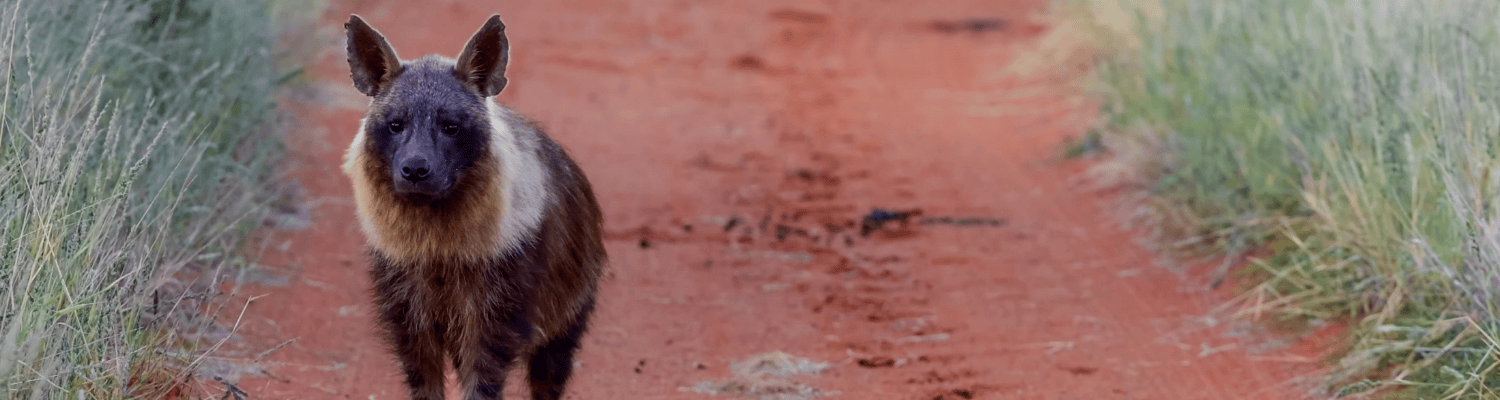
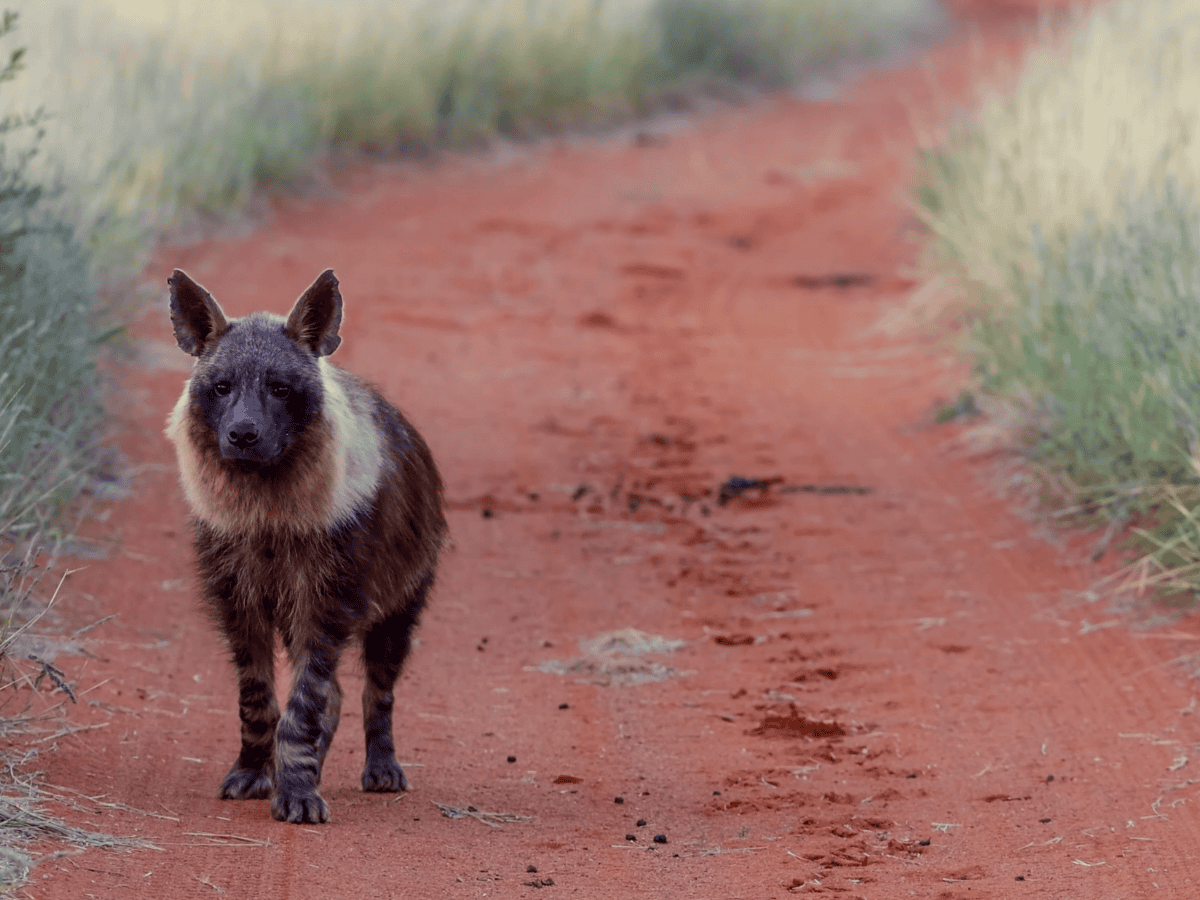
The brown hyena is a shy and rarely seen predator, recognised by its long shaggy coat, sloping back, and pale legs. It is found mainly in the dry regions of southern Africa, including desert and semi-desert landscapes. Unlike its spotted cousin, it is more solitary and often active at night, making sightings feel special and uncommon. For travellers, the brown hyena is a true wilderness highlight, offering a sense of rarity and discovery. Its role as a scavenger helps keep ecosystems clean and balanced.









Gallery
Summary
Best Places To See
Brown hyenas are most reliably seen in arid, open environments where competition is lower and tracking is easier, with Kgalagadi Transfrontier National Park standing out as a flagship destination due to its stable population and high daytime sighting rates along dry riverbeds. In South Africa’s North West Region, Madikwe Game Reserve offers consistent sightings supported by strong guiding and known denning areas. In Botswana, the Central Kalahari Game Reserve provides more remote but rewarding encounters in vast, lightly pressured landscapes, while private reserves such as Tswalu Kalahari deliver exceptional, low-density viewing with expert tracking, making sightings both exclusive and highly reliable.
Best Time Of Year To See
The best time to see brown hyenas is during the dry season, when sparse vegetation and open terrain improve visibility in the arid environments they favour. As food becomes more limited, they range more widely and follow predictable routes between scavenging areas and den sites, increasing the chances of encounters. They are primarily nocturnal, so sightings are most likely in the early morning, late afternoon, or on night drives. In the wet season, thicker vegetation and more dispersed food sources make them harder to locate, although conditions are quieter and landscapes are more visually appealing.
Identification
Brown Hyenas have shaggy, long brown fur with faint stripes on their legs and a lighter mane along the back. Their ears are pointed, and their build is slightly less bulky than spotted hyenas. They often appear scruffier and more solitary. Both males and females look similar. They may be confused with spotted hyenas, but their longer fur and lack of clear spots are key differences. They are more elusive and typically seen alone or in small groups, especially in arid regions.
Behaviour
Brown hyenas are primarily scavengers, feeding on carrion and leftovers from other predators. They are more solitary or live in small family groups compared to spotted hyenas. They are mostly nocturnal and shy. On safari, sightings are less common and often occur at night or in remote areas, where they move quietly while foraging.
Diet
Brown hyenas are mainly scavengers that feed on carcasses left behind by other predators. They rely heavily on their sense of smell to locate food over long distances. They will also eat small animals, insects, fruit, and eggs when available. They are mostly active at night and often travel alone. In dry conditions, they may depend more on scavenging as hunting opportunities are limited. They play an important role in cleaning up remains. Their diet is highly adaptable and depends on what food sources are available in their environment.
Habitat
Brown hyenas prefer arid and semi-arid environments such as deserts, scrublands, and dry savanna. They are well adapted to harsh conditions with limited water. Their habitat includes open terrain with sparse vegetation and scattered cover. They often roam large distances in search of food. Travellers are most likely to see brown hyenas in remote, dry regions like the Kalahari, usually at night or early morning, often moving along open plains or near waterholes.
Conservation Status
Brown hyenas are listed as near threatened, with relatively low population densities across their range. Their main threats include habitat loss and persecution, as they are often misunderstood and blamed for livestock losses. They rely on large, undisturbed areas, making them sensitive to human expansion. Strongholds remain in remote regions and protected areas. Conservation efforts focus on protecting habitat and improving coexistence with people. Safari tourism plays a valuable role by supporting conservation areas and increasing awareness of this unique and often overlooked species.
Interesting Facts
Brown hyenas are more solitary and elusive than their spotted relatives, often seen scavenging along coastlines and arid regions. They have shaggy coats and powerful jaws that allow them to consume bones and tough materials. Unlike spotted hyenas, they rely heavily on scavenging rather than hunting. Brown hyenas play an important ecological role by cleaning up carcasses, helping prevent the spread of disease in their habitats.
Folklore
Brown hyenas are less commonly featured in folklore but are often associated with persistence and resourcefulness. Living in arid regions, they are seen as survivors that adapt to harsh environments. Some communities view them as symbols of endurance and quiet resilience. Their solitary and elusive behaviour has also linked them to mystery, reinforcing respect for animals that thrive without drawing attention.