
Burchell’s Starling | A Complete Birding Guide
Learn to identify Burchell’s Starling and where to find itOverview
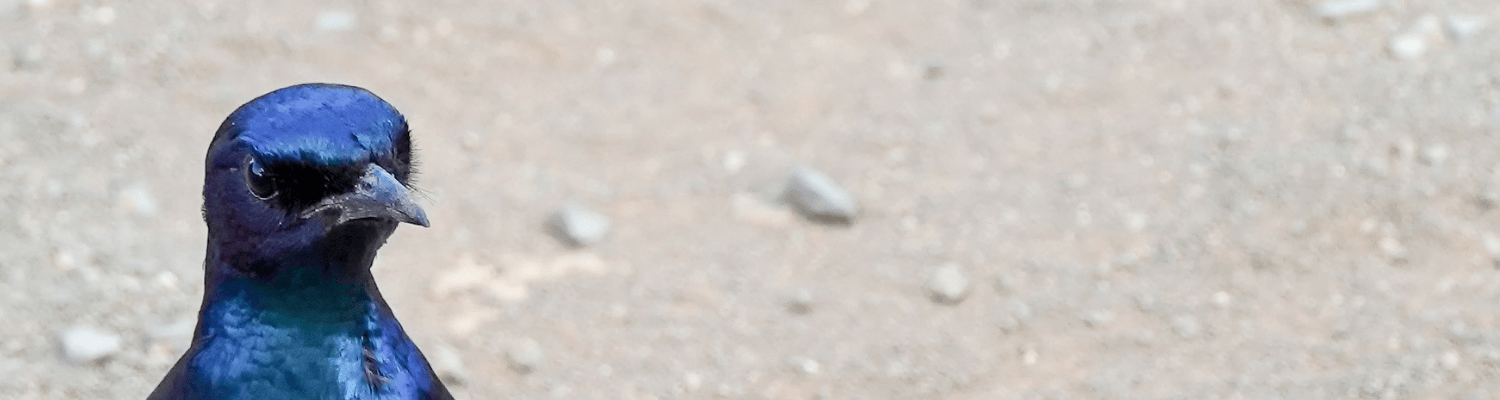
Burchell’s Starling is a sleek, metallic bird with glossy blue-green plumage that shines in sunlight. It is found in open woodlands and savannas across Southern Africa. Often seen perched or foraging on the ground, it feeds on insects and fruit. Its iridescent colours and confident behaviour make it a standout species.









Gallery
Summary
Best Places To See
Burchell’s Starling is most reliably found in open savanna and woodland where it perches prominently and forages on the ground. Kruger National Park offers some of the most consistent sightings due to varied habitat and high bird density. Madikwe Game Reserve provides a strong complementary option with similar conditions and good visibility. These locations are reliable because the species is both conspicuous and adaptable, often seen in open areas where it is easy to observe.
Best Time Of Year To See
Burchell’s Starling can be seen throughout the year, with consistently high visibility across seasons. Sightings are particularly active during warmer months when feeding and breeding behaviour increase movement. During wetter periods, food availability improves, supporting higher activity levels. In cooler months, birds remain present and visible. Because it is adaptable and often conspicuous, it is easy to observe at any time, although summer offers more dynamic behaviour.
Identification
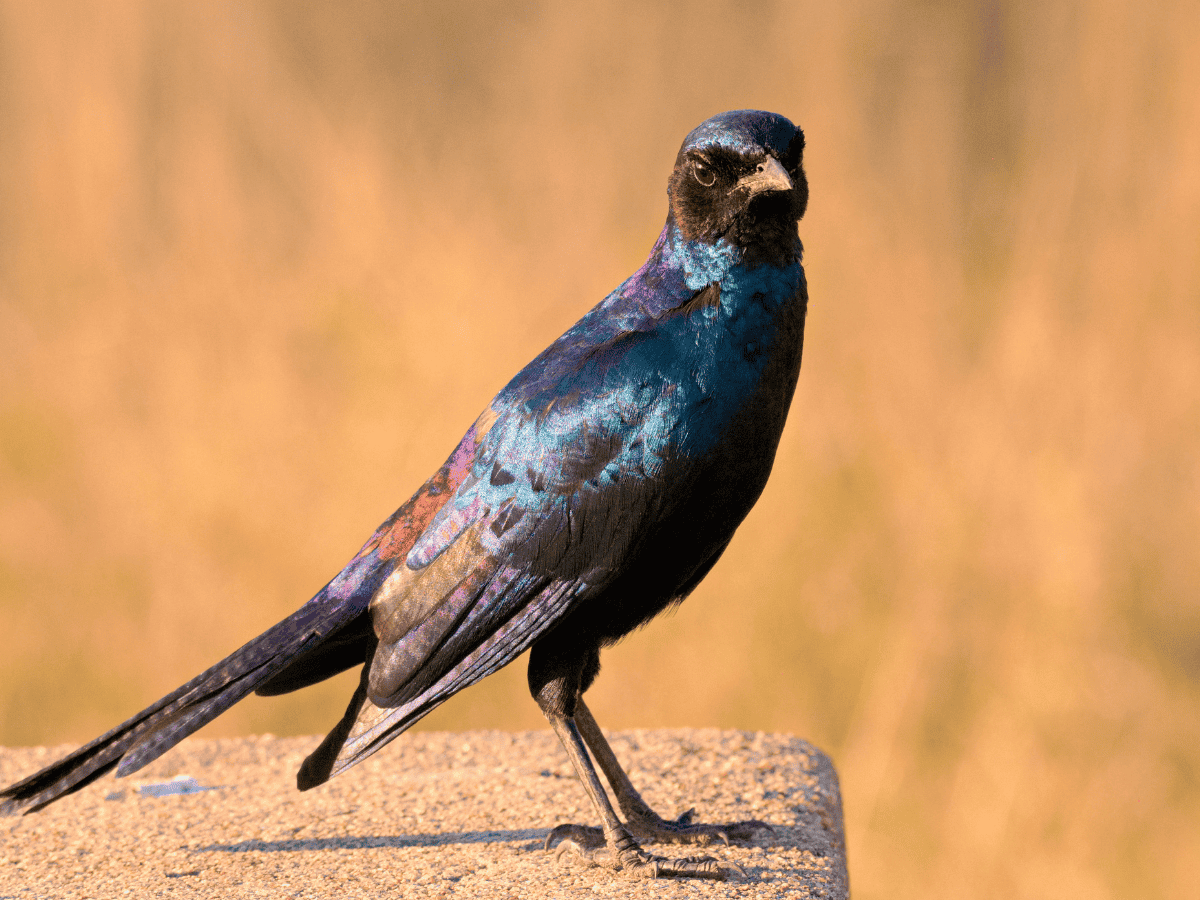
Burchell’s Starling is a medium-sized bird with glossy blue-green plumage that shines in sunlight and a pale eye that stands out clearly. It has a sturdy body and a relatively short tail. Males and females are similar. Its confident posture and tendency to perch in open view help with identification. It can be confused with other starlings, but its colour and pale eye distinguish it.
Behaviour
Burchell’s Starling feeds on insects, fruit, and small prey, foraging both on the ground and in trees. It is often seen in pairs or small groups and may join mixed-species flocks. The species is active and alert, frequently moving between perches. Travellers are most likely to observe it feeding on the ground or perched in open areas.
Diet
Burchell’s Starling feeds primarily on insects, fruits, and small invertebrates. It forages on the ground and in trees, showing flexible feeding behaviour. During wetter periods, increased insect activity supports higher feeding rates. Its varied diet allows it to thrive in different habitats.
Habitat
Burchell’s Starling prefers open savanna and woodland with scattered trees. It is most often found perched in trees or foraging on the ground. This habitat provides both food and visibility. Travellers are most likely to encounter it in open landscapes with mixed vegetation.
Conservation Status
Burchell’s Starling is considered stable and widespread, with no major threats affecting overall populations. Its adaptability supports its resilience. Protected areas such as Kruger National Park and Madikwe Game Reserve help maintain suitable conditions. Conservation of savanna ecosystems supports the species.
Interesting Facts
Burchell’s Starling’s feathers can appear bright blue or green depending on the light. It is often seen in small groups rather than large flocks. Its pale eye gives it a distinctive look. It is a common but attractive bird in many safari areas.
Folklore
Shiny birds are often associated with brightness and presence in African folklore. Burchell’s Starling’s metallic colouring may symbolise energy and visibility. Its confident behaviour reflects awareness. It represents vibrancy within open landscapes.