
Overview
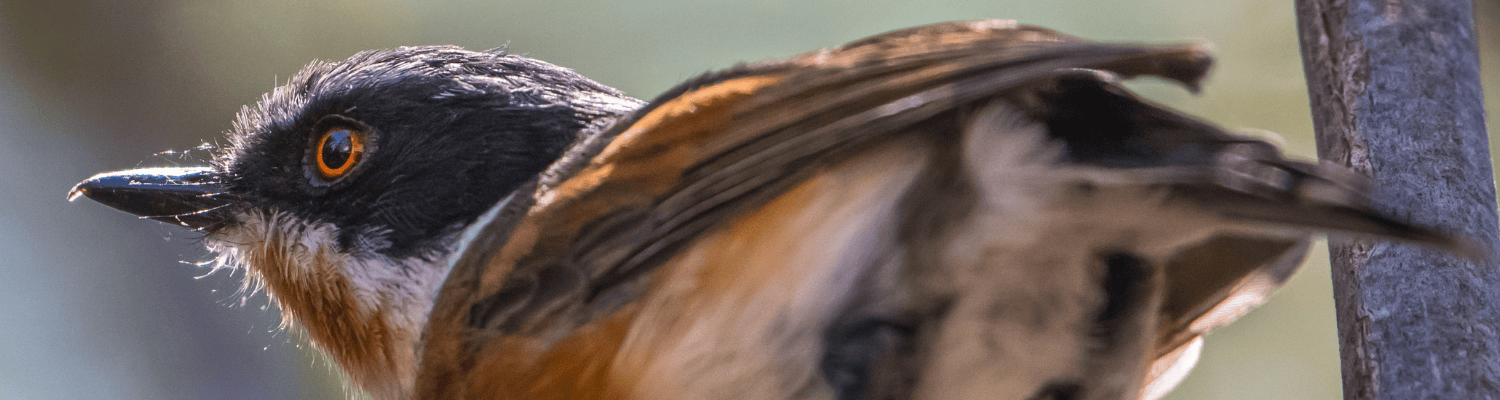
The Cape Batis is a small forest bird with soft grey and white plumage and a subtle black eye stripe. It is found in forests and dense woodlands in South Africa. Usually seen in pairs, it moves actively through the canopy searching for insects. Its gentle appearance and constant movement make it a pleasant addition to forest birding.








Gallery
Summary
Best Places To See
Cape Batis is most reliably found in well-developed forest and dense woodland where insect activity is high and canopy structure is intact. Tsitsikamma National Park offers some of the most consistent sightings due to extensive indigenous forest and accessible trails. Addo Elephant National Park provides a strong complementary option, particularly in well-wooded sections and riverine habitat. These locations are reliable because they combine mature vegetation with good visibility, allowing birders to follow movement within the canopy and locate birds through both behaviour and sound.
Best Time Of Year To See
Cape Batis can be seen throughout the year, but sightings are most consistent during warmer months when insect activity increases and birds become more active. Breeding season brings increased calling and movement, making them easier to locate in dense vegetation. During wetter periods, food availability improves, supporting more frequent feeding. In cooler months, activity may slow slightly, although the species remains present. Summer generally offers the best balance of visibility and activity, despite thicker foliage in forest environments.
Identification
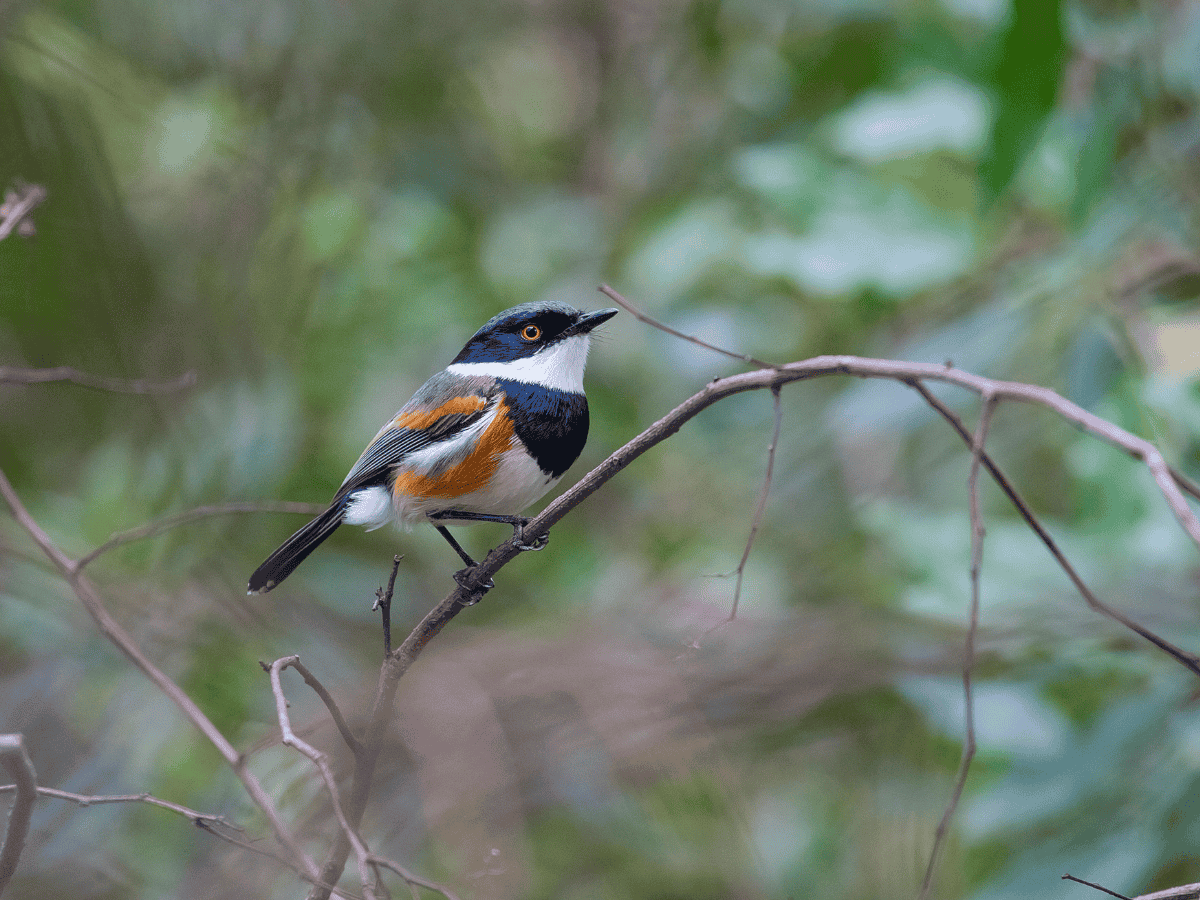
Cape Batis is a small, compact bird with soft grey upperparts, white underparts, and a bold black eye stripe that gives it a distinctive facial expression. It has a short tail and upright posture, often perched alertly on branches. Males and females are similar, though females may show slightly duller tones. Its sharp, repetitive calls are often the first clue to its presence. It can be confused with other batis species, but its range and subtle colour pattern help distinguish it.
Behaviour
Cape Batis feeds mainly on insects, which it catches in short, agile flights from perches within the canopy. It is highly active and usually seen in pairs, moving quickly through branches and foliage. The species often joins mixed-species feeding flocks, increasing its visibility. It produces sharp, repetitive calls, especially during breeding season. Travellers are most likely to notice it darting between branches or pausing briefly before making quick feeding movements.
Diet
Cape Batis feeds primarily on insects, including small flying insects and those found on leaves and branches. It hunts actively by making short flights from perches, catching prey mid-air or picking it from vegetation. Feeding usually occurs within the canopy, where insect activity is highest. During warmer months, increased insect abundance supports more frequent feeding. Its diet is closely linked to forest environments where prey is consistently available.
Habitat
Cape Batis prefers dense forest, woodland, and riverine vegetation where canopy structure is well developed. It is most often found in mid to upper levels of trees, rarely descending to the ground. This habitat provides both cover and feeding opportunities. Travellers are most likely to encounter it along forest trails, in well-wooded reserves, or in areas with continuous tree cover and active birdlife.
Conservation Status
Cape Batis is considered stable and relatively widespread within suitable habitat, with no major threats affecting overall populations. However, it depends on intact forest and woodland, meaning habitat loss can impact local numbers. Protected areas such as Tsitsikamma and Addo help maintain stable populations. Conservation of indigenous forest and responsible tourism play an important role in ensuring the species remains a regular part of forest bird communities.
Interesting Facts
Cape Batis is often seen moving in pairs, with both birds staying close together as they forage through the canopy. Despite its small size, it is highly energetic and constantly active while feeding. It frequently joins mixed-species flocks, making it easier to locate when bird activity is high. Its sharp calls and quick movements make it stand out even in dense forest, where many birds remain hidden.
Folklore
Small, active forest birds are often associated with alertness and awareness in African folklore. The Cape Batis, with its constant movement and sharp calls, may symbolise attentiveness within the forest. Its tendency to move in pairs can reflect themes of partnership and connection. Its presence in dense woodland highlights the idea that even the smallest creatures play an important role in the balance of nature.