
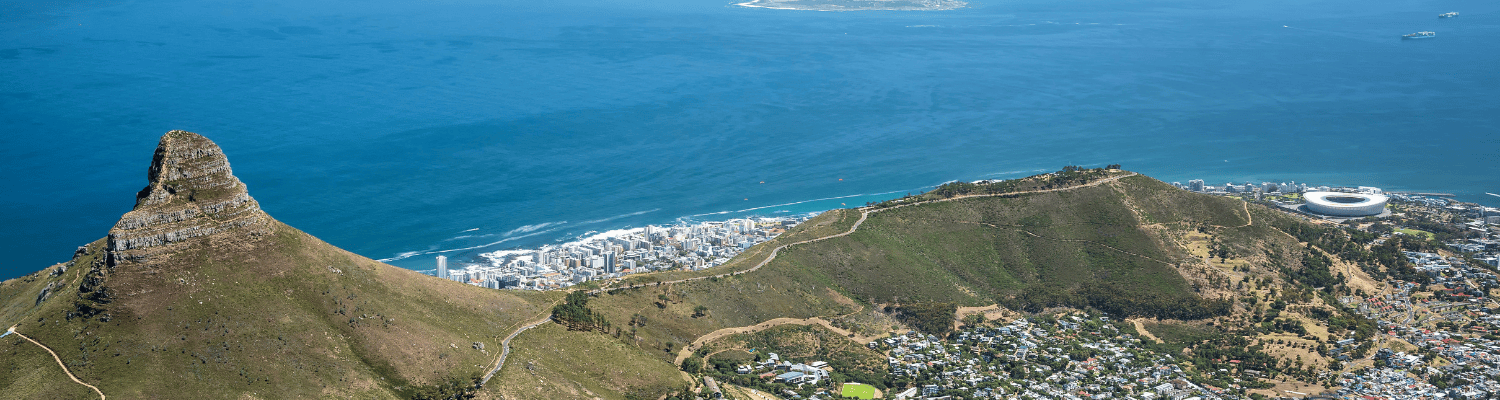
Cape Region | A Complete Travel Guide
Explore landscapes, activities, and travel planning insights in Cape RegionOverview
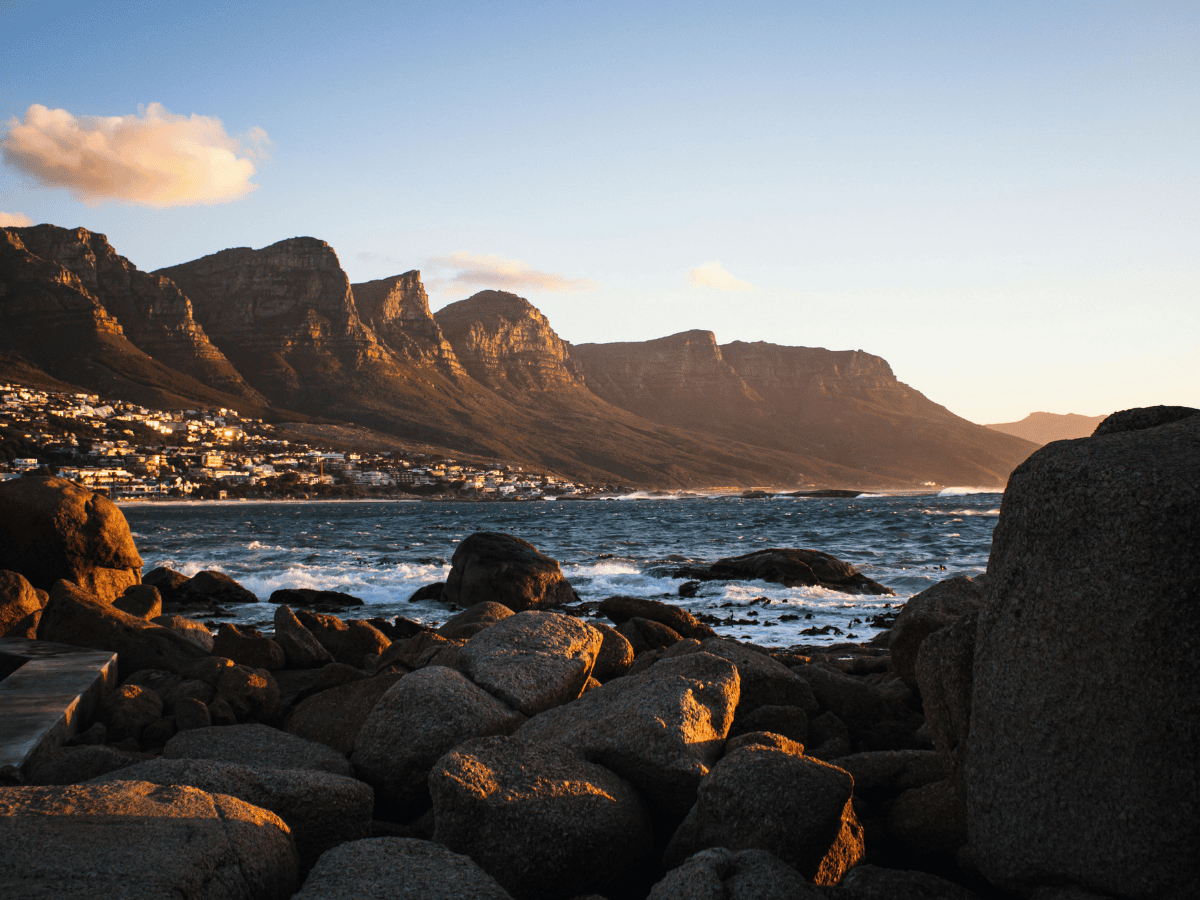
The Cape Region occupies the southwestern tip of South Africa and is best known for its dramatic coastline, world-class wine areas, and the vibrant city of Cape Town. The landscape ranges from rugged mountains and fynbos-covered hills to sandy beaches, coastal cliffs, and fertile valleys. While not a traditional Big Five safari destination, the area offers notable wildlife experiences including marine life such as whales, dolphins, seals, and African penguins, as well as nature reserves with diverse plant and bird species. Travellers typically visit for its scenic beauty, food and wine culture, outdoor activities, and the opportunity to combine city exploration with coastal and nature experiences.


Gallery
Summary
Summary
Why Visit
The Cape Region offers a different kind of safari experience that combines wildlife reserves with some of South Africa’s most famous landscapes. Travellers visit for its dramatic coastline, mountains, and Mediterranean-style climate. While the region is not known for vast wilderness areas like Kruger, several well-managed reserves offer Big Five safaris close to Cape Town. The region is distinctive because visitors can easily combine wildlife viewing with beaches, wine regions, scenic drives, and vibrant cities.
Pros & Cons
⊕ Easy to combine safari with Cape Town, beaches, and wine regions
⊕ Malaria-free safari areas suitable for families
⊕ Accessible reserves within driving distance of major cities
⊕ Beautiful coastal and mountain landscapes
⊕ Good option for shorter safaris or first-time visitors
⊖ Wildlife density is generally lower than in major safari ecosystems
⊖ Many reserves are smaller and fenced
⊖ Safari experiences can feel less remote than traditional wilderness areas
Highlights
The Cape Region is best known for its scenic diversity. Table Mountain and the Cape Peninsula provide dramatic coastal landscapes, while the Garden Route stretches along the southern coastline with forests, beaches, and lagoons. Several private reserves in the Eastern Cape and near the Garden Route offer Big Five safaris. The region is also famous for the Cape Winelands, coastal drives such as Chapman’s Peak, and marine wildlife including whales, dolphins, and seals.
› More About Highlights
Wildlife
Wildlife viewing in the Cape Region mainly takes place in private reserves rather than large national parks. These reserves support populations of the Big Five along with giraffe, zebra, and a range of antelope species. The region is also known for marine wildlife, including southern right whales, dolphins, penguins, and seals along the coastline. Birdlife is strong across coastal and mountain habitats.
› More About Wildlife
Parks & Reserves
Several private reserves offer safari experiences within the Cape Region. Notable areas include Shamwari Private Game Reserve, Kwandwe Private Game Reserve, and Amakhala Private Game Reserve in the Eastern Cape. These reserves provide guided game drives in well-managed conservation areas. Although smaller than some major safari parks, they offer convenient wildlife viewing near the coast.
› More About Parks & Reserves
Best Time To Visit
The Cape Region has a Mediterranean climate with mild winters and warm summers. Wildlife viewing is possible year-round in private reserves. The dry summer months from November to March offer warm weather and clear skies, while winter from June to August brings cooler temperatures and occasional rain. Whale watching along the coast is best from June to October.
› Explore Best Time To Visit
Access & Getting There
Most visitors reach the Cape Region through Cape Town International Airport, which has regular international and domestic connections. From Cape Town, travellers can drive to nearby reserves or continue along the Garden Route. The Eastern Cape safari reserves are also accessible via flights to Port Elizabeth or by road from major coastal towns.
› Explore Access & Getting There
Health & Safety
The Cape Region is malaria-free, making it a comfortable choice for many travellers. Safari activities take place in well-managed private reserves with trained guides. Visitors should follow guide instructions during wildlife encounters. Standard travel precautions are recommended when exploring cities, coastal areas, and rural destinations across the region.
› Explore Health & Safety
Highlights
The Cape Region is defined by dramatic coastlines, rugged mountains, and a rich blend of nature and culture along South Africa’s southwestern tip. The area is best known for Cape Town and Table Mountain, the scenic Cape Peninsula, and the nearby Cape Winelands. Travellers explore coastal drives, historic towns, and marine wildlife along the Atlantic and Indian Ocean shores. The region combines world-renowned scenery with outdoor activities, making it one of the most visually striking and culturally vibrant parts of South Africa.
Cape Town and Table Mountain
Cape Town is the cultural and scenic centre of the Cape Region, set between the Atlantic Ocean and the iconic flat-topped Table Mountain. Visitors ride the cableway or hike to the summit for sweeping views over the city and coastline. The surrounding areas include historic neighbourhoods, the Victoria & Alfred Waterfront, and access to nearby beaches and nature reserves.
› More About Cape Town and Table Mountain
Cape Peninsula
The Cape Peninsula stretches south from Cape Town to the dramatic cliffs of Cape Point and the Cape of Good Hope. This scenic route is famous for coastal drives along Chapman’s Peak, windswept headlands, and rugged ocean views. Travellers often encounter wildlife such as baboons, ostriches, and seabirds while exploring beaches, coves, and viewpoints along the peninsula.
› More About Cape Peninsula
Boulders Beach Penguin Colony
Boulders Beach near Simon’s Town is one of the few places in the world where visitors can observe African penguins up close in a natural coastal setting. The sheltered beaches and granite boulders create a protected environment where the colony breeds and raises chicks. Boardwalks allow travellers to view the penguins while preserving the fragile coastal habitat.
› More About Boulders Beach Penguin Colony
Cape Floral Kingdom
The Cape Region forms part of the Cape Floral Kingdom, one of the world’s richest centres of plant diversity. This unique ecosystem is dominated by fynbos vegetation, which includes thousands of endemic plant species. During spring, wildflowers blanket hillsides and valleys, while year-round visitors can explore botanical gardens, mountain trails, and nature reserves showcasing the region’s distinctive flora.
› More About Cape Floral Kingdom
Hermanus Whale Coast
The coastal town of Hermanus is internationally recognised as one of the best land-based whale watching destinations in the world. Between June and November, southern right whales gather in the sheltered bays along the coastline. Visitors can observe these large marine mammals from cliffside paths and viewing points as they rest, surface, and occasionally breach close to shore.
› More About Hermanus Whale Coast
Activities & Experiences
The Cape Region is defined by its scenic coastal landscapes, vibrant cities, and world-class food and wine experiences. Travellers visit for a combination of iconic sightseeing, marine wildlife encounters, and cultural exploration rather than traditional safari. Highlights include exploring Cape Town, driving along the Cape Peninsula, visiting nearby wine regions, and experiencing ocean-based activities such as whale watching and shark cage diving, making it one of South Africa’s most diverse travel regions.
Full Day Cape Town City & Table Mountain Tour
This is one of the most iconic experiences in the Cape Region, combining city exploration with natural scenery. Travellers visit major landmarks such as Table Mountain, the V&A Waterfront, and surrounding viewpoints. The experience offers a balance of culture, history, and panoramic landscapes, making it a central part of any visit to the region.
› More About Activity
Full Day Cape Peninsula Tour
The Cape Peninsula Tour showcases some of the most dramatic coastal scenery in South Africa. Travellers follow routes such as Chapman’s Peak Drive, visit Cape Point, and stop at beaches and wildlife areas along the way. The combination of ocean views, rugged cliffs, and diverse ecosystems makes this a defining regional experience.
› More About Activity
Full Day Winelands Tour
The Cape Winelands Tour offers access to some of the world’s most renowned wine regions, including Stellenbosch and Franschhoek. Travellers visit historic estates, sample wines, and enjoy scenic vineyard landscapes framed by mountains. This experience is central to the Cape Region’s identity, blending gastronomy, history, and natural beauty.
› More About Activity
Shark cage diving
Shark cage diving is one of the most unique marine experiences in the Cape Region. Typically based in coastal areas such as Gansbaai, this activity allows travellers to safely observe great white sharks up close from within a protective cage. It offers a rare and thrilling perspective on one of the ocean’s top predators.
› More About Activity
Other Notable Activities & Experiences
Other notable activities & experiences in this country
- Whale Watching
Scuba Diving
Snorkelling
Cultural Activities
Birding
When To Go
The Cape Region is a year-round destination, with each season offering a different type of experience. Summer brings warm, dry weather ideal for beaches, outdoor dining, and exploring the coastline, but it is also the busiest period. Winter introduces cooler temperatures, dramatic scenery, and quieter cities, with occasional rain. Spring and autumn provide a balance of good weather and lower crowds. Overall, expect peak energy in summer and more relaxed, scenic experiences in the shoulder and winter months.
Best Time To Visit
The best time to visit the Cape Region is from November to March, when warm, dry weather creates ideal conditions for beaches, sightseeing, and outdoor experiences. Long sunny days, clear skies, and vibrant coastal energy define this period. While it is the busiest time of year, it delivers the most reliable conditions for enjoying everything from city life to scenic drives.
Best Time To Visit Major Game Parks | ||
Jan | Feb | Mar |
Apr | May | Jun |
July | Aug | Sep |
Oct | Nov | Dec |
= Excellent = Good = Fair = Poor
Understanding The Seasons
The Cape Region follows a Mediterranean climate, with dry summers and wet winters. Summer (November to March) is warm and sunny, ideal for outdoor activities and coastal travel, but also the busiest period. Winter (May to August) brings cooler temperatures and rainfall, creating greener landscapes and fewer crowds. Spring and autumn act as transition periods, offering mild weather, blooming scenery, and a more relaxed travel pace.
| Major Game Parks | |
| Best Time To Visit | November to March |
| High Season | December to February |
| Low Season | May to August |
| Best Weather | November to March |
| Worst Weather | June to July |
| Rainy Season | May to August |
| Dry Season | November to March |
Pros & Cons For Travel Seasons in Major Game Parks
November to March - Dry Season - Summer- ☀️ ⊕ Warm, sunny weather ideal for outdoor activities | May to August - Green Season - Winter - 🌧️ ⊕ Fewer tourists and quieter attractions |
❄️ Winter - May to September
May - Shoulder Season
Temperatures begin to drop, and rainfall increases. The region becomes quieter, with fewer tourists and a more relaxed pace. Scenery starts to turn greener, and conditions are comfortable for city exploration, though outdoor plans may be affected by changing weather.
June, July & August - Low Season
Cool and wet conditions dominate, with frequent rain and overcast skies. Visitor numbers are at their lowest, creating a quiet and peaceful atmosphere. This is a slower travel period, best suited for relaxed experiences rather than outdoor-focused activities.
September - low Season
Rain begins to ease slightly, and temperatures start to rise. The landscape remains green, and early signs of seasonal change appear. Visitor numbers remain low, offering a quieter experience with improving conditions toward the end of the month.
🔥 Summer - October to April
October - Shoulder Season
Spring arrives with milder temperatures and blooming landscapes. Weather becomes more stable, and outdoor activities become more enjoyable. Visitor numbers are moderate, offering a balance between good conditions and fewer crowds compared to peak summer.
November - Shoulder Season
Warm, dry conditions settle in, marking the start of summer. Beaches, outdoor dining, and scenic drives become highly enjoyable. Visitor numbers begin to increase, and the region starts to feel more energetic and vibrant.
December (1 to 19) - Peak Season
Summer is in full swing with hot, dry days and lively coastal energy. Outdoor experiences are at their best, and the region becomes increasingly busy. Visitor numbers rise steadily as the festive period approaches.
December & January (20 Dec to 5 Jan) - Peak Season (Festive)
This is the busiest period of the year, with high tourism density across cities, beaches, and attractions. The atmosphere is vibrant and energetic, with hot weather and long days. Advance booking is essential due to high demand.
January, February & March - Peak Season
Hot, dry conditions continue with consistent sunshine. This is the best time for beaches, outdoor dining, and exploring the coastline. Visitor numbers remain high, especially in January, before easing slightly into February and March.
April - Shoulder Season
Temperatures begin to cool, and conditions become more stable. Crowds start to thin out, and the pace becomes more relaxed. This is a comfortable time for travel, offering a balance between good weather and fewer tourists.
How To Get Here
The Cape Region is most easily accessed via Cape Town International Airport, which serves as one of South Africa’s main international entry points. Travellers can fly directly into Cape Town from major global hubs or connect via Johannesburg. From the airport, most destinations within the region are reached by road, with self-drive and private transfers being the most common options. Distances are generally short, making travel simple and flexible without the need for additional flights.
Main Airports In Cape Region
Cape Town International Airport (CPT) – Cape Town
This is the primary gateway to the Cape Region and one of Africa’s busiest airports. It offers strong international and domestic connections. From here, travellers can easily access Cape Town, the Cape Winelands, and surrounding coastal areas via short road transfers or self-drive routes.
Find Flights To Cape Region
Travellers can fly directly into Cape Town International Airport from many international destinations or connect via Johannesburg. Domestic flights to George or Plettenberg Bay are also available for those exploring further along the coast. Travellers can use the links below to compare routes, airlines, and pricing based on their preferred entry point.
› www.skyscanner.com
› www.travelstart.co.za
Domestic Airlines & Internal Flights In Cape Region
Domestic flights connect Cape Town with major cities such as Johannesburg and Durban, as well as regional hubs like George. These routes are frequent and efficient, making it easy to move within the region. Most travel within the Cape Region is done by road, although light aircraft and charter flights are available for select destinations along the coast or in more remote areas.
› Airlink – (Commercial) – Connects Cape Town with George, Johannesburg, and other major cities
› FlySafair – (Commercial) – Operates frequent and affordable flights between Cape Town and major hubs
› CemAir – (Commercial) – Flies between Cape Town and regional airports including Plettenberg Bay
Travel Information
The Cape Region is a highly accessible and well-developed part of South Africa, centred around Cape Town and its surrounding landscapes. It includes coastal reserves, mountains, and scenic routes rather than traditional safari areas. Roads and infrastructure are excellent, and travel between destinations is straightforward. While the region is easy to explore, travellers should plan routes, stay aware in busy areas, and allow time for longer scenic drives.
Malaria Information
The Cape Region is a malaria-free area, with no risk of malaria across Cape Town and surrounding destinations. Preventative medication is not required. Travellers can explore the region with peace of mind while still using basic precautions such as insect repellent for general comfort, especially in warmer months or near water. Overall, health risks are minimal and easy to manage.
Staying Safe In Wildlife Areas
Wildlife experiences in the Cape Region are generally guided or take place in controlled environments such as reserves and coastal areas. Always follow instructions from guides and respect boundaries set for safety. Keep a safe distance from animals, including marine wildlife, and avoid feeding or approaching them. Staying aware of surroundings, especially along coastlines and walking trails, ensures a safe and enjoyable experience.
Staying Safe In Major Cities
Cities and towns such as Cape Town, Stellenbosch, and Hermanus are popular and easy to navigate. Travellers should use trusted transport, keep valuables secure, and remain aware in busy or unfamiliar areas. Avoid walking alone at night in quiet areas and plan journeys in advance. With simple precautions, travellers can move comfortably and confidently throughout the region.
LGBTQ + Safety Guidance
South Africa offers strong legal protections for LGBTQ+ individuals, and the Cape Region is widely regarded as one of the most inclusive areas in the country. Cape Town, in particular, is known for its welcoming and open-minded atmosphere. Tourism spaces are professional and inclusive. As with any destination, a level of awareness is useful, but most travellers can expect a comfortable and respectful experience.