
Overview
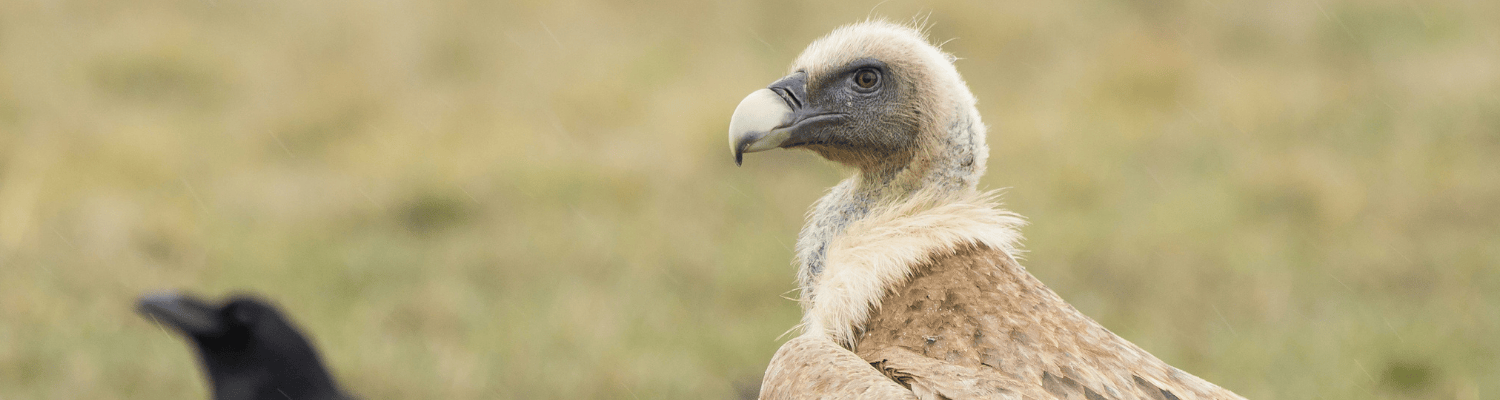
The Cape Vulture is a large, pale vulture found mainly in Southern Africa. It prefers mountainous and open areas where it can soar on rising air currents. Often seen gliding in groups, it feeds on carrion. Its graceful flight and regional importance make it a significant species for conservation awareness.







Gallery
Summary
Best Places To See
The Cape Vulture is most reliably found in mountainous areas and nearby open plains where colonies nest on cliffs and birds forage widely for food. Marakele National Park offers some of the most consistent sightings, particularly around its well-known cliffside breeding colonies where birds can be seen soaring at close range. Addo Elephant National Park provides a strong complementary option, with surrounding landscapes that support foraging activity. These locations are reliable because secure nesting sites and nearby wildlife-rich areas allow for both breeding and feeding within accessible viewing range.
Best Time Of Year To See
The Cape Vulture can be seen throughout the year, with consistently good visibility due to its reliance on soaring and scavenging behaviour rather than seasonal food sources. Sightings are often most rewarding during warmer months when thermal currents are strong, allowing birds to glide effortlessly at lower, more visible heights. Dry conditions can also concentrate food sources, increasing activity. Midday is particularly productive, when birds take advantage of rising air to soar and search for carcasses across large distances.
Identification
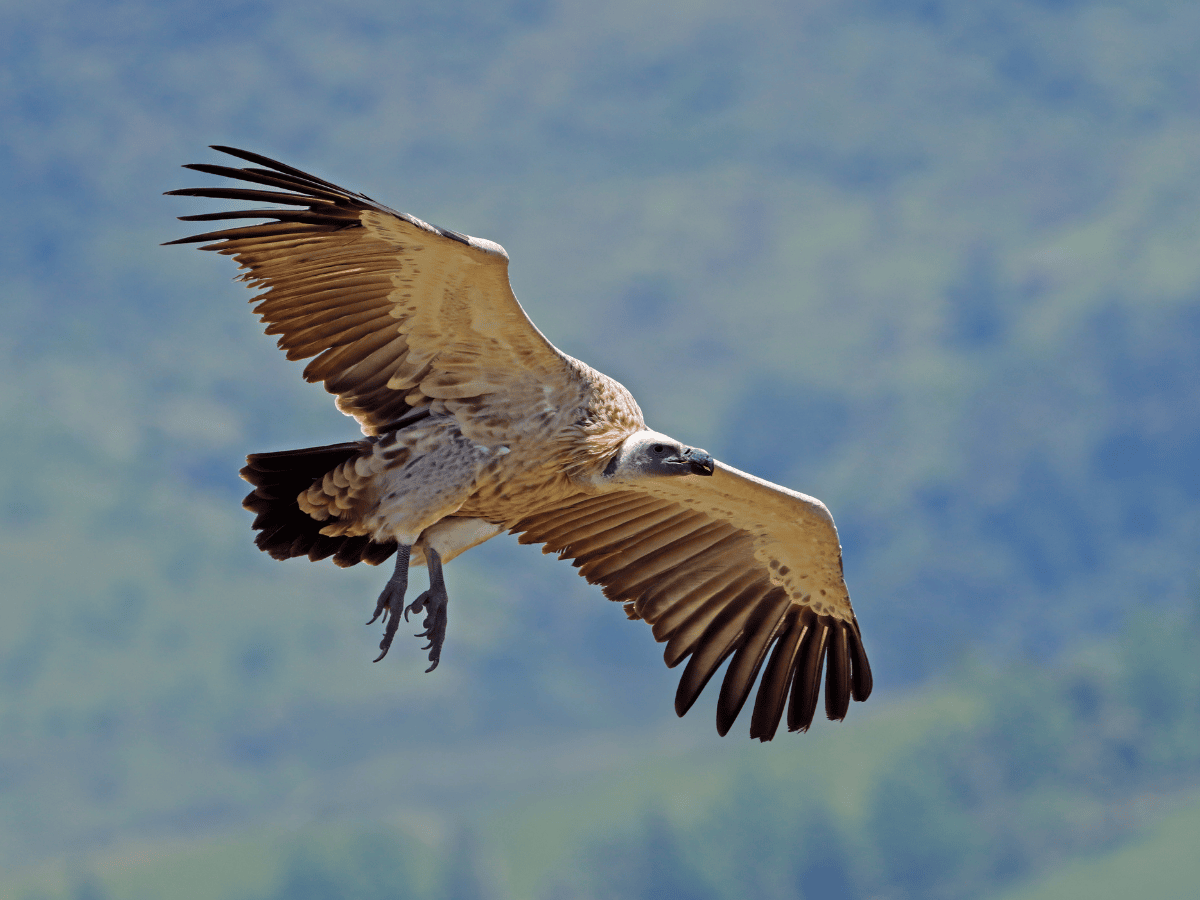
The Cape Vulture is a large vulture with pale brown to cream plumage, contrasting darker flight feathers, and a relatively short tail. It has a bare head and neck, often appearing pale with a slightly fluffy collar. In flight, its broad wings and light colouring make it distinctive against the sky. Males and females are similar in appearance. It can be confused with other vultures, but its pale body and strong association with cliff colonies help distinguish it.
Behaviour
The Cape Vulture feeds exclusively on carrion, often locating food by soaring high and watching for other scavengers or predator activity. It is highly social and often gathers in large groups at carcasses or nesting sites. It spends much of the day soaring on thermal currents to conserve energy. Travellers are most likely to observe it circling overhead in groups or gliding near cliff faces where colonies are located.
Diet
The Cape Vulture feeds entirely on carrion, consuming the remains of dead animals. It relies on its strong bill to tear flesh and often feeds in large groups at carcasses. Feeding activity is not strongly seasonal, but dry conditions can concentrate food sources and increase visibility of feeding events. Its role as a scavenger is essential for maintaining ecosystem health and preventing the spread of disease.
Habitat
The Cape Vulture prefers mountainous regions with cliff faces for nesting, combined with nearby open savanna or grassland for feeding. It is most often seen soaring over open landscapes or near breeding colonies on cliffs. This habitat supports both reproduction and wide-ranging foraging. Travellers are most likely to encounter it near mountainous reserves with accessible viewpoints and open terrain.
Conservation Status
The Cape Vulture is considered vulnerable, with populations declining due to poisoning, power line collisions, and habitat disturbance. As a species with specific nesting requirements, it is particularly sensitive to environmental changes. Protected areas such as Marakele National Park and Addo Elephant National Park play a key role in supporting breeding populations. Conservation efforts focus on protecting nesting sites and reducing human-related threats. Responsible tourism and awareness are important for its survival.
Interesting Facts
The Cape Vulture is one of the few vulture species endemic to Southern Africa. It nests in large colonies on cliff faces, sometimes with hundreds of individuals. It can soar for hours without flapping, using thermal currents to travel long distances. Its pale colouring makes it highly visible when gliding against the sky, especially in bright conditions.
Folklore
Vultures are often associated with cleansing and renewal in African folklore due to their role in removing carrion. The Cape Vulture’s presence may symbolise purification and the continuation of life cycles. Its ability to soar high above the land reflects perspective and awareness. In some interpretations, vultures represent transformation and balance, reinforcing their importance within natural systems and cultural understanding of life and death.