
Caracal | A Complete Safari Guide
Learn about caracal behaviour and where sightings occur on safariOverview
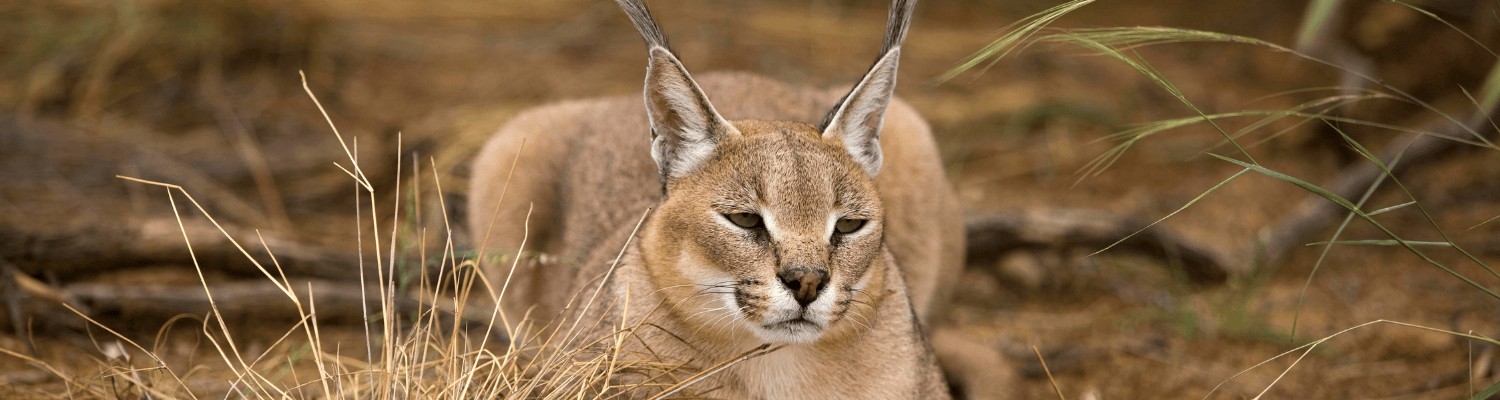
The caracal is a sleek and powerful medium-sized cat, known for its reddish coat and distinctive black ear tufts. It is found across much of Africa, especially in dry savannas, semi-desert areas, and open bush. Caracals are solitary and highly elusive, often active at night, which makes sightings rare. They are known for their incredible agility and ability to leap high into the air to catch birds. For travellers, a caracal sighting is a special and memorable moment, adding a sense of rarity to the safari experience.










Gallery
Summary
Best Places To See
Caracal are most reliably seen in open, arid environments where visibility is high and night drives are permitted, with Kgalagadi Transfrontier National Park standing out as a flagship destination due to regular sightings in open riverbeds and sparse vegetation. In South Africa, Tswalu Kalahari offers some of the best chances of seeing caracal, supported by expert tracking and low tourism density. In Namibia, Etosha National Park provides occasional sightings, particularly in quieter areas, while private reserves such as Phinda Private Game Reserve can deliver rare but high-quality encounters in varied habitat where skilled guides significantly improve sighting success.
Best Time Of Year To See
The best time to see caracals is during the dry season, when reduced vegetation improves visibility in open and semi-arid habitats. They are elusive and mostly active at dawn, dusk, and night. In the wet season, thicker vegetation makes sightings more difficult, although they remain present across a wide range of habitats.
Identification
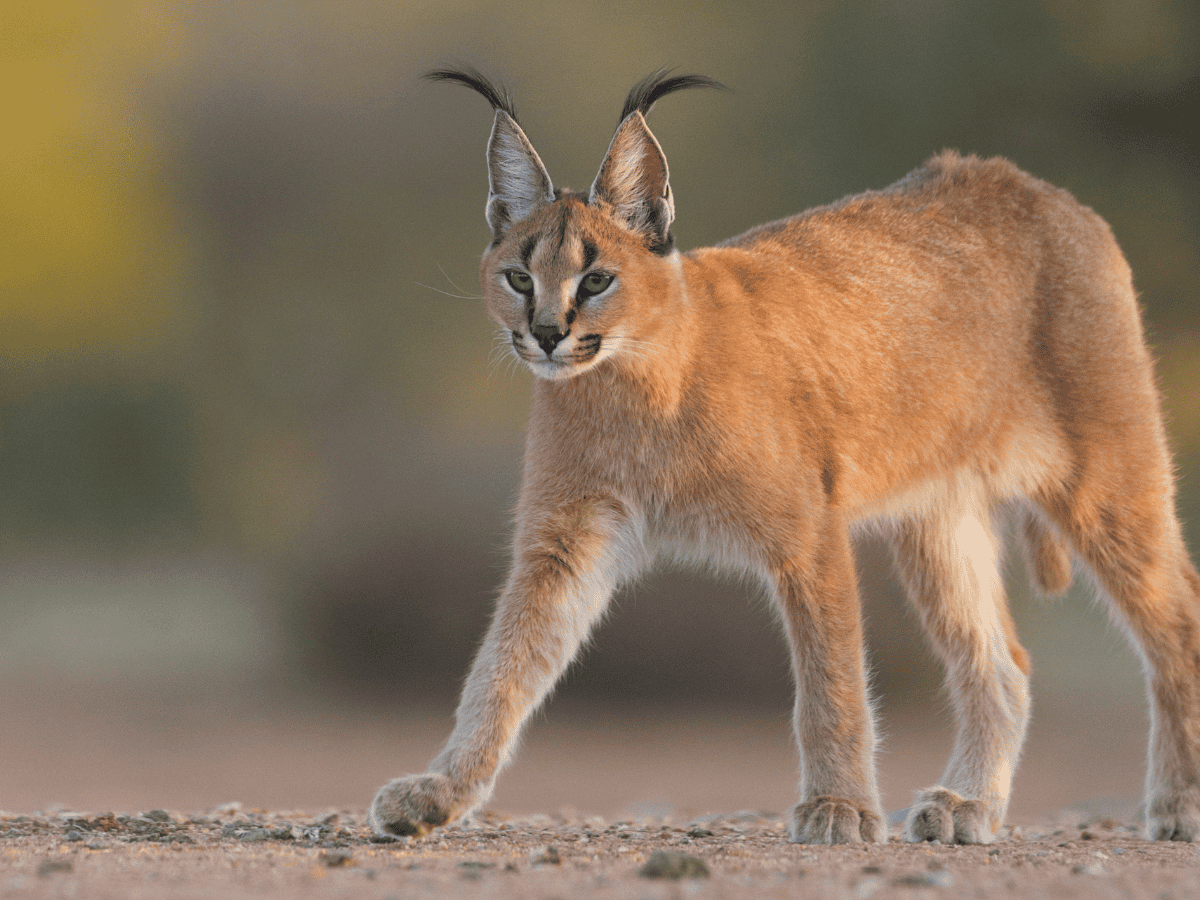
Caracals are medium-sized cats with reddish coats and long black ear tufts. They have no spots and a sleek build. Both sexes look similar. They may be confused with servals, but caracals lack spots and have shorter legs.
Behaviour
Caracals are solitary predators that feed mainly on small to medium mammals and birds, using stealth and explosive speed to hunt. They rely on cover, stalking quietly before launching powerful leaps, often catching birds mid-air. They are mostly active at night but can be seen during early morning or late afternoon. Each individual maintains a territory, marked with scent. Breeding can occur year-round, with females raising young alone. On safari, travellers may observe a caracal moving low through grass, pausing to listen, or suddenly sprinting after prey before disappearing into thicker vegetation.
Diet
Caracals are carnivores that hunt small to medium-sized animals such as rodents, birds, and small antelope. They rely on stealth and speed, often stalking prey before making a quick attack. They are known for their ability to leap high into the air to catch birds. They hunt mostly at night or during cooler hours. Their diet depends on what is available in their territory. They may also scavenge when needed. Their hunting style is fast and efficient.
Habitat
Caracals inhabit savanna, semi-desert, and scrubland where cover is available for stalking prey. Their habitat supports stealth and hunting efficiency. They prefer areas with tall grass or shrubs and avoid dense forests. Terrain is often open with patches of cover. Travellers rarely see caracals, but sightings are most likely in quieter reserves with open landscapes where their elusive nature and quick movements make encounters brief.
Conservation Status
Caracals are listed as least concern, with stable populations across their range. Their main threats include habitat loss and persecution due to livestock predation. They are adaptable and survive in various environments. Strong populations exist in protected areas. Safari tourism supports these ecosystems and helps protect caracals.
Interesting Facts
Caracals are medium-sized cats known for their long, black-tufted ears and incredible jumping ability. They can leap several metres into the air to catch birds in flight. Caracals are solitary and highly elusive, often active at night. Their reddish coat provides excellent camouflage in dry environments. Despite their size, they are skilled hunters and can take down prey larger than themselves, making them formidable predators.
Folklore
Caracals are associated with agility, independence, and precision. Their ability to leap high and hunt effectively has made them symbols of skill and focus. In some traditions, they represent sharp awareness and self-reliance. Their presence reinforces the importance of precision and adaptability.