
Chinspot Batis | A Complete Birding Guide
Discover Chinspot Batis identification and where to find itOverview
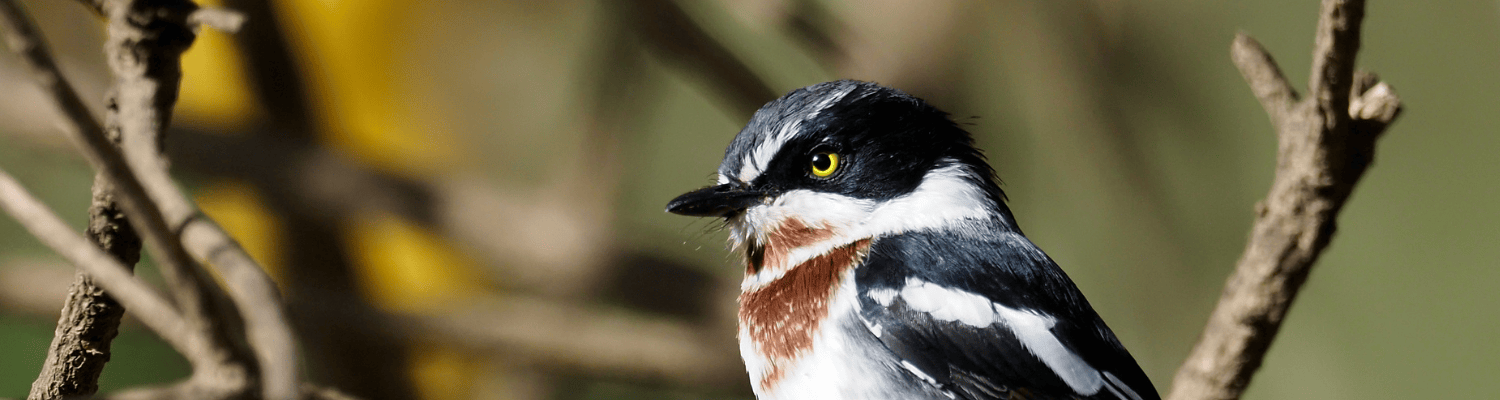
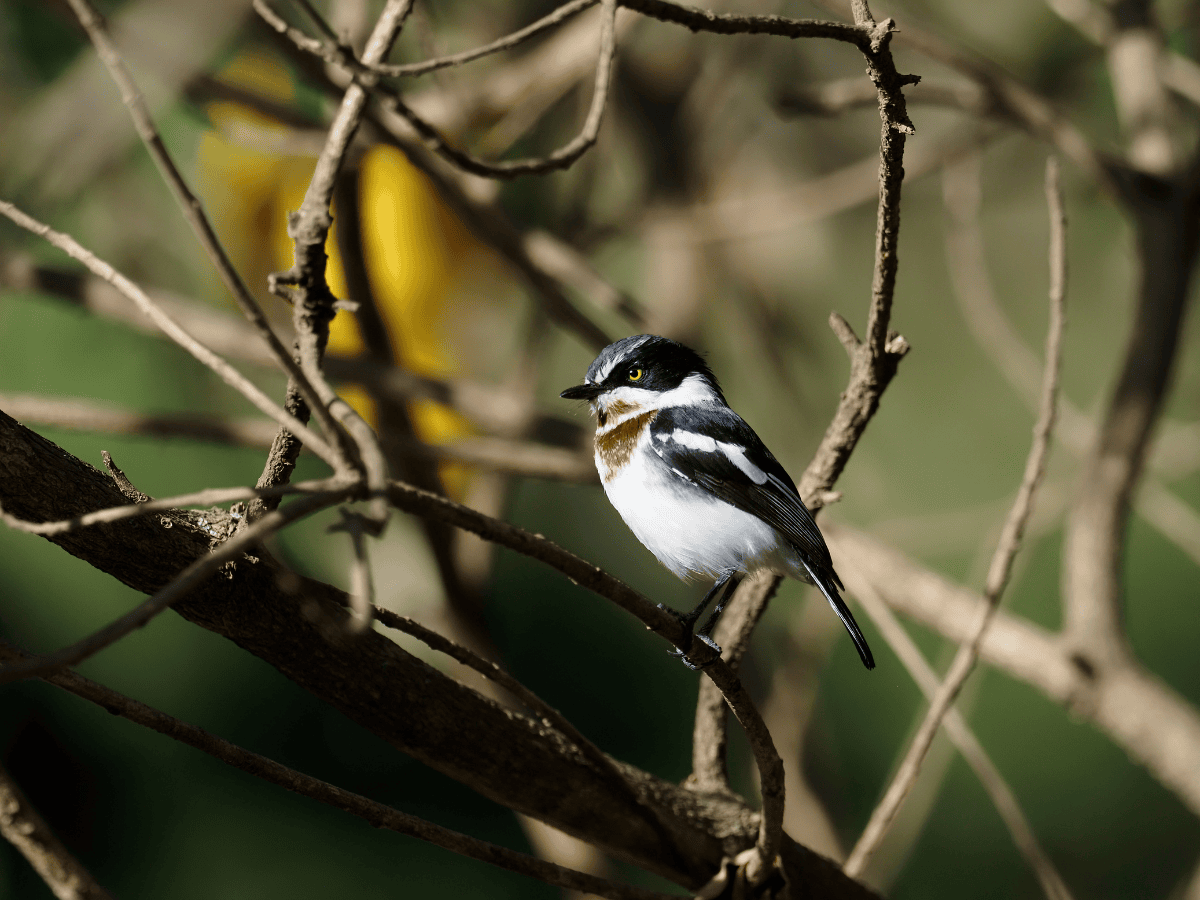
The Chinspot Batis is a small, active bird with bold black, white, and grey markings and a distinctive spotted chin. It is found in woodlands and forests across parts of Southern Africa. Often moving quickly through branches, it catches insects in short bursts. Its lively behaviour and striking pattern make it a fun and engaging species to watch.









Gallery
Summary
Best Places To See
Chinspot Batis is most reliably found in woodland and forest edge habitats where insect activity is high. Kruger National Park offers consistent sightings, particularly in well-wooded areas with mixed vegetation. iSimangaliso Wetland Park provides a strong complementary option with coastal forest and woodland habitats. These areas are reliable because they support high insect density and mixed-species flocks, increasing chances of detection.
Best Time Of Year To See
Chinspot Batis can be seen year-round, but sightings are most consistent during warmer months when insect activity is high. Increased food availability encourages more movement and feeding behaviour. Breeding season also brings more vocal activity. During cooler months, activity may decrease slightly. Summer generally offers the best conditions for frequent sightings.
Identification
Chinspot Batis is a small bird with bold black and white markings, a grey back, and a distinctive spotted chin. It has a short tail and an upright posture. Males and females are similar, though subtle differences may occur. It is often identified by its active movement and sharp calls. It can be confused with other batis species, but the chin marking helps distinguish it.
Behaviour
Chinspot Batis feeds mainly on insects, catching them in quick flights from perches. It is highly active and often moves through branches in pairs. The species frequently joins mixed-species flocks. It produces sharp, repetitive calls. Travellers are most likely to notice it moving quickly through vegetation while feeding.
Diet
Chinspot Batis feeds primarily on insects, which it catches in flight or picks from leaves and branches. It hunts actively, making short flights to capture prey. Feeding takes place mainly in trees and shrubs. Insect availability during warmer months supports higher feeding activity.
Habitat
Chinspot Batis prefers woodland, forest edges, and riverine vegetation where insect life is abundant. It is most often found in trees and shrubs rather than on the ground. This habitat provides both food and cover. Travellers are likely to encounter it in well-wooded areas and along forest edges.
Conservation Status
Chinspot Batis is generally stable and widespread, with no major threats affecting its population. It adapts well to a range of woodland habitats. Protected areas such as Kruger and iSimangaliso support healthy populations. Conservation of woodland ecosystems helps maintain its presence.
Interesting Facts
Chinspot Batis is known for its constant movement and quick feeding behaviour. It often works in pairs, moving together through trees. Its bold black and white pattern makes it stand out despite its small size. It is also a regular participant in mixed-species flocks.
Folklore
Small, active birds are often associated with alertness and energy in African folklore. The Chinspot Batis, with its constant movement, may symbolise attentiveness and awareness. Its presence in mixed flocks reflects ideas of cooperation and community in nature.