

Conservation Activities | A Complete Safari Experience Guide
Learn how conservation activities work and how you can participateOverview
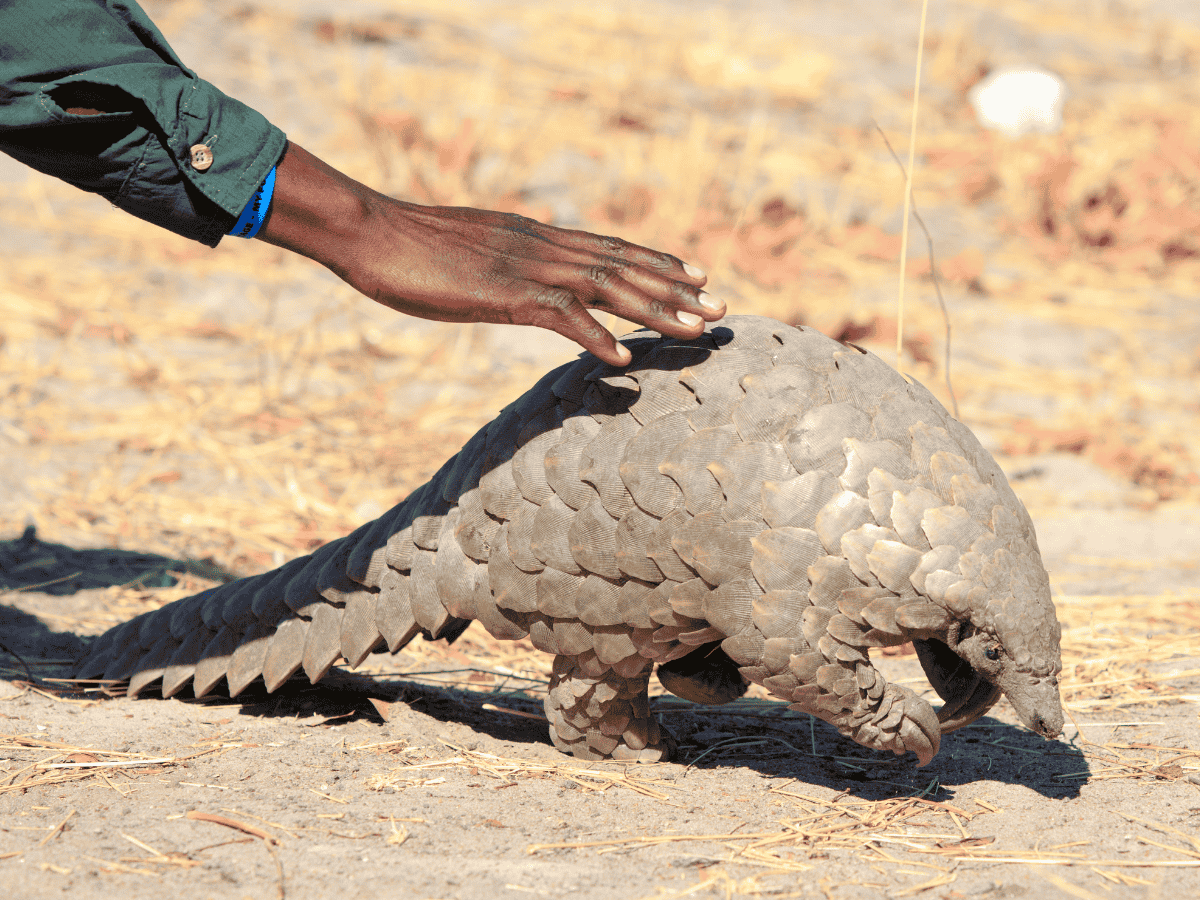
Conservation activities give travellers the opportunity to learn about and, in some cases, take part in efforts to protect wildlife and natural ecosystems. These experiences may include tracking animals with researchers, visiting conservation projects, or observing wildlife management practices. Travellers can expect an educational and meaningful experience that goes beyond traditional sightseeing. It is popular because it creates a deeper connection to the destination and its purpose. Conservation activities are widely available across Africa, particularly in private reserves and protected areas, and are increasingly offered in nature-focused destinations around the world.









Gallery
Summary
What To Expect
Conservation activities usually begin with an introduction from a guide or specialist, explaining the purpose of the work and the challenges being addressed. Travellers can expect to take part in hands-on or observational experiences, such as tracking animals, assisting with monitoring, or learning about habitat management. The pace is purposeful and engaging, with a strong focus on learning and participation. The experience feels meaningful and immersive, offering a deeper understanding of conservation efforts and a sense of contributing to the protection of wildlife and ecosystems.
Where To Experience
Conservation activities are commonly experienced in private reserves where active wildlife management and research take place, such as Phinda Private Game Reserve, Tswalu Kalahari, and Shamwari Private Game Reserve. They are also offered in areas like Marataba Private Game Reserve and Welgevonden Private Game Reserve, where conservation forms a core part of the experience. These locations are well suited to this activity due to their strong conservation focus, controlled environments, and opportunities for guests to engage directly with ongoing wildlife and habitat protection efforts.
Best Time Of Year
Conservation activities can be experienced year-round, but conditions are often best during the dry season when wildlife is easier to locate and monitoring efforts are more efficient. Reduced vegetation improves visibility, and cooler temperatures can make participation more comfortable. In the wet season, landscapes are greener and more dynamic, though access and tracking may be more challenging. The experience remains meaningful in all seasons, with different conservation activities taking priority depending on environmental conditions and wildlife behaviour.
Who Is This Activity Best For
Conservation activities are best suited to immersive travellers who want to understand and contribute to the protection of wildlife and ecosystems. They also appeal to adventurous travellers who enjoy hands-on or behind-the-scenes experiences. Luxury travellers can access more exclusive, guided conservation programmes, while family travellers may find them engaging and educational when appropriate for age. Relaxing travellers may prefer lighter, observational versions, and collectors will value these experiences as meaningful and unique opportunities to connect with conservation efforts.
Difficulty & Accessibility
Conservation activities can range from easy to moderately demanding, depending on the level of involvement. Many experiences involve guided participation or observation with minimal physical effort, while some may include light fieldwork or short walks. They are generally suitable for adults and older children, with options that can be adapted for different fitness levels. Guided support is provided throughout, ensuring a safe and comfortable experience. Travellers can choose how actively they want to participate, making it accessible to a wide range of abilities.
Safety & Requirements
Conservation activities are guided and carefully managed, with clear safety procedures in place and experienced staff leading each experience. They are generally suitable for adults and older children, with age guidelines depending on the level of involvement. Physical requirements are usually low to moderate, with some activities involving light walking or participation in fieldwork. Travellers should be comfortable following instructions and working within a structured environment. Most experiences can be adapted to suit different comfort levels, making them accessible and well supported.