
Durban | A Complete Travel Guide
Explore travel tips, beaches, and planning insights for DurbanOverview
Durban is a major coastal city on South Africa’s eastern shoreline in KwaZulu-Natal and serves as an important cultural and economic centre. It is best known for its warm Indian Ocean beaches, diverse cultural heritage, and strong influence of Indian cuisine and traditions. The surrounding environment includes long sandy coastlines, subtropical vegetation, and nearby wetlands and nature reserves. While the city itself is not a safari destination, it sits within reach of several wildlife areas in the Zululand region. Travellers typically visit for its relaxed coastal atmosphere, beach activities, cultural experiences, and as a gateway to nearby parks and game reserves.








Gallery
Summary
Summary
Why Visit
Durban is a coastal city on South Africa’s eastern shoreline known for its warm Indian Ocean beaches and subtropical climate. Travellers often visit for its seaside atmosphere, diverse culture, and proximity to wildlife destinations in KwaZulu-Natal. While not a safari destination itself, Durban serves as a gateway to several well-known game reserves and natural areas. The city combines beachfront living, cultural history, and easy access to inland wildlife areas.
Pros & Cons
⊕ Warm coastal climate with beaches suitable for swimming year-round
⊕ Major coastal gateway to KwaZulu-Natal safari destinations
⊕ Wide range of cultural and culinary experiences
⊕ Good domestic flight connections and tourism infrastructure
⊕ Close to several wildlife reserves and natural attractions
⊖ Some areas require increased safety awareness
⊖ Urban environment can be busy and crowded
⊖ Limited safari or wilderness experiences within the city
Highlights
Durban is known for its long beachfront promenade, subtropical vegetation, and strong cultural heritage shaped by Zulu, Indian, and colonial influences. The city’s Golden Mile beachfront is one of its most recognisable features. Durban also serves as a gateway to wildlife destinations in northern KwaZulu-Natal, including Hluhluwe-iMfolozi Game Reserve and several private reserves.
› More About Highlights
Where To Go
Visitors often explore the Golden Mile beachfront, the Durban Botanical Gardens, and the uShaka Marine World complex. Day trips to the nearby Valley of a Thousand Hills offer scenic landscapes and cultural experiences. Travellers heading north can also reach major wildlife areas such as Hluhluwe-iMfolozi Game Reserve and private reserves near the iSimangaliso Wetland Park.
› More About Where To Go
Activities & Experiences
Activities include relaxing on Durban’s beaches, exploring local markets and restaurants, and visiting cultural landmarks. The beachfront promenade is popular for walking and cycling. Wildlife enthusiasts often use Durban as a starting point for safari trips into northern KwaZulu-Natal reserves where game drives and nature experiences are available.
› More About Activities & Experiences
When To Go
Durban has a warm subtropical climate and can be visited year-round. Summer from November to March is hot and humid with occasional rain. Winter from May to August is mild and dry, offering comfortable conditions for sightseeing and travel to nearby wildlife areas.
› Explore When To Go
How To Get Here
Durban is served by King Shaka International Airport, located north of the city. The airport offers frequent domestic flights from Johannesburg and Cape Town as well as limited international connections. Durban is also connected by major highways to other South African cities.
› Explore Access & Getting There
Travel Information & Safety
Durban is a major coastal city with well-developed tourism infrastructure. Travellers should follow standard urban safety precautions, particularly at night or in unfamiliar areas. Staying in well-known accommodation areas and using reputable transport services is recommended for visitors unfamiliar with the city.
› Explore Travel Information & Safety
Highlights
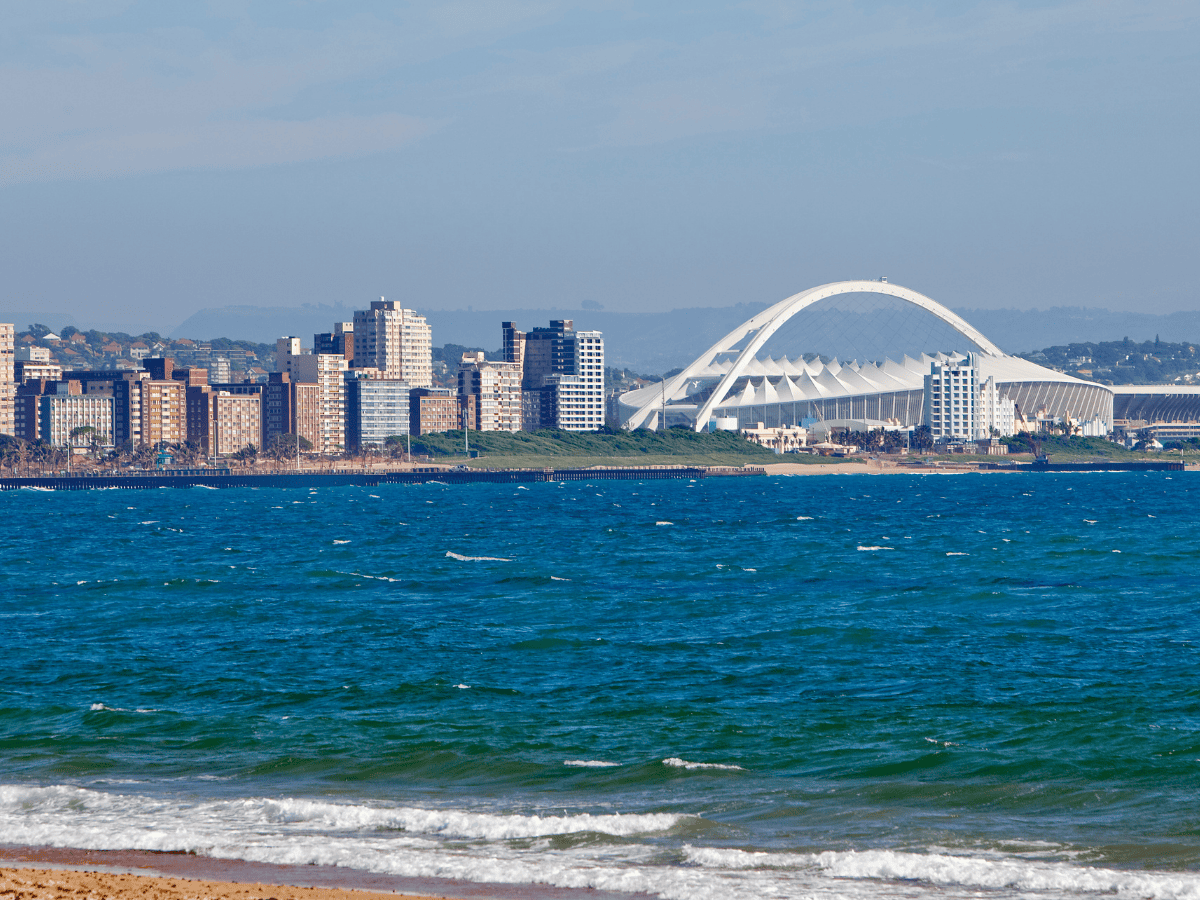
Durban is a coastal city on South Africa’s eastern shoreline along the warm waters of the Indian Ocean. Known for its subtropical climate, long sandy beaches, and cultural diversity, the city combines seaside leisure with vibrant urban life. Durban’s highlights include its famous Golden Mile beachfront, the busy harbour, cultural districts reflecting Indian and Zulu heritage, and nearby natural areas. The city is also a gateway to wildlife reserves and scenic landscapes in KwaZulu-Natal.
Golden Mile Beachfront
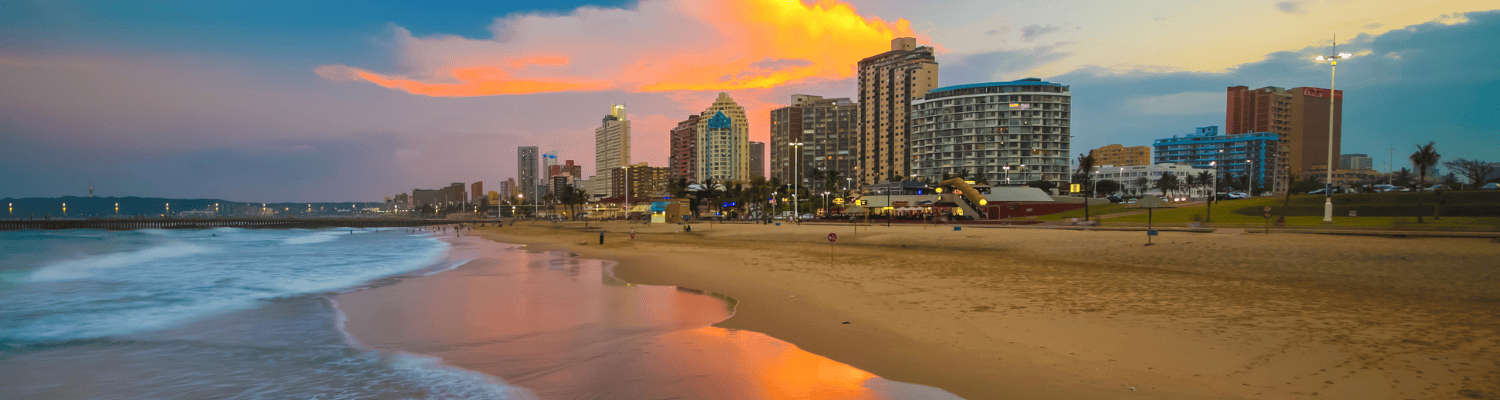
The Golden Mile is Durban’s most famous stretch of coastline, running along a series of wide sandy beaches and oceanfront promenades. The area is popular for swimming, surfing, cycling, and walking along the seafront. Hotels, restaurants, and public spaces line the beachfront, making it one of the most active parts of the city.
› More About Golden Mile Beachfront
uShaka Marine World
uShaka Marine World is a major entertainment and marine park located at the southern end of the Durban beachfront. The complex includes an aquarium, water park, and shopping village built around a recreated harbour setting. Visitors can explore marine exhibits, watch dolphin shows, and learn about ocean life.
› More About uShaka Marine World
Durban Harbour
Durban Harbour is one of the largest and busiest ports in Africa. The harbour plays a central role in the city’s economy and maritime history. Visitors can take boat trips across the harbour or watch cargo ships and tugboats navigating the busy waterways that connect Durban to global shipping routes.
› More About Durban Harbour
Victoria Street Market
Victoria Street Market is one of Durban’s most well-known cultural markets. The market reflects the city’s strong Indian heritage and offers spices, traditional clothing, crafts, and street food. Walking through the stalls gives visitors a glimpse into Durban’s multicultural identity and vibrant trading culture.
› More About Victoria Street Market
Valley of a Thousand Hills
Located inland from Durban, the Valley of a Thousand Hills is a scenic region of rolling green hills and traditional Zulu settlements. The landscape offers viewpoints over the valleys and opportunities to learn about local culture. Visitors explore cultural centres, hiking routes, and scenic drives through the countryside.
› More About Valley of a Thousand Hills
Activities & Experiences
Durban offers a coastal experience defined by warm Indian Ocean waters, marine activities, and a strong cultural influence. Travellers visit for its beaches, year-round warm climate, and access to ocean-based experiences, as well as its rich Zulu and Indian heritage. The destination blends relaxation with activity, making it a popular stop for both leisure and cultural exploration.
Snorkelling
Snorkelling in Durban offers easy access to warm, clear waters with a variety of marine life. This activity allows travellers to explore reefs and coastal ecosystems in a relaxed and accessible way, making it a popular experience for those looking to enjoy the ocean.
› More About Activity
Scuba Diving
Scuba diving is a key experience in Durban, with access to offshore reefs and diverse marine species. The warm waters and good visibility provide ideal conditions for both beginner and experienced divers, offering a deeper exploration of the underwater environment.
› More About Activity
Whale Watching
Whale watching is a seasonal highlight in Durban, with migrating humpback whales visible along the coastline. This experience offers the chance to observe these large marine mammals in their natural environment, adding a memorable wildlife component to a coastal visit.
› More About Activity
Cultural Activities
Cultural activities in Durban reflect the city’s diverse heritage, particularly its strong Zulu and Indian influences. These experiences provide insight into local traditions, cuisine, and history, adding depth beyond the coastal setting.
› More About Activity
Other Notable Activities & Experiences
Other notable activities & experiences in this country
- Shark cage diving
Birding
When To Go
Durban is a year-round coastal destination with warm temperatures and a subtropical climate. Summer brings hot, humid conditions with frequent rain, along with peak holiday crowds and a lively beachfront atmosphere. Winter offers dry, sunny weather and fewer visitors, creating a more relaxed and comfortable experience. The ocean remains warm throughout the year, making swimming possible in all seasons. Overall, expect vibrant energy in summer and calm, stable conditions during winter.
Best Time To Visit
The best time to visit Durban is from May to September, when winter brings warm, dry weather with lower humidity and minimal rainfall. Conditions are ideal for beach days, outdoor activities, and exploring the city without the intense summer heat. This period offers a more comfortable and relaxed experience, with fewer crowds outside of school holidays.
Jan | Feb | Mar |
Apr | May | Jun |
July | Aug | Sep |
Oct | Nov | Dec |
= Excellent = Good = Fair = Poor
Understanding The Seasons
Durban has a subtropical climate with hot, humid summers and mild, dry winters. Summer (October to March) brings heat, high humidity, and regular rainfall, often in the form of afternoon storms. Winter (May to September) is warm and dry, with sunny days and cooler evenings. Visitor numbers peak during summer and holiday periods, while winter offers a quieter and more comfortable travel experience.
| Best Time To Visit | December to January |
| High Season | December to January |
| Low Season | May to August |
| Best Weather | May to September |
| Worst Weather | February to March |
Pros & Cons For Travel Seasons Here
May to September - Dry Season - Winter - ☀️ ⊕ Warm, dry weather ideal for beaches and outdoor activities | October to April - Green Season - Summer - 🌧️ ⊕ Warm ocean temperatures for swimming |
❄️ Winter - May to September
May - Shoulder Season
Temperatures become more comfortable, and humidity drops. Days are warm and sunny, with fewer crowds. This is a relaxed time to explore beaches and the city, with stable weather and a slower pace.
June, July & August - Peak Season
Dry, sunny conditions dominate, with mild temperatures during the day and cooler evenings. Visitor numbers increase slightly during school holidays, but the overall atmosphere remains calm and manageable.
September - Peak Season
Temperatures begin to rise, and conditions remain dry and sunny. The city becomes more active as spring approaches. This is still a strong period for comfortable travel with consistent weather.
🔥 Summer - October to April
October - Peak Season
Temperatures rise, and humidity begins to increase. The first summer rains arrive, and the landscape becomes greener. Visitor numbers are moderate, and conditions are generally pleasant despite occasional rain.
November - Shoulder Season
Heat and humidity increase, with more frequent afternoon storms. The city feels lively, and beach conditions remain good. Visitor numbers are moderate, offering a balance between activity and space.
December (1 to 19) - Green Season
Hot, humid conditions dominate, with regular rainfall. The city becomes busier as the festive period approaches. Beaches and attractions are active, and the atmosphere becomes more energetic.
December & January (20 Dec to 5 Jan) - Peak Season (Festive)
This is the busiest time of year, with very high tourism density. Beaches are crowded, and the city is lively and energetic. Conditions are hot and humid, with occasional storms. Advance booking is essential.
January, February & March - Green Season
Hot, humid weather continues with frequent afternoon thunderstorms. The city remains vibrant, though slightly quieter after the festive period. Conditions can be intense, but beach and coastal experiences remain popular.
April - Shoulder Season
Temperatures begin to ease, and humidity drops. Rainfall decreases, and conditions become more comfortable. Visitor numbers reduce, creating a more relaxed and balanced travel experience.
How To Get Here
Durban is easily reached via South Africa’s main international gateways, with most travellers arriving through Johannesburg or Cape Town and then connecting on a short domestic flight. King Shaka International Airport serves the city and offers both domestic and limited international connections. Durban is well connected within South Africa, making it a convenient access point for the KwaZulu-Natal coast and nearby safari regions such as Zululand.
Main Airports Serving Durban
King Shaka International Airport (DUR) – Durban
This is the main airport serving Durban and the KwaZulu-Natal region. It offers strong domestic connections and limited international routes. The airport is located about 30 minutes from the city centre, and travellers typically reach their accommodation via private transfers, ride-hailing services, taxis, or rental cars.
Getting Around The City
Getting around Durban is best done by car, with rental vehicles, private transfers, and ride-hailing services widely available. The city is spread along the coastline, and distances between areas can be significant. Walking is possible in certain areas such as the beachfront, but most travellers rely on road transport for flexibility and convenience.
Find Flights To Durban
Travellers can fly directly into Durban from select international destinations or connect via Johannesburg or Cape Town. Domestic flights are frequent and short, making access simple and efficient. Travellers can use the links below to compare routes, airlines, and pricing based on their departure location.
› www.skyscanner.com
› www.travelstart.co.za
Domestic Airlines & Internal Flights In South Africa
Durban is well connected domestically, with frequent flights to Johannesburg, Cape Town, and other regional hubs. These routes are short and reliable, making it easy to travel between major cities and onward to safari regions. Most travellers connect through Johannesburg before continuing their journey.
› Airlink – (Commercial) – Connects Durban with Johannesburg, Cape Town, and regional destinations across South Africa
› FlySafair – (Commercial) – Operates frequent and affordable flights between Durban and major domestic hubs
› CemAir – (Commercial) – Flies between Durban and selected regional airports within South Africa
› Lift – (Commercial) – Provides regular flights between Durban, Johannesburg, and Cape Town
Travel Information
Durban is a warm coastal city known for its beaches, cultural diversity, and relaxed pace. It offers good infrastructure, international connections, and easy access to nearby attractions. Travellers can move around using private transport, ride services, or guided tours. With simple planning and general awareness, visitors can explore the city comfortably while enjoying its coastal atmosphere and vibrant local culture.
Safety Precautions In This City
Getting around Durban is straightforward when using trusted transport options such as ride services, rental cars, or hotel transfers. Stick to well-known areas, especially along the beachfront and central districts. Keep personal belongings secure and remain aware of your surroundings in public spaces. Planning your routes in advance and travelling with confidence helps ensure a smooth and enjoyable experience.
Safety Precautions During Activities
Durban offers a variety of activities, including beach visits, city tours, and cultural experiences. Use reputable operators and follow local guidance during all activities. Stay aware in busy areas such as markets, promenades, and attractions. Keep valuables close and avoid unnecessary distractions. When swimming, follow lifeguard instructions. These simple steps help ensure a relaxed and enjoyable experience.
Safety Precautions At Your Hotel
Hotels and guesthouses in Durban are generally well managed and focused on guest comfort. Keep valuables stored securely, lock your room when leaving, and be mindful when entering or exiting the property. Use hotel safes where available and avoid leaving items unattended. These small precautions help maintain a smooth and worry-free stay.
LGBTQ + Safety Guidance
South Africa is known for its inclusive legal framework, and many travellers visit Durban comfortably. The city is diverse and welcoming, particularly in tourism-focused areas. As with any destination, experiences may vary depending on the setting, so it is helpful to remain aware of local customs. A respectful and open approach supports a comfortable and enjoyable visit.