
Elephant | A Complete Safari Guide
Learn where to find elephants and understand their behaviour on safariOverview
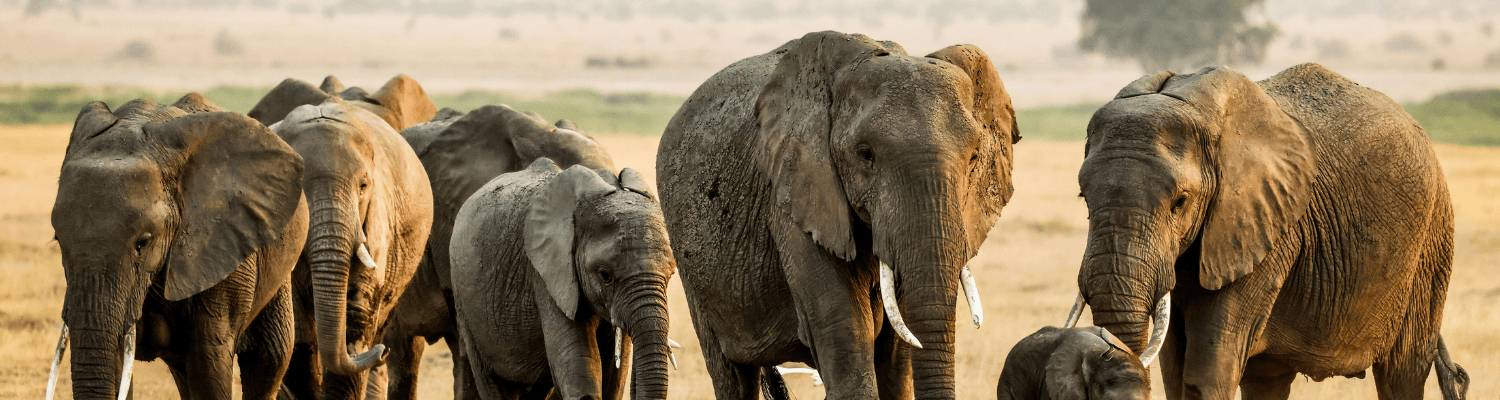
The elephant is the largest land animal on Earth, known for its huge size, long trunk, and curved ivory tusks. It is found across much of sub-Saharan Africa, especially in savannas, woodlands, and riverine areas where water is available. Elephants are highly social and intelligent, often seen in family herds led by a matriarch. For travellers, they are one of the most iconic safari sightings, offering powerful yet calm encounters. Their presence shapes the landscape, making them a key part of the safari experience and the ecosystems they inhabit.









Gallery
Summary
Best Places To See
Elephants are most reliably seen in areas with permanent water and strong guiding networks, with Chobe National Park in the Chobe Region standing out for its exceptionally high densities, especially along the Chobe River. In South Africa, Kruger National Park and private reserves such as Sabi Sands Game Reserve and Timbavati Game Reserve offer consistent sightings due to well-managed ecosystems and expert tracking. In Kenya, Amboseli National Park provides iconic, open views of large herds, while Tarangire National Park in Tanzania is a dry-season stronghold as elephants concentrate around the Tarangire River, making sightings highly predictable.
Best Time Of Year To See
The best time to see elephants is during the dry season, when water becomes scarce and herds gather predictably around rivers, waterholes, and permanent sources. From late winter into early spring, thinning vegetation improves visibility and makes sightings more consistent. Elephants move more frequently between feeding and drinking areas, increasing encounter rates. In the wet season, food is abundant and herds spread out, making sightings less predictable, although landscapes are greener and conditions more scenic. Early mornings and late afternoons are typically the most active times, regardless of season, offering the best overall viewing opportunities.
Identification
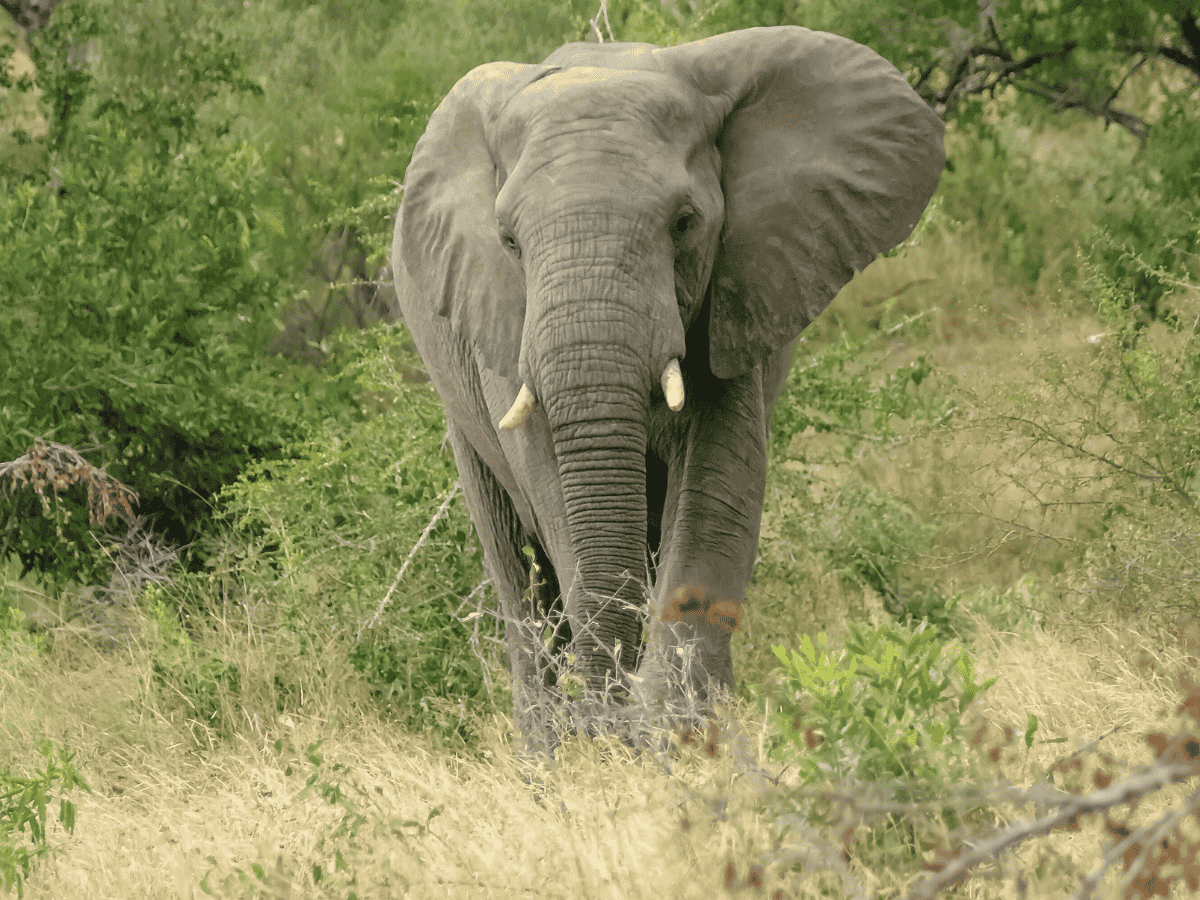
African Elephants are the largest land animals, easily identified by their massive bodies, long trunks, and large fan-shaped ears. Their skin is grey and deeply wrinkled, often coated in mud or dust. Both males and females can have tusks, though bulls typically carry larger, thicker ones. Calves are much smaller with shorter trunks and stay close to their mothers. They are often confused with Asian elephants, but African elephants have larger ears and a more curved back. Their slow, purposeful movement and constant use of the trunk make them unmistakable on safari.
Behaviour
Elephants are large herbivores that feed mainly on grass, leaves, bark, and roots, using their trunks to gather food and water. They live in matriarchal family groups led by an older female, while adult males are often solitary or form loose bachelor groups. They move slowly but purposefully across large areas in search of food and water. Social behaviour is highly visible, including touching, greeting, and caring for young. Mating behaviour involves dominant bulls competing for females. On safari, travellers often observe herds at waterholes, feeding, bathing, or interacting closely with one another.
Diet
Elephants are large herbivores that eat a wide variety of plant material, including grasses, leaves, bark, fruit, and roots. They use their trunks to pull down branches, strip bark, and gather food from the ground. Feeding takes up most of their day as they move slowly through their environment. In the dry season, they rely more on bark, roots, and woody plants when green grass is scarce. They often dig for water and roots. Their feeding can reshape landscapes, breaking trees and opening up areas for other animals.
Habitat
Elephants prefer savanna, woodland, and areas close to water such as rivers and floodplains. They move widely between feeding and drinking areas, so their habitat is shaped by access to water and large amounts of vegetation. During the dry season, they concentrate around permanent water sources, making sightings more reliable. In wetter months, they spread into thicker bush where food is abundant. Travellers most often see elephants in open savanna near waterholes, riverbeds, and floodplains where visibility is good and herds gather throughout the day.
Conservation Status
Elephants are currently listed as endangered or vulnerable depending on the species, with populations declining in many regions. Their biggest threats include habitat loss as land is converted for agriculture and settlements, as well as poaching for ivory. Human-elephant conflict is also increasing as elephants move through farming areas. However, strong populations remain in well-protected national parks and private reserves. Conservation efforts, anti-poaching initiatives, and habitat protection are helping stabilise numbers in key areas. Responsible safari tourism plays an important role by funding conservation and creating economic value for protecting elephants and their ecosystems.
Interesting Facts
Elephants are the largest land animals on Earth and can communicate using deep rumbles that travel through the ground over long distances. Their trunks contain over 40,000 muscles, allowing them to pick up tiny objects or uproot trees. They are highly emotional, often showing grief and strong family bonds. Elephants also have excellent memory, remembering water sources across vast landscapes, which is critical for survival during dry seasons.
Folklore
Across many African cultures, elephants symbolise wisdom, memory, and leadership. Among communities such as the Ashanti and Zulu, they are linked to royalty and elder authority, often representing chiefs and kings. Their long memory and calm presence reinforce respect for ancestors and tradition. Elephants are also seen as custodians of the land, with their movements shaping the environment, reflecting a deep connection between nature, leadership, and continuity across generations.