
Gabar Goshawk | A Complete Birding Guide
Learn to identify Gabar Goshawk and where to spot it4.9/5 - 85 Reviews
Overview
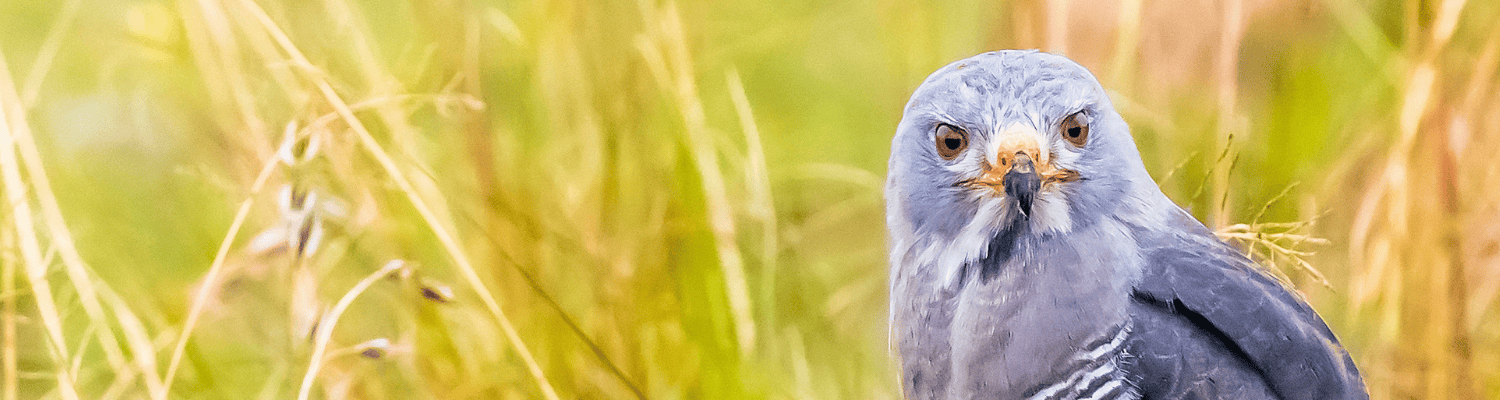
The Gabar Goshawk is a small, agile bird of prey with grey plumage and striking red eyes. It is found in savannas and woodlands across Africa. Often seen perched or flying low through trees, it hunts small birds and insects. Its speed and adaptability make it a dynamic and exciting raptor to encounter on safari.








Gallery
Reviews
Summary
Best Time Of Year To See
Gabar Goshawk can be seen throughout the year, but sightings are most consistent during warmer months when prey activity increases and birds hunt more frequently. Breeding season brings more vocal behaviour and territorial activity, making them easier to detect. During wetter periods, insect and small bird populations rise, supporting higher feeding activity. In cooler months, activity may decrease slightly, although the species remains visible. Summer generally provides the best combination of movement, visibility, and overall encounter rates.
Identification
Gabar Goshawk is a small raptor with either pale grey or darker plumage, depending on the individual, and distinctive red legs and eyes. It has a relatively long tail and rounded wings suited for agile flight through trees. Males and females are similar, though females are slightly larger. Its quick, darting flight and tendency to perch in open view help with identification. It can be confused with other small hawks, but its size, colour variation, and bright red features are key distinguishing traits.
Behaviour
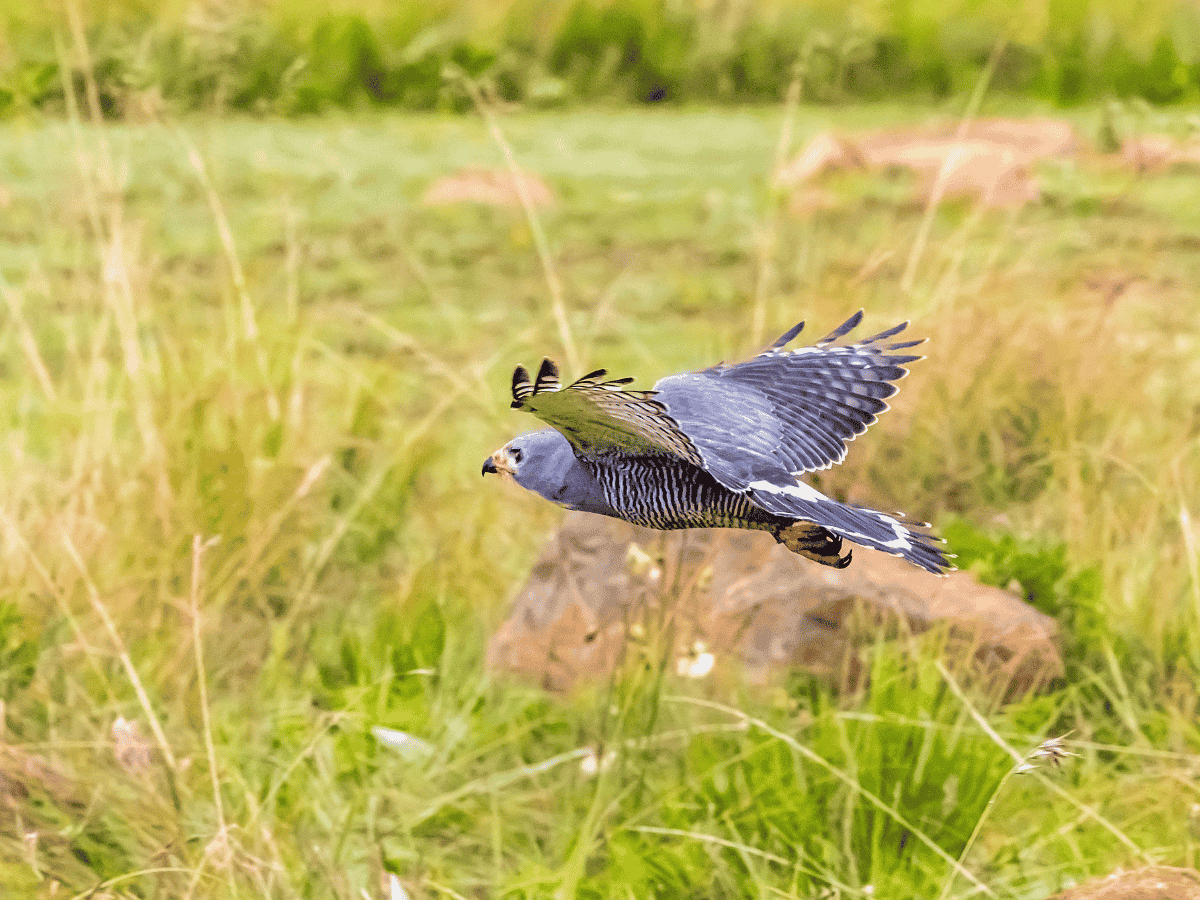
Gabar Goshawk feeds on small birds, insects, and reptiles, hunting by launching fast, direct attacks from a perch or pursuing prey through trees. It is often seen perched quietly before making a sudden strike. The species is usually solitary or in pairs and becomes more vocal during breeding season. It is highly agile and capable of rapid manoeuvres in flight. Travellers are most likely to observe it perched in open trees or making quick hunting flights across woodland.
Diet
Gabar Goshawk feeds primarily on small birds, large insects, and occasionally reptiles. It hunts by ambush, using perches to scan for prey before launching a fast attack. Feeding usually takes place within woodland or open savanna where prey is abundant. During warmer months, increased insect and bird activity supports more frequent hunting. Its diet reflects its adaptability to a wide range of environments.
Habitat
Gabar Goshawk prefers open woodland, savanna, and semi-arid regions where trees are scattered and visibility is good. It is most often found perched in trees or moving between them while hunting. This habitat provides both hunting opportunities and vantage points. Travellers are most likely to encounter it in mixed woodland, open savanna, and dry regions with isolated trees.
Conservation Status
Gabar Goshawk is considered stable and widespread, with no major threats affecting overall populations. Its adaptability to different habitats supports its resilience. However, habitat changes can influence local numbers. Protected areas such as Kruger National Park and Kgalagadi Transfrontier National Park help maintain suitable conditions. Conservation of savanna ecosystems supports the long-term stability of the species.
Interesting Facts
Gabar Goshawk comes in two colour forms, a light grey and a darker form, which can confuse observers at first. Its bright red legs and eyes are highly distinctive once noticed. It is an incredibly agile hunter, capable of chasing prey through dense vegetation. Despite its small size, it is a highly effective predator and plays an important role in controlling insect and small bird populations.
Folklore
Birds of prey are often associated with speed, precision, and awareness in African folklore. The Gabar Goshawk, with its quick movements and sharp hunting ability, may symbolise focus and decisiveness. Its ability to strike suddenly reflects ideas of timing and opportunity. It represents the sharp, alert presence within the natural world.
Best Places To See
Gabar Goshawk is most reliably found in open woodland and savanna where scattered trees provide ideal hunting perches. Kruger National Park offers some of the most consistent sightings, particularly in mixed woodland where prey is abundant and visibility is good. Kgalagadi Transfrontier National Park provides a strong complementary option, especially in drier areas where birds perch conspicuously on isolated trees. These locations are reliable because a combination of open habitat and prey availability allows for frequent sightings of both perched and hunting individuals.