
Garden Route | A Complete Travel Guide
Explore coastal scenery, activities, and travel planning insights along the Garden RouteOverview
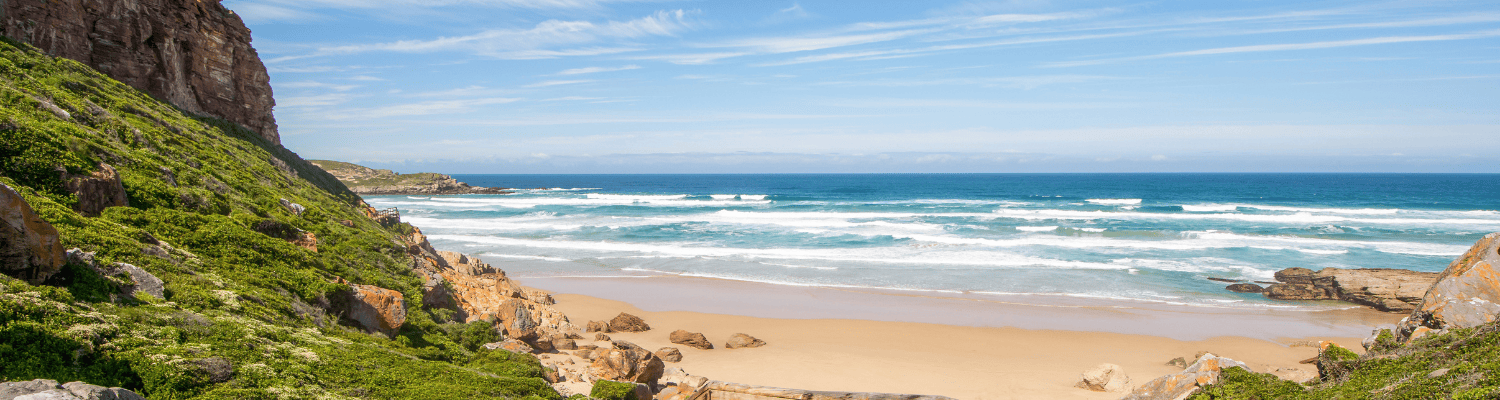
The Garden Route is a scenic stretch of coastline along South Africa’s southern coast, linking a series of seaside towns, forests, and nature reserves between the Western and Eastern Cape. It is best known for its diverse landscapes, including rugged cliffs, sandy beaches, indigenous forests, and tranquil lagoons. Wildlife experiences range from marine life such as whales and dolphins to birdlife and forest species found in protected areas like Tsitsikamma and Wilderness. Travellers often visit as part of a road trip, drawn by the region’s natural beauty, outdoor activities, and the opportunity to combine coastal scenery with hiking, kayaking, and relaxed coastal towns.





Gallery
Summary
Summary
Why Visit
The Garden Route is one of South Africa’s most scenic travel regions, stretching along the southern coastline between forests, mountains, and the Indian Ocean. Travellers visit for its dramatic landscapes, coastal towns, and outdoor activities. While it is not a traditional safari destination, several nearby private reserves offer wildlife viewing that can be combined with coastal travel. The region is distinctive for its lush forests, beaches, lagoons, and relaxed atmosphere, making it a popular addition to broader South African itineraries.
Pros & Cons
⊕ Spectacular coastal scenery with forests, mountains, and beaches
⊕ Wide variety of outdoor activities including hiking, boating, and whale watching
⊕ Easy to combine with Cape Town and nearby safari reserves
⊕ Well-developed tourism infrastructure with many accommodation options
⊕ Beautiful scenic drives linking several charming coastal towns
⊖ Not a major wildlife safari destination
⊖ Popular towns can become busy during holiday seasons
⊖ Wildlife viewing is generally limited compared to major safari regions
Highlights
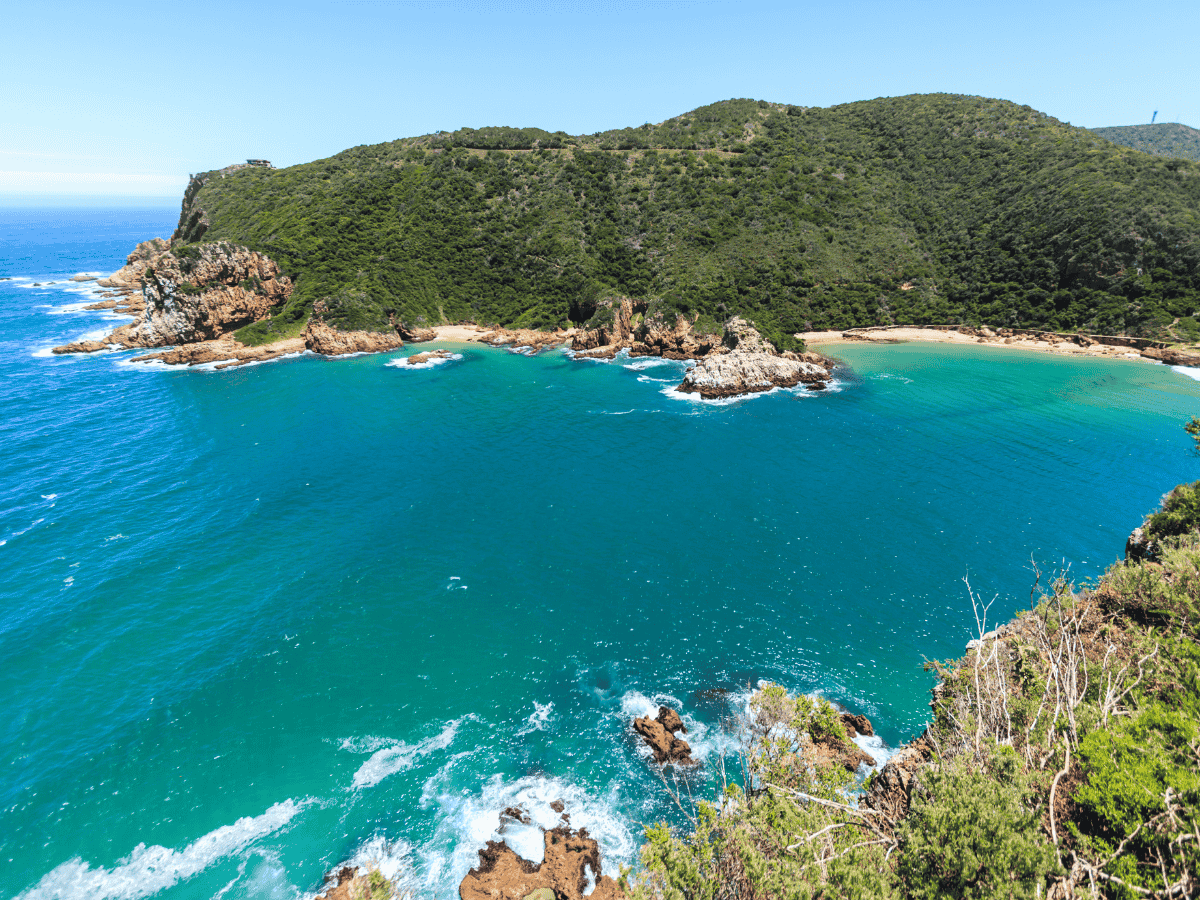
The Garden Route is known for its natural beauty and scenic coastal drives. Towns such as Knysna, Plettenberg Bay, and Wilderness are famous for lagoons, beaches, and forests. The region includes dramatic landscapes like the Knysna Heads and the Tsitsikamma coastline. Outdoor activities such as hiking, kayaking, and marine wildlife viewing are central to the experience. The area is also well known for its relaxed coastal towns and nature-based tourism.
› More About Highlights
Wildlife
Wildlife viewing in the Garden Route focuses mainly on marine life, birdlife, and smaller mammals rather than traditional safari species. Southern right whales migrate along the coast during winter, while dolphins and seals are often seen offshore. Forest habitats support monkeys, small antelope, and diverse birdlife. Larger wildlife safaris are usually experienced in nearby private reserves rather than in the coastal parks themselves.
› More About Wildlife
Parks & Reserves
The Garden Route National Park protects much of the region’s forests, coastline, and lakes. The park includes sections such as Tsitsikamma, Wilderness, and Knysna, each offering scenic landscapes and outdoor activities. Nearby private reserves such as Shamwari, Kwandwe, and Amakhala in the Eastern Cape are often combined with Garden Route travel for traditional Big Five safari experiences.
› More About Parks & Reserves
Best Time To Visit
The Garden Route can be visited throughout the year due to its mild coastal climate. Summer from November to March offers warm weather ideal for beaches and outdoor activities. Winter from June to August is cooler but is also the best time for whale watching along the coast. Rainfall occurs throughout the year, helping maintain the region’s green forests and landscapes.
› Explore Best Time To Visit
Access & Getting There
Most travellers reach the Garden Route from Cape Town by road along the scenic coastal highway. The region can also be accessed via flights to George Airport, which connects to major South African cities. From George, visitors can drive to nearby towns such as Knysna, Wilderness, and Plettenberg Bay.
› Explore Access & Getting There
Health & Safety
The Garden Route is considered a safe and well-developed travel region with good tourism infrastructure. There are no malaria risks. Visitors should follow normal travel precautions when exploring towns, beaches, and nature areas. Ocean conditions can vary, so swimmers should pay attention to local safety advice and lifeguard instructions where available.
› Explore Health & Safety
Highlights
The Garden Route is one of South Africa’s most scenic coastal journeys, stretching along the country’s southern shoreline between Mossel Bay and Storms River. The region is known for its forests, lagoons, beaches, and rugged ocean cliffs. Travellers pass through towns such as Knysna and Plettenberg Bay while exploring protected areas like Tsitsikamma National Park. The route combines dramatic landscapes with outdoor adventure, marine wildlife, and relaxed coastal towns.
Tsitsikamma National Park
Tsitsikamma National Park protects a dramatic stretch of rocky coastline where dense indigenous forest meets the Indian Ocean. The park is famous for suspension bridges spanning the Storms River Mouth and for the first section of the long-distance Otter Trail. Visitors explore coastal hiking routes, waterfalls, and marine habitats while experiencing one of the Garden Route’s most striking natural landscapes.
› More About Tsitsikamma National Park
Knysna Lagoon
Knysna Lagoon is a large estuarine system surrounded by forests and hills, forming the scenic centrepiece of the town of Knysna. The lagoon is famous for the dramatic sandstone cliffs known as the Knysna Heads, which guard the narrow entrance to the sea. Visitors enjoy boat cruises, waterfront dining, and views across calm waters framed by surrounding mountains.
› More About Knysna Lagoon
Plettenberg Bay Coastline
Plettenberg Bay is known for its wide sandy beaches, marine wildlife, and coastal scenery. The bay is a popular location for observing dolphins and seasonal whale migrations along the Garden Route coastline. Travellers explore nearby nature reserves, coastal hiking paths, and ocean viewpoints while enjoying one of the region’s most picturesque seaside settings.
› More About Plettenberg Bay Coastline
Indigenous Forests of the Garden Route
Large sections of the Garden Route are covered by ancient indigenous forest that once stretched across much of South Africa’s southern coast. These forests contain towering yellowwood trees, shaded hiking trails, and rich birdlife. Areas such as the Knysna Forest allow visitors to explore this unique ecosystem through walking routes and scenic drives beneath dense forest canopies.
› More About Indigenous Forests of the Garden Route
The Scenic Garden Route Drive
The Garden Route itself is one of South Africa’s most famous road journeys. The route follows the coastline through mountain passes, river valleys, and coastal viewpoints. Travellers experience constantly changing scenery while stopping in small towns, nature reserves, and beaches along the way, making the drive itself one of the defining experiences of the region.
› More About The Scenic Garden Route Drive
Activities & Experiences
The Garden Route is defined by its scenic coastal drives, forests, lagoons, and marine wildlife experiences. Travellers visit for a mix of outdoor exploration, ocean-based activities, and relaxed town-to-town travel along one of South Africa’s most famous routes. The region offers a blend of nature and adventure, with highlights including whale watching, coastal activities, and light safari experiences in nearby reserves, making it a diverse and accessible destination.
Whale Watching
Whale watching is one of the most iconic experiences along the Garden Route, particularly between June and November. Southern right and humpback whales migrate close to shore, often seen breaching and resting in sheltered bays. Locations such as Plettenberg Bay and nearby coastal areas offer excellent viewing opportunities, both from land and by boat.
› More About Activity
Scuba Diving
Scuba diving along the Garden Route offers access to diverse marine environments, including reefs, kelp forests, and shipwrecks. The region’s coastline supports a variety of marine life, making it a rewarding experience for both beginner and experienced divers. Conditions vary by location, with certain areas offering particularly clear visibility.
› More About Activity
Shark cage diving
Shark cage diving is a well-known marine activity near the Garden Route, particularly in areas such as Mossel Bay. This experience allows travellers to safely observe large sharks up close from within a protective cage. It provides a unique and adrenaline-driven perspective on marine wildlife in its natural environment.
› More About Activity
Self Driving in Parks
Self-driving is a key part of the Garden Route experience, allowing travellers to explore the region at their own pace. The route connects multiple towns, viewpoints, forests, and coastal stops, giving flexibility to create a personalised journey. This freedom is central to how most visitors experience the region.
› More About Activity
Other Notable Activities & Experiences
Other notable activities & experiences in this country
- Snorkelling
Cultural Activities
Birding
Guided Nature Walks
Morning game drives
Afternoon game drives
Visits to Wildlife Rehabilitation Centers
When To Go
The Garden Route is a year-round destination with relatively mild weather throughout the year. Summer brings warm temperatures and peak travel energy, especially along the coast. Winter introduces cooler conditions, occasional rain, and fewer crowds, creating a quieter and more relaxed experience. Spring and autumn offer balanced conditions with pleasant weather and lower tourism density. Overall, expect lively coastal travel in summer and a more scenic, peaceful atmosphere during the quieter months.
Best Time To Visit
The best time to visit the Garden Route is from November to April, when warm temperatures and longer days create ideal conditions for beaches, road trips, and outdoor activities. The weather is generally stable, and the coastline is at its most vibrant. This period also offers the best overall experience for exploring towns, nature reserves, and coastal attractions.
Best Time To Visit Major Game Parks | ||
Jan | Feb | Mar |
Apr | May | Jun |
July | Aug | Sep |
Oct | Nov | Dec |
= Excellent = Good = Fair = Poor
Understanding The Seasons
The Garden Route experiences a mild coastal climate with rainfall spread throughout the year. Summer (November to March) is warmer and generally drier, making it ideal for outdoor travel. Winter (June to August) brings cooler temperatures and more frequent rain, but not consistently. Spring and autumn offer moderate weather and fewer crowds. Visitor numbers peak during summer and holiday periods, while winter and shoulder seasons provide a quieter, more relaxed travel pace.
| Major Game Parks | |
| Best Time To Visit | November to April |
| High Season | December to February |
| Low Season | June to August |
| Best Weather | November to March |
| Worst Weather | June to July |
| Rainy Season | May to August |
| Dry Season | November to March |
Pros & Cons For Travel Seasons in Major Game Parks
November to March - Dry Season - Summer- ☀️ ⊕ Warm temperatures ideal for beaches and outdoor activities | May to August - Green Season - Winter - 🌧️ ⊕ Fewer tourists and quieter towns |
❄️ Winter - May to September
May - Shoulder Season
Temperatures cool down, and rainfall becomes more frequent. Visitor numbers drop, creating a quieter and more relaxed atmosphere. The landscape remains green, and coastal scenery becomes more dramatic, though outdoor activities may be affected by changing weather.
June, July & August - Low Season
Cool conditions dominate, with occasional rain and overcast days. Visitor numbers are at their lowest, offering a peaceful and uncrowded experience. This is a slower travel period, best suited for relaxed exploration rather than activity-heavy itineraries.
September - low Season
Conditions begin to improve slightly, with less frequent rain and milder temperatures. The region remains quiet, and landscapes are still green. This is a transitional period with improving travel conditions and fewer crowds.
🔥 Summer - October to April
October - Shoulder Season
Spring brings milder temperatures and fresh, green landscapes. Conditions are good for outdoor travel, and visitor numbers are moderate. This is a balanced time to explore, offering pleasant weather without peak summer crowds.
November - Shoulder Season
Warm, stable weather arrives, making it ideal for outdoor activities and coastal travel. The region becomes more lively, and visitor numbers begin to increase. Conditions are excellent for road trips and exploring the coastline.
December (1 to 19) - Peak Season
Summer is in full swing with warm temperatures and vibrant coastal energy. Beaches and towns become busier, and the overall atmosphere is lively. Visitor numbers continue to rise leading into the festive period.
December & January (20 Dec to 5 Jan) - Peak Season (Festive)
This is the busiest time of year, with high tourism density across the region. Beaches, towns, and roads are busy, and prices increase. The atmosphere is energetic, and conditions are ideal for summer travel, though advance booking is essential.
January, February & March - Peak Season
Warm and generally stable conditions continue, making this ideal for beaches, outdoor activities, and road trips. Visitor numbers remain high, especially in January, before easing slightly later in the period. The overall experience remains vibrant and active.
April - Shoulder Season
Temperatures begin to cool, and visitor numbers drop. The region becomes quieter, offering a more relaxed travel experience. Conditions remain comfortable, making this a good time for scenic drives and exploring without crowds.
How To Get Here
The Garden Route is most commonly accessed via Cape Town or Johannesburg, with travellers typically flying into Cape Town International Airport or George Airport. From Cape Town, the route is explored by road, often as a scenic self-drive journey over several days. Alternatively, travellers can fly directly to George or Plettenberg Bay and continue by road. The region is well suited to flexible travel, with short distances between towns and attractions.
Main Airports In The Garden Route
George Airport (GRJ) – George
George Airport is the main gateway to the Garden Route, with regular domestic flights from Johannesburg and Cape Town. It is centrally located, allowing easy access to key destinations such as Wilderness, Knysna, and Oudtshoorn, with road transfers typically under one hour.
Plettenberg Bay Airport (PBZ) – Plettenberg Bay
This small regional airport serves the eastern Garden Route and offers limited scheduled and charter flights. It provides convenient access to Plettenberg Bay, Nature’s Valley, and nearby reserves, with very short transfer times to most accommodation.
Cape Town International Airport (CPT) – Cape Town
Cape Town International Airport is often used as a starting or ending point for Garden Route itineraries. Travellers typically begin their journey here and explore the region by road, with the full route stretching along the coast over several days.
Find Flights To The Garden Route
Travellers typically fly into Cape Town or Johannesburg before connecting to George or Plettenberg Bay via domestic flights. Many itineraries begin in Cape Town and continue along the Garden Route by road. Travellers can use the links below to compare flight routes, airlines, and pricing based on their preferred travel plan.
› www.skyscanner.com
› www.travelstart.co.za
Domestic Airlines & Internal Flights In The Garden Route
Domestic flights connect major cities such as Johannesburg and Cape Town with George, which serves as the main airport for the Garden Route. Plettenberg Bay offers additional limited connections. Most travel within the region is done by road due to the short distances between destinations.
› Airlink – (Commercial) – Connects Johannesburg and Cape Town with George and Plettenberg Bay
› FlySafair – (Commercial) – Operates frequent and affordable flights between Cape Town, Johannesburg, and George
› CemAir – (Commercial) – Flies between Johannesburg and Plettenberg Bay, supporting regional access
Travel Information
The Garden Route is a well-developed coastal region stretching along South Africa’s southern coastline, with good road access and nearby airports such as George and Plettenberg Bay. It connects a series of towns, forests, beaches, and nature reserves. Travel is straightforward, though distances between stops can add up. Travellers should plan routes, allow time for scenic drives, and stay aware when moving between busy towns and quieter natural areas.
Malaria Information
The Garden Route is a malaria-free region, with no malaria risk present along the coastline or inland forest areas. Preventative medication is not required. Travellers can explore comfortably while using basic precautions such as insect repellent for general comfort, especially during warmer months or near water. Overall, health risks are minimal, making it an easy and relaxed destination to visit.
Staying Safe In Wildlife Areas
Wildlife and nature experiences along the Garden Route are generally safe when basic guidelines are followed. Always listen to guides in reserves or marine environments and respect safety boundaries. Keep a safe distance from animals and avoid feeding or approaching them. When hiking or exploring forests and coastal areas, stay on marked paths and remain aware of surroundings to ensure a safe experience.
Staying Safe In Major Cities
Towns such as Knysna, Plettenberg Bay, and Mossel Bay are popular and easy to navigate, with good tourism infrastructure. Travellers should use trusted transport, keep valuables secure, and remain aware in busy areas. Driving is the most common way to explore the region. With simple precautions and planning, travellers can move comfortably between towns and attractions.
LGBTQ + Safety Guidance
South Africa offers strong legal protections for LGBTQ+ individuals, and the Garden Route is generally welcoming to travellers. Many towns have a relaxed, tourism-focused atmosphere, and accommodation providers are typically inclusive. As with any destination, experiences may vary in quieter or rural areas, so a level of awareness is helpful. Overall, travellers can expect a respectful and comfortable environment.