
Giraffe | A Complete Safari Guide
Discover giraffe behaviour, feeding habits, and where to see them on safariOverview
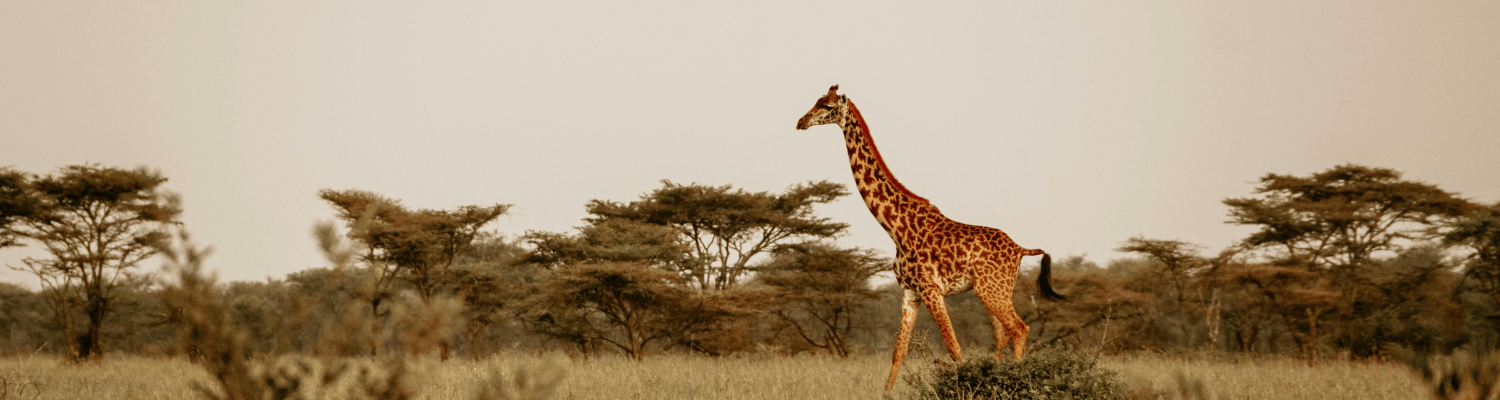
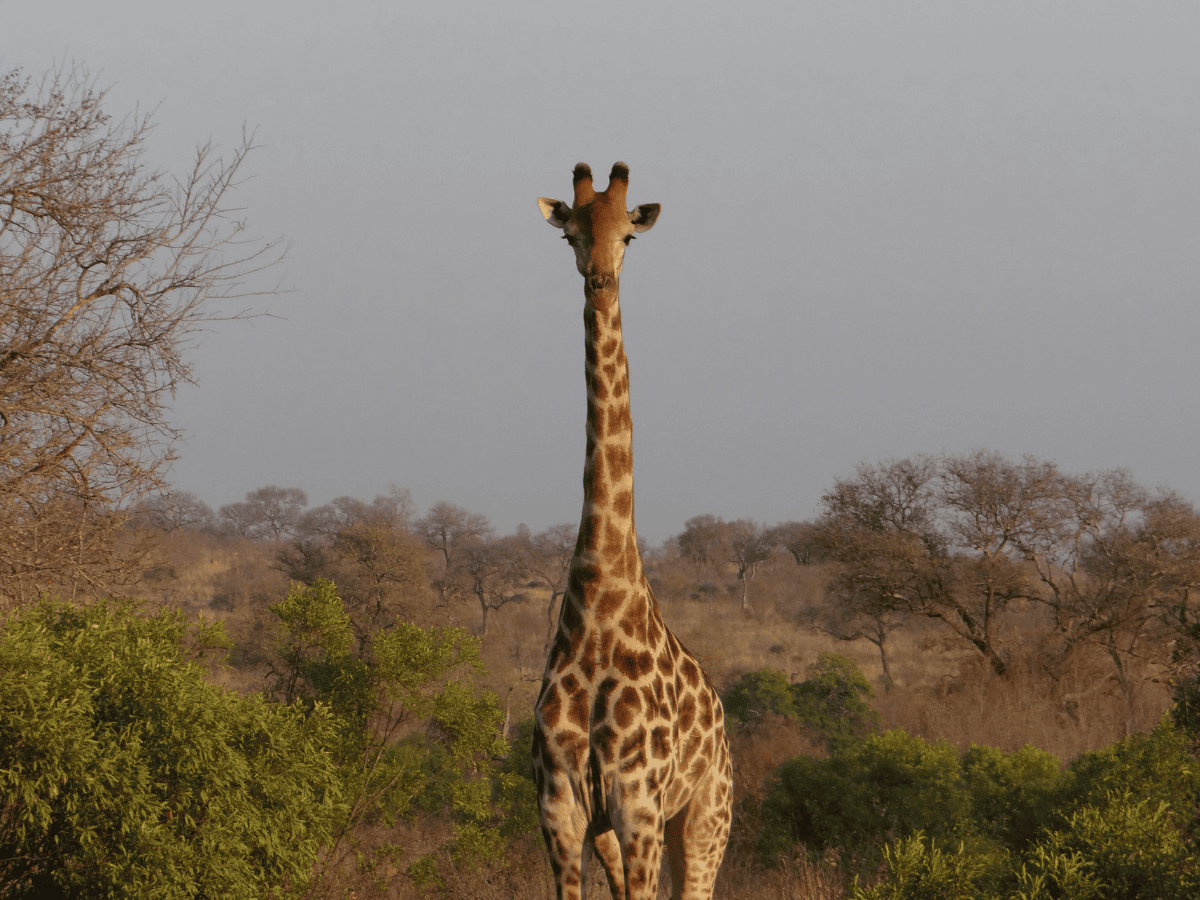
The giraffe is the tallest land animal in the world, known for its long neck, patterned coat, and slow, graceful movement. It is found across much of sub-Saharan Africa, especially in savannas and open woodlands where trees are abundant. Giraffes feed on leaves high above other animals, often seen browsing calmly or moving in loose groups. For travellers, they are one of the most recognisable and photographed safari animals. Their unique shape and peaceful behaviour make them a memorable and iconic part of the African landscape.







Gallery
Summary
Best Places To See
Giraffes are most reliably seen in open savanna and woodland habitats where browsing trees are abundant, with Kruger National Park and adjacent private reserves such as Sabi Sands Game Reserve offering consistently high encounter rates due to strong populations and accessible terrain. In East Africa, the Serengeti National Park and Masai Mara National Reserve provide excellent sightings across vast plains dotted with acacia trees, making giraffes easy to spot and observe. In Botswana, Chobe National Park and Moremi Game Reserve deliver regular sightings along riverine woodland and floodplains, where giraffes move predictably between feeding areas and water sources.
Best Time Of Year To See
The best time to see giraffes is during the dry season, when thinner vegetation makes them easier to spot across open plains and woodlands. As water becomes limited, they tend to move more predictably between feeding areas and water sources, although they can go long periods without drinking. Their height already makes them visible year-round, but clearer conditions improve overall sighting quality. In the wet season, dense foliage can partially obscure them, even though food is abundant and calves are often seen. Giraffes are active throughout the day, so sightings are consistent across most times, regardless of season.
Identification
Giraffes are the tallest land animals, easily identified by their extremely long necks and legs. Their coats feature large patchy patterns that vary between individuals. Both males and females have small horn-like structures called ossicones, though males’ are often thicker and bald on top. Calves are shorter but already tall compared to other animals. They may be confused with no other species due to their height. Their slow, graceful movement and browsing behaviour in trees make them unmistakable.
Behaviour
Giraffes are browsers that feed on leaves, especially from acacia trees, using their long necks and tongues. They live in loose, open groups without strong social bonds. Males may engage in necking behaviour to establish dominance. They move calmly across landscapes and are active throughout the day. On safari, they are often seen feeding at tree tops or walking gracefully across open areas.
Diet
Giraffes are browsers that feed mainly on leaves, especially from acacia trees. Their long necks allow them to reach high branches that other animals cannot access. They use their long tongues to strip leaves from thorny branches. Feeding occurs throughout the day as they move between trees. In the dry season, they rely more on hardy trees that retain leaves. They also eat flowers and seed pods when available. Their feeding helps shape tree growth and spreads seeds across the landscape, supporting the health of their habitat.
Habitat
Giraffes prefer savanna and woodland with plenty of tall trees, especially acacias. Their habitat is shaped by the availability of leaves, which make up most of their diet. They avoid dense forests but thrive in open areas with scattered trees. Water is useful but not essential as they get moisture from leaves. Travellers commonly see giraffes browsing in open woodland, often standing out clearly against the landscape, especially in areas with mixed savanna and tree cover.
Conservation Status
Giraffes are currently listed as vulnerable, with populations declining in several regions. Their biggest threats include habitat loss, fragmentation, and illegal hunting. Expanding agriculture and human settlement reduce the open woodland habitats they depend on. However, stable populations remain in well-managed parks and reserves. Conservation efforts include habitat protection and monitoring different giraffe populations. Safari tourism supports these initiatives by providing funding and encouraging the preservation of natural habitats, helping ensure giraffes remain a common and iconic sight in Africa’s landscapes.
Interesting Facts
Giraffes are the tallest land animals, with necks that can reach up to two metres in length. Despite their long necks, they have the same number of vertebrae as humans—just much larger. Their tongues can be up to 45 cm long and are prehensile, helping them strip leaves from thorny trees. Giraffes have unique coat patterns, like fingerprints, and use powerful kicks to defend themselves against predators.
Folklore
Giraffes are widely seen as symbols of vision, grace, and perspective. Their height allows them to see far across the landscape, which in some cultures represents foresight and awareness. Among certain African communities, giraffes are associated with calmness and gentle strength. Their unique appearance has also made them symbols of individuality and balance, reinforcing the idea of standing tall while remaining peaceful.