
Grey Headed Bushshrike | A Complete Birding Guide
Understand Grey Headed Bushshrike identification and where to see itOverview
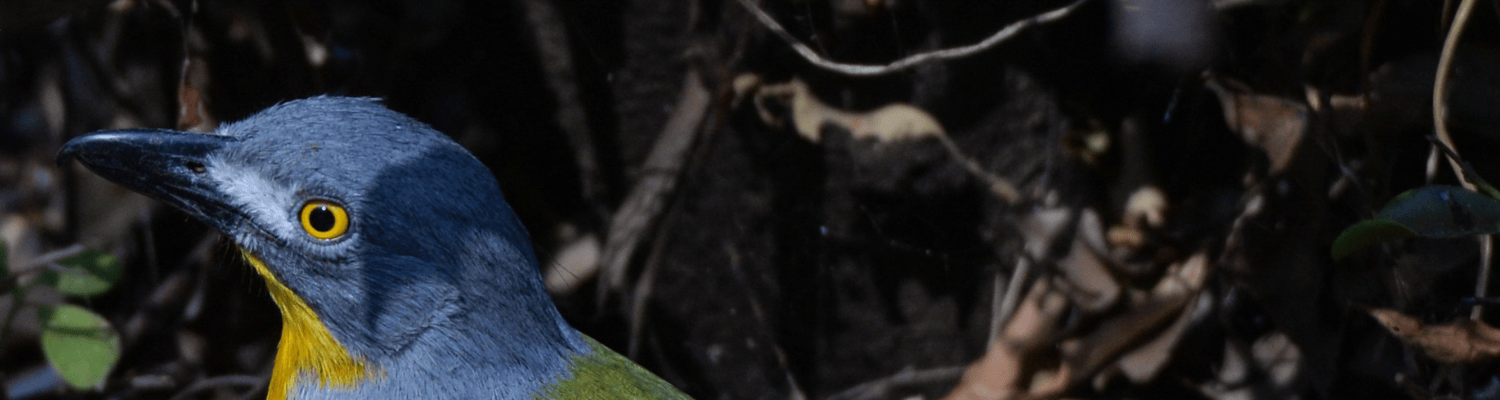
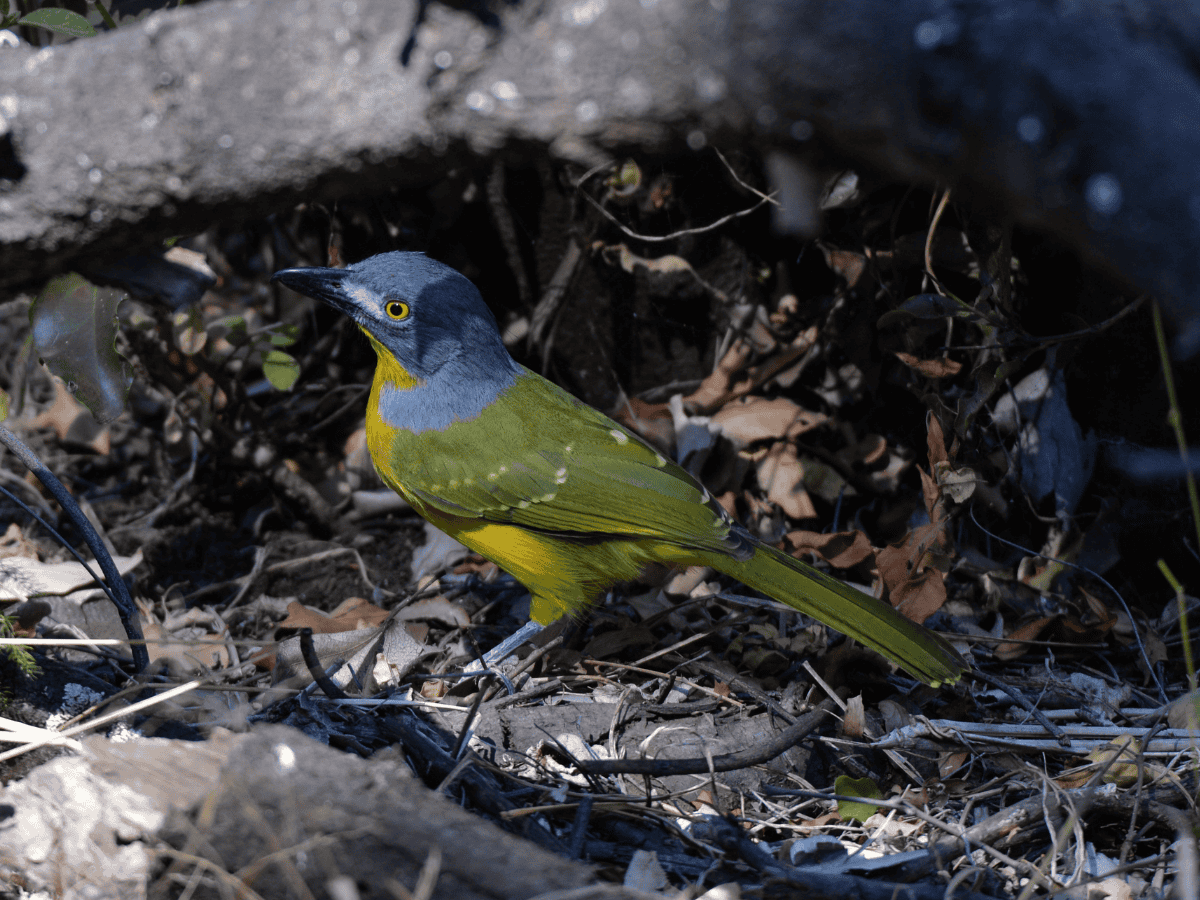
The Grey-headed Bushshrike is a striking bird with a grey head, green back, and bright yellow underparts. It occurs in woodlands and forest edges across East and Southern Africa. Often hidden in dense foliage, it is more commonly detected by its clear, ringing calls. Its bold colours and vocal presence make it an exciting find for birders working through thicker habitats.








Gallery
Summary
Best Places To See
Grey-headed Bushshrike is most reliably found in well-wooded savanna and forest edge habitats where dense vegetation supports its secretive behaviour. Kruger National Park offers some of the most consistent sightings, particularly in northern sections where suitable woodland is extensive. Punda Maria is especially known for regular encounters. The Soutpansberg provides a strong complementary option with similar habitat and good bird diversity. These areas are reliable because they combine dense vegetation with accessible birding routes, increasing the chances of locating the species by call.
Best Time Of Year To See
Grey-headed Bushshrike is most consistently detected during the warmer months when calling activity increases and birds are more active in pairs. Breeding season brings more vocal behaviour, making them easier to locate in dense vegetation. During wetter periods, insect availability improves, supporting higher activity levels. In cooler months, they can be quieter and more difficult to detect. While foliage can be thicker in summer, the increase in vocalisation and movement generally makes this the most rewarding time to find the species.
Identification
Grey-headed Bushshrike is a medium-sized bird with a smooth grey head, bright yellow underparts, and green upperparts. It has a strong, slightly hooked bill and a compact shape typical of bushshrikes. Males and females are similar, with only subtle differences in brightness. Its clear, ringing call is often the first clue to its presence. It may be confused with other bushshrikes, but the combination of a plain grey head and bright yellow body helps distinguish it.
Behaviour
Grey-headed Bushshrike feeds mainly on insects, searching leaves and branches within dense vegetation. It is usually seen in pairs and often remains hidden, moving quietly through the canopy. The species is highly vocal, producing clear, repeated calls, especially during breeding season. It may join mixed-species feeding flocks. Travellers are most likely to hear it first and then briefly see it as it moves through thick foliage.
Diet
Grey-headed Bushshrike feeds primarily on insects and small invertebrates, which it hunts in trees and dense vegetation. It searches methodically along branches and leaves, picking prey from surfaces. Feeding usually takes place within cover, making behaviour difficult to observe for long periods. During wetter seasons, increased insect activity supports more frequent feeding. Its diet is closely tied to woodland and forest habitats.
Habitat
Grey-headed Bushshrike prefers dense woodland, riverine forest, and well-vegetated savanna where cover is continuous. It is most often found in the mid to upper levels of trees, rarely venturing into open areas. This habitat provides both protection and feeding opportunities. Travellers are most likely to encounter it in thick woodland, forest edges, and shaded areas with high bird activity.
Conservation Status
Grey-headed Bushshrike is generally stable across its range, although local populations depend on the preservation of suitable woodland and forest habitat. Habitat loss and degradation can affect numbers in certain areas. Protected areas such as Kruger National Park play an important role in maintaining stable populations. Continued conservation of woodland ecosystems and responsible tourism help support this species.
Interesting Facts
Grey-headed Bushshrike is often heard long before it is seen, thanks to its loud, clear calls that carry through dense woodland. It is usually found in pairs, with both birds often calling together. Despite its bright colours, it can remain surprisingly well hidden in foliage. It is also known to join mixed-species flocks, increasing chances of detection when bird activity is high.
Folklore
In many African traditions, birds with strong, clear calls are associated with communication and presence within the natural world. The Grey-headed Bushshrike’s ringing voice may be seen as a signal of activity in the forest. Because it is often heard but not easily seen, it can represent hidden presence or unseen life within dense vegetation. Its role in the soundscape of the bush links it to ideas of awareness and connection.