
Overview
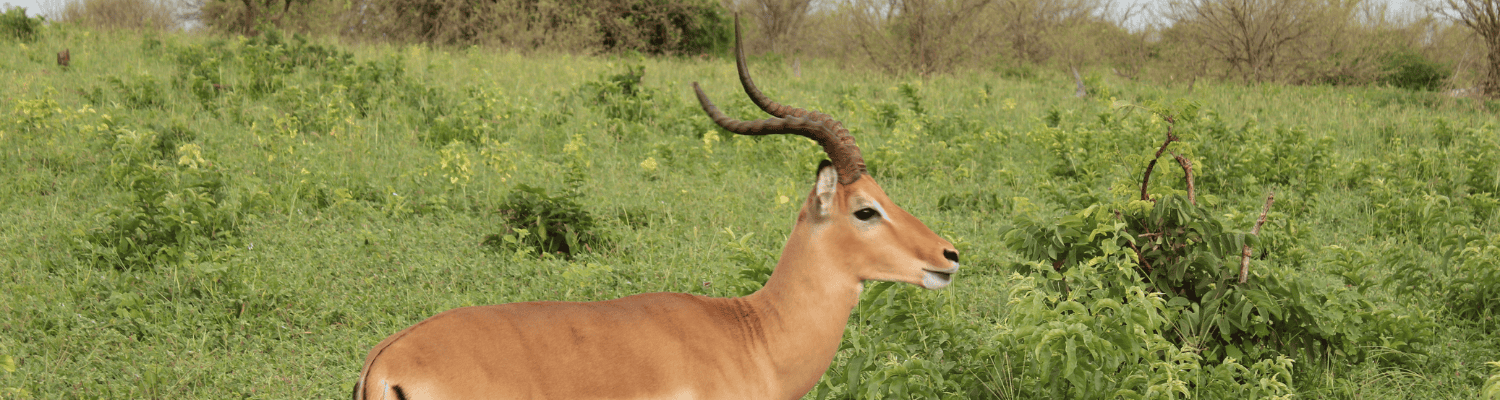
The impala is a medium-sized antelope known for its slender build, reddish coat, and impressive leaping ability. It is widely found across eastern and southern Africa, especially in savannas and woodlands where grass and water are available. Males have curved horns, while females are hornless, and both are often seen in large, active herds. For travellers, impalas are one of the most common and dynamic safari animals, frequently seen bounding across the landscape. They play a key role in the ecosystem, supporting many of Africa’s top predators.










Gallery
Summary
Best Places To See
Impala are most reliably seen in savanna and woodland ecosystems with a mix of grazing and browsing, with Kruger National Park standing out as a flagship destination due to exceptionally high densities and year-round visibility. Adjacent private reserves such as Sabi Sands Game Reserve and Timbavati Game Reserve offer equally consistent sightings, often forming the backbone of predator activity. In East Africa, the Masai Mara National Reserve and Serengeti National Park provide widespread encounters across open plains, while in Botswana, Moremi Game Reserve and Chobe National Park deliver regular sightings in floodplains and woodland where impala are abundant and easy to locate.
Best Time Of Year To See
The best time to see impala is during the dry season, when herds gather in large numbers around water sources and open grazing areas. Shorter grass improves visibility and makes sightings highly consistent. In the wet season, abundant food allows them to spread out, although they remain common and easy to see year-round.
Identification
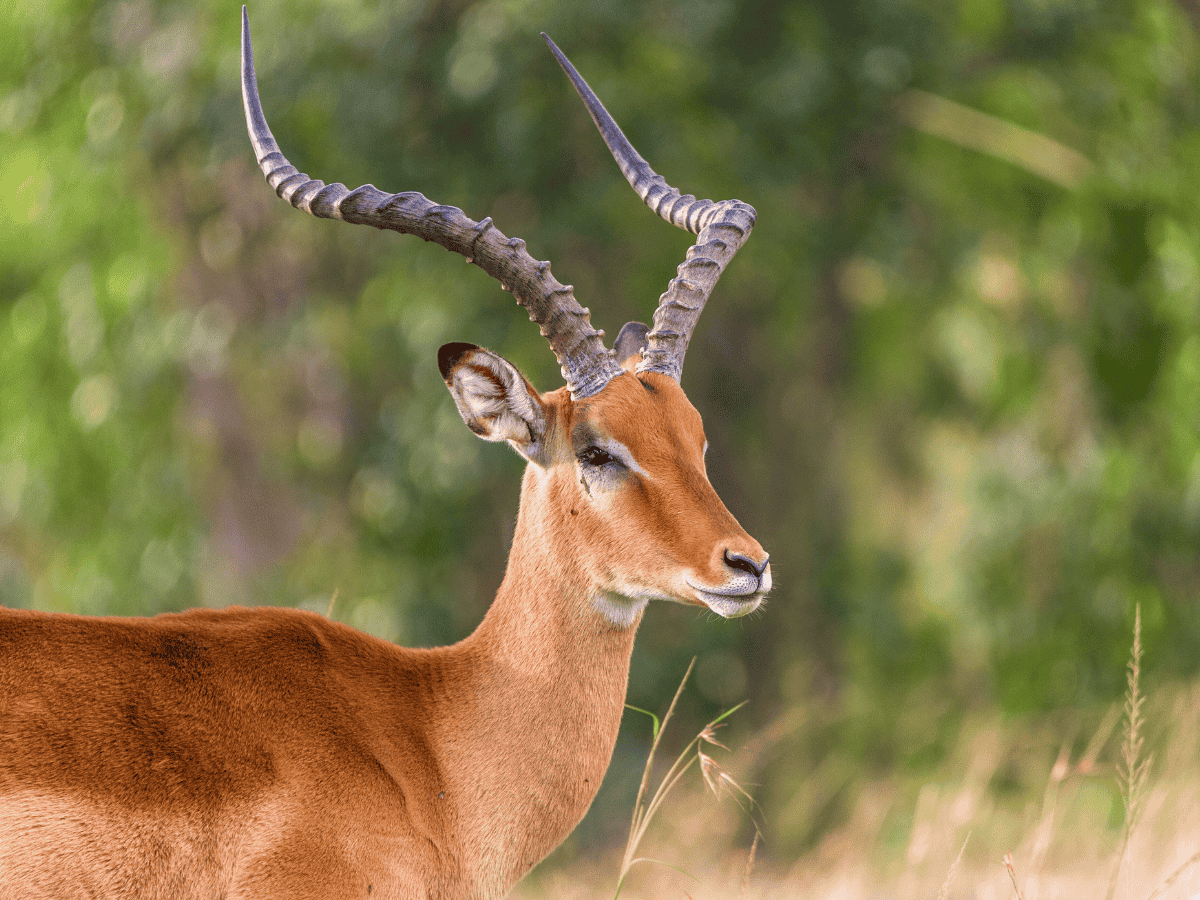
Impala are medium-sized antelope with reddish-brown coats and white underparts. Males have slender, lyre-shaped horns, while females do not. They have black markings on the tail and ears. Calves are smaller and stay close to females. They may be confused with other antelope, but their graceful build and jumping ability set them apart.
Behaviour
Impala are mixed feeders that graze and browse depending on season. They live in large herds and are highly alert. Males defend territories during breeding season. On safari, they are commonly seen grazing, running, or interacting.
Diet
Impala are mixed feeders that both graze and browse depending on the season. In the wet season, they feed mainly on fresh grasses. In the dry season, they switch to leaves, shoots, and seed pods from trees and shrubs. They feed throughout the day, often in large groups. This flexibility allows them to survive in changing conditions. They are selective and choose high-quality food. Their diet supports their agility and energy levels, making them one of the most adaptable antelope in Africa.
Habitat
Impala thrive in savanna and open woodland where there is a balance of grass and shrubs. Their habitat supports both grazing and browsing, making them highly adaptable. They prefer areas with good visibility and nearby cover for safety. Water availability influences their distribution. Travellers frequently encounter impala in large numbers across many reserves, often grazing in open areas or resting under trees, making them one of the most common animals seen on safari.
Conservation Status
Impala are listed as least concern, with large and stable populations across Africa. Their biggest threats include habitat loss and competition with livestock in some areas. However, they are highly adaptable and thrive in many environments. Strong populations exist in protected areas where they are a key prey species for predators. Safari tourism supports these ecosystems, helping maintain balanced wildlife populations and ensuring impala remain abundant across their range.
Interesting Facts
Impala are among the most common antelope on safari, known for their agility and impressive jumping ability. They can leap over 10 metres in a single bound and reach heights of up to 3 metres. Impala live in large herds and are highly adaptable, feeding on both grass and browse. Males are territorial and often engage in dramatic fights during the breeding season, locking horns in displays of strength.
Folklore
Impala are often seen as symbols of agility, grace, and alertness. Their ability to move quickly and change direction has made them representations of adaptability. In some traditions, they symbolise awareness and readiness, highlighting the importance of reacting quickly to challenges. Their presence in large groups reinforces themes of community and vigilance.