
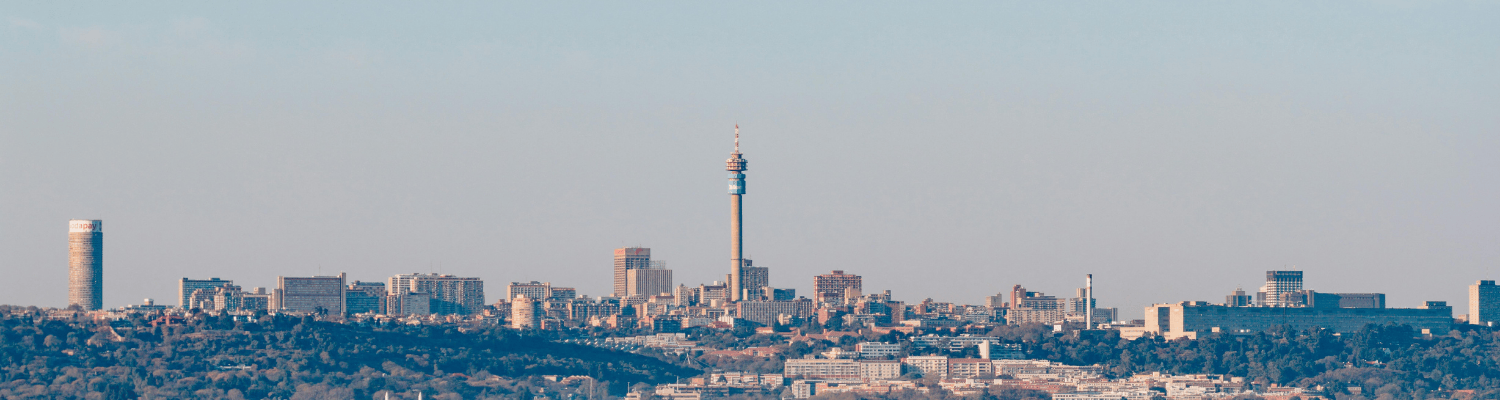
Johannesburg | A Complete Travel Guide
Explore travel tips, routes, and planning insights for JohannesburgOverview
Johannesburg is South Africa’s largest city and the country’s main international gateway for travellers arriving in southern Africa. It is best known for its historical significance, economic importance, and cultural institutions that reflect the country’s complex past, including museums and heritage sites linked to the struggle against apartheid. The city lies on the Highveld plateau, characterised by open grasslands and a cooler inland climate compared to coastal regions. While not a wildlife destination itself, it serves as a major travel hub for safaris, with convenient flight and road connections to Kruger National Park and other safari regions. Travellers typically pass through the city when beginning or ending safari journeys.






Gallery
Summary
Summary
Why Visit
Johannesburg is South Africa’s largest city and the main international gateway for travellers visiting the country’s safari regions. Most visitors pass through the city when travelling to Kruger National Park and other wildlife destinations. Johannesburg offers extensive infrastructure, major transport connections, and a wide range of accommodation. The city also has an important cultural and historical identity, with museums, markets, and neighbourhoods that reflect South Africa’s complex past and vibrant modern urban life.
Pros & Cons
⊕ Largest international gateway to South Africa’s safari regions
⊕ Major international airport with extensive global connections
⊕ Wide range of accommodation, restaurants, and services
⊕ Important cultural and historical attractions
⊕ Convenient starting point for many safari itineraries
⊖ Urban environment with busy traffic and large crowds
⊖ Crime concerns require travellers to remain cautious
⊖ Limited wildlife or safari experiences within the city itself
Highlights
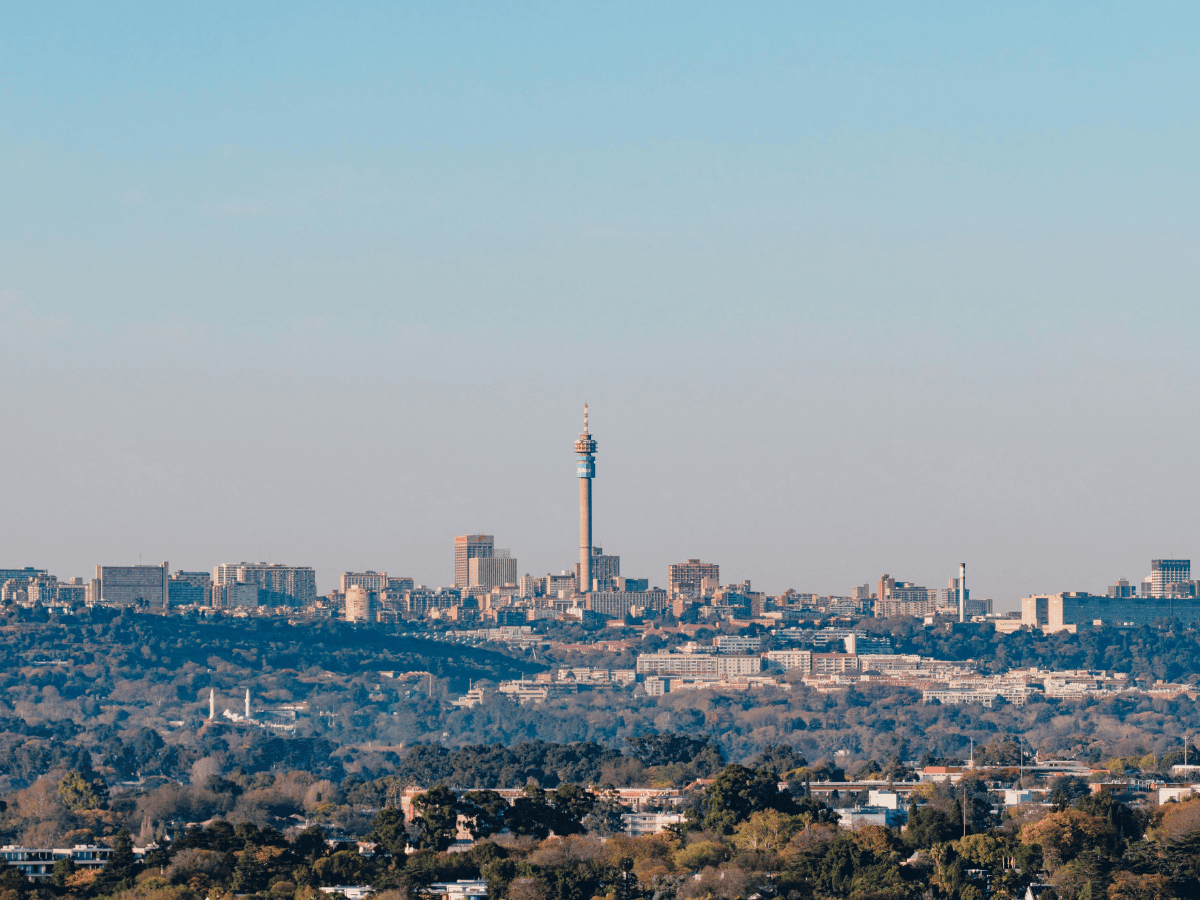
Johannesburg is the economic centre of South Africa and one of the most important transport hubs in Africa. The city is known for its modern skyline, vibrant neighbourhoods, and cultural landmarks. Key attractions include the Apartheid Museum, Constitution Hill, and the historic township of Soweto. Johannesburg also serves as the primary entry point for travellers heading to the Kruger region and other safari destinations across southern Africa.
› More About Highlights
Where To Go
Travellers often explore cultural and historical sites such as the Apartheid Museum, Constitution Hill, and Soweto. Neighbourhoods like Maboneng and Sandton offer restaurants, galleries, and shopping. The Cradle of Humankind, a UNESCO World Heritage Site located outside the city, is another major attraction known for its archaeological discoveries and cave systems.
› More About Where To Go
Activities & Experiences
Visitors can explore museums, cultural sites, art districts, and local markets. Guided tours of Soweto offer insight into South Africa’s history and communities. Shopping centres, restaurants, and entertainment venues provide urban experiences. Many travellers also use Johannesburg as the starting point for safari journeys to Kruger National Park and surrounding reserves.
› More About Activities & Experiences
When To Go
Johannesburg can be visited throughout the year. The city has a mild highland climate with warm summers and cooler winters. Summer from October to March brings afternoon thunderstorms and greener landscapes. Winter from May to August is dry and sunny with cooler temperatures, making it a comfortable time for sightseeing and travel.
› Explore When To Go
How To Get Here
Johannesburg is served by O.R. Tambo International Airport, the busiest airport in Africa. The airport offers direct flights to many international and regional destinations. The city is also connected by major highways and domestic flights to safari regions across South Africa.
› Explore Access & Getting There
Travel Information & Safety
Travellers should take normal urban safety precautions in Johannesburg. Avoid walking alone in unfamiliar areas, particularly at night, and use reputable transport services. Most visitors stay in established districts such as Sandton or Rosebank where hotels and tourism infrastructure are well developed.
› Explore Travel Information & Safety
Highlights
Johannesburg is South Africa’s largest city and the country’s main economic and transport hub. Known for its gold mining history, modern skyline, and cultural diversity, the city offers a mix of historical sites, museums, vibrant neighbourhoods, and urban parks. Travellers often pass through Johannesburg as the primary international gateway to southern Africa. Key highlights include the historic township of Soweto, the Apartheid Museum, the cultural precinct of Maboneng, and nearby wildlife experiences.
Soweto Township
Soweto is one of South Africa’s most historically significant townships and played a central role in the country’s struggle against apartheid. Visitors explore areas such as Vilakazi Street, the only street in the world where two Nobel Peace Prize winners once lived. Guided tours provide insight into South Africa’s history, culture, and community life.
› More About Soweto Township
Apartheid Museum
The Apartheid Museum is one of the most important historical museums in South Africa. Through photographs, film, documents, and exhibitions, it explains the history of apartheid and the country’s journey toward democracy. The museum offers visitors a powerful and educational introduction to South Africa’s modern history.
› More About Apartheid Museum
Maboneng Precinct
Maboneng is a revitalised inner-city neighbourhood known for its creative atmosphere. Former industrial buildings now host art galleries, restaurants, markets, and design studios. The precinct attracts visitors interested in Johannesburg’s contemporary culture, street art, and urban regeneration.
› More About Maboneng Precinct
Johannesburg Skyline and Sandton District
Sandton is the modern commercial centre of Johannesburg and home to many of the city’s tallest buildings, corporate headquarters, and luxury hotels. Nelson Mandela Square and Sandton City form one of the largest shopping and business districts in Africa. The area reflects Johannesburg’s role as the financial capital of the continent.
› More About Johannesburg Skyline and Sandton District
Cradle of Humankind
Located northwest of Johannesburg, the Cradle of Humankind is a UNESCO World Heritage Site known for some of the most important early human fossil discoveries. Visitors can explore caves, archaeological sites, and interactive exhibits at the Maropeng Visitor Centre. The area provides insight into the origins of humanity and the region’s deep prehistoric history.
› More About Cradle of Humankind
Activities & Experiences
Johannesburg offers a cultural and historical gateway into South Africa, rather than a traditional safari experience. Travellers visit for its rich history, urban energy, and access to key heritage sites that provide context to the country’s past and present. The experience is centred around guided tours, museums, and nearby heritage attractions, making it an important stop before or after a safari.
Full Day Johannesburg & Soweto Tour
A full day Johannesburg and Soweto tour is one of the most important experiences in the city, offering insight into South Africa’s history, culture, and transformation. Visitors explore key sites such as Soweto, gaining a deeper understanding of the country’s social and political landscape.
› More About Activity
Apartheid Museum
The Apartheid Museum is a defining experience in Johannesburg, providing a detailed and immersive look into South Africa’s history of apartheid. Through powerful exhibits and storytelling, visitors gain a deeper understanding of the country’s past and its journey toward democracy.
› More About Activity
Cradle of Humankind
The Cradle of Humankind offers a unique experience just outside Johannesburg, focusing on human origins and archaeological discovery. Visitors can explore fossil sites and interactive exhibits, making it both educational and engaging.
› More About Activity
Cultural Activities
Cultural activities in Johannesburg provide insight into the city’s diverse communities, art, and heritage. These experiences add depth to a visit, allowing travellers to engage with the modern identity of South Africa beyond its wildlife and landscapes.
› More About Activity
Other Notable Activities & Experiences
Other notable activities & experiences in this country
- Visits to Wildlife Rehabilitation Centers
Birding
When To Go
Johannesburg is a year-round city destination, with seasonal changes shaping the overall travel experience rather than defining it. Summer brings warm temperatures, afternoon thunderstorms, and green surroundings, while winter offers dry, sunny days with cooler mornings and evenings. The city remains active throughout the year, with relatively consistent tourism levels. Overall, expect more comfortable weather and clear skies in winter, and greener scenery with occasional rain during the summer months.
Best Time To Visit
The best time to visit Johannesburg is from May to September, when dry winter conditions bring clear skies, mild daytime temperatures, and minimal rainfall. This makes it ideal for exploring the city, visiting attractions, and enjoying outdoor experiences. The weather is stable and comfortable, creating a reliable and pleasant travel experience.
Jan | Feb | Mar |
Apr | May | Jun |
July | Aug | Sep |
Oct | Nov | Dec |
= Excellent = Good = Fair = Poor
Understanding The Seasons
Johannesburg has a summer rainfall climate, with most rain falling between October and March. Summers are warm with regular afternoon thunderstorms, while winters (May to September) are dry, sunny, and cooler, especially in the mornings and evenings. Unlike coastal regions, winter offers very stable weather with little rainfall. Visitor numbers remain relatively consistent throughout the year, with slight increases during holiday periods.
| Best Time To Visit | December to January |
| High Season | December to January |
| Low Season | June to August |
| Best Weather | May to September |
| Worst Weather | January to February |
Pros & Cons For Travel Seasons Here
May to September - Dry Season - Winter - ☀️ ⊕ Clear skies and stable weather | October to April - Green Season - Summer - 🌧️ ⊕ Green landscapes and vibrant surroundings |
❄️ Winter - May to September
May - Shoulder Season
Temperatures begin to drop, and rainfall disappears. Days are mild and sunny, while mornings and evenings become cooler. The city is comfortable to explore, and visitor numbers remain steady, creating a relaxed travel experience.
June, July & August - Peak Season
Cool, dry conditions dominate, with clear skies and crisp mornings. Days are pleasant and sunny, making this ideal for exploring the city. Visitor numbers remain moderate, and the overall atmosphere is calm and stable.
September - Peak Season
Temperatures begin to rise slightly, and conditions remain dry. The city becomes more active as spring approaches. Weather remains stable, and this is still a strong period for comfortable travel with clear skies.
🔥 Summer - October to April
October - Peak Season
Temperatures rise, and the first rains begin. The landscape starts to turn green, and the city feels more vibrant. Visitor numbers remain steady, and conditions are generally pleasant despite occasional rain.
November - Shoulder Season
Rainfall becomes more frequent, often in the form of afternoon thunderstorms. The city is green and lively, with warm temperatures. Visitor numbers remain moderate, and travel conditions are still generally good.
December (1 to 19) - Green Season
Warm conditions continue with regular rainfall. The city becomes quieter as many locals travel, creating a more relaxed atmosphere. Conditions are still good for exploring between rain showers.
December & January (20 Dec to 5 Jan) - Peak Season (Festive)
This is a quieter period in the city as many residents leave for holidays. Conditions are warm with occasional storms. The pace slows down, and some areas feel less busy, creating a different city experience.
January, February & March - Green Season
Hot conditions with frequent afternoon thunderstorms dominate. The city is lush and green, and the atmosphere is active. Visitor numbers remain moderate, and travel is generally smooth outside of rain periods.
April - Shoulder Season
Rainfall begins to ease, and temperatures become more comfortable. The city transitions into drier conditions, and the overall experience becomes more stable. Visitor numbers remain steady, making this a balanced time to visit.
How To Get Here
Johannesburg is South Africa’s main international gateway and is easily reached from major cities across Europe, the Middle East, North America, and Africa. Most travellers arrive via O.R. Tambo International Airport, which sits just outside the city. The city is also well connected domestically, with frequent flights from Cape Town, Durban, and other regional hubs, making it the primary entry point for onward travel to safari regions across the country.
Main Airports Serving Johannesburg
O.R. Tambo International Airport (JNB) – Johannesburg
This is the busiest airport in Africa and the main international gateway into South Africa. It offers extensive global and domestic connections. The airport is located about 20 to 30 minutes from central Johannesburg, and travellers typically reach the city via private transfers, ride-hailing services, taxis, or the Gautrain.
Lanseria International Airport (HLA) – Johannesburg
Lanseria is a smaller airport located northwest of the city, mainly serving domestic routes. It is often used as an alternative to O.R. Tambo for travellers heading to nearby areas. Transfers into the city are typically done by car, taxi, or private shuttle, with travel times depending on traffic and final destination.
Getting Around The City
Getting around Johannesburg is best done by car, with ride-hailing services, private transfers, and rental vehicles being the most common options. The city is large and spread out, making walking impractical in most areas. The Gautrain offers a fast and reliable link between O.R. Tambo, Sandton, and Pretoria, but most travellers rely on road transport for flexibility and convenience.
Find Flights To Johannesburg
Johannesburg is well connected to international destinations, with direct flights from major global hubs. Travellers can also connect via regional or long-haul routes depending on their departure point. Domestic flights from within South Africa are frequent and efficient. Travellers can use the links below to compare routes, airlines, and pricing.
› www.skyscanner.com
› www.travelstart.co.za
Domestic Airlines & Internal Flights In South Africa
Johannesburg is the central hub for domestic travel in South Africa, with frequent flights to cities such as Cape Town, Durban, and key safari gateways like Hoedspruit and Nelspruit. These routes are short and well serviced, making it easy to connect onward to different regions across the country.
› Airlink – (Commercial) – Connects Johannesburg with major cities and regional safari destinations across South Africa
› FlySafair – (Commercial) – Operates frequent and affordable flights between Johannesburg and key domestic hubs
› CemAir – (Commercial) – Flies between Johannesburg and smaller regional airports throughout the country
› Lift – (Commercial) – Provides regular flights between Johannesburg, Cape Town, and Durban
Travel Information
Johannesburg is a vibrant and well-connected city, often used as a gateway to South Africa’s safari destinations. It offers modern infrastructure, major transport hubs, and a wide range of accommodation and services. Travellers can move easily using private transport or ride services. With general awareness and simple planning, visitors can enjoy the city’s energy, culture, and convenience with confidence.
Safety Precautions In This City
Getting around Johannesburg is straightforward when using trusted transport options such as ride services, hotel transfers, or private vehicles. Stick to well-known areas and plan routes in advance, especially when exploring different parts of the city. Keep personal belongings secure and remain aware of your surroundings. A calm, prepared approach allows for a smooth and comfortable experience.
Safety Precautions During Activities
Johannesburg offers a variety of cultural tours, museums, and urban experiences. Choose reputable operators and follow local guidance during all activities. Stay aware in busy areas such as markets, attractions, and public spaces. Keep valuables close and avoid distractions when moving through crowds. These simple habits allow you to enjoy the city’s experiences in a relaxed and confident way.
Safety Precautions At Your Hotel
Hotels in Johannesburg are generally well managed and designed with guest comfort in mind. Keep valuables stored securely, lock your room when leaving, and be mindful when entering or exiting the property. Use hotel safes where available and avoid leaving items unattended. These small precautions help ensure a smooth and relaxed stay.
LGBTQ + Safety Guidance
South Africa is known for its progressive approach to LGBTQ+ rights, and Johannesburg is one of the most open and diverse cities in the country. Many travellers visit comfortably and find welcoming spaces throughout the city. As with any destination, experiences may vary depending on the setting, so it is helpful to remain aware of local context. A respectful approach supports an enjoyable visit.