
Karongwe Private Game Reserve | A Complete Travel Guide
Discover wildlife, lodges, and planning insights for Karongwe Private Game ReserveOverview
Karongwe Private Game Reserve lies in South Africa’s Greater Kruger area near the foothills of the Drakensberg Mountains. It is best known for offering private lodge-based safaris with good wildlife viewing in a relatively accessible setting. The landscape includes bushveld plains, riverine vegetation along the Makhutswi River, and open savannah that supports a range of mammals and bird species. Wildlife in the reserve includes the Big Five along with numerous antelope and smaller predators. Travellers typically visit for guided game drives, comfortable lodge accommodation, and the opportunity to experience a quieter safari environment within the broader Lowveld safari region.



Gallery
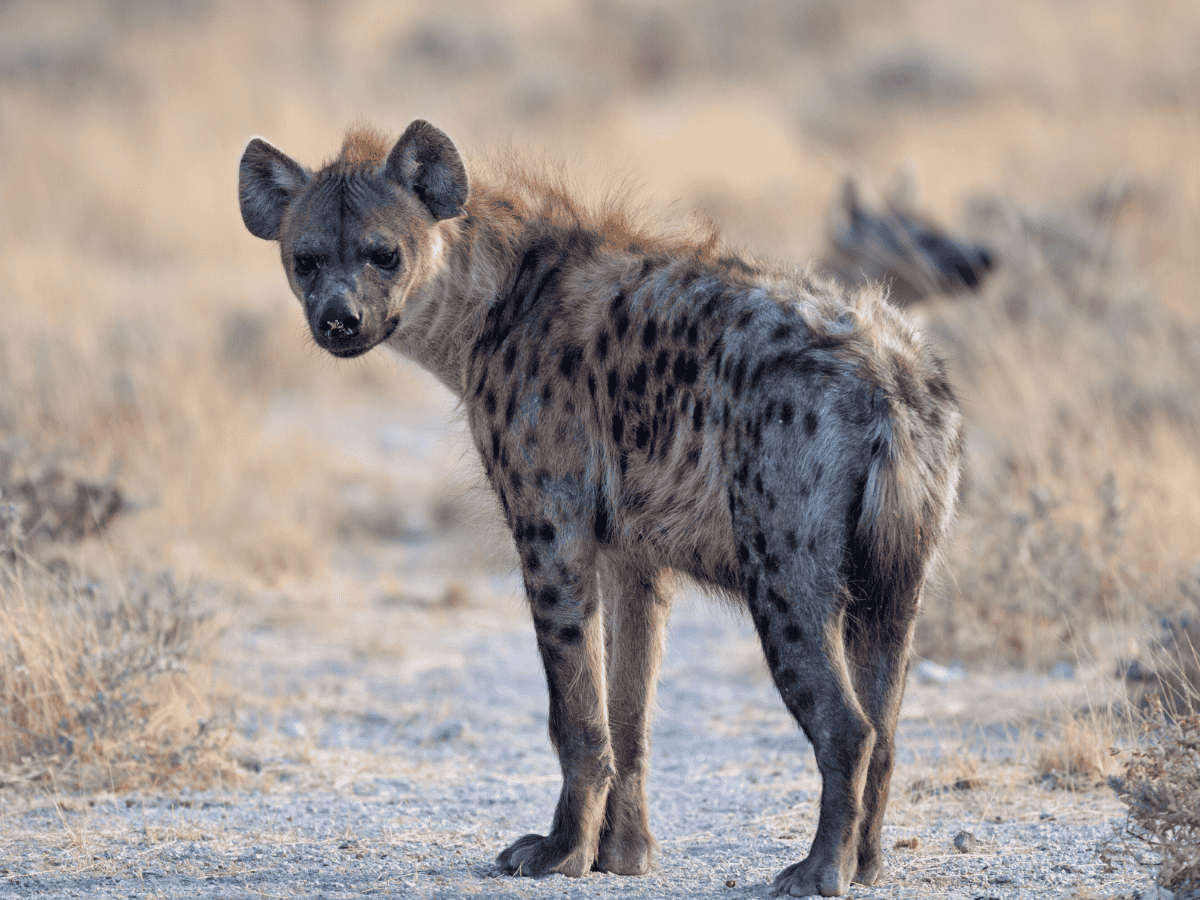
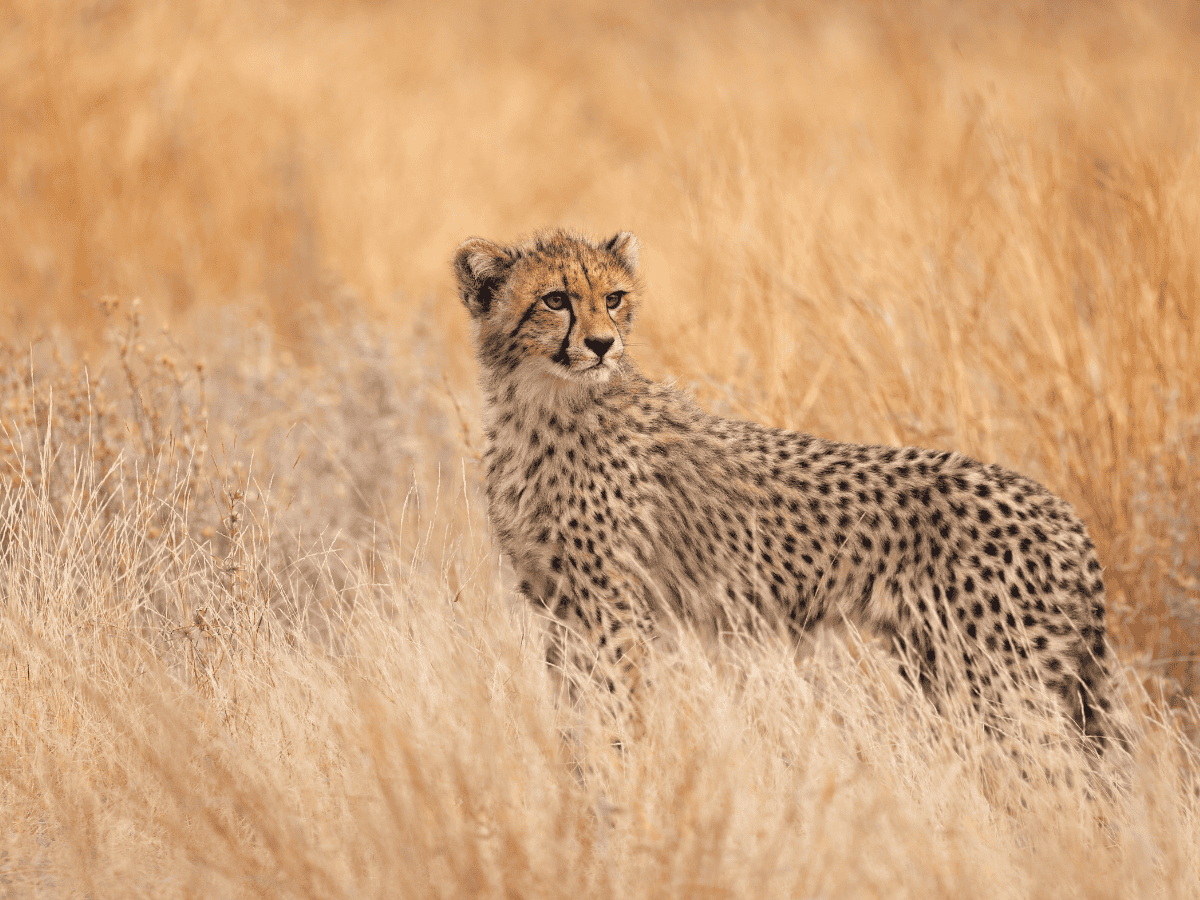
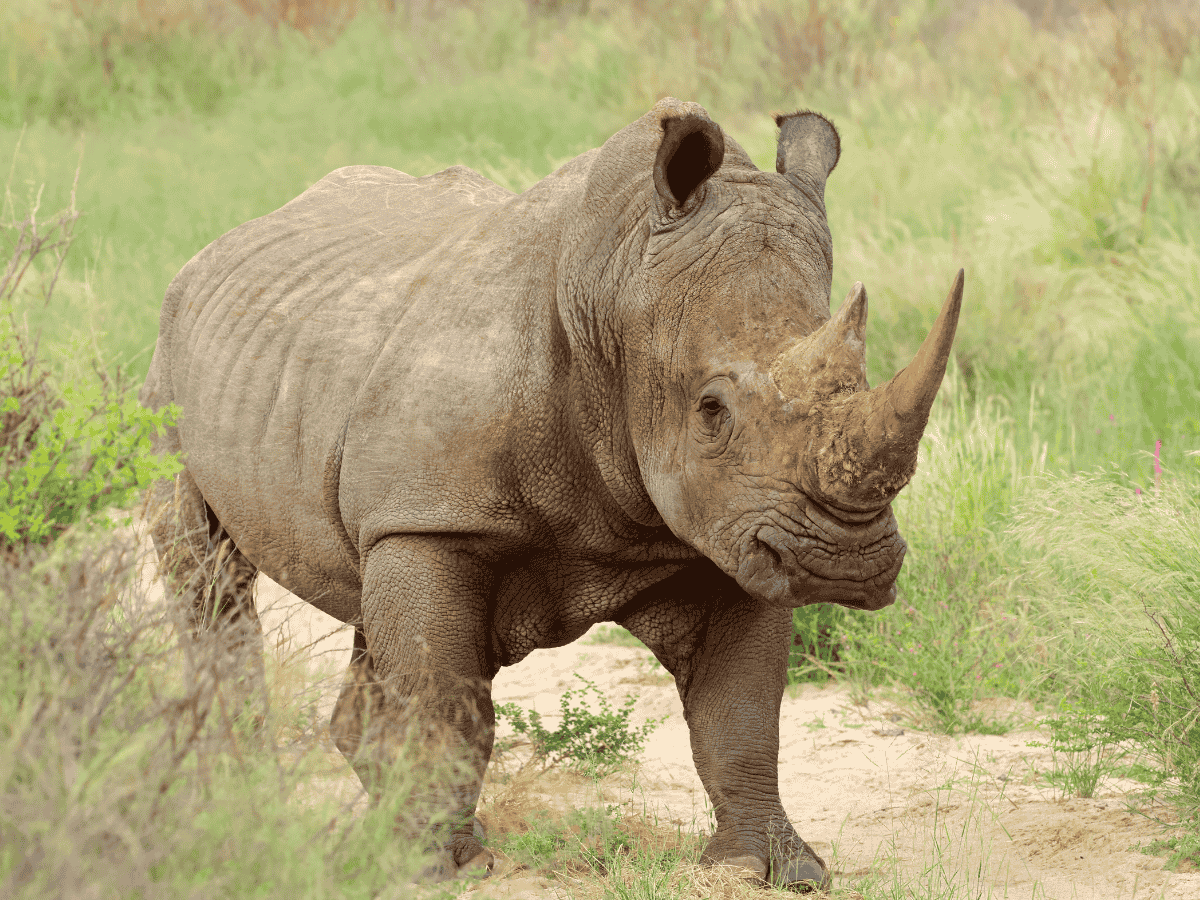
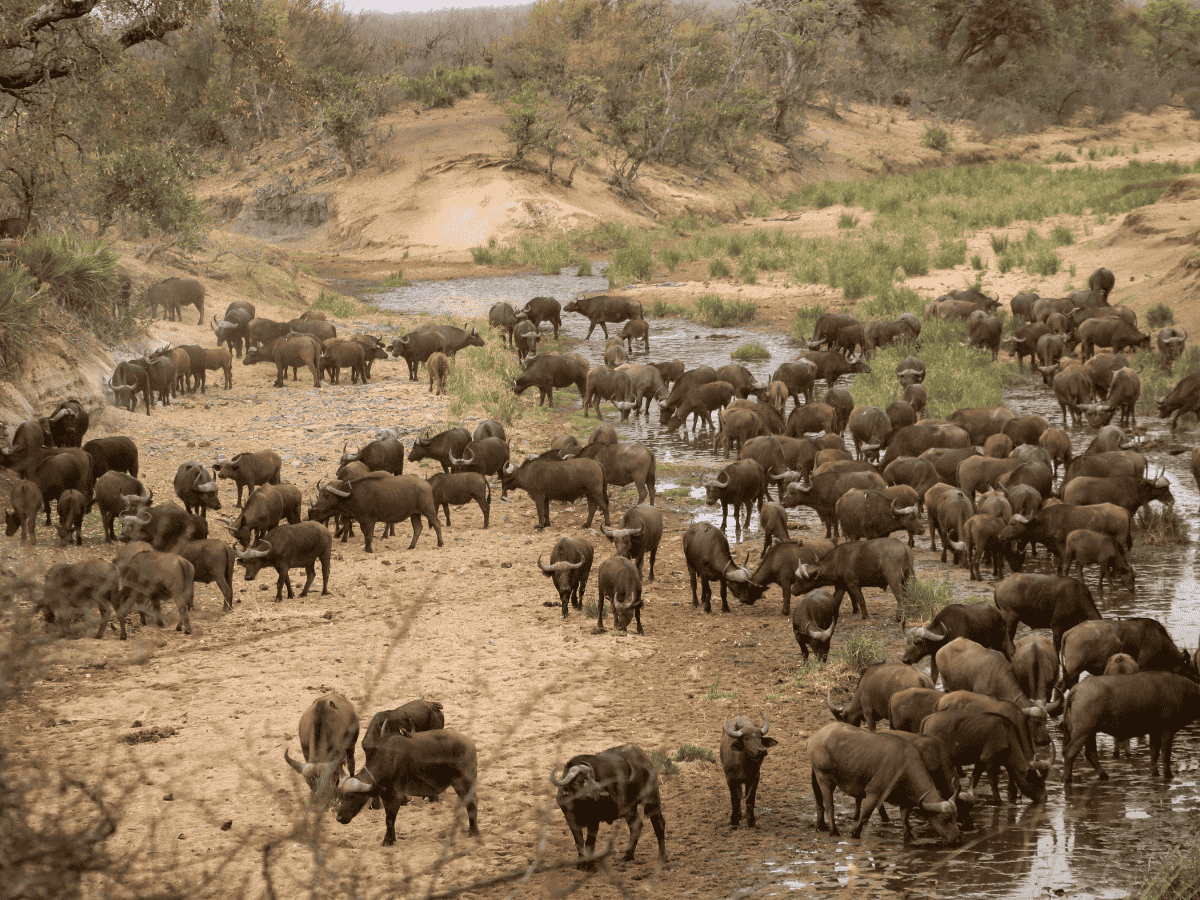
Summary
Summary
Why Visit
Karongwe Private Game Reserve offers a relaxed safari experience in the Greater Kruger region. Travellers visit for its scenic landscapes, comfortable lodges, and good wildlife viewing. The reserve lies along the Makhutswi River and features a mix of bushveld woodland, open plains, and riverine habitat that support diverse wildlife. Karongwe is distinctive for combining a quieter atmosphere with accessible safari infrastructure, making it a good option for travellers seeking a more intimate lodge-based safari.
Pros & Cons
⊕ Good Big Five wildlife viewing opportunities
⊕ Quieter atmosphere compared with larger safari reserves
⊕ Comfortable lodge options with varied price points
⊕ Accessible from Hoedspruit and nearby airports
⊕ Scenic landscapes along the Makhutswi River
⊖ Malaria risk exists in the region
⊖ Smaller reserve compared with neighbouring Greater Kruger areas
⊖ Wildlife density may be lower than in some larger reserves
Highlights
Karongwe Private Game Reserve lies in the Greater Kruger region near Hoedspruit. The reserve protects a landscape of bushveld woodland, riverine habitat, and open savannah along the Makhutswi River. Karongwe is known for its comfortable safari lodges and peaceful atmosphere. Visitors often experience quieter game drives while still enjoying access to diverse wildlife in a scenic natural setting.
› More About Highlights
Wildlife
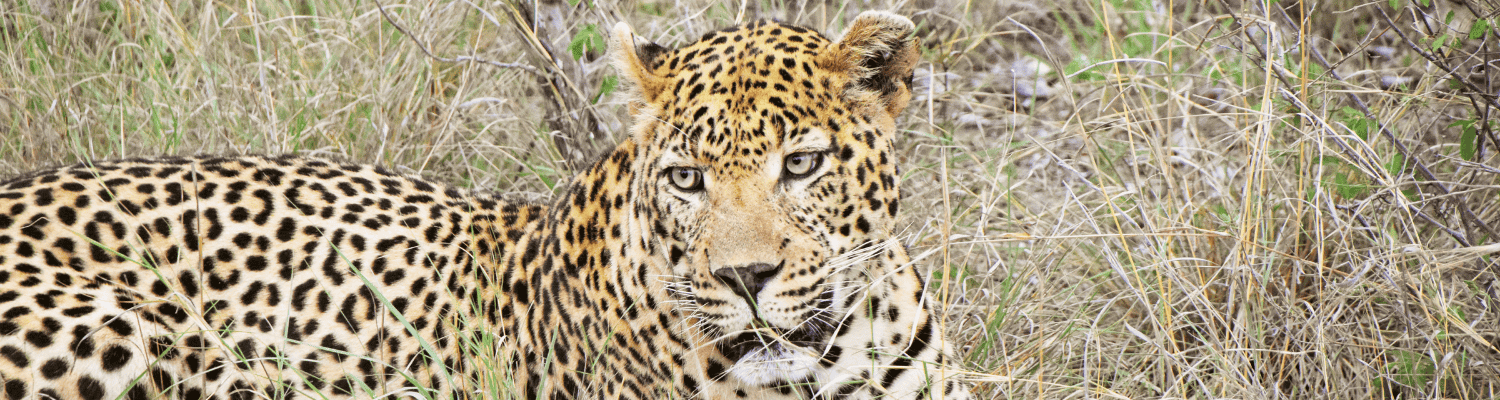
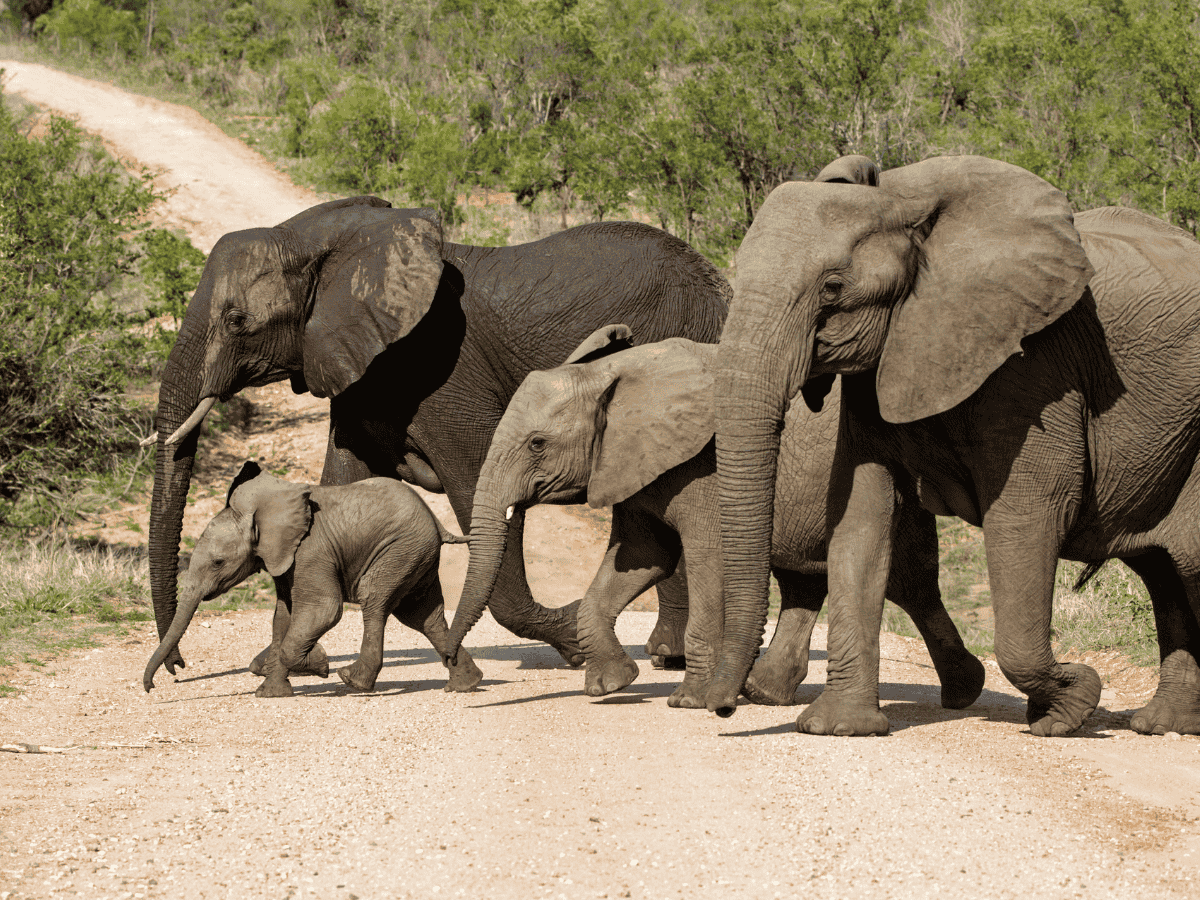
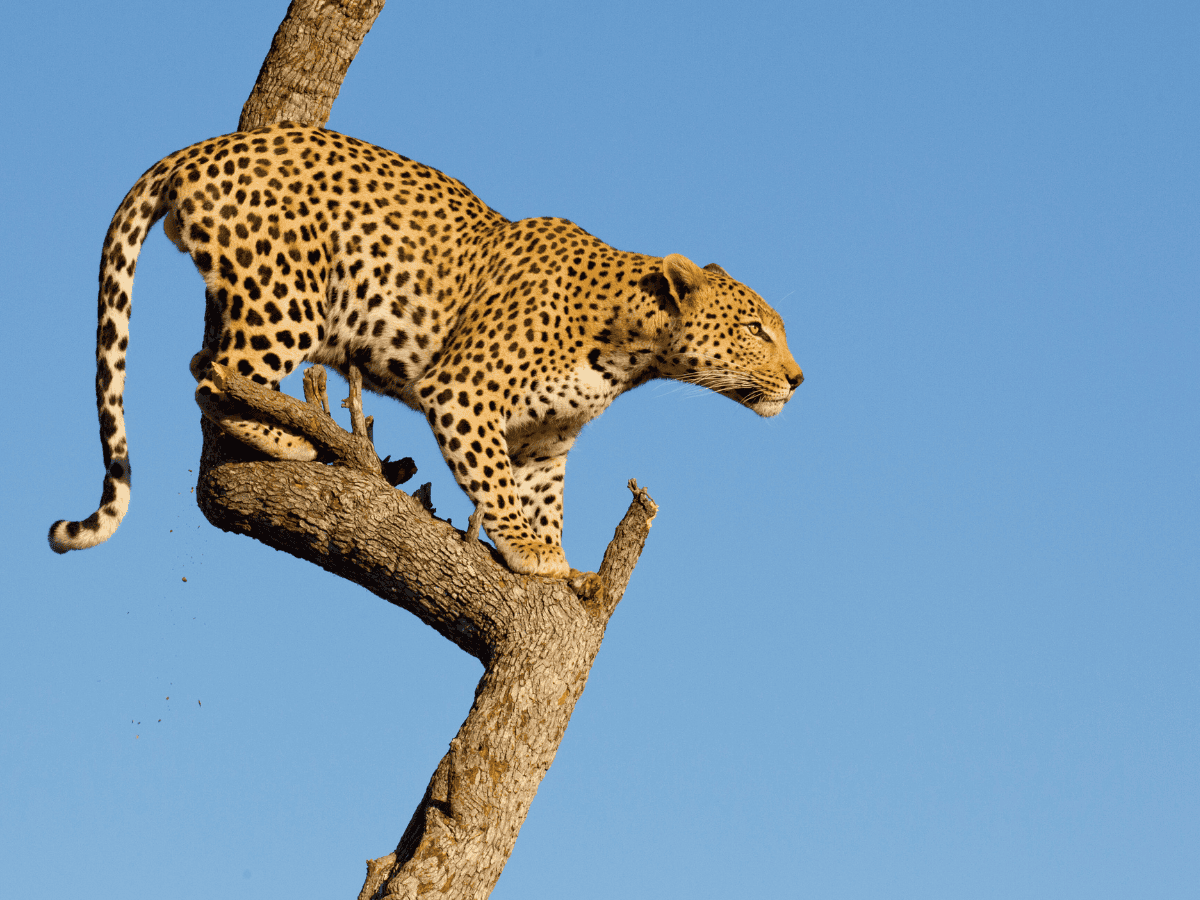
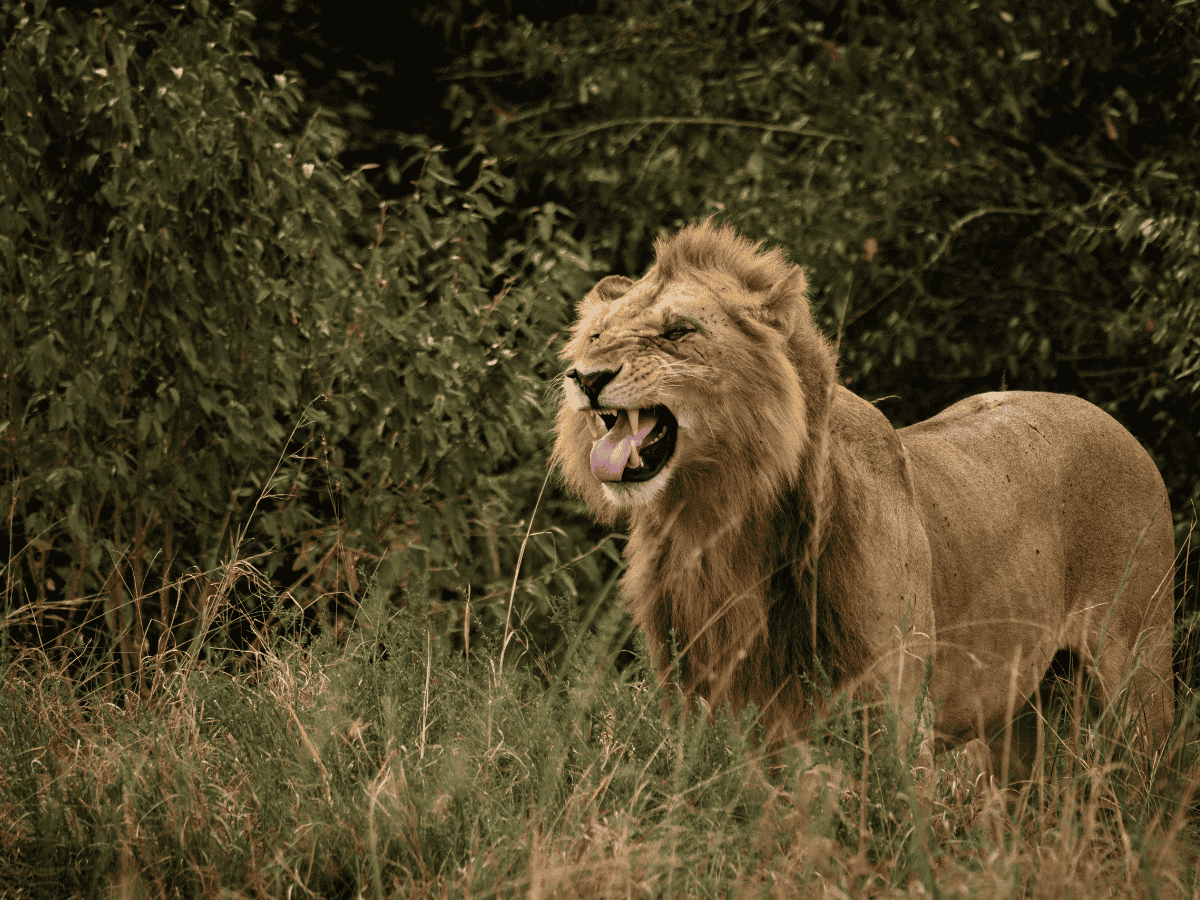
Karongwe supports the Big Five: lion, leopard, elephant, rhino, and buffalo. Lions and elephants are commonly seen, while leopards and rhinos occur throughout the reserve. Other animals include giraffe, zebra, wildebeest, and several antelope species that thrive in the bushveld environment.
› More About Wildlife
Birding
Karongwe offers rewarding birding with more than 300 recorded species. The reserve’s mix of riverine habitat, woodland, and open grassland attracts a wide variety of birds. Notable species include the African fish eagle, martial eagle, lilac-breasted roller, and several hornbill and kingfisher species.
› More About Birding
Activities
Safari activities focus on guided game drives led by experienced rangers and trackers. Some lodges also offer guided bush walks where visitors can explore the ecosystem on foot. Birdwatching and wildlife photography are popular due to the reserve’s diverse habitats and wildlife sightings.
› More About Activities & Experiences
Best Time To Visit
Wildlife viewing is generally best during the dry winter months from May to September when vegetation becomes thinner and animals gather near water sources. Winter temperatures are cooler and comfortable for game drives. Summer from October to April brings warmer weather and rainfall, creating greener landscapes and excellent birdlife.
› Explore Best Time To Visit
Access & Getting There
Karongwe Private Game Reserve lies near Hoedspruit in the Greater Kruger region. Most visitors reach the reserve via road transfer from Hoedspruit Airport. Charter flights to nearby airstrips may also be arranged by some lodges.
› Explore Access & Getting There
Health & Safety
Karongwe lies within a malaria risk area, so travellers should consult medical advice before visiting. Safari activities are guided by trained professionals who follow strict safety procedures. Guests should follow ranger instructions during wildlife encounters and remain in vehicles unless instructed otherwise. Standard travel precautions are recommended when travelling through nearby towns.
› Explore Health & Safety
Highlights
Karongwe Private Game Reserve lies in South Africa’s Limpopo Province along the western edge of the Greater Kruger safari region. The reserve is known for its accessible Big Five safari experiences within classic Lowveld bushveld landscapes. Seasonal rivers, open savanna, and woodland habitats support a variety of wildlife including predators, large herbivores, and numerous bird species. Visitors explore the reserve through guided game drives and bush walks while staying at several safari lodges positioned throughout the reserve.
Big Five Wildlife Viewing
Karongwe Private Game Reserve supports the Big Five along with a wide range of other mammals and bird species typical of the Lowveld ecosystem. Lions, elephants, buffalo, rhinos, and leopards are among the animals seen during guided game drives. The reserve’s varied habitats provide opportunities to observe wildlife throughout the year.
› More About Big Five Wildlife Viewing
Makhutsi River Landscapes
The Makhutsi River flows through parts of the reserve and plays an important role in shaping the surrounding vegetation and wildlife movement patterns. Riverine woodland provides shade and food sources that attract animals, particularly during dry periods. Game drives along the river corridor often produce sightings of elephants, antelope, and predators.
› More About Makhutsi River Landscapes
Guided Safari Experience
Wildlife activities in Karongwe take place through guided game drives and bush walks led by professional rangers. These safaris focus on tracking animals, interpreting behaviour, and exploring the reserve’s ecosystems. Visitors gain a deeper understanding of the bush while observing wildlife in a controlled and educational environment.
› More About Guided Safari Experience
Lowveld Bushveld Ecosystem
Karongwe is characterised by classic Lowveld bushveld landscapes including open savanna, scattered thorn trees, and woodland areas. These habitats support both grazing and browsing animals while creating ideal conditions for predators. The reserve reflects the broader ecological character of northeastern South Africa’s safari regions.
› More About Lowveld Bushveld Ecosystem
Private Lodge Safari Environment
Karongwe contains several safari lodges located throughout the reserve, each offering accommodation within the surrounding bushveld. Guests typically participate in early morning and evening game drives before returning to lodges overlooking riverbeds or open plains. This combination of wildlife activities and lodge-based hospitality defines the reserve’s safari experience.
› More About Private Lodge Safari Environment
Wildlife
Karongwe Private Game Reserve offers a classic Big Five safari experience within a compact, well-managed concession. Elephant, buffalo, lion, and rhino are commonly seen, along with giraffe, zebra, and a range of antelope species. The reserve provides consistent sightings across open savanna and riverine habitat.
Wildlife Highlights
Karongwe is known for reliable Big Five encounters in a relatively small area, making sightings more frequent. Lion are commonly seen, while leopard occur but are less predictable. The reserve’s size and guided tracking allow for steady wildlife viewing throughout the day.
When To Go For Wildlife Viewing
Wildlife viewing is best from May to September when vegetation is sparse and animals gather around water. Summer brings thicker bush and wider distribution, but sightings remain consistent due to permanent water sources and concentrated wildlife within the reserve.
Wildlife Viewing By Month | ||
Jan | Feb | Mar |
Apr | May | Jun |
July | Aug | Sep |
Oct | Nov | Dec |
= Excellent = Good = Fair = Poor
Iconic Wildlife & Your Chances Of Finding Them
Wildlife Occurrence & Viewing Likelihood
🔵 Abundant here; 🟢 Common here; 🟡 Occassional here; 🔴 Rare here; ⚫ Does not occur
Lion | Leopard | Elephant |
🔵 Abundant here | 🟢 Common here | 🔵 Abundant here |
Buffalo | White Rhino | Black Rhino |
🔵 Abundant here | 🟢 Common here | ⚫ Does not occur |
Giraffe | Wild Dog | Cheetah |
🔵 Abundant here | ⚫ Does not occur | 🟢 Common here |
Spotted Hyena | Brown Hyena | Hippo |
🟢 Common here | ⚫ Does not occur | 🟢 Common here |
Zebra | Wildebeest | Meerkat |
🔵 Abundant here | 🔵 Abundant here | ⚫ Does not occur here |
Other Notable Wildlife
Other notable wildlife found in this country
- Impala
Greater Kudu
Waterbuck
Bushbuck
Warthog
Baboon
Vervet Monkey
Aardvark
Serval
Honey Badger
Birds
Karongwe Private Game Reserve offers rewarding Lowveld birding along the Makhutswi River and surrounding savannah. The mix of riverine woodland, open bushveld, and seasonal water supports a wide variety of species. The reserve is compact and quiet, allowing for consistent and accessible birding throughout.
Birding Highlights
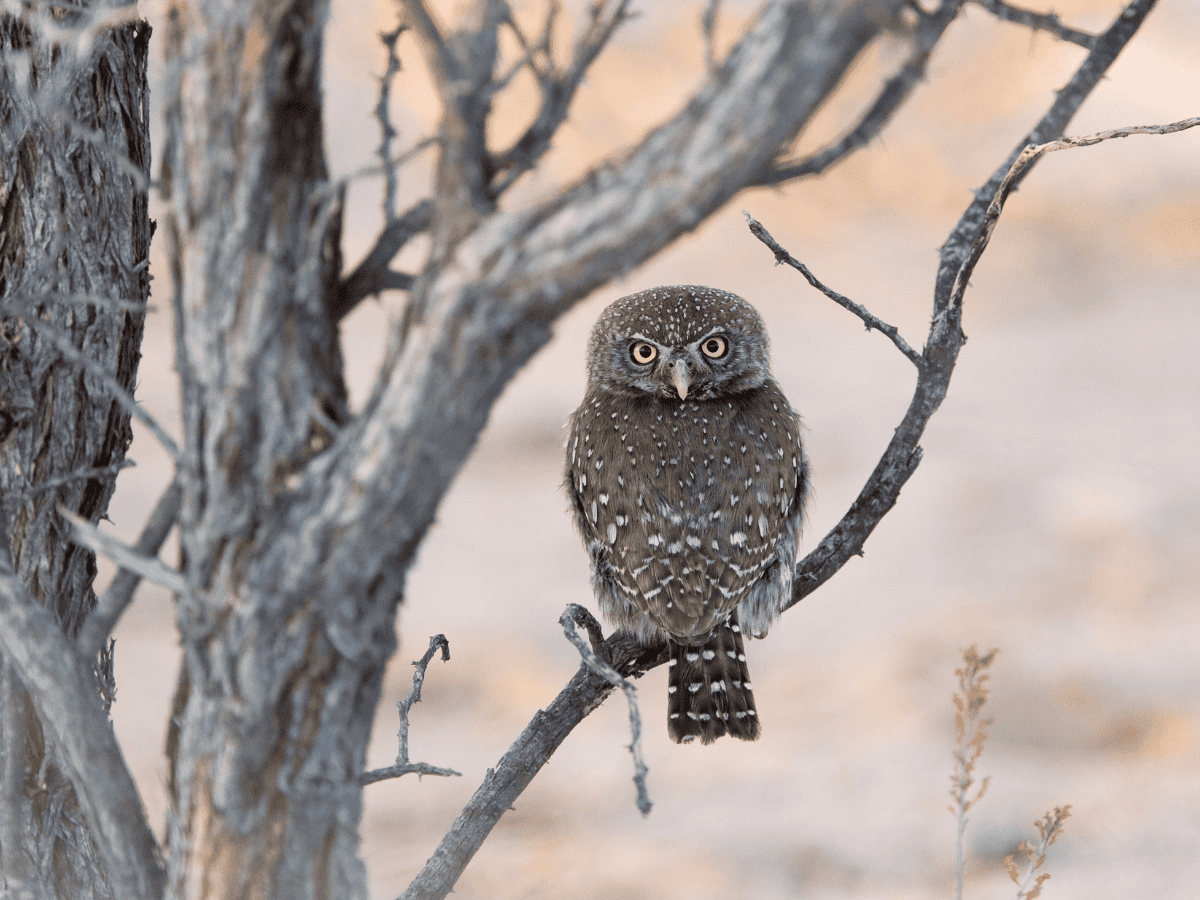
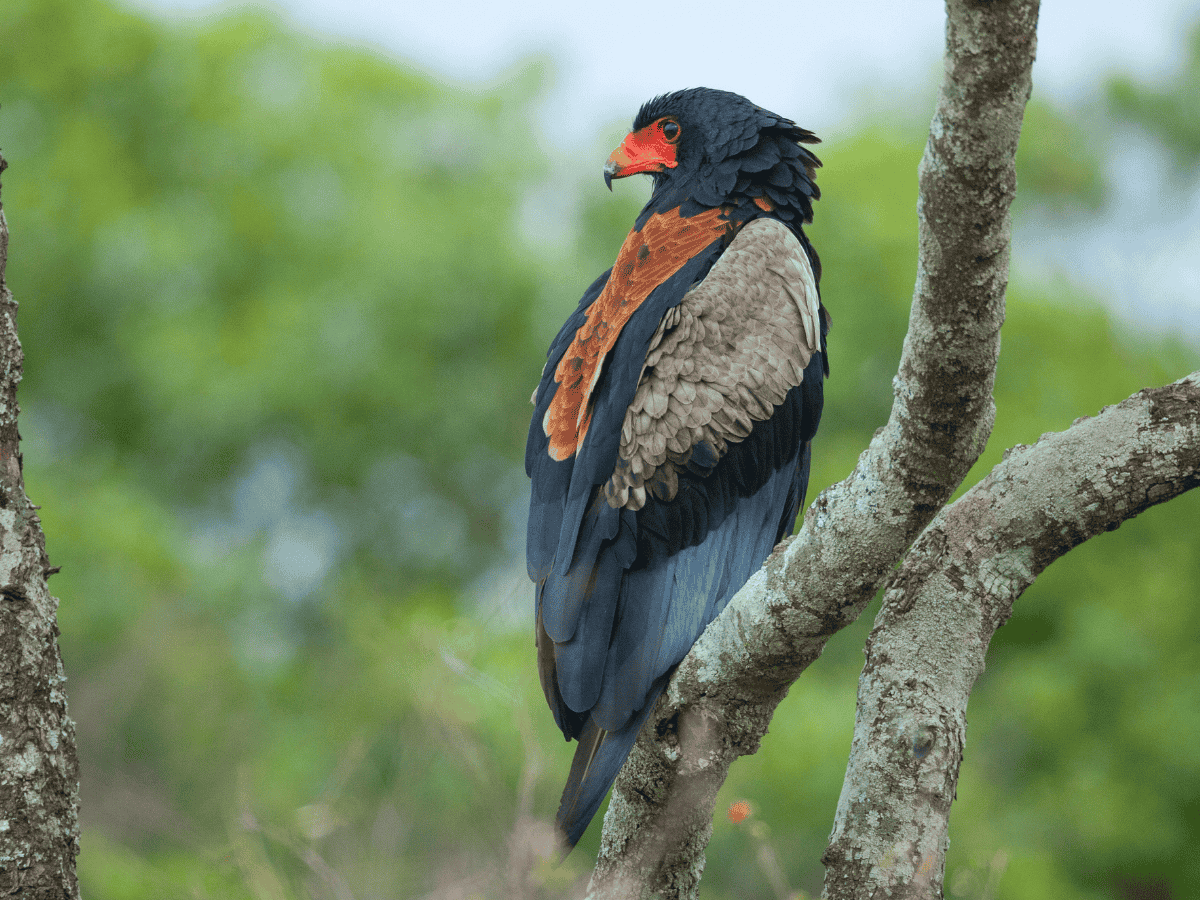
Highlights include strong raptor sightings such as Martial Eagle and Bateleur, along with regular encounters with Southern Ground Hornbill. Riverine areas attract kingfishers, storks, and herons, while woodland supports hornbills, rollers, and bushshrikes. Night drives offer opportunities to see owls and nightjars.
When To Go For Birding
Birding is best from October to March when migrants arrive and breeding activity increases. Birds are more vocal and active across habitats. Winter offers excellent visibility and strong raptor sightings, though overall species diversity is slightly lower than in summer.
Birding By Month | ||
Jan | Feb | Mar |
Apr | May | Jun |
July | Aug | Sep |
Oct | Nov | Dec |
= Excellent = Good = Fair = Poor
Iconic Birds & Your Chances Of Finding Them Here
Table showing the top parks and reserves where you will have the best chance at findig the birds you want to see:
🔵 Abundant here; 🟢 Common here; 🟡 Occasional here; 🔴 Rare here; ⚫ Does not occur here
African Fish Eagle | Lilac-breasted Roller | Southern Ground Hornbill |
🔵 Abundant here | 🔵 Abundant here | 🟢 Common here |
Martial Eagle | Bateleur | Saddle-billed Stork |
🟢 Common here | 🟢 Common here | 🟢 Common here |
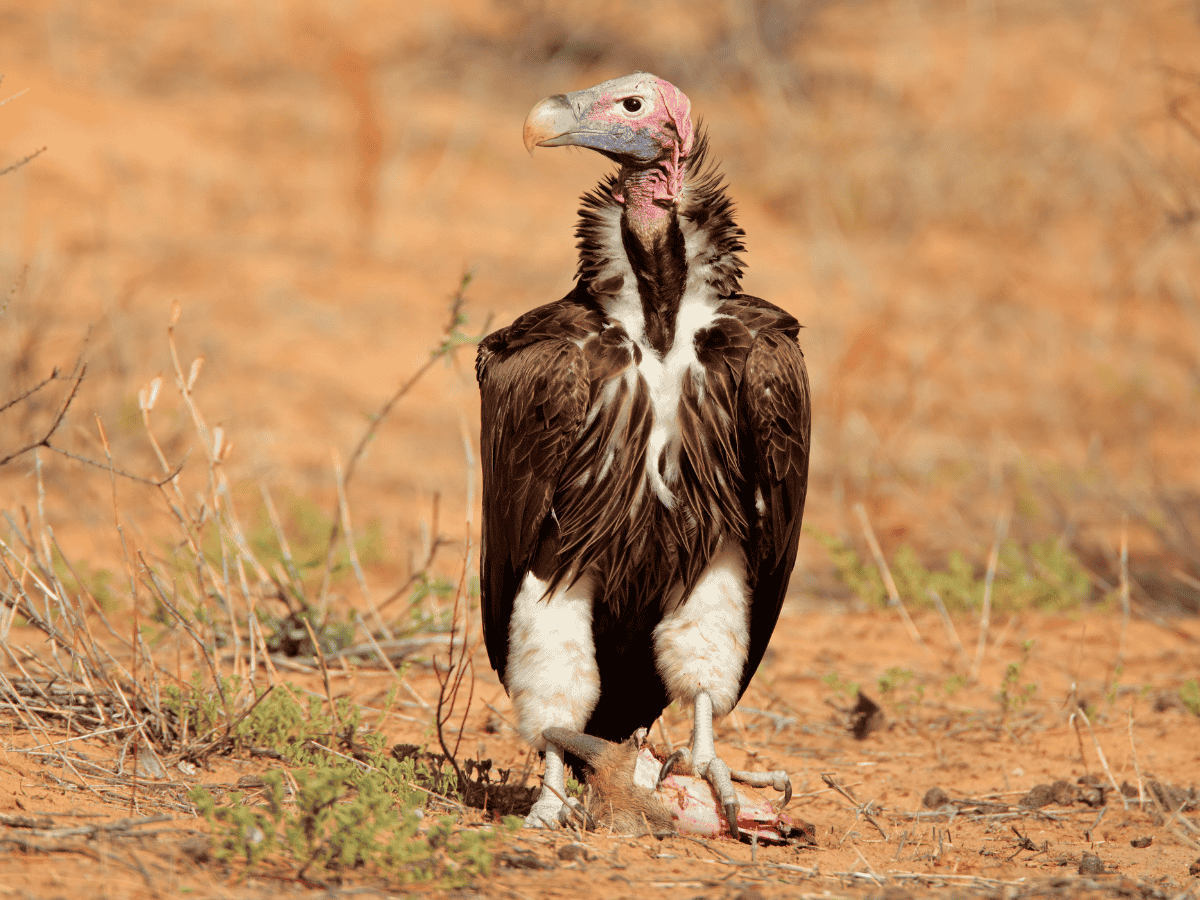
White-backed Vulture | Lappet-faced Vulture | Malachite Kingfisher |
🟢 Common here | 🟡 Occasional here | 🟢 Common here |
Other Notable Birds
Other notable birds found in this country
- African Hawk-Eagle
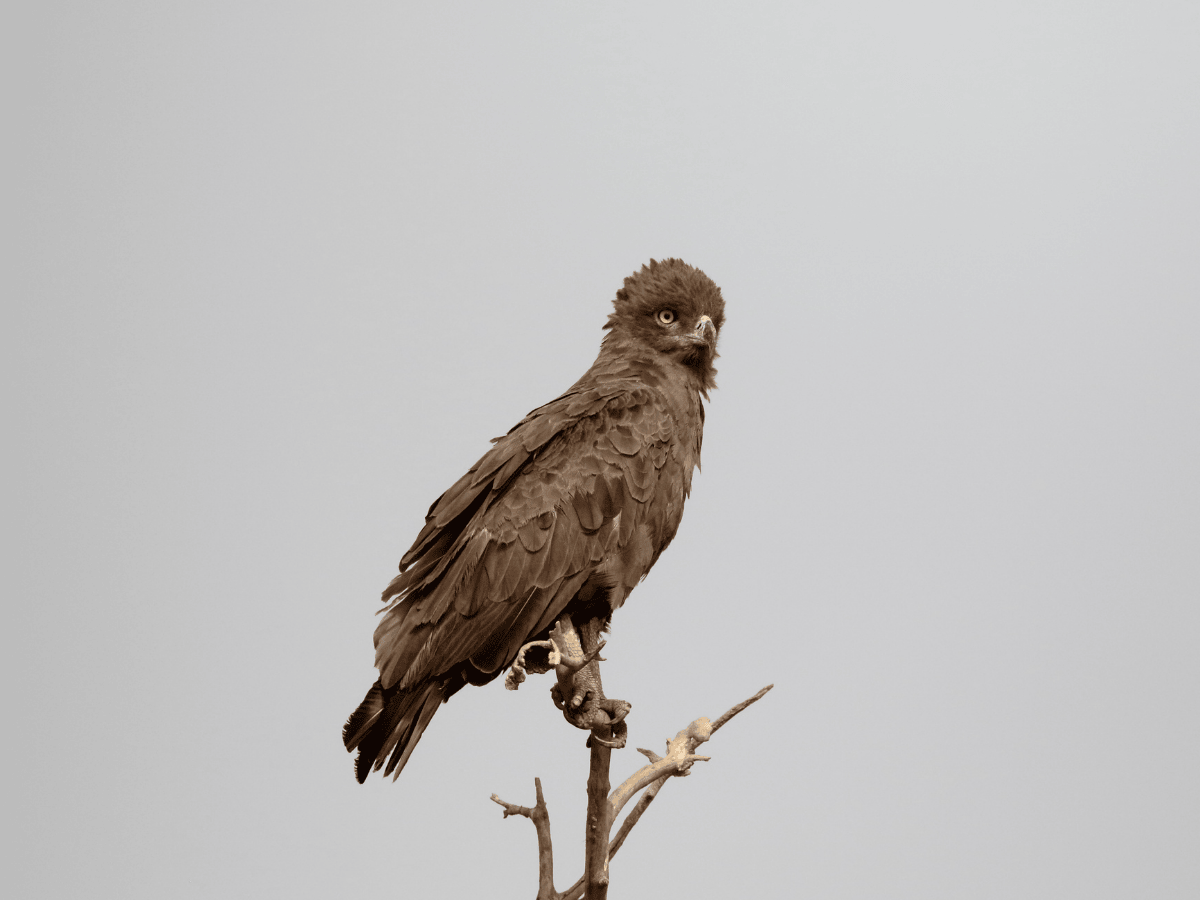
Brown Snake Eagle
Black-chested Snake Eagle
African Jacana
Square-tailed Nightjar
Fiery-necked Nightjar
Verreaux’s Eagle-Owl
African Wood Owl
Burchell’s Starling
Arrow-marked Babbler
Gabar Goshawk
European Bee-eater
African Pygmy Goose
Activities & Experiences
Karongwe Private Game Reserve is defined by its intimate Big Five safari experience, accessible location, and balance between quality wildlife viewing and value. Travellers visit for guided game drives in a private reserve setting, where off-road tracking and lower vehicle density enhance sightings. The reserve offers a well-rounded safari with a mix of classic game viewing and immersive bush activities, making it suitable for both first-time visitors and those seeking a quieter alternative to larger reserves.
Morning game drives
Morning game drives are a core part of the Karongwe experience, offering strong opportunities to encounter the Big Five and other wildlife. Early departures maximise animal activity, particularly for predators, while experienced guides and trackers enhance sightings through detailed interpretation and tracking skills.
› More About Activity
Night game drives
Night game drives provide access to Karongwe’s nocturnal wildlife, revealing species rarely seen during the day. Using spotlights, guides search for animals such as hyenas, civets, bush babies, and active predators. This adds variety and excitement to the safari experience.
› More About Activity
Guided bush walks
Guided bush walks allow guests to explore Karongwe on foot, offering a more immersive understanding of the environment. Led by experienced guides, these walks focus on tracks, plants, and smaller wildlife, creating a closer connection to the bush and its ecosystems.
› More About Activity
Animal Tracking on Foot
Animal tracking on foot highlights the skill of Karongwe’s trackers, focusing on following spoor and interpreting signs in the bush. Guests gain insight into animal movement and behaviour, making the safari more interactive and educational while adding a sense of adventure.
› More About Activity
Other Notable Activities & Experiences
Other notable activities & experiences in this country
- Afternoon game drives
Guided Nature Walks
Full Day Game Drive
Sleepout Experiences
Conservation Activities
Cultural Activities
Birding
Visits to Wildlife Rehabilitation Centers
When To Go
Karongwe Private Game Reserve offers a relaxed, year-round safari experience with seasonal changes influencing how wildlife is encountered rather than overall quality. The dry winter months provide more predictable sightings and are the most popular time to visit, while the green summer season brings lush landscapes, fewer visitors, and a softer, more scenic feel. Compared to larger or more premium reserves, Karongwe feels accessible and easy-going, with a steady and comfortable safari rhythm throughout the year.
Best Time To Visit
The best time to visit Karongwe is from May to September during the dry winter season. Vegetation is sparse, and wildlife movement becomes easier to follow, making sightings more consistent. The reserve’s manageable size supports regular encounters during this period. The weather is dry and mild, creating comfortable conditions for game drives and a smooth safari experience.
Jan | Feb | Mar |
Apr | May | Jun |
July | Aug | Sep |
Oct | Nov | Dec |
= Excellent = Good = Fair = Poor
Understanding The Seasons
Karongwe follows the Greater Kruger seasonal cycle, with a dry winter and a wet summer. Winter (May to September) is cooler and dry, with open vegetation and improved wildlife visibility. Summer (October to April) brings rain, heat, and greener surroundings, with wildlife more dispersed but still regularly seen. Visitor numbers increase slightly during winter and festive periods, but the reserve maintains a calm and approachable atmosphere.
| Best Time To Visit | May to September |
| High Season | June to August |
| Low Season | January to March |
| Best Weather | May to September |
| Worst Weather | January to February |
| Dry Season | May to September |
| Rainy Season | October to March |
Pros & Cons For Travel Seasons Here
May to September - Dry Season - Winter - ☀️ ⊕ More consistent wildlife sightings in open conditions | October to April - Green Season - Summer - 🌧️ ⊕ Lush landscapes and greener surroundings |
❄️ Winter - May to September
May - Shoulder Season
Vegetation begins to thin, and wildlife becomes easier to locate. Sightings improve as animals follow more predictable movement patterns. Visitor numbers are moderate, and the reserve feels calm and comfortable, offering a relaxed safari experience.
June, July & August - Peak Season
Wildlife viewing is consistent, with animals regularly encountered. Days are dry and mild, while mornings and evenings are cooler. The reserve becomes slightly busier but maintains a relaxed and approachable feel.
September - Peak Season
Dry conditions continue, and wildlife remains visible across the reserve. Temperatures rise slightly, and landscapes are more open. Sightings remain steady, and the experience feels easy and accessible.
🔥 Summer - October to April
October - Peak Season
Temperatures rise, and early rains begin. The landscape starts to turn green, and wildlife is still relatively visible early in the season. Visitor numbers are lower, creating a quieter and more relaxed experience.
November - Shoulder Season
Rainfall becomes more frequent, and vegetation thickens. Wildlife becomes less predictable, but sightings remain regular. Birdlife becomes more active, and the reserve feels vibrant and alive.
December (1 to 19) - Green Season
The reserve is lush, with warm temperatures and regular afternoon rain. Wildlife visibility is reduced, but encounters remain steady. Visitor numbers increase slightly as the festive period approaches.
December & January (20 Dec to 5 Jan) - Peak Season (Festive)
This period sees increased activity, with higher demand across lodges. Conditions are hot and humid, with green landscapes and active wildlife. The atmosphere is lively but still manageable.
January, February & March - Green Season
Hot and humid conditions dominate, with frequent rainfall. The landscape is dense and green, and wildlife is more spread out but still regularly seen. Visitor numbers drop after the festive period, creating a quieter experience.
April - Shoulder Season
Rainfall begins to ease, and temperatures become more comfortable. Vegetation remains green, but visibility improves slightly. The reserve feels calm and balanced, offering a smooth transition into the dry season.
How To Get Here
Karongwe Private Game Reserve is most easily accessed via Johannesburg, South Africa’s main international gateway. Travellers typically fly into O.R. Tambo International Airport and then take a short domestic flight to Hoedspruit, the closest airport to the reserve. From there, they continue by road transfer to their lodge, usually taking around 45 to 60 minutes. Charter and light aircraft flights can also be arranged to nearby airstrips, offering a direct and efficient arrival into this private reserve.
Main Access Airports
Hoedspruit Eastgate Airport (HDS) – Hoedspruit
This is the primary and most practical airport for accessing Karongwe. It offers regular domestic flights from Johannesburg and Cape Town. From here, travellers typically transfer by road to lodges within the reserve, with transfer times usually under one hour, making it the most efficient and commonly used access point.
Getting To Lodges & Camps
Once in the area, travellers typically reach lodges in Karongwe via road transfers arranged by the lodge or private transfer providers. Transfers from Hoedspruit are straightforward and relatively short. Some lodges also have access to nearby airstrips, allowing charter and light aircraft flights to land close to the property, providing direct access and reducing overall travel time after arrival.
Find Flights To Kaprongwe Private Game Reserve
Travellers typically fly into Johannesburg from international destinations before connecting to Hoedspruit via a short domestic flight. This is the most efficient route. Travellers can use the links below to compare routes, airlines, and pricing based on their departure point and preferred travel times
› www.skyscanner.com
› www.travelstart.co.za
Domestic Airlines & Charter Flights
Domestic airlines operate regular routes from Johannesburg and Cape Town to Hoedspruit, providing the main access into Karongwe. Charter and light aircraft flights are also widely used, offering direct transfers to nearby airstrips and lodges. This allows for a smooth and efficient journey from arrival airport to lodge.
› Airlink – (Commercial) – Connects Johannesburg and Cape Town with Hoedspruit on regular schedules
› CemAir – (Commercial) – Flies between Johannesburg and Hoedspruit, supporting regional access
› FlySafair – (Commercial) – Operates frequent routes between major cities, enabling connections via Johannesburg
Travel Information
Karongwe Private Game Reserve offers a comfortable and well-guided safari experience within the Greater Kruger region. Travellers can expect expert-led game drives, welcoming lodge environments, and a relaxed pace throughout their stay. The reserve shares open boundaries with surrounding wilderness areas, so wildlife moves freely and awareness is important. With experienced guides and well-managed lodges, the experience is safe, enjoyable, and immersive.
Staying Safe On Safari
Safety on safari in Karongwe is guided by experienced professionals. Always follow your guide’s instructions and remain in the vehicle unless advised otherwise. Keep movements calm and avoid sudden noise around wildlife. Guides understand animal behaviour and ensure safe viewing distances. By respecting these simple rules, you can enjoy wildlife encounters comfortably and with confidence.
Staying Safe During Activities
Activities such as bush walks are led by trained guides who prioritise safety and awareness. Listen carefully to all briefings and stay close to your group at all times. Move calmly and remain aware of your surroundings. Guides will explain how to respond in different situations, allowing you to enjoy immersive experiences while maintaining a safe and controlled environment.
Staying Safe At The Lodge
Lodges in Karongwe are typically located within natural environments where wildlife may move through or nearby. Follow all lodge guidelines, especially after dark, and use staff escorts when provided. Stay on designated paths and remain aware of your surroundings. Lodges are designed to offer comfort and security, ensuring a relaxed and enjoyable stay.
Malaria Information
Karongwe Private Game Reserve is located in a malaria-prone area, with higher risk during the warmer and wetter months. Travellers are advised to consult a healthcare professional before visiting. Simple precautions such as using insect repellent, wearing long sleeves in the evening, and using mosquito nets where available are effective. With basic preparation, malaria risk can be managed confidently.
LGBTQ + Safety Guidance
Karongwe Private Game Reserve and its lodges are generally welcoming and inclusive for all travellers. Safari environments focus on hospitality, comfort, and shared experiences in nature. As with travel anywhere, it is helpful to remain aware of broader cultural norms in public areas. Within lodges and guided settings, travellers can expect a respectful and relaxed atmosphere.