
Knysna Turaco | A Complete Birding Guide
Understand Knysna Turaco identification and where to spot itOverview
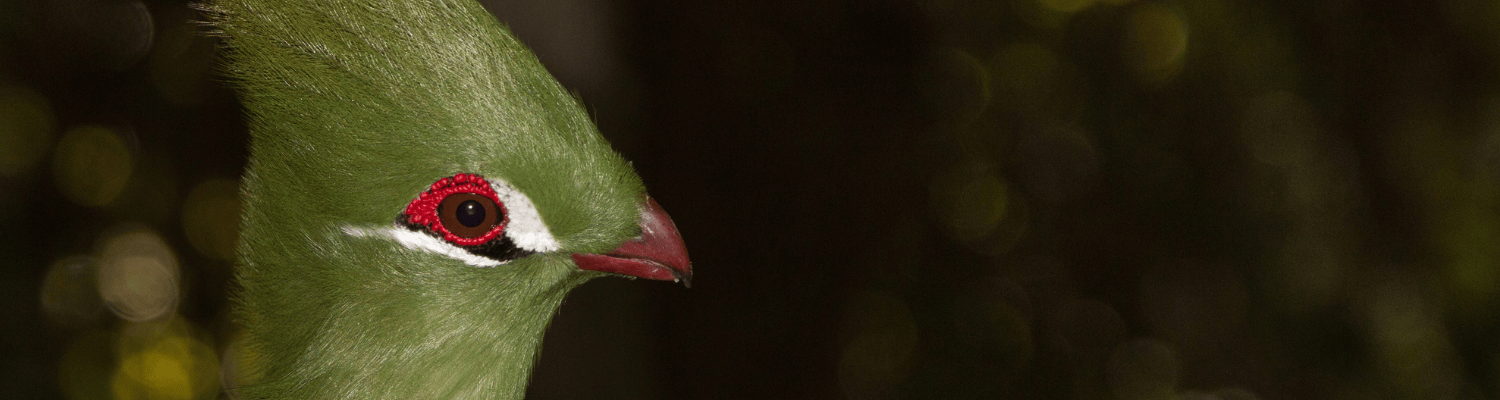
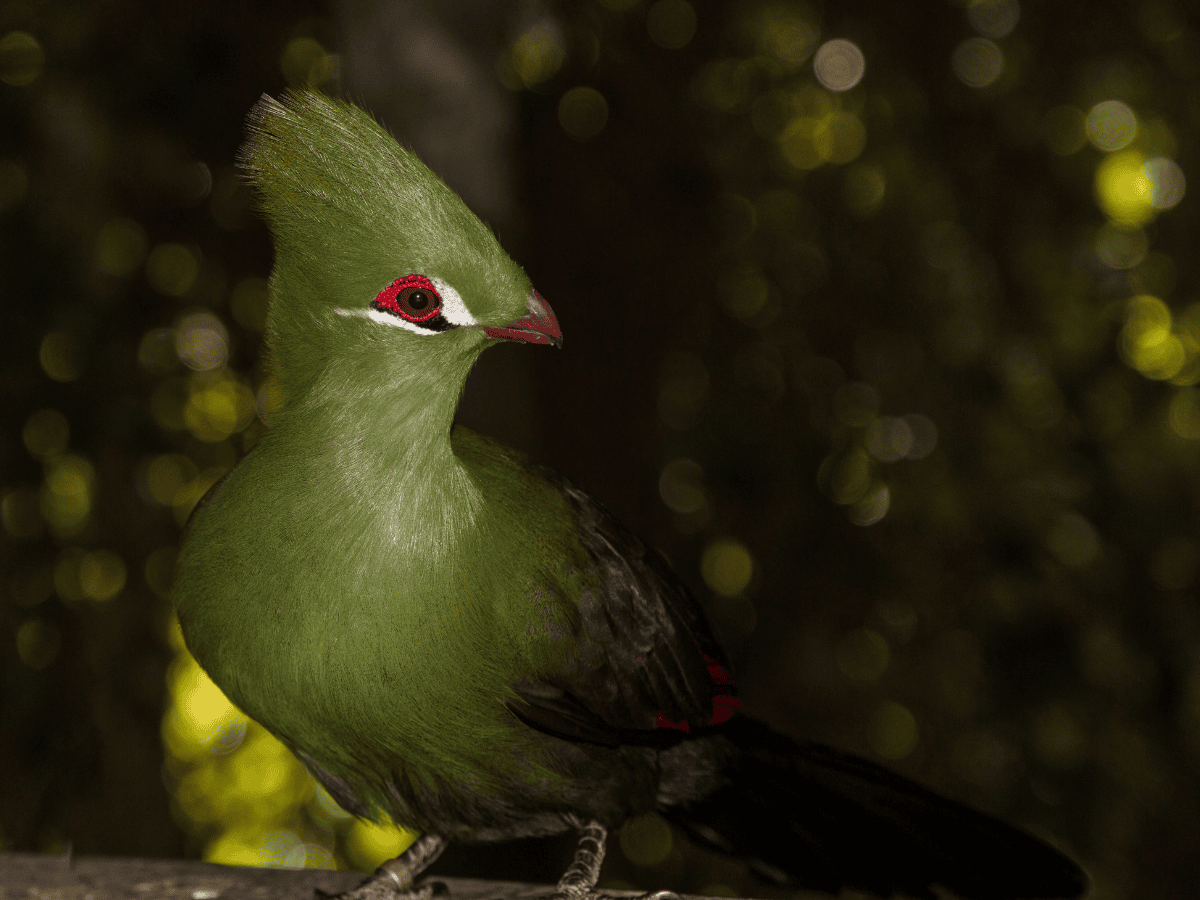
The Knysna Turaco is a striking forest bird with deep green plumage, a red crest, and flashes of crimson in its wings during flight. It is found in coastal forests in South Africa. Usually heard before seen, it moves through the canopy feeding on fruit. Its colours and call make it one of the most iconic forest birds in the region.








Gallery
Summary
Best Places To See
The Knysna Turaco is most reliably found in dense indigenous forest where tall trees and thick canopy provide both feeding and nesting opportunities. Tsitsikamma National Park offers some of the most consistent sightings, particularly in well-preserved forest with accessible trails and high bird activity. Addo Elephant National Park provides a strong complementary option in its forested sections, where suitable habitat supports stable populations. These locations are reliable because intact forest structure, abundant fruiting trees, and minimal disturbance allow the species to remain active and detectable through both calls and movement.
Best Time Of Year To See
The Knysna Turaco can be seen throughout the year, but sightings are most consistent during warmer months when fruiting trees are abundant and birds move more frequently between feeding sites. During this time, increased feeding activity and vocalisation improve chances of detection. Breeding season may also bring more territorial calling, making individuals easier to locate. In cooler months, activity may decrease slightly, although the species remains present. Early mornings are particularly productive, when calls carry clearly through the forest.
Identification
The Knysna Turaco is a medium-sized bird with deep green plumage, a white stripe on the face, and a short crest. Its most distinctive feature is the bright red patch on the wings, which is clearly visible in flight. It has a strong bill and a long tail. Males and females are similar in appearance. It can be confused with other turacos, but its facial markings and specific range help distinguish it within its habitat.
Behaviour
The Knysna Turaco feeds mainly on fruit, moving through the canopy in a deliberate and controlled manner. It often climbs and hops along branches rather than flying long distances. The species is usually seen in pairs or small family groups and is highly vocal, especially during breeding season. Travellers are most likely to hear its loud calls before spotting it moving through the upper levels of dense forest.
Diet
The Knysna Turaco feeds primarily on fruit, including a wide variety of forest berries and figs. It also consumes leaves, flowers, and occasionally insects. It forages in the canopy, carefully selecting food from branches and foliage. Feeding activity increases during periods of high fruit availability, particularly in warmer months. Its diet makes it an important seed disperser, contributing to the regeneration and health of forest ecosystems.
Habitat
The Knysna Turaco prefers dense indigenous forest, including coastal and montane forest with thick canopy and high tree diversity. It is most often found in the upper and mid-levels of vegetation, where it remains partially hidden among leaves. This habitat provides both feeding opportunities and protection. Travellers are most likely to encounter it in well-preserved forest environments with abundant fruiting trees and active birdlife.
Conservation Status
The Knysna Turaco is considered stable within its range, although it is dependent on intact forest habitats for long-term survival. Habitat loss and fragmentation can impact local populations, particularly in areas where forest cover is reduced. Protected areas such as Tsitsikamma National Park and Addo Elephant National Park play an important role in maintaining suitable conditions. Conservation of indigenous forests and responsible land management are essential for supporting this species.
Interesting Facts
The Knysna Turaco has specialised pigments that produce its green and red colours, which do not fade in the same way as many other bird colours. Its loud, echoing call is often the first indication of its presence. It tends to move quietly through the canopy, making it challenging to spot despite its bright colouring. It is one of the most iconic forest birds in Southern Africa.
Folklore
Forest birds are often associated with hidden beauty and communication in African folklore. The Knysna Turaco’s loud call may symbolise presence and awareness within dense environments. Its bright colours, often hidden among leaves, reflect the idea of beauty that is not always immediately visible. In some interpretations, birds of the forest represent depth and mystery, reinforcing this species’ connection to the richness and complexity of natural systems.