
Kruger Region | A Complete Travel Guide
Explore wildlife, lodges, and planning tips for the Kruger RegionOverview
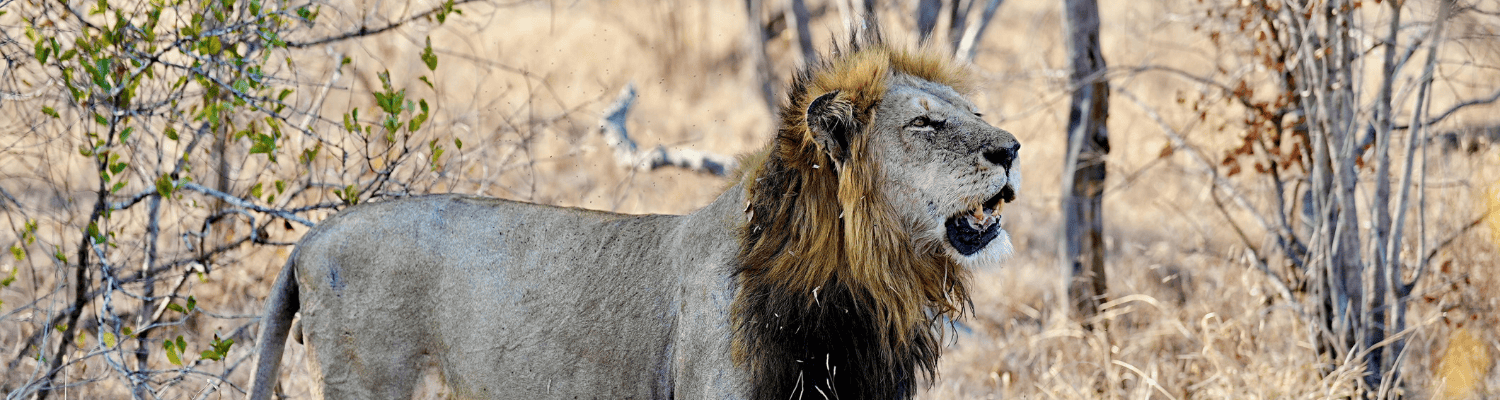
The Kruger Safari Region is one of Africa’s most iconic and accessible safari destinations, known for its vast landscapes, incredible wildlife, and well-developed infrastructure. Spanning both public and private conservation areas, it includes Kruger National Park, private reserves like Sabi Sand and Timbavati, as well as community-managed and provincial game reserves. This region offers the chance to see the Big Five, rare predators, and hundreds of bird species across varied terrain—from open savannah to dense riverine forest. Whether you're seeking self-drive adventures, luxury lodge stays, or cultural encounters, the Kruger Safari Region combines wilderness with comfort, offering something for every type of traveler.


Gallery
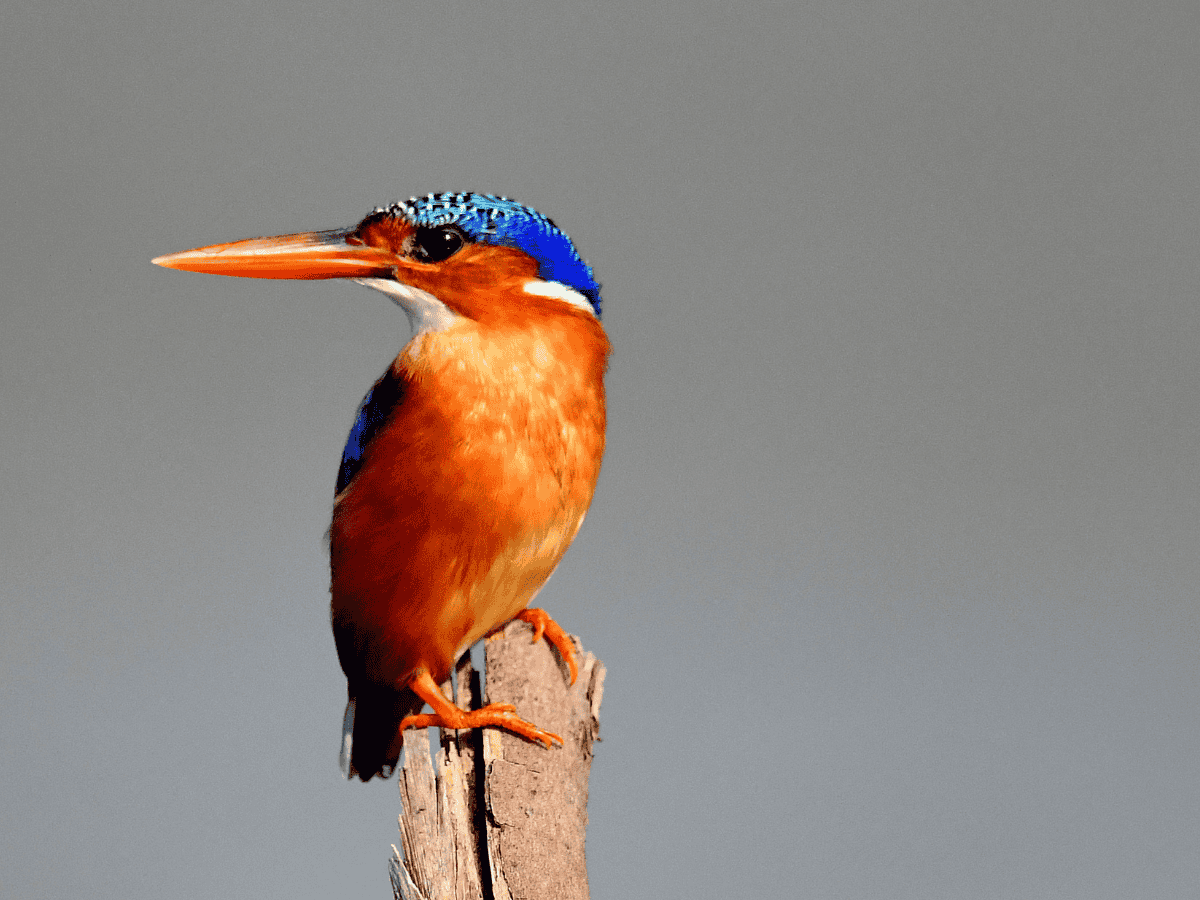
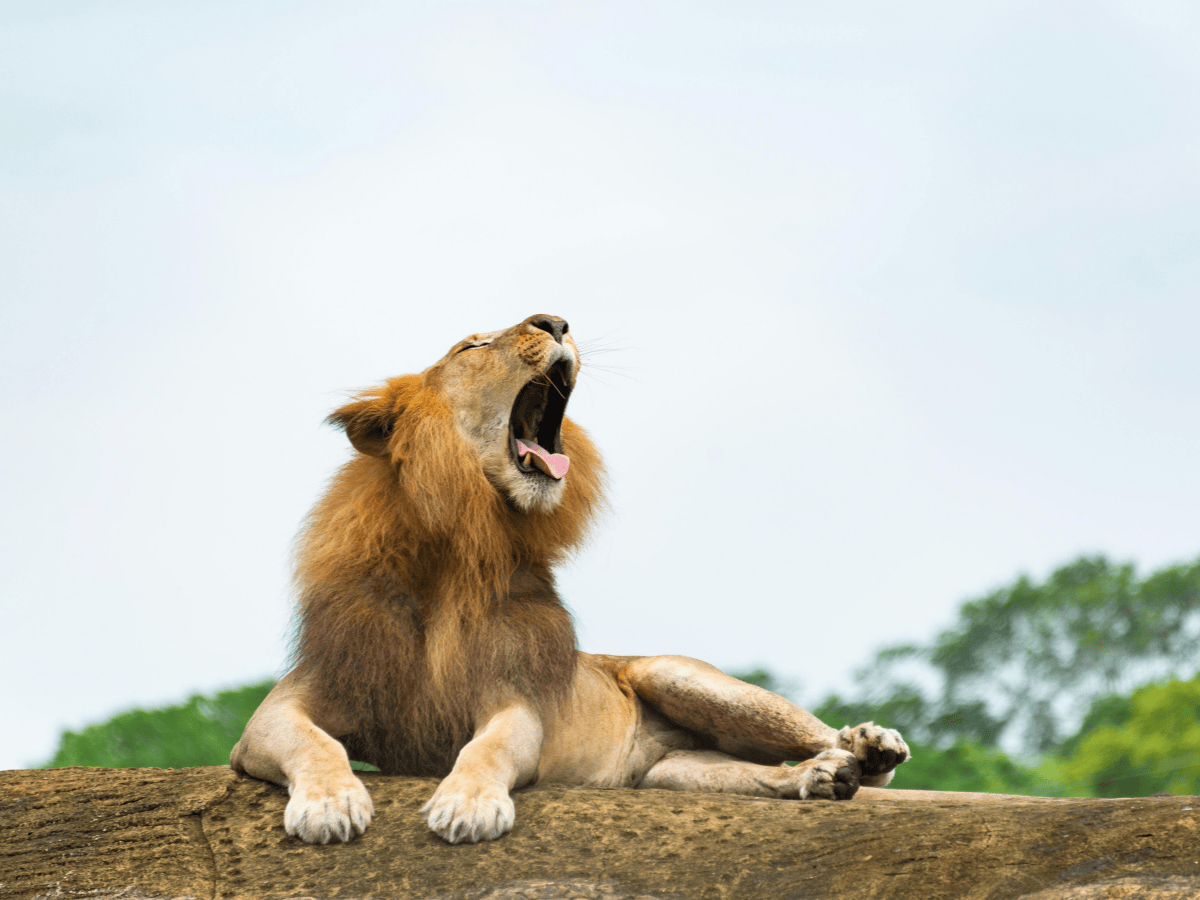
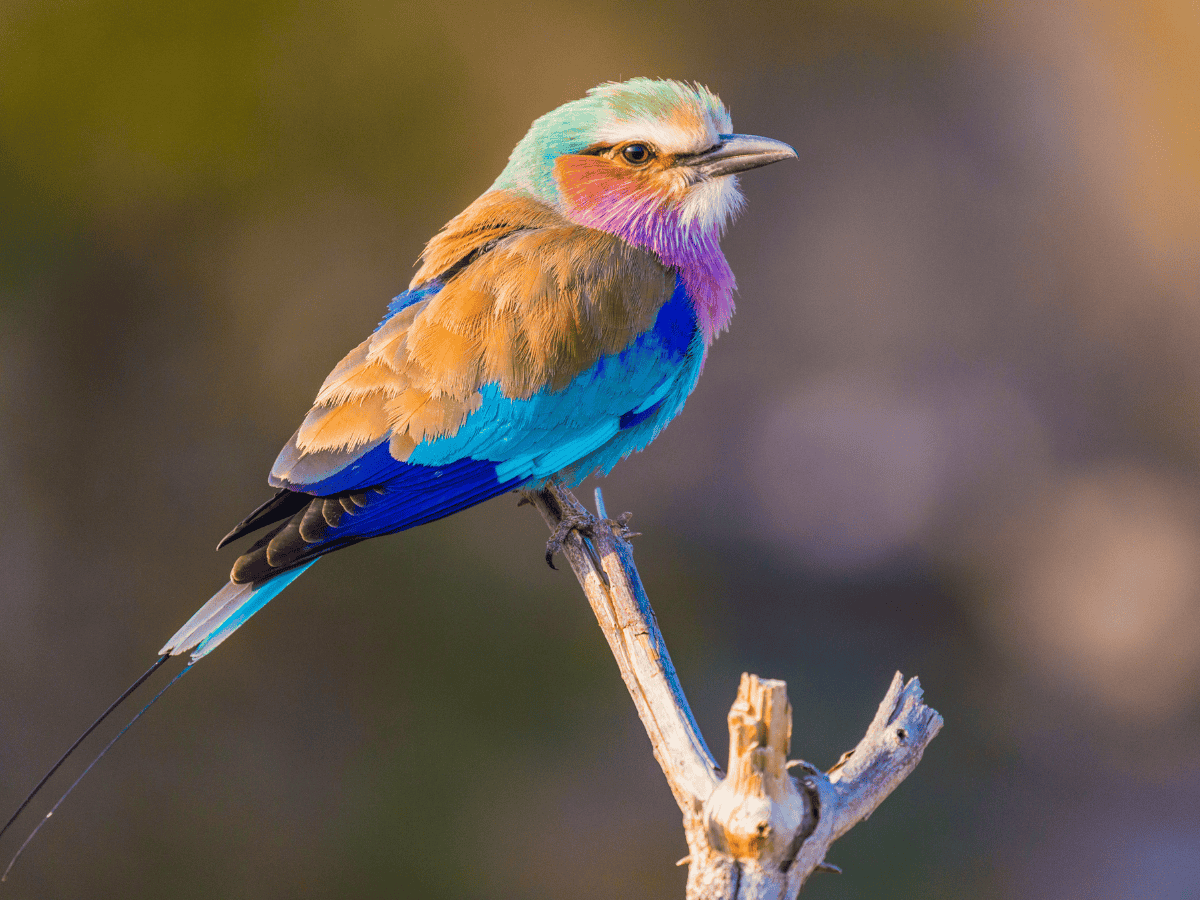
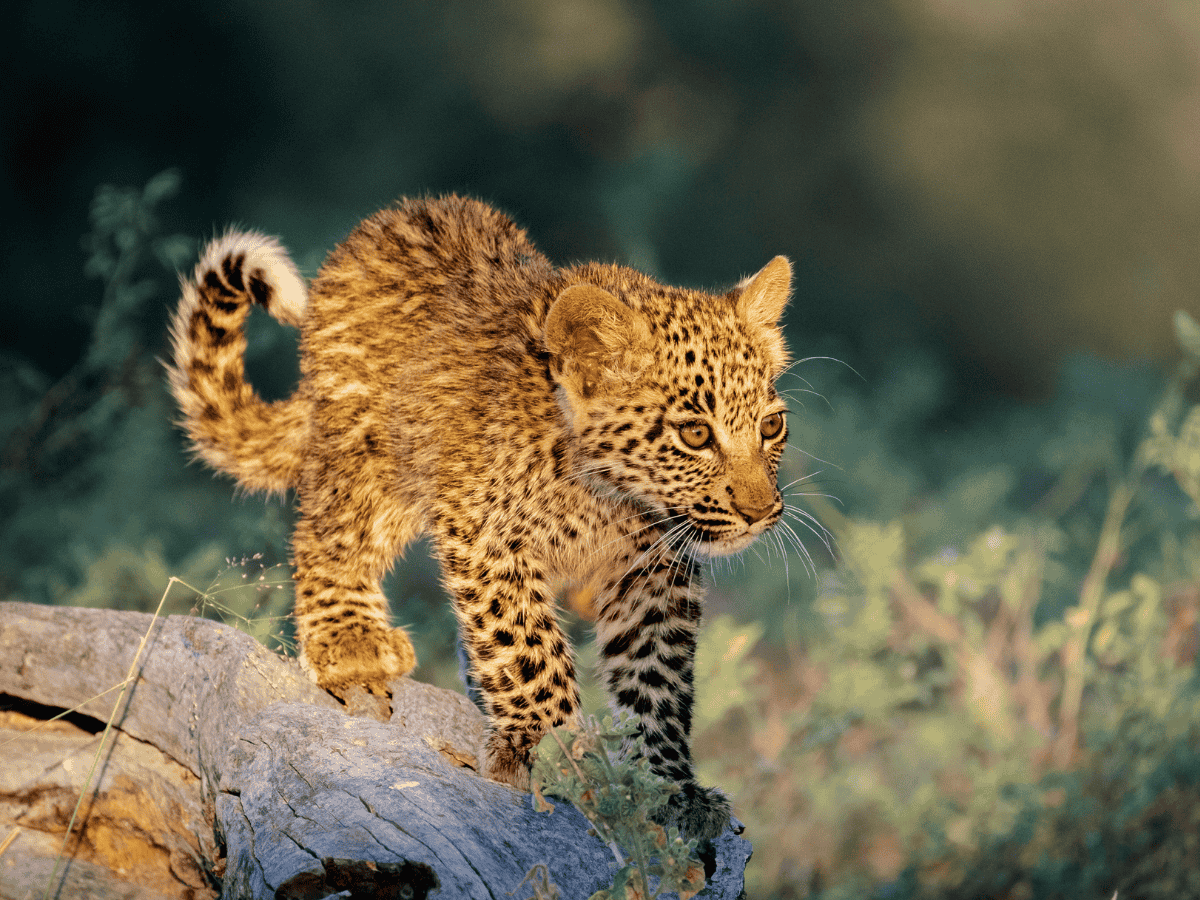
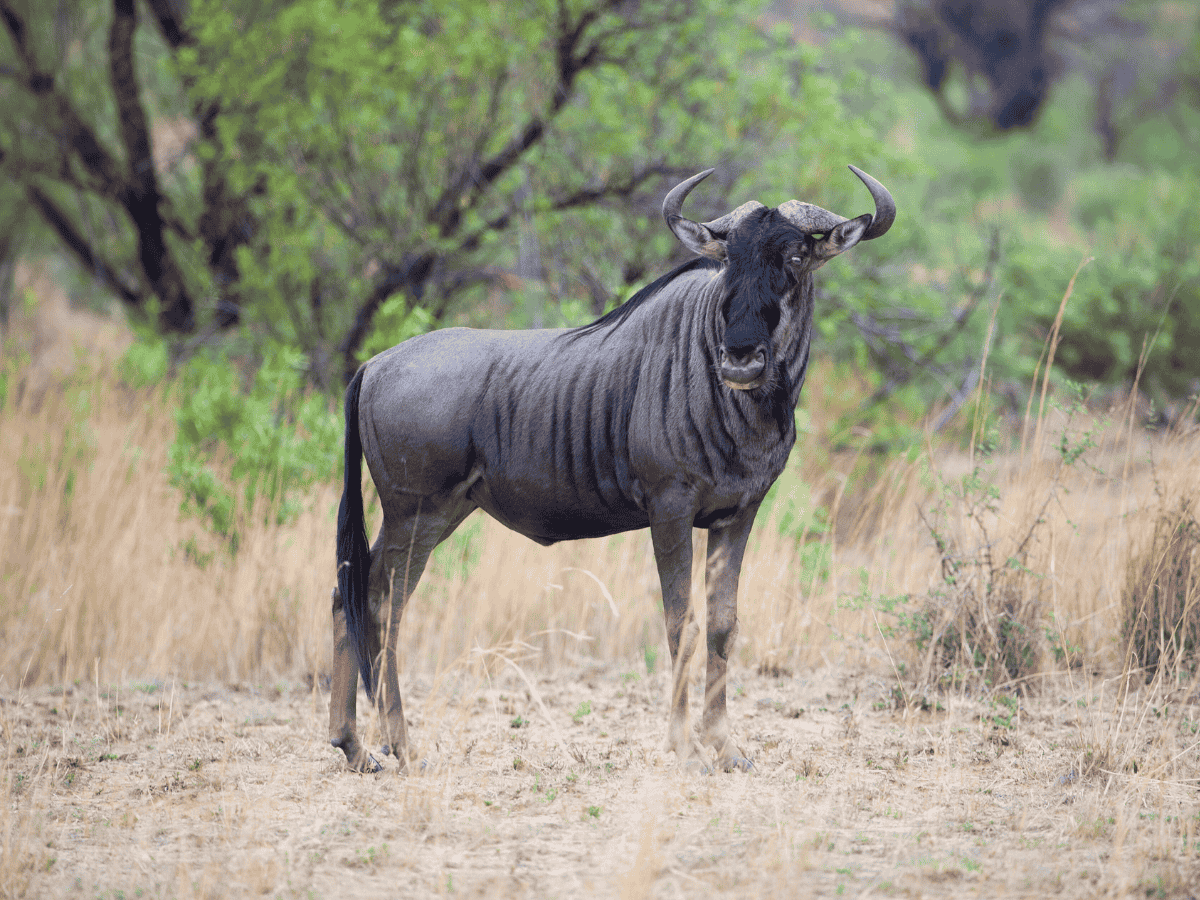
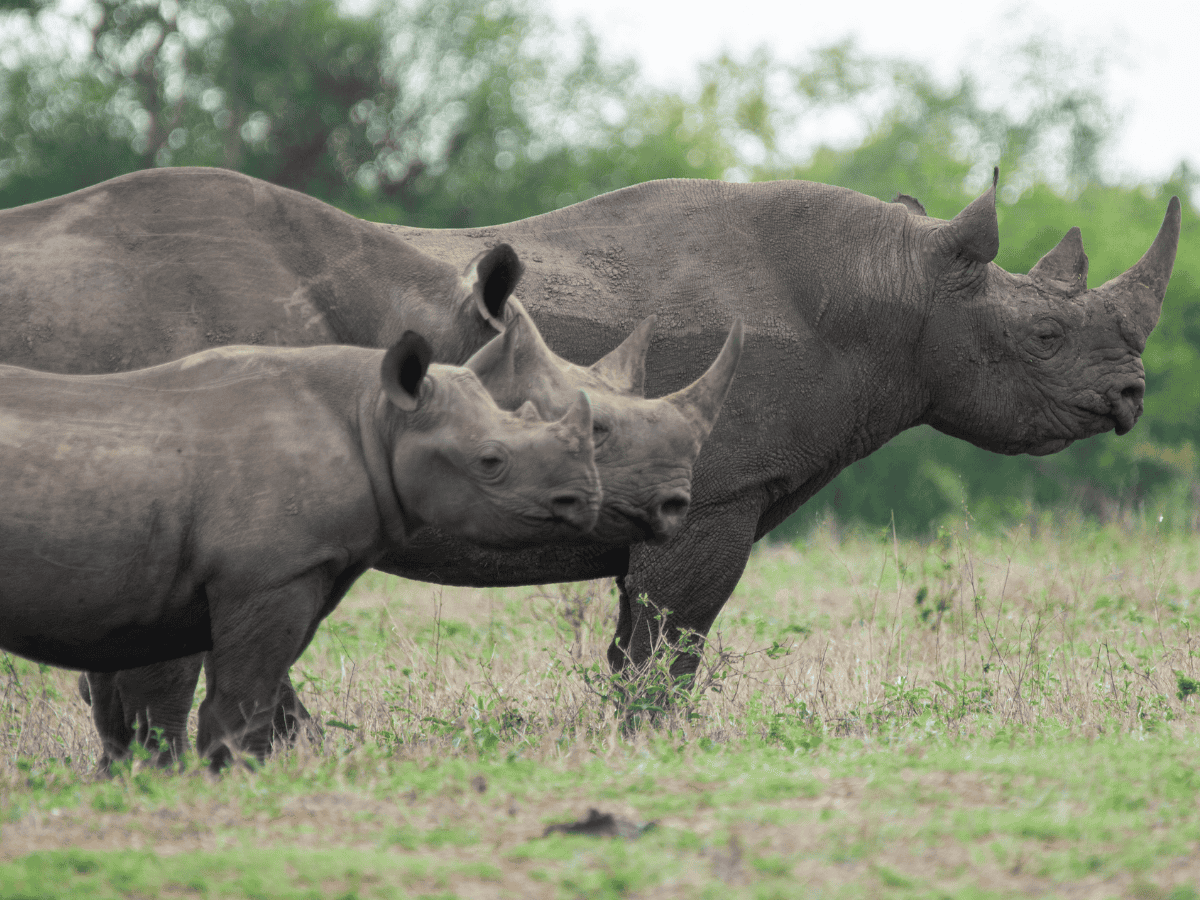
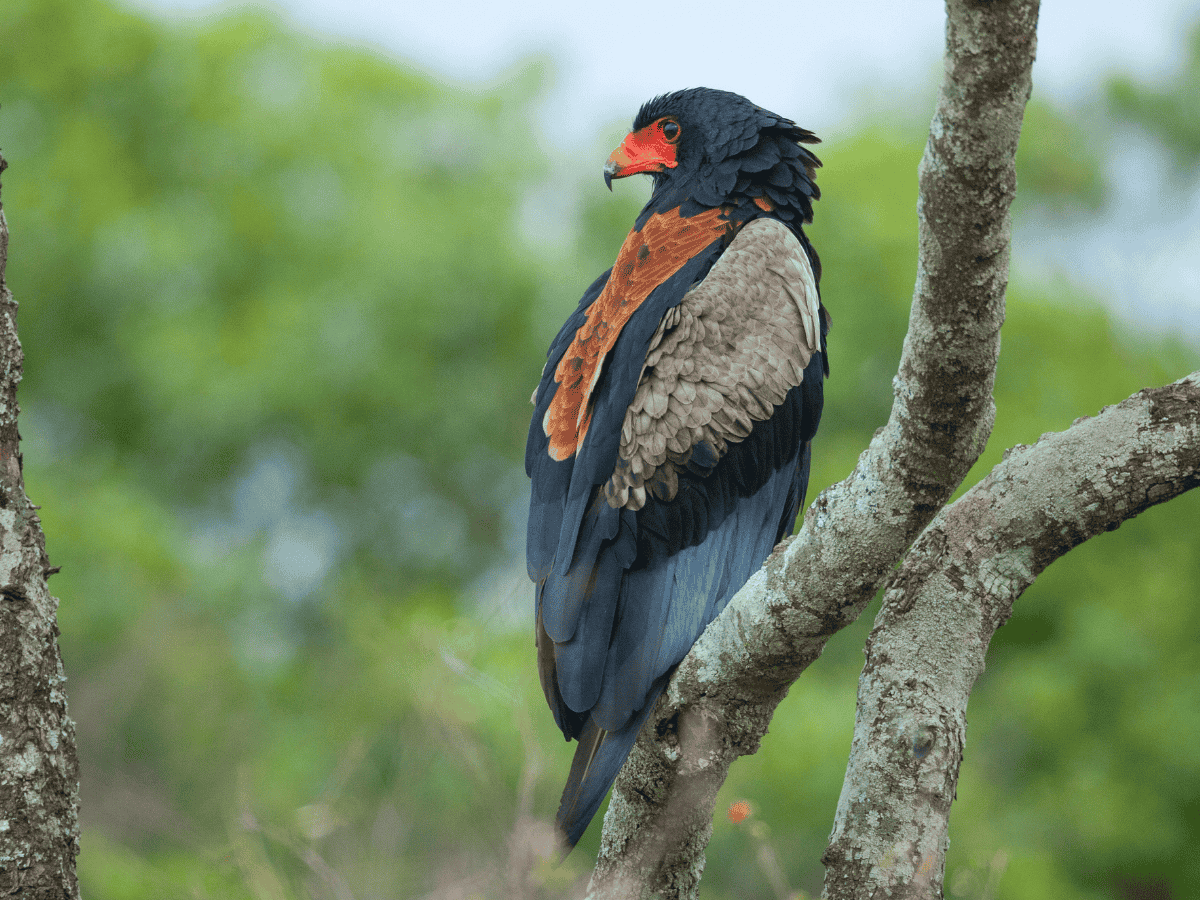
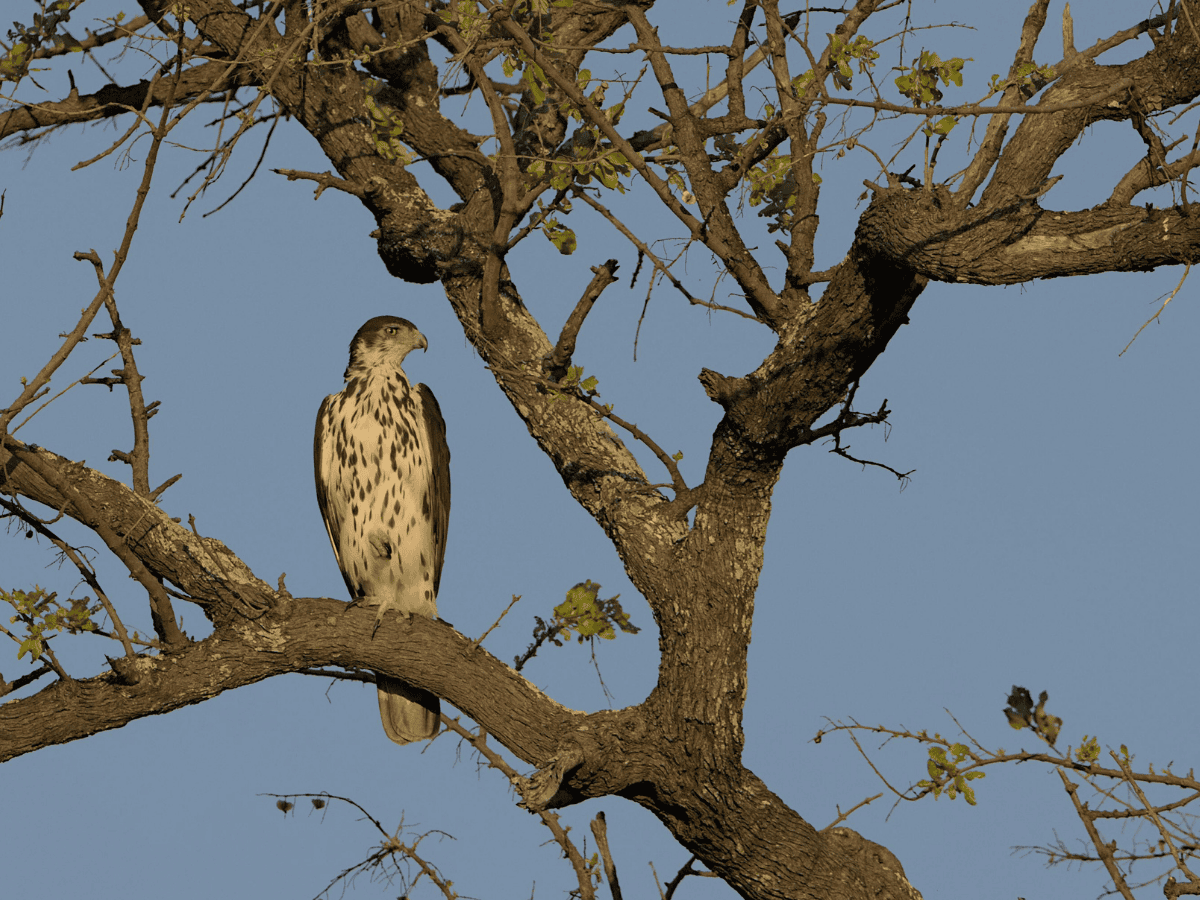
Summary
Summary
Why Visit
The Kruger Region is South Africa’s most established safari destination and one of Africa’s most reliable wildlife areas. Travellers visit for excellent Big Five sightings, diverse landscapes, and a wide choice of safari styles. The region combines the vast wilderness of Kruger National Park with neighbouring private reserves that offer more exclusive guided experiences. River systems, savanna plains, and dense bushveld create classic safari scenery, while strong infrastructure and accessibility make the region one of the easiest places in Africa to experience a traditional safari.
Pros & Cons
⊕ Excellent wildlife density with reliable Big Five sightings
⊕ Wide range of accommodation from budget camps to ultra-luxury lodges
⊕ Combination of self-drive safaris and guided private reserve experiences
⊕ Well-developed infrastructure with good flight and road access
⊕ Large and diverse ecosystem with varied landscapes and habitats
⊖ Popular areas of Kruger National Park can be busy during peak season
⊖ Luxury private reserves can be expensive
⊖ Malaria risk exists in parts of the region
Highlights
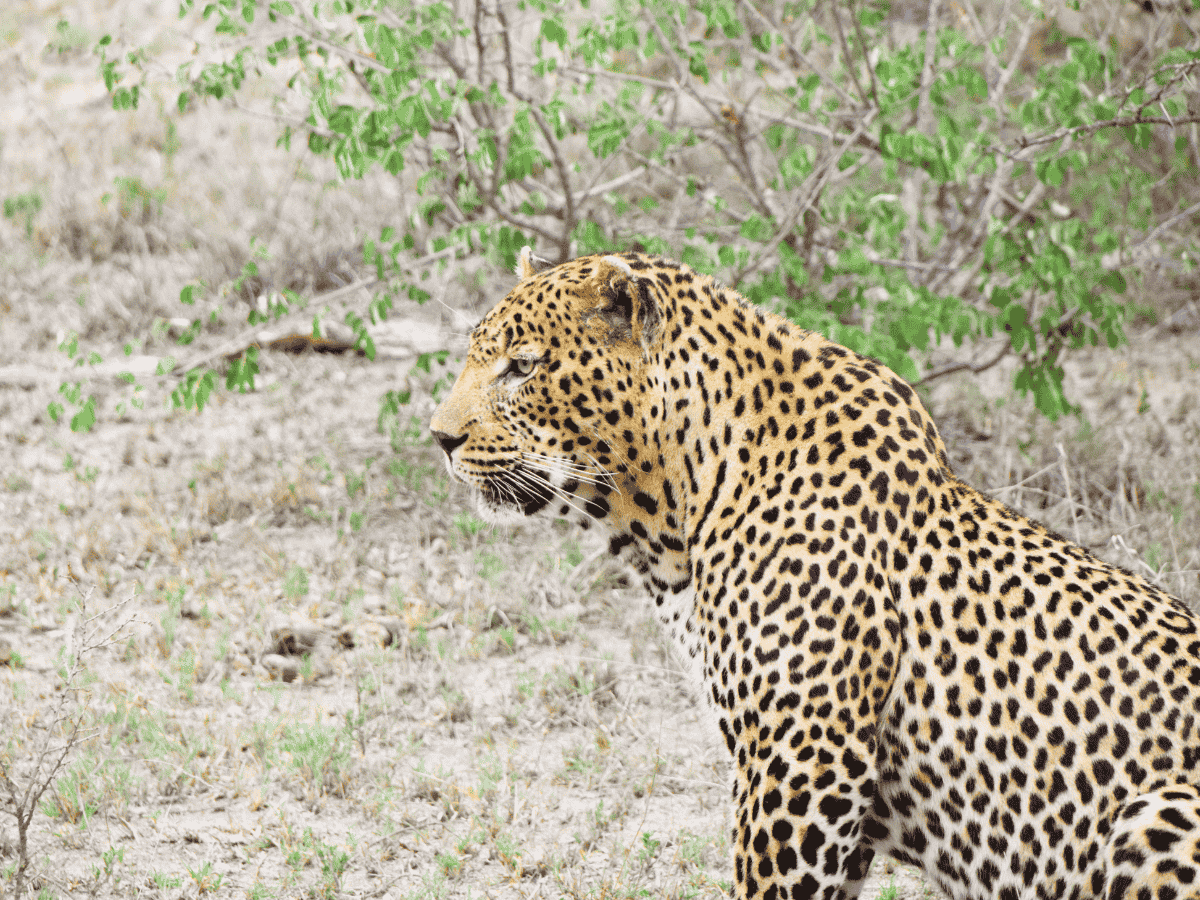
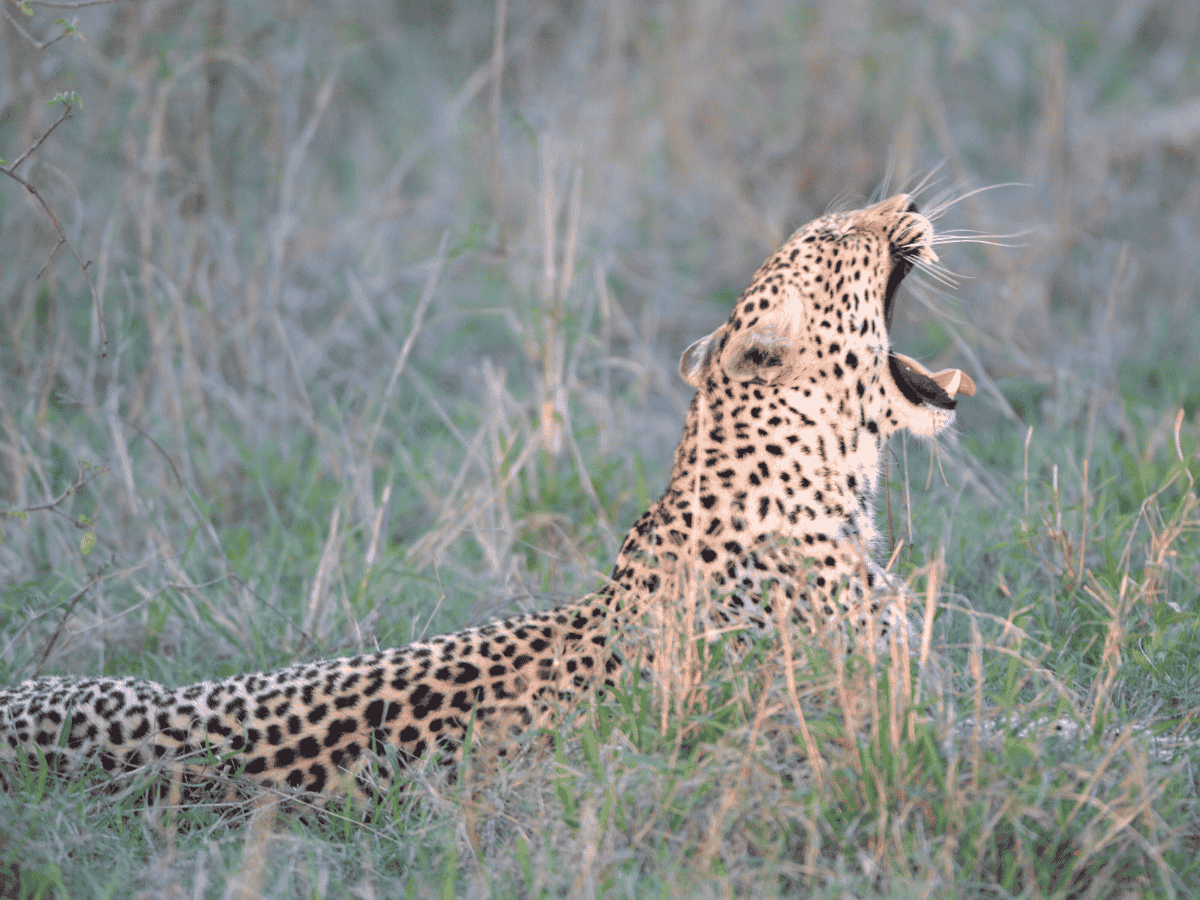
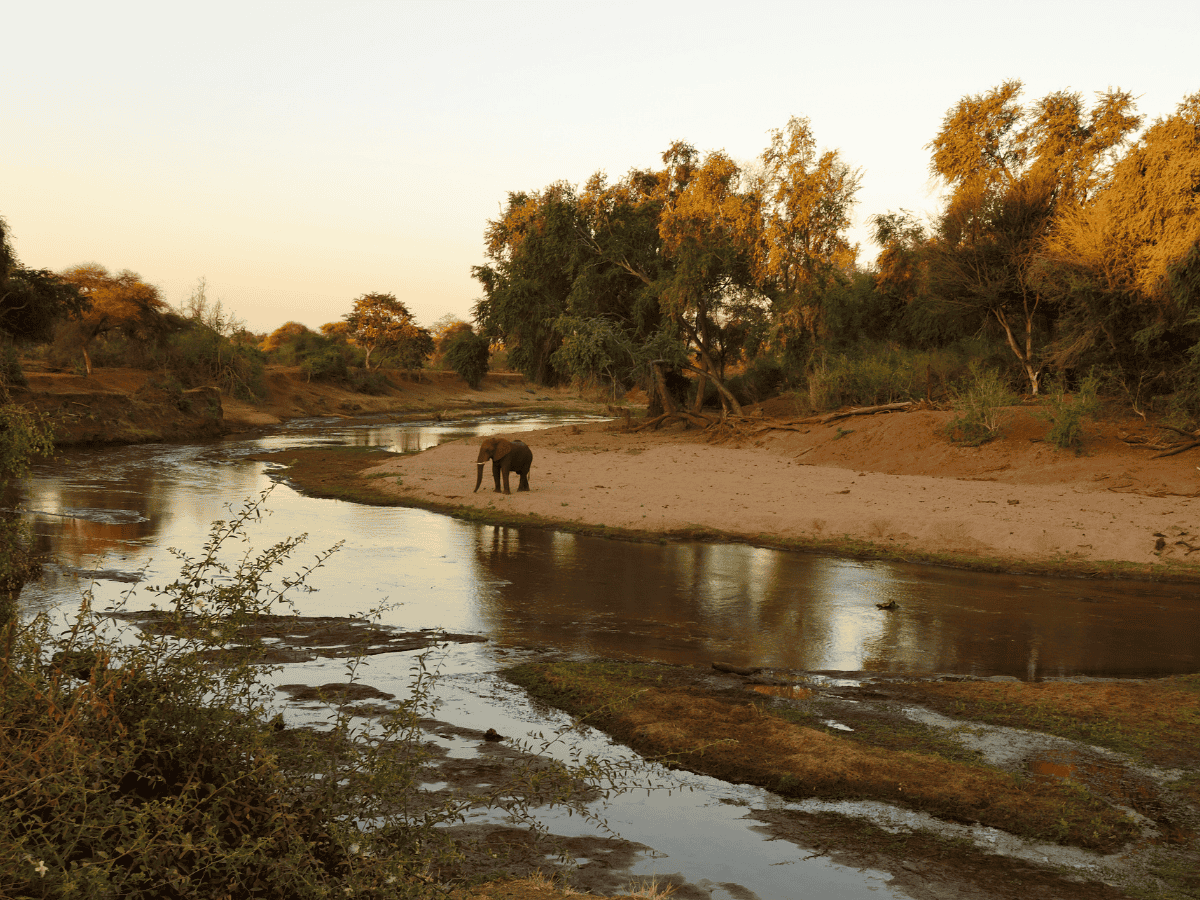
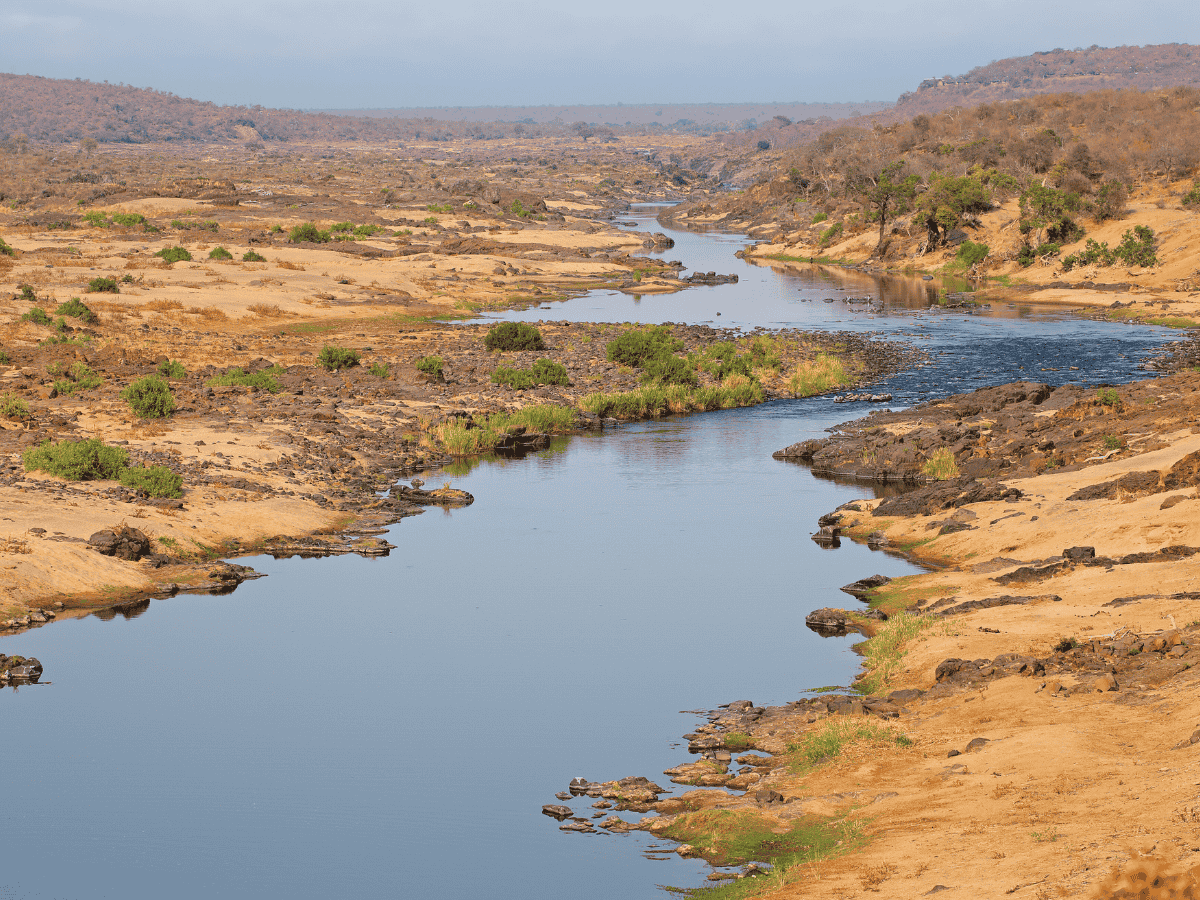
The Kruger Region is centred around the vast Kruger National Park, one of Africa’s largest protected areas. Surrounding private reserves such as Sabi Sands, Timbavati, Klaserie, and Manyeleti share open borders with the national park, allowing wildlife to move freely across the ecosystem. These private areas are known for intimate game drives and excellent leopard sightings. The region’s river systems, woodlands, and open savanna landscapes create classic safari scenery and support a remarkable diversity of wildlife.
› More About Highlights
Wildlife
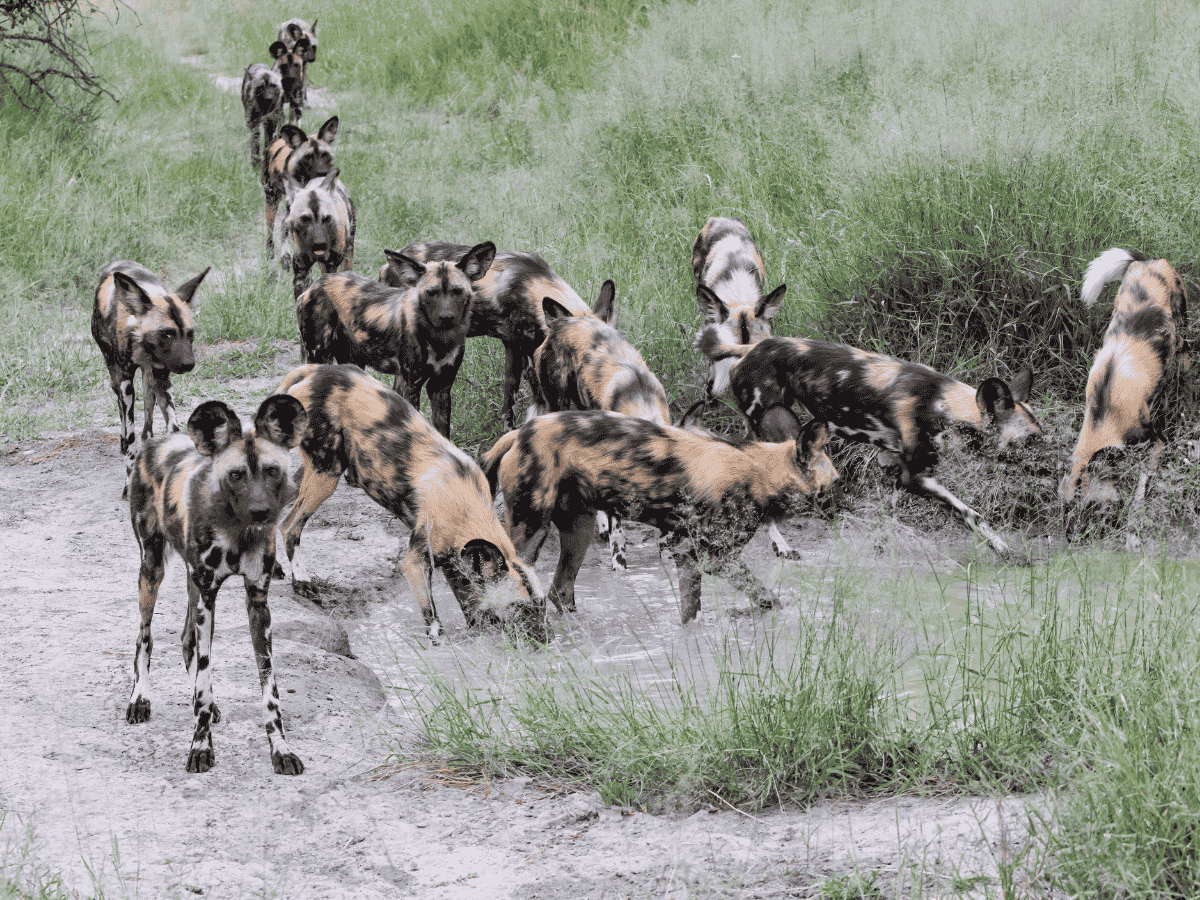
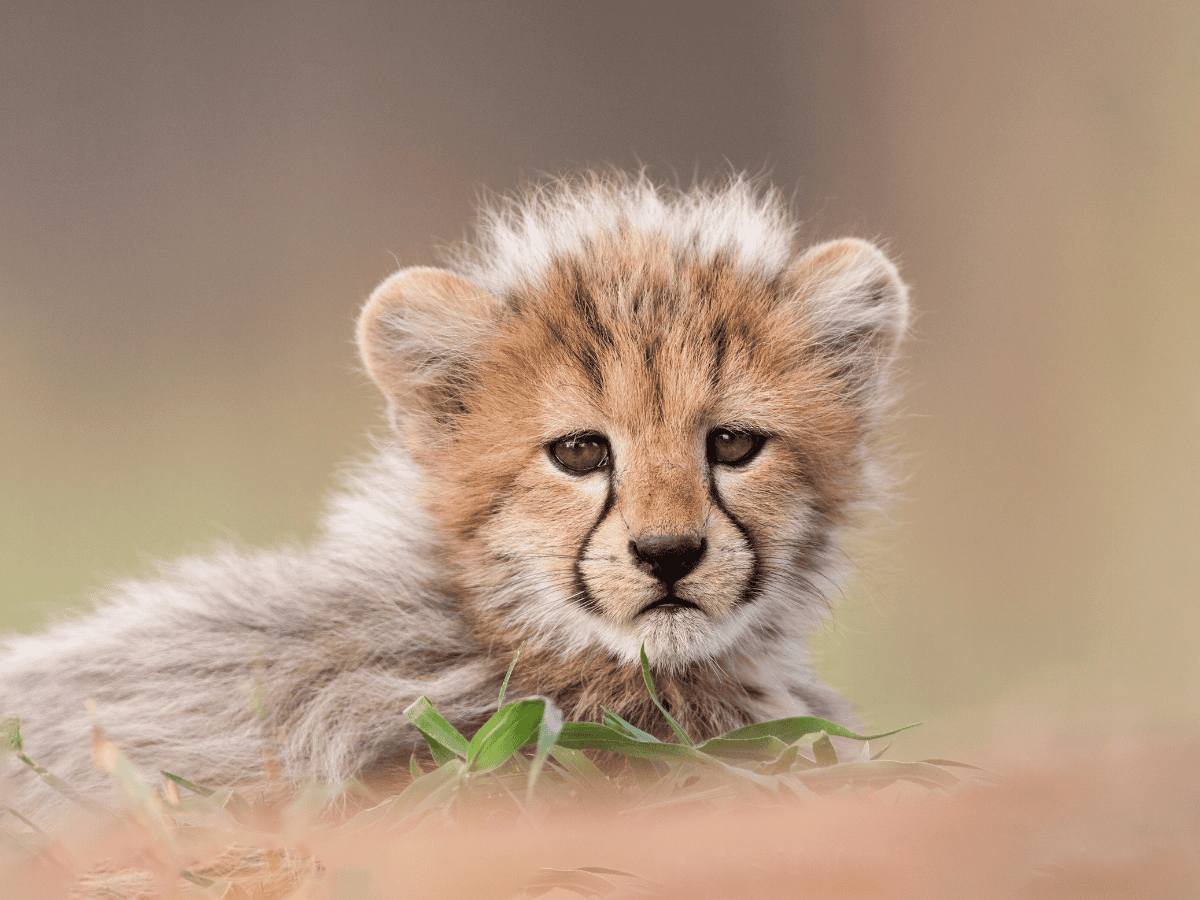
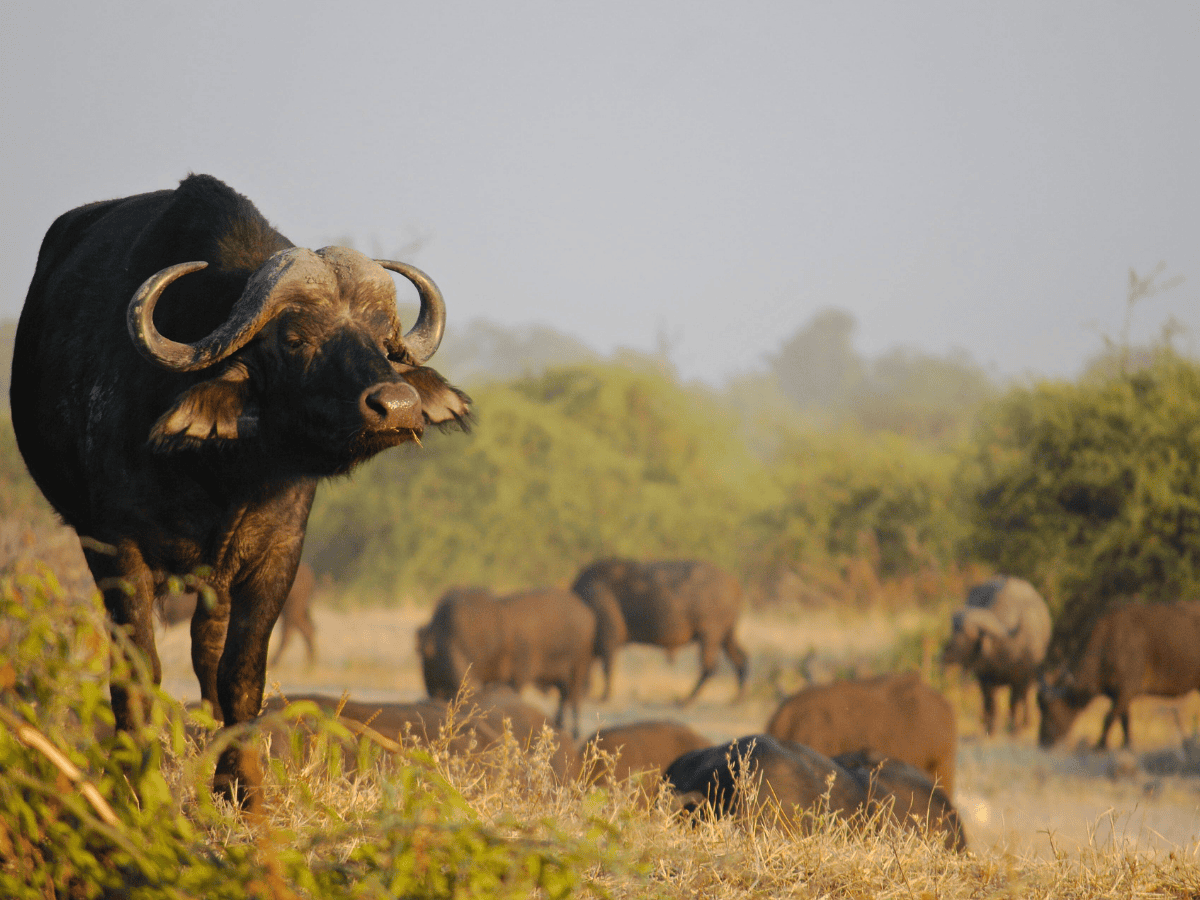
Wildlife viewing in the Kruger Region is among the most consistent in Africa. The Big Five are all present, with particularly strong populations of lions, leopards, and elephants. Large herds of buffalo and numerous antelope species are common. Rare predators such as African wild dogs and cheetahs can also be seen. Birdlife is exceptional, with hundreds of recorded species across the region’s varied habitats.
› More About Wildlife
Parks & Reserves
Kruger National Park is the centrepiece of the region and offers vast landscapes with extensive road networks for self-drive safaris. Adjacent private reserves such as Sabi Sands Game Reserve, Timbavati Game Reserve, and Klaserie Private Nature Reserve share unfenced borders with Kruger. These reserves offer guided game drives, off-road tracking, and more exclusive safari experiences while still benefiting from the same wildlife ecosystem.
› More About Parks & Reserves
Best Time To Visit
Wildlife viewing is typically best during the dry winter months from May to September. Vegetation becomes thinner, and animals gather around water sources, making sightings easier. Summer, from October to April, brings warmer temperatures and seasonal rainfall. The landscape becomes green, and birdlife is excellent, although thicker vegetation can make wildlife slightly harder to spot.
› Explore Best Time To Visit
Access & Getting There
Most travellers reach the Kruger Region via Johannesburg. From there, scheduled flights connect to airports such as Hoedspruit, Skukuza, and Kruger Mpumalanga International Airport. Many private reserves also have nearby airstrips for charter flights. The region can also be accessed by road, making self-drive safaris possible for visitors entering Kruger National Park.
› Explore Access & Getting There
Health & Safety
Parts of the Kruger Region fall within a malaria zone, so travellers should seek medical advice before visiting. Most safari activities take place with experienced guides who follow strict safety procedures. Visitors should remain inside vehicles during game drives unless instructed otherwise by guides. Basic travel precautions are recommended when travelling through nearby towns and cities.
› Explore Health & Safety
Highlights
The Kruger Region is South Africa’s most iconic safari destination, centred around the vast Kruger National Park and its surrounding private reserves. This region is known for exceptional Big Five wildlife viewing, diverse ecosystems ranging from open savannas to riverine forests, and some of the best safari lodges in Africa. Travellers experience both self-drive safaris in Kruger National Park and highly exclusive guided safaris in neighbouring private reserves, where wildlife sightings are often more intimate and flexible.
Kruger National Park
Kruger National Park is one of Africa’s largest and most famous wildlife reserves, stretching across nearly two million hectares of protected savanna. The park is renowned for its abundant wildlife, including the Big Five, large predator populations, and excellent birdlife. Visitors explore an extensive network of roads on self-drive safaris or guided game drives, making it one of the most accessible safari experiences on the continent.
› More About Kruger National Park
Sabi Sands Game Reserve
Sabi Sands Game Reserve shares an unfenced boundary with Kruger National Park and is widely regarded as one of Africa’s premier safari destinations. The reserve is famous for its exceptionally reliable leopard sightings and luxury safari lodges. Private guiding, off-road driving, and limited visitor numbers create a highly immersive safari experience where wildlife encounters often occur at very close range.
› More About Sabi Sands Game Reserve
Timbavati Game Reserve
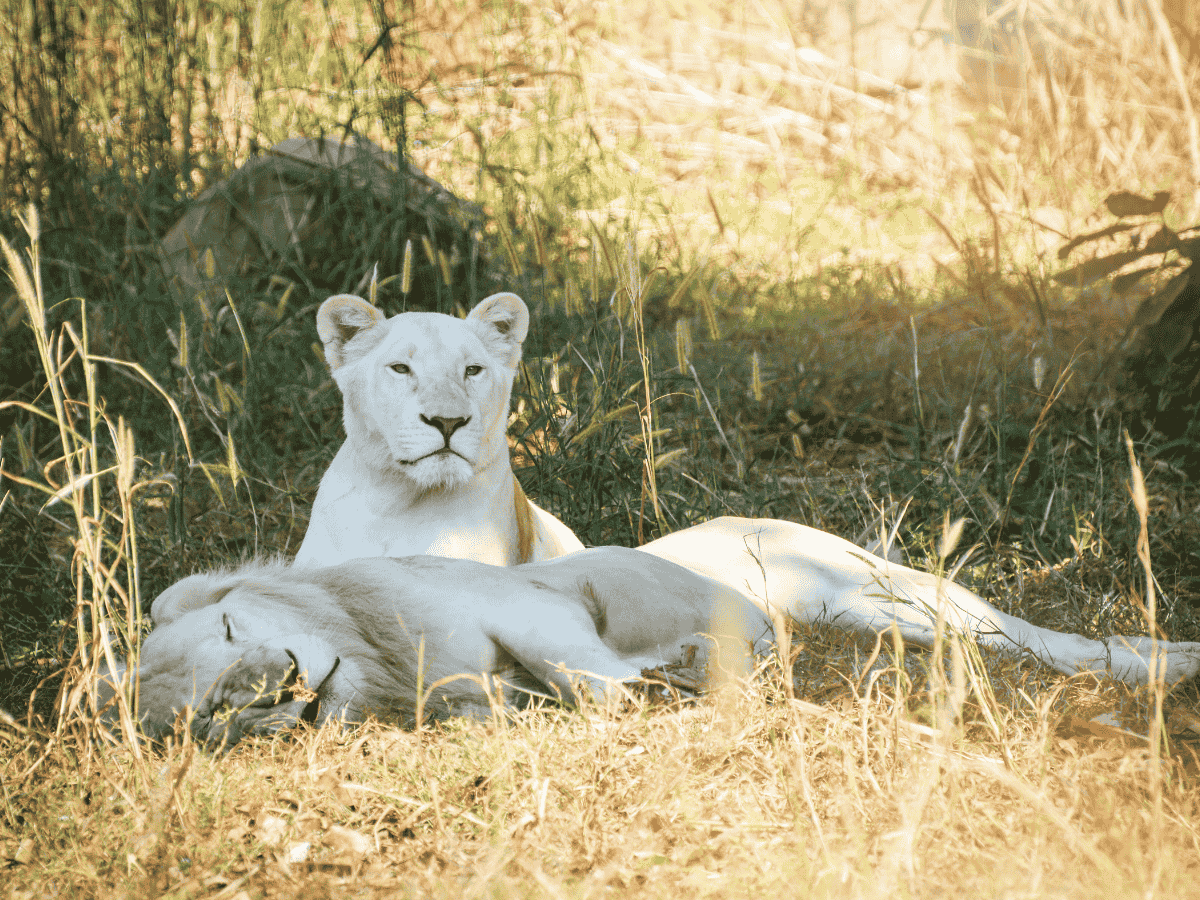
Timbavati Game Reserve forms part of the Greater Kruger ecosystem and is known for its wild, less crowded safari atmosphere. The reserve supports a wide range of wildlife including lions, elephants, and African wild dogs. Timbavati is also historically associated with the rare white lions occasionally seen in the area, adding to its reputation as one of the region’s most intriguing safari landscapes.
› More About Timbivati Game Reserve
Panorama Route
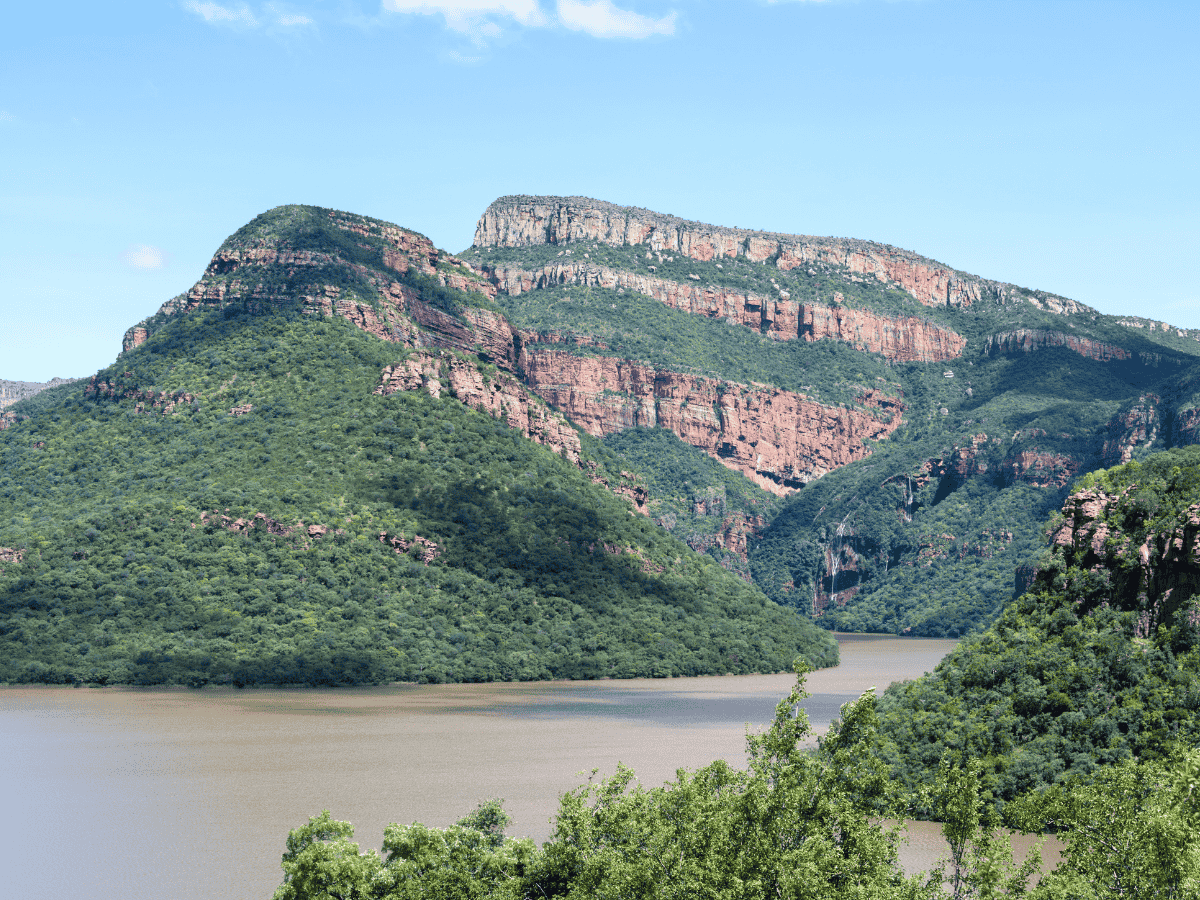
The Panorama Route lies along the western edge of the Kruger Region and offers some of South Africa’s most dramatic scenic viewpoints. Travellers visit landmarks such as Blyde River Canyon, Bourke’s Luck Potholes, and God’s Window. This mountainous landscape contrasts sharply with the surrounding lowveld and provides waterfalls, cliffs, and sweeping vistas that make it a popular addition to Kruger safari itineraries.
› More About Panorama Route
Greater Kruger Private Reserves
The Greater Kruger Private Reserves include several privately managed wildlife areas bordering Kruger National Park, such as Klaserie, Balule, Manyeleti, and Kapama. These reserves form part of the same open ecosystem but offer a more exclusive safari style with guided drives, smaller lodges, and fewer vehicles. Travellers benefit from excellent wildlife viewing alongside a quieter, more personalised safari experience.
› More About Greater Kruger Private Reserves
Where To Go
The Kruger Region is South Africa’s most famous safari destination, centred around Kruger National Park and a network of adjoining private reserves. These areas form the Greater Kruger ecosystem, where wildlife moves freely across unfenced boundaries. Travellers can explore vast public wilderness areas, exclusive private reserves known for luxury lodges and expert guiding, and quieter conservation areas with fewer vehicles. Together, they create one of Africa’s most diverse and rewarding safari landscapes.
Top Rated Parks & Reserves
| Top Rated Parks & Reserves in this Region |
| 🥇 Kruger National Park 🥇 Sabi Sands Game Reserve 🥈 Timbavati Game Reserve 🥈 MalaMala Game Reserve 🥈 Thornybush Private Game Reserve 🥈 Lion Sands Game Reserve |
🥇 Flagship Parks & Reserves - the top-rated parks & reserves in this region.
🥈 Complementary Parks & Reserves - a strong addition to your safari itinerary
All Parks & Reserves
🥇 Kruger National Park (Kruger Region)
› One of Africa’s largest national parks, famous for its vast wilderness, remarkable biodiversity, and some of the continent’s best Big Five safari opportunities.
Manyeleti Game Reserve (Kruger Region)
› A quieter reserve bordering Kruger National Park known for fewer vehicles, authentic safari experiences, and excellent Big Five wildlife viewing.
🥇 Sabi Sands Game Reserve (Kruger Region)
› One of Africa’s most famous private reserves, renowned for luxury lodges and some of the world’s most reliable leopard sightings.
🥇 Timbavati Game Reserve (Kruger Region)
› A large private reserve bordering Kruger National Park known for strong predator sightings and the historic presence of the rare white lion.
🥈 Thornybush Private Game Reserve (Kruger Region)
› A well-established private reserve within the Greater Kruger ecosystem known for strong Big Five sightings, diverse habitats, and a range of luxury safari lodges.
Balule Nature Reserve (Kruger Region)
› A private reserve within the Greater Kruger ecosystem known for open wilderness areas and unfenced landscapes allowing wildlife to move freely with Kruger.
Klaserie Private Nature Reserve (Kruger Region)
› A vast private reserve known for remote safari experiences, low tourism density, and strong predator populations within the Greater Kruger ecosystem.
Makalali Game Reserve (Kruger Region)
› A private reserve near Hoedspruit known for diverse habitats, strong wildlife viewing, and a mix of luxury and intimate safari lodge experiences.
Kapama Private Game Reserve (Kruger Region)
› A large private reserve known for luxury lodges, frequent Big Five sightings, and accessible safari experiences near Hoedspruit.
Karongwe Private Game Reserve (Kruger Region)
› A scenic private reserve along the Makhutsi River known for varied habitats and a range of safari lodges.
🥇 MalaMala Game Reserve (Kruger Region)
› One of South Africa’s most famous private reserves, known for exceptional Big Five sightings and long-established safari guiding traditions.
🥈 Lion Sands Game Reserve (Kruger Region)
› A prestigious private reserve along the Sabie River known for luxury lodges and excellent wildlife viewing in the Greater Kruger ecosystem.
› View All Parks & Reserves
Wildlife
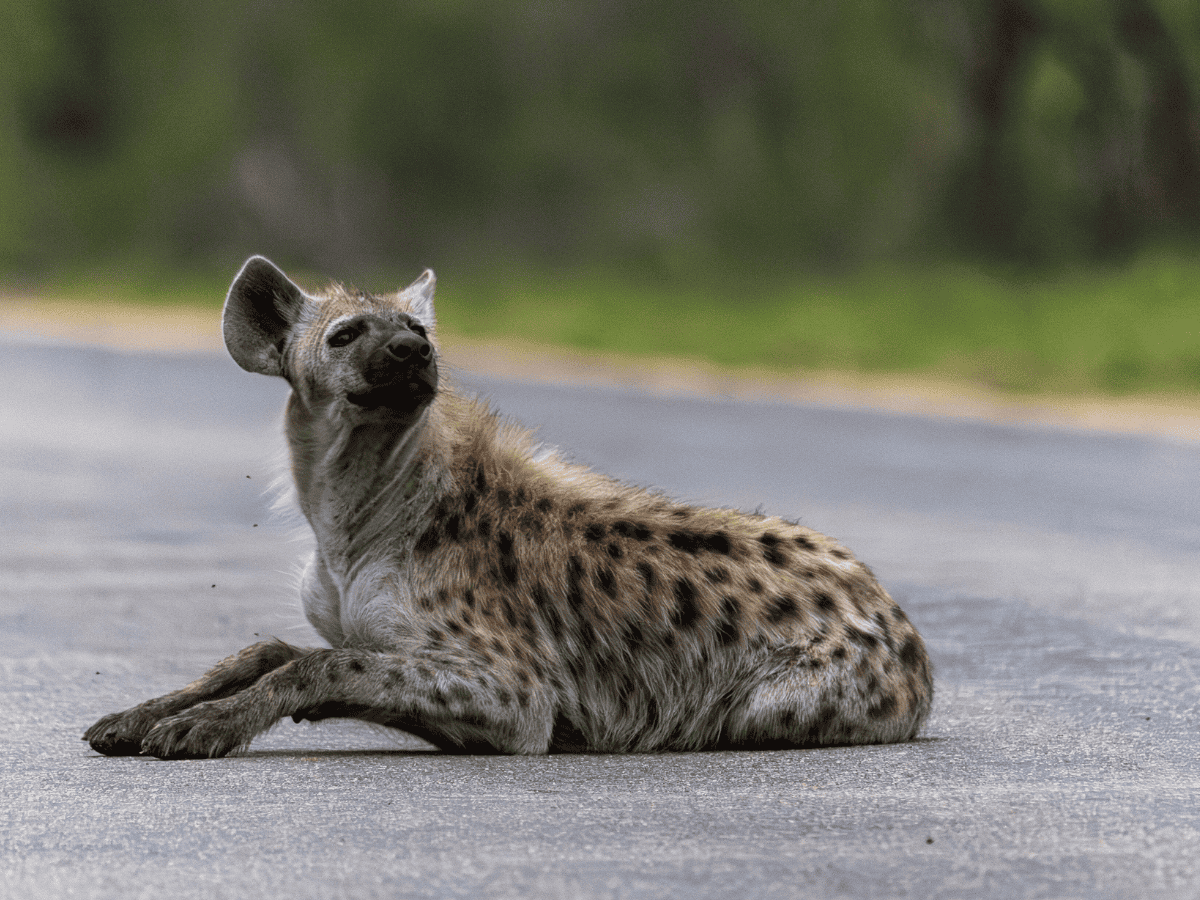
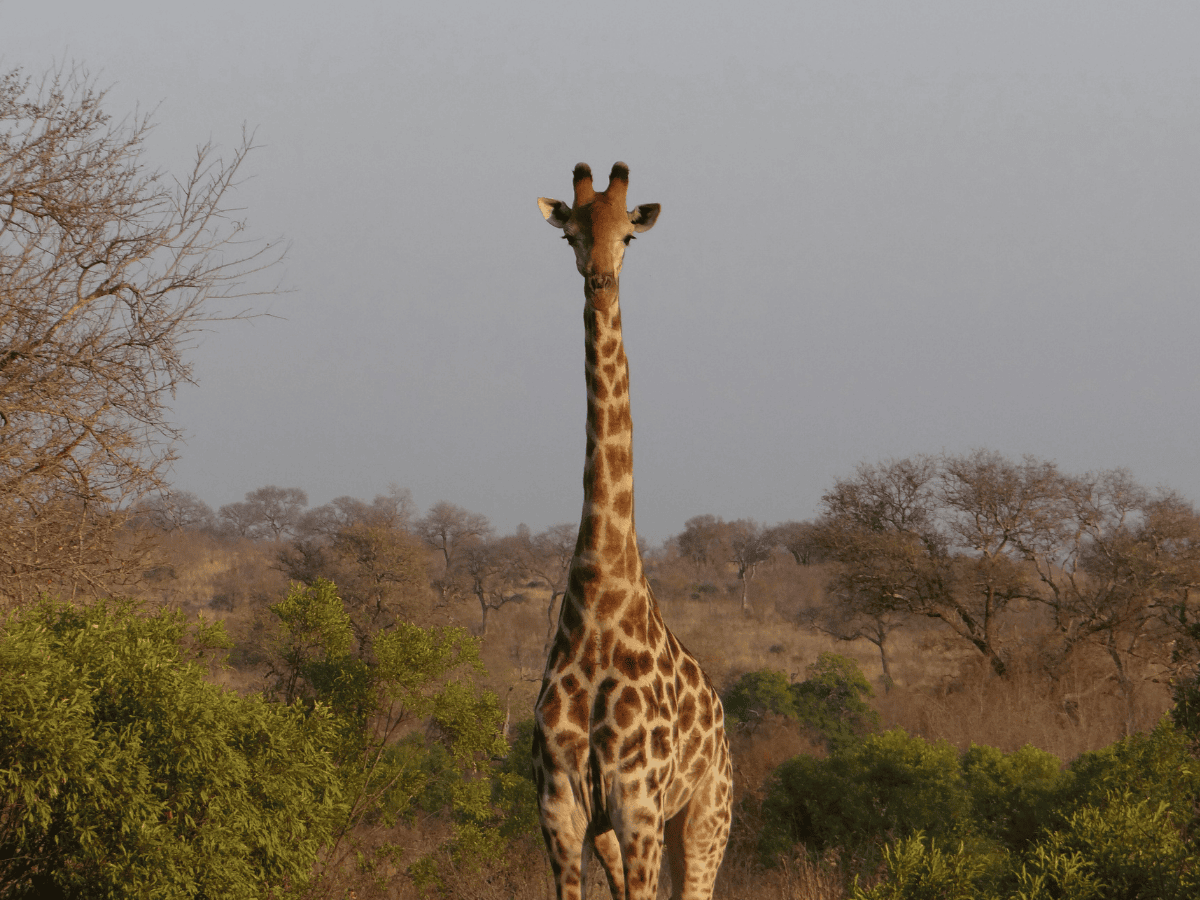
The Kruger Region offers one of Africa’s most reliable and diverse wildlife experiences. Large populations of elephant, buffalo, lion, and giraffe are seen regularly, alongside leopard, hyena, and a wide range of antelope species. The mix of open savanna and river systems supports consistent sightings across most reserves.
Wildlife Highlights
The Kruger Region is one of the best places in Africa to see the Big Five in a single trip. Leopard sightings are particularly strong in private reserves, while large lion prides and elephant herds are common. Wild dog and cheetah add excitement, with regular predator-prey interactions across the region.
When To Go For Wildlife Viewing
Wildlife viewing is best from May to September during the dry season. Vegetation is thinner and animals gather around water, making sightings easier. Summer months from November to March bring thicker bush and dispersed wildlife, but the landscape is greener and more active.
Wildlife Viewing By Month | ||
Jan | Feb | Mar |
Apr | May | Jun |
July | Aug | Sep |
Oct | Nov | Dec |
= Excellent = Good = Fair = Poor
Best Parks & Reserves For Wildlife Viewing
The strongest wildlife viewing in the Kruger Region is found in private reserves with high predator densities and excellent guiding. These reserves offer consistent sightings, especially for leopard and lion, while Kruger National Park provides scale and diversity.
- 🥇 Sabi Sands Game Reserve (Kruger Region)
› Known for some of the best leopard sightings in Africa and consistent Big Five encounters.
- MalaMala Game Reserve (Kruger Region)
› High predator density with exceptional lion and leopard sightings throughout the year.
- Timbavati Game Reserve (Kruger Region)
› Strong Big Five viewing with open terrain and frequent predator activity.
- Thornybush Private Game Reserve (Kruger Region)
› Reliable sightings of leopard, lion, and general big game with high-quality guiding.
Kruger National Park (Kruger Region)
› Vast wilderness with huge wildlife populations and excellent overall diversity.
› View All Parks & Reserves
Iconic Wildlife & Where To Find Them
Table showing the top parks and reserves where you will have the best chance at findig the wildlife you want to see:
🔵 Common in most parks; 🟢 Common in certain parks; 🟡 Occassional in some parks; 🔴 Rare in most parks; ⚫ Do not occur
Lion🔵 Common in most parks | Leopard🔵 Common in most parks | Elephant🔵 Common in most parks |
🥇 Sabi Sands Game Reserve
| 🥇 Sabi Sands Game Reserve
| 🥇 Kruger National Park
|
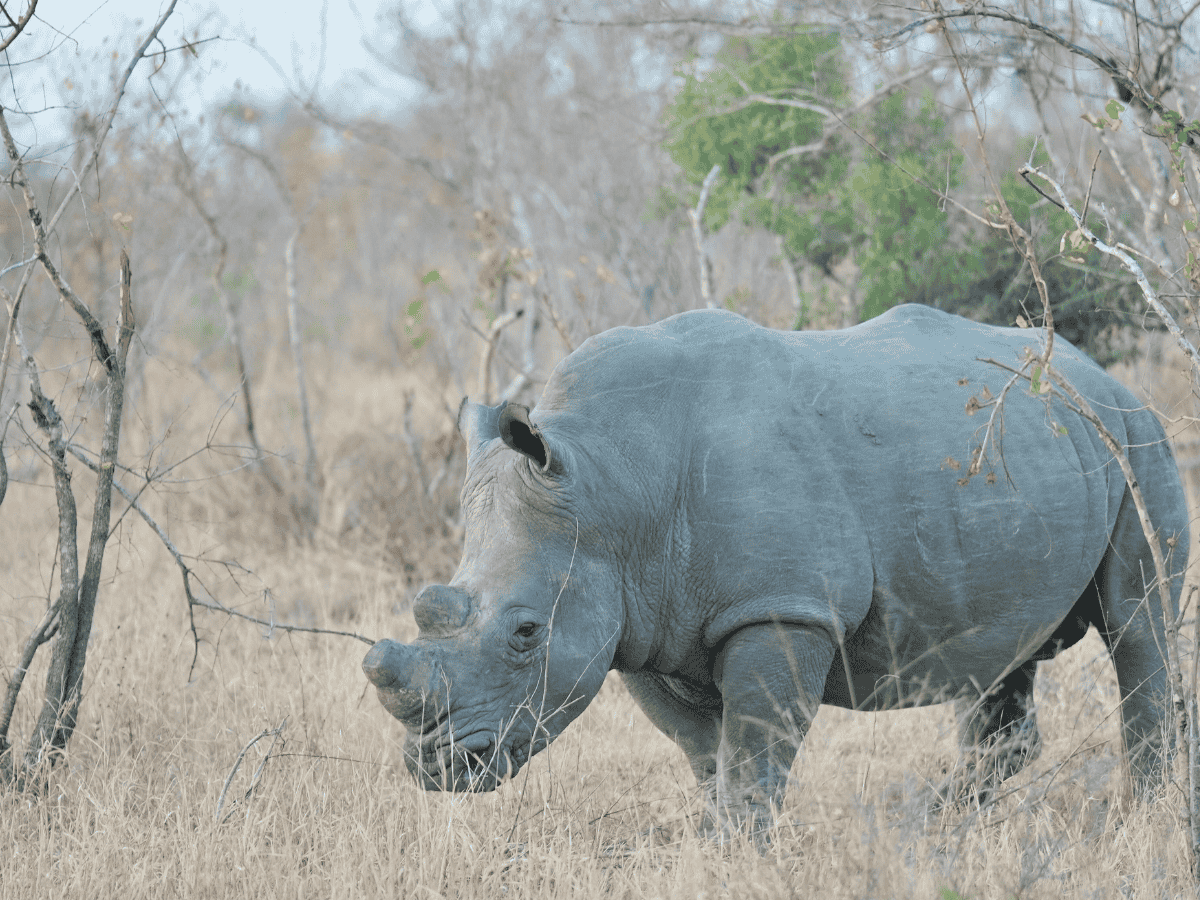
Buffalo🔵 Common in most parks | White Rhino🟢 Common in certain parks | Black Rhino🔴 Rare in most parks |
🥇 Kruger National Park
| 🥇 Kruger National Park
| 🥇 Kruger National Park
|
Giraffe🔵 Common in most parks | Wild Dog🟡 Occassional in some parks | Cheetah🟡 Occassional in some parks |
🥇 Kruger National Park
| 🥇 MalaMala Game Reserve
| 🥇 Kruger National Park
|
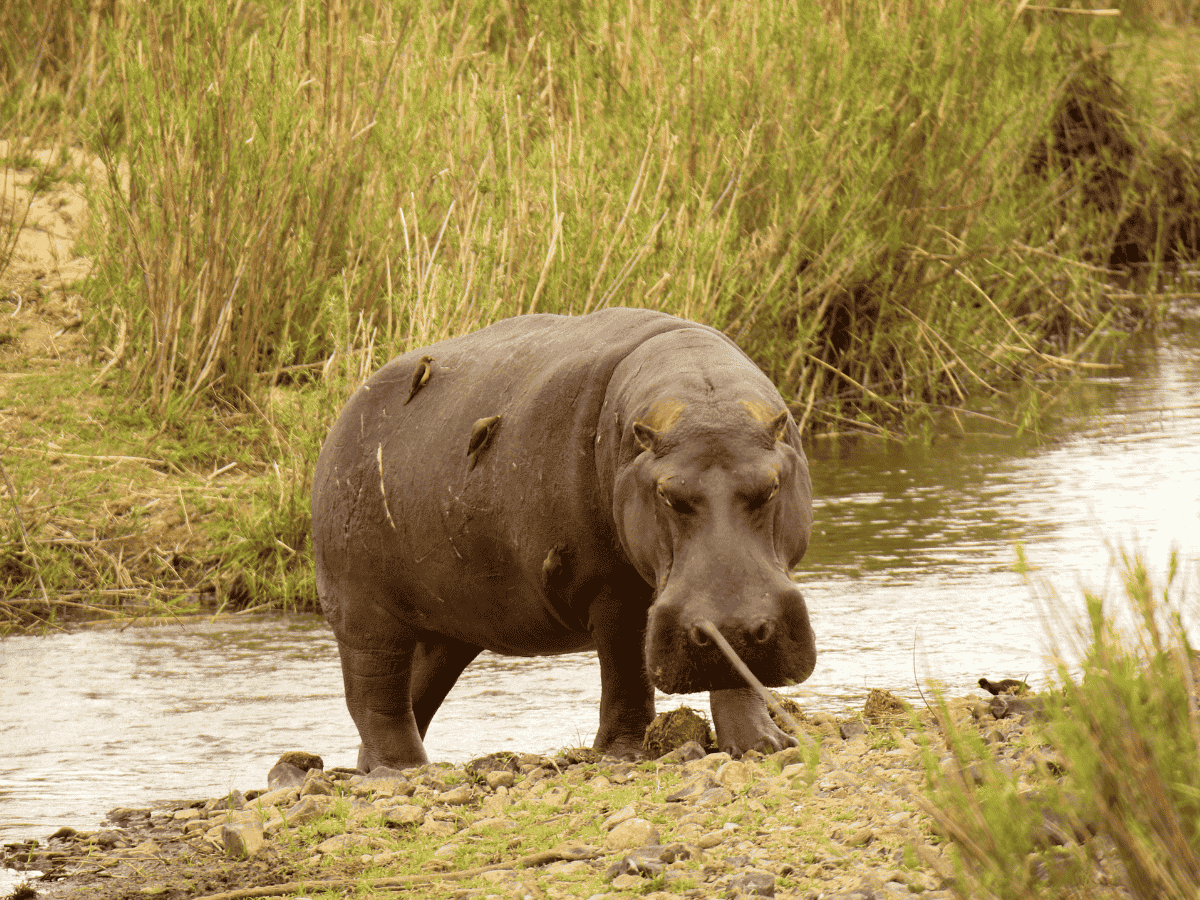
Spotted Hyena🔵 Common in most parks | Brown Hyena🔴 Rare in most parks | Hippo🔵 Common in most parks |
🥇 Kruger National Park
| 🥇 Kruger National Park
| 🥇 Kruger National Park
|
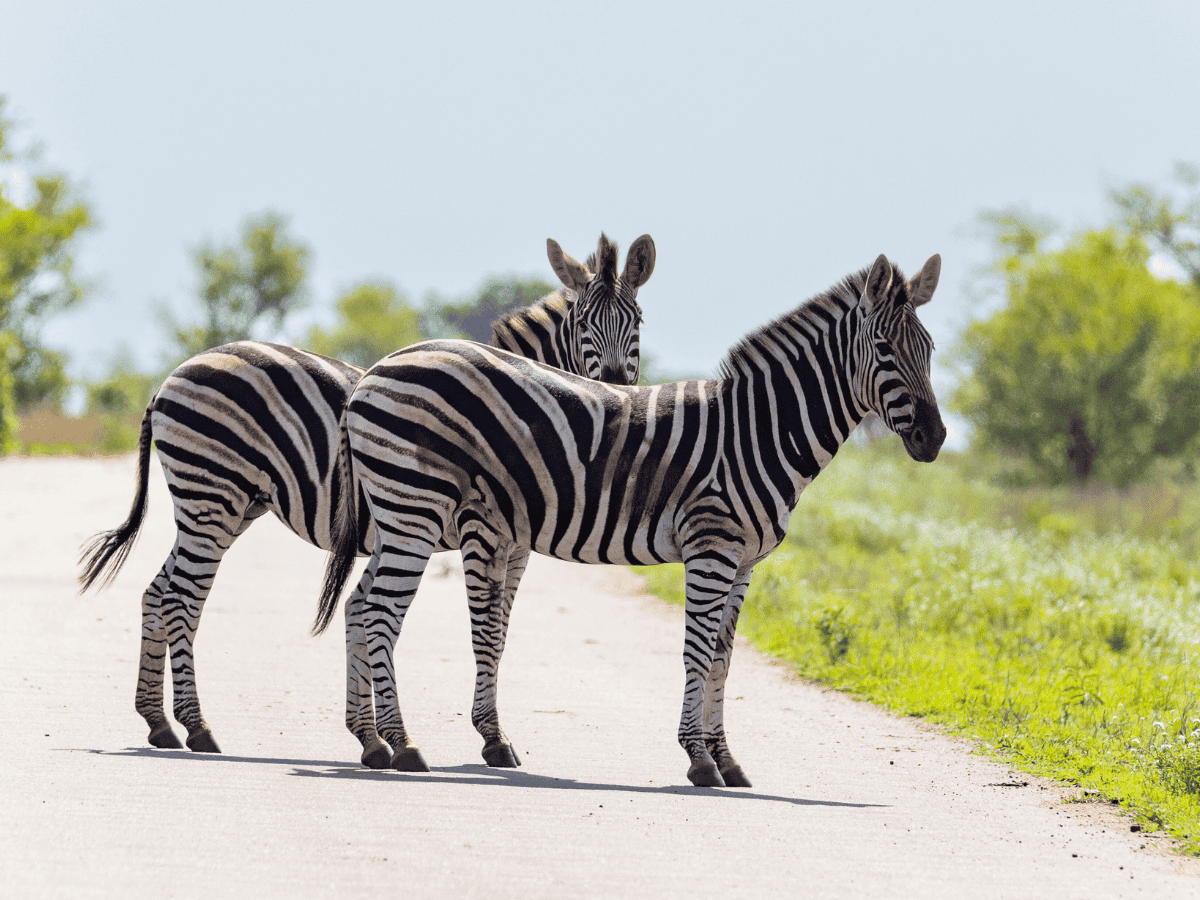
Zebra🔵 Common in most parks | Wildebeest🔵 Common in most parks | Meerkat⚫ Do not occur |
🥇 Kruger National Park
| 🥇 Kruger National Park
|
|
Other Notable Wildlife
Other notable wildlife found in this country
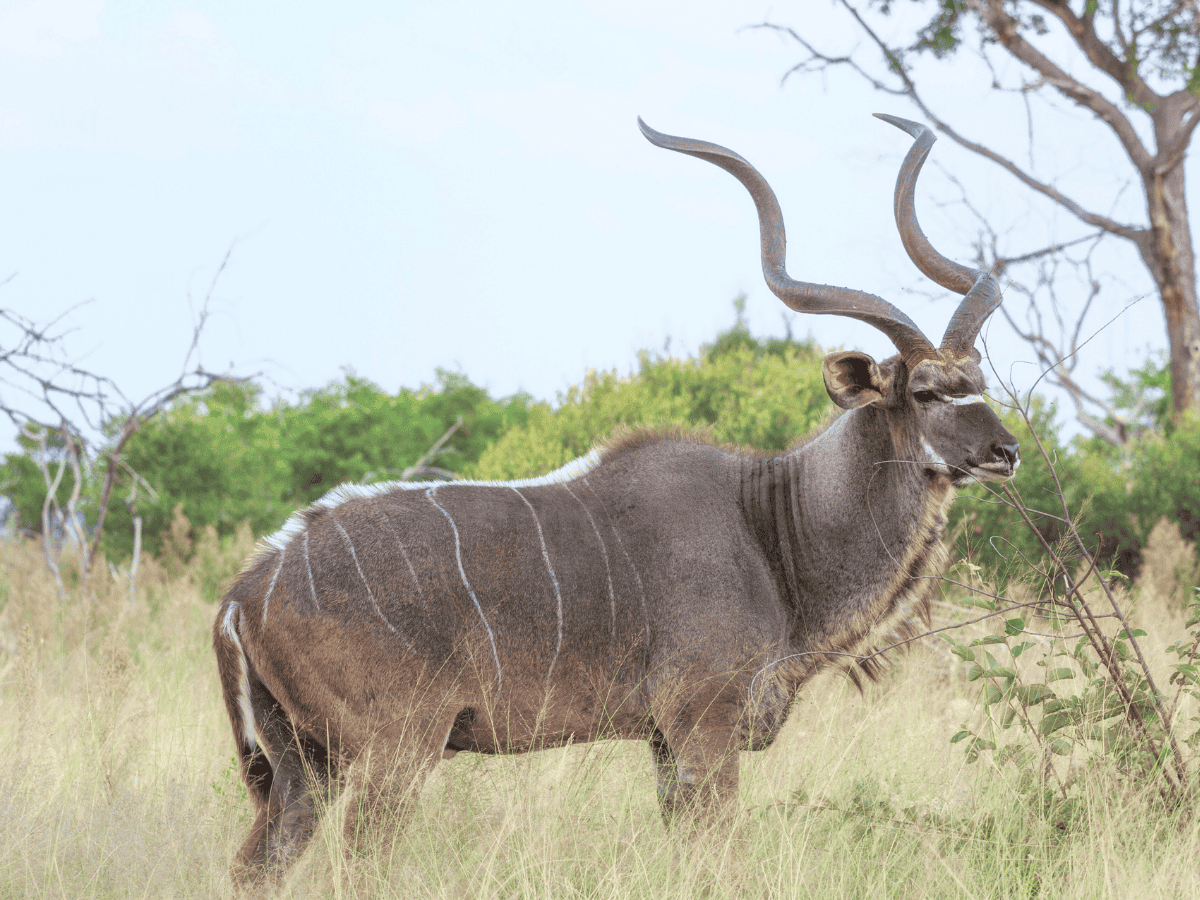
- Greater Kudu
Eland
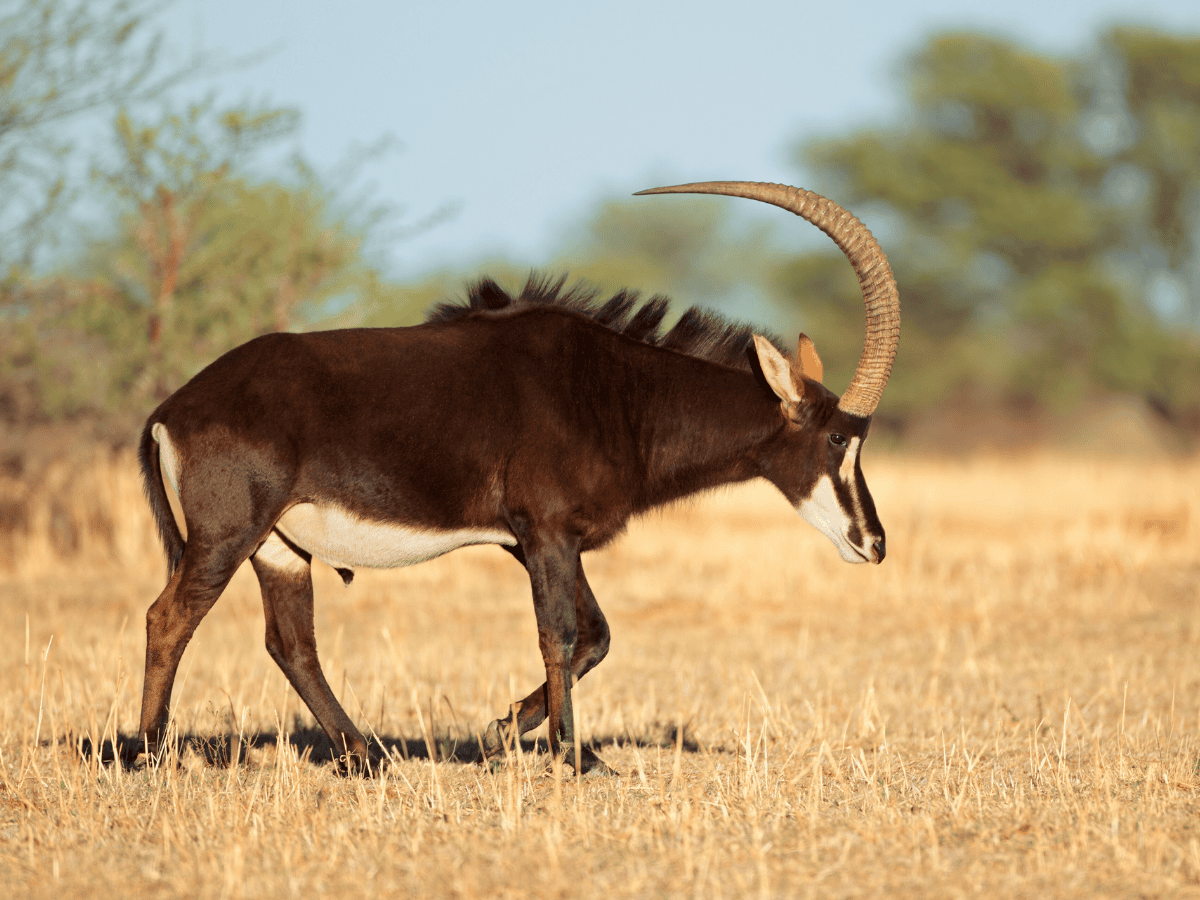
Sable Antelope
Roan Antelope
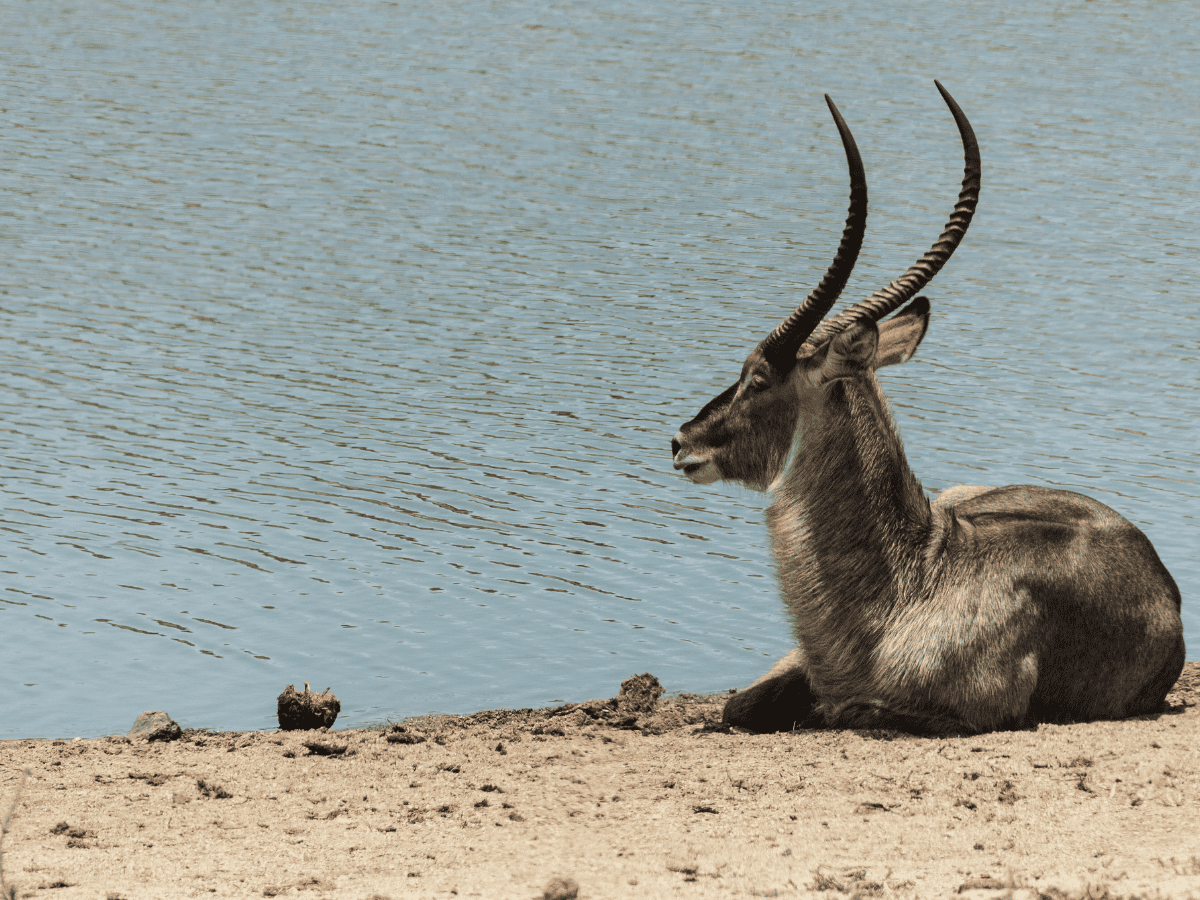
Waterbuck
Nyala
Bushbuck
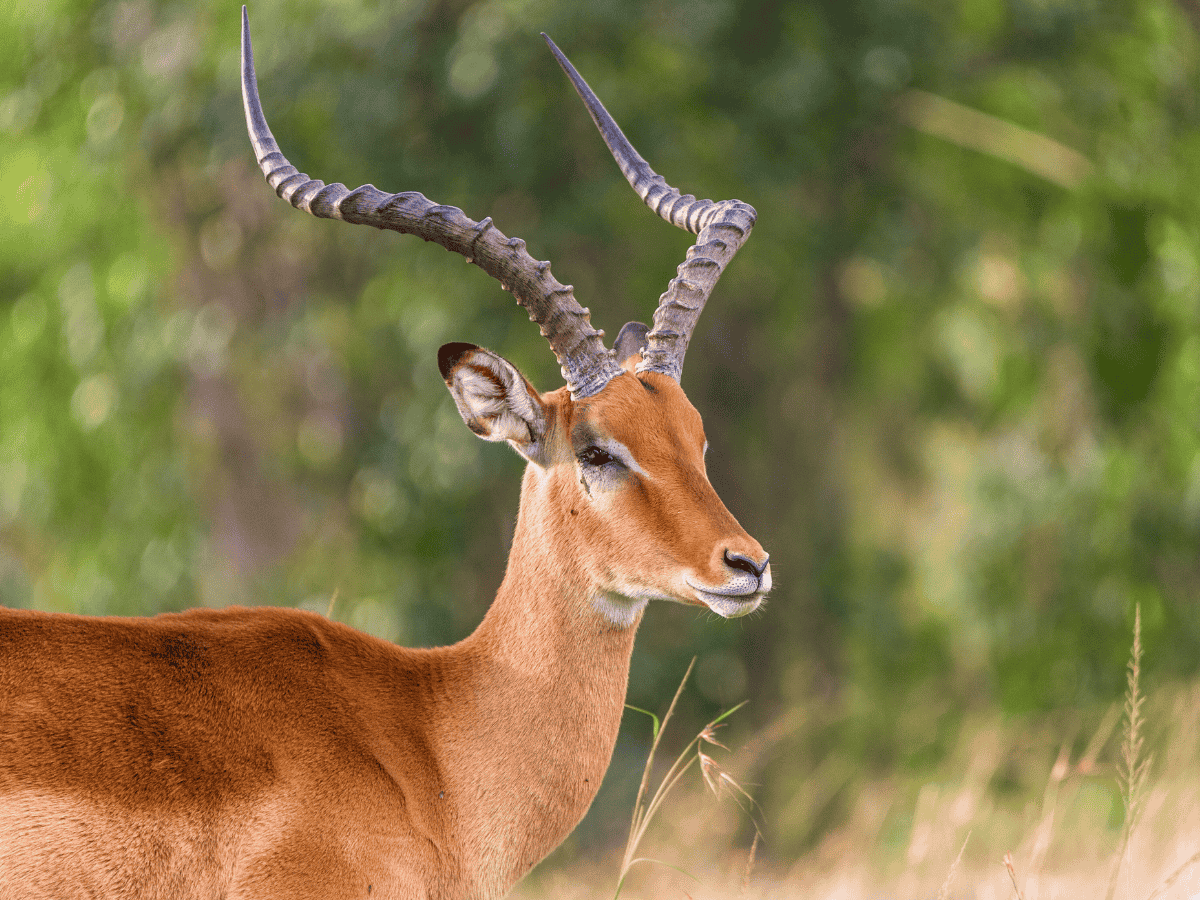
Impala
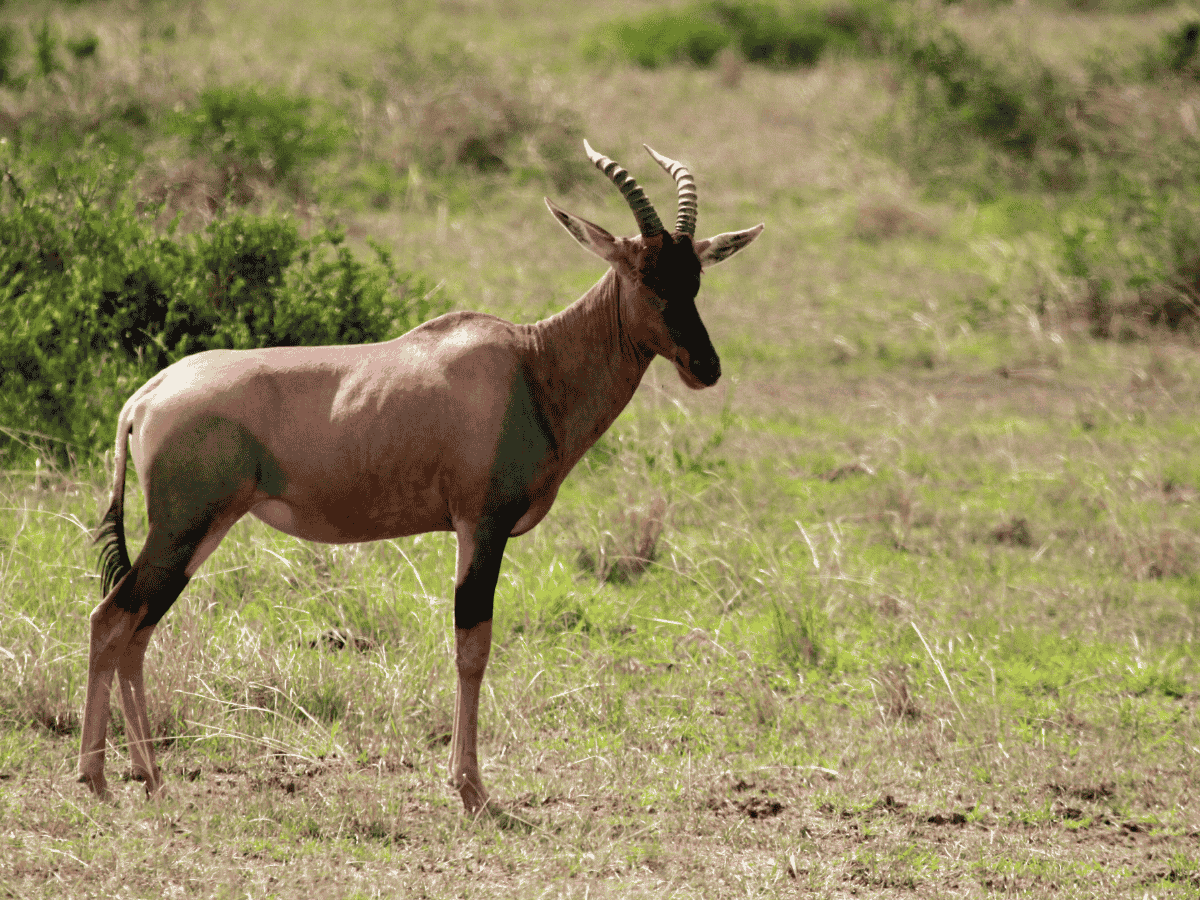
Tsessebe
Common Reedbuck
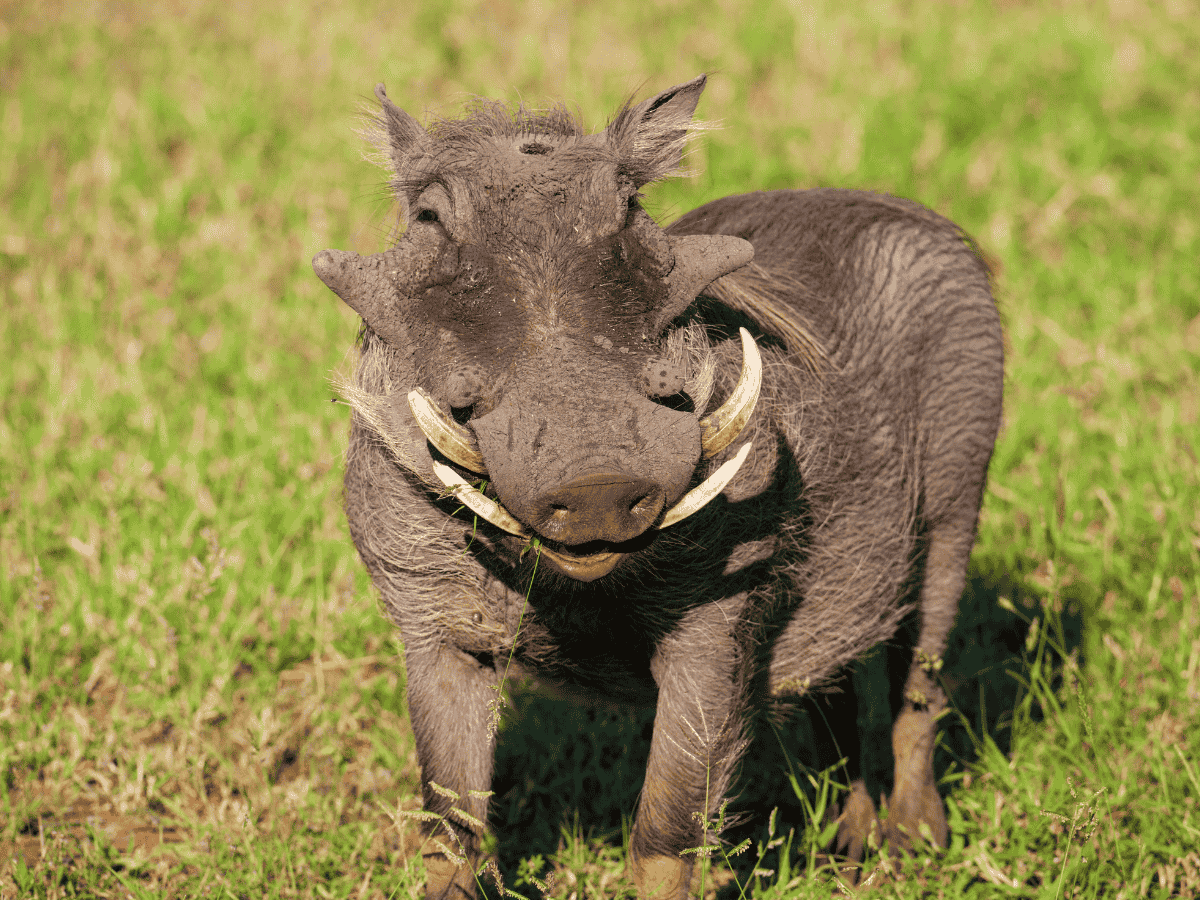
Warthog
Bushpig
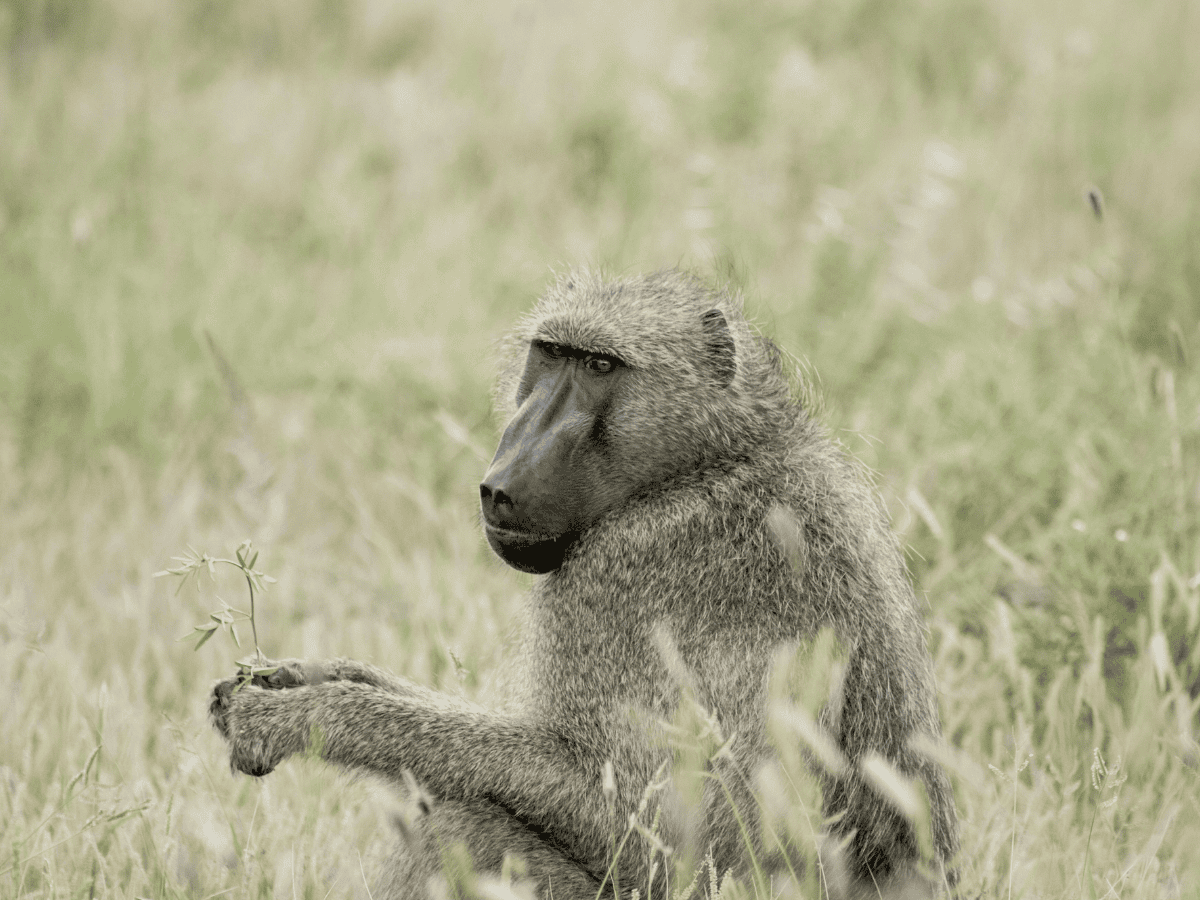
Baboon
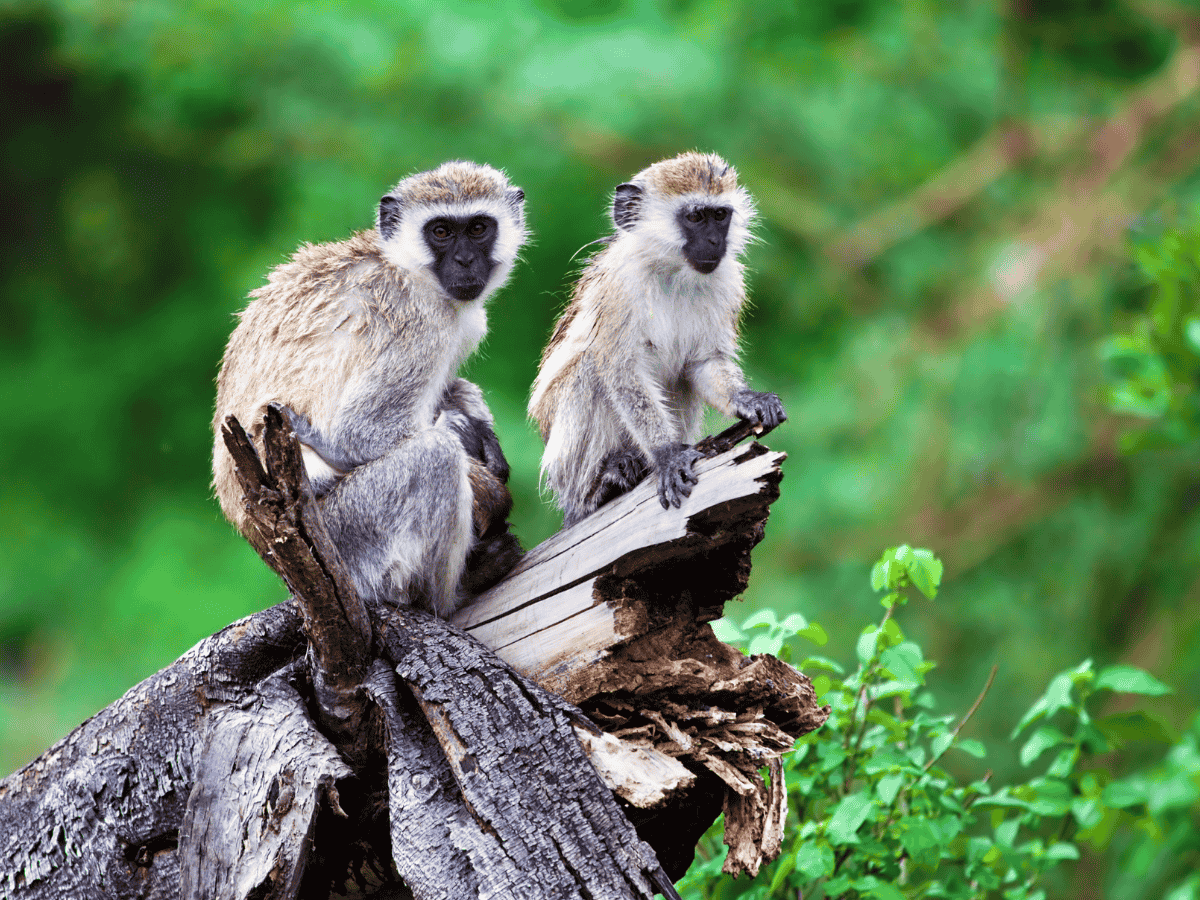
Vervet Monkey
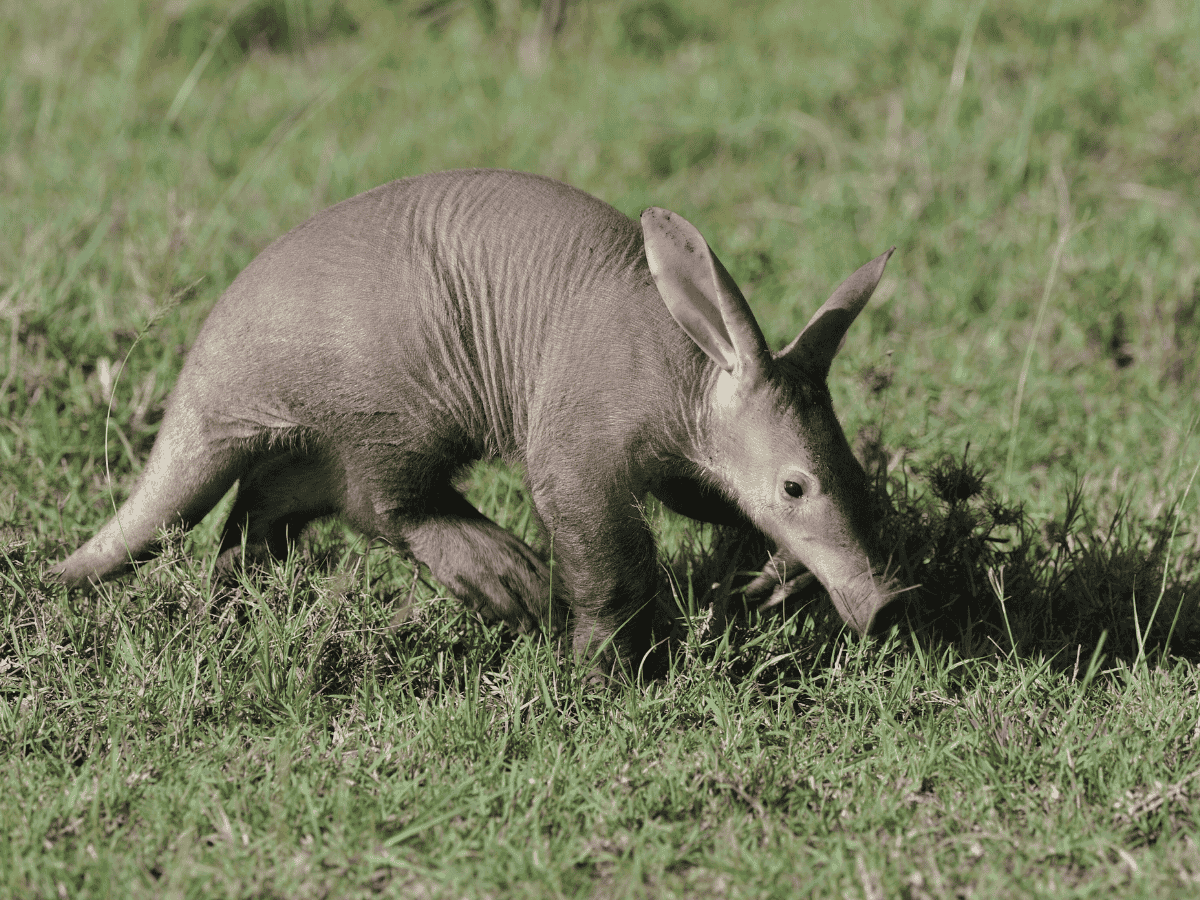
Aardvark
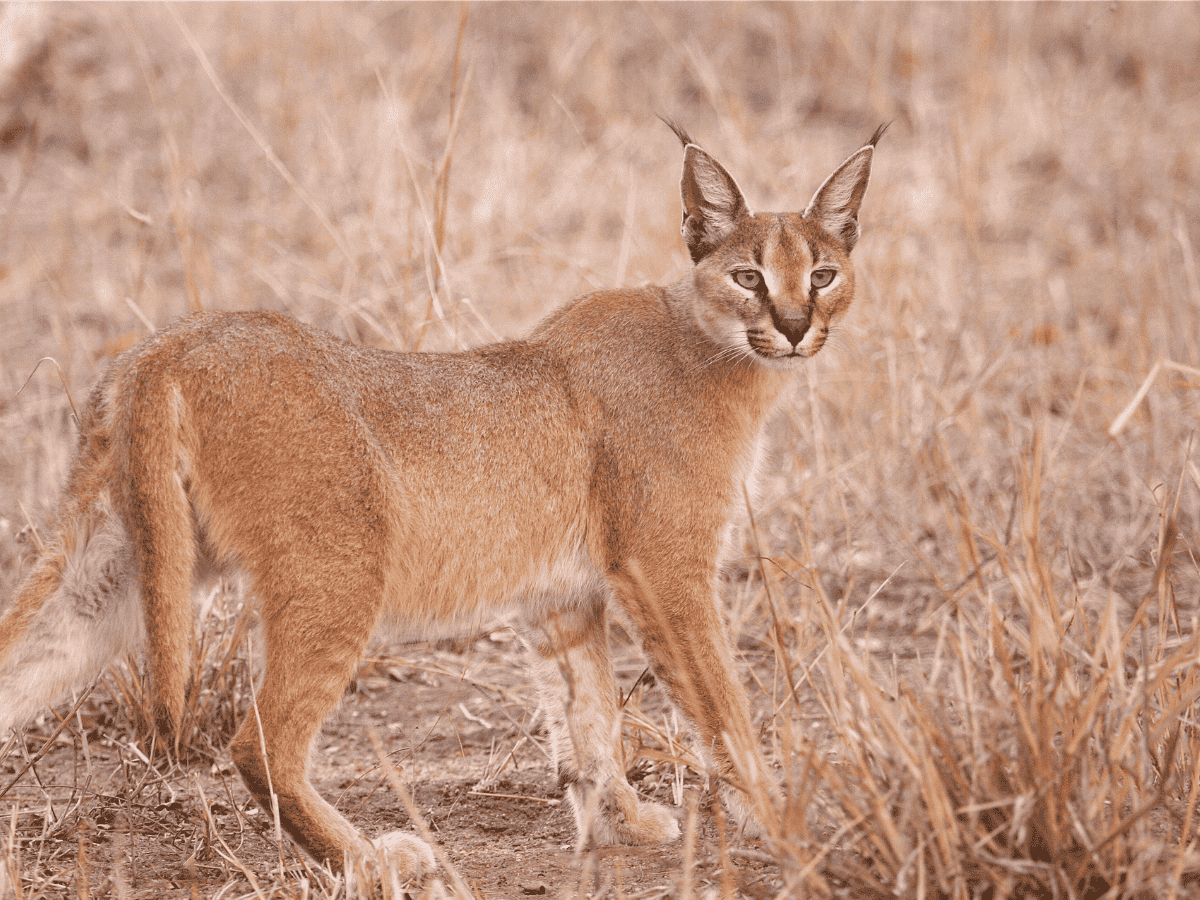
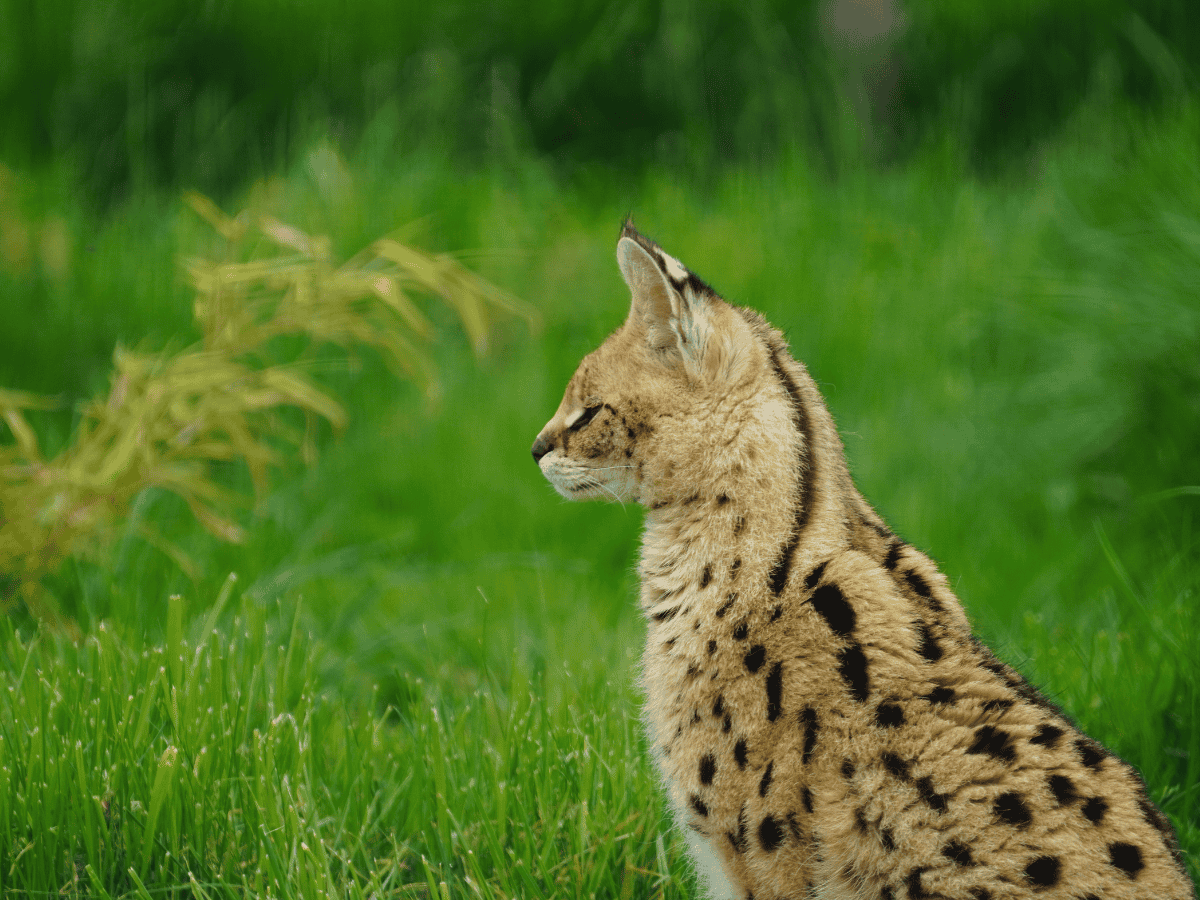
Caracal
Serval
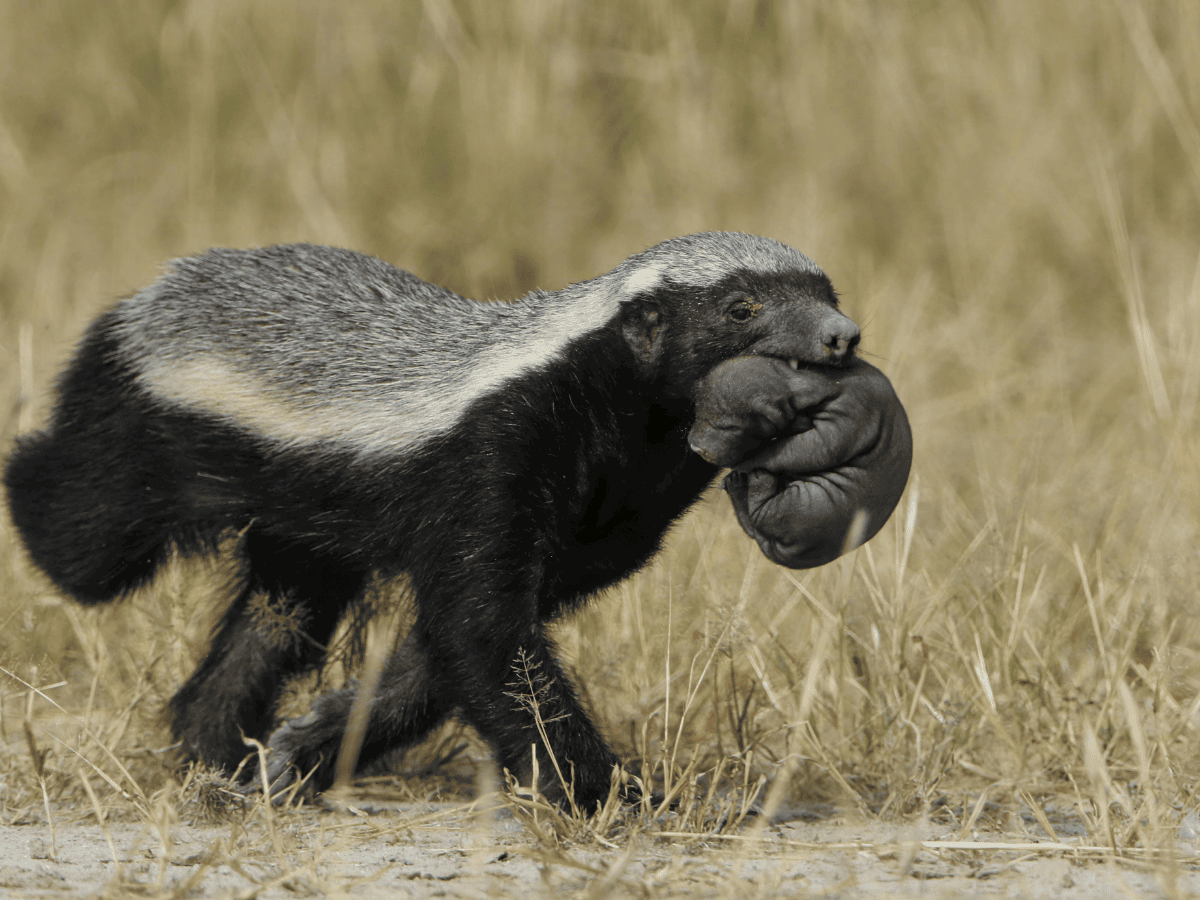
Honey Badger
African Civet
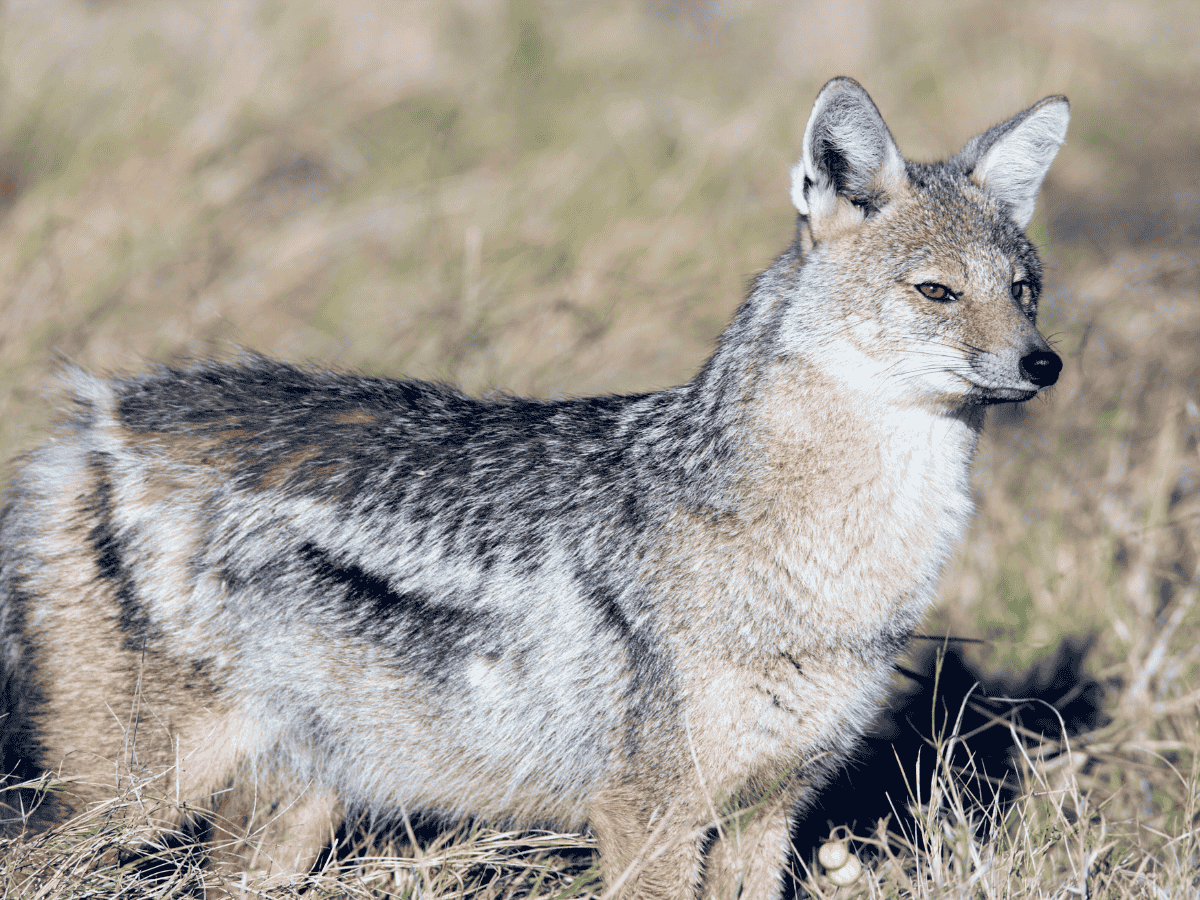
Black-backed Jackal
Side-striped Jackal
Birds
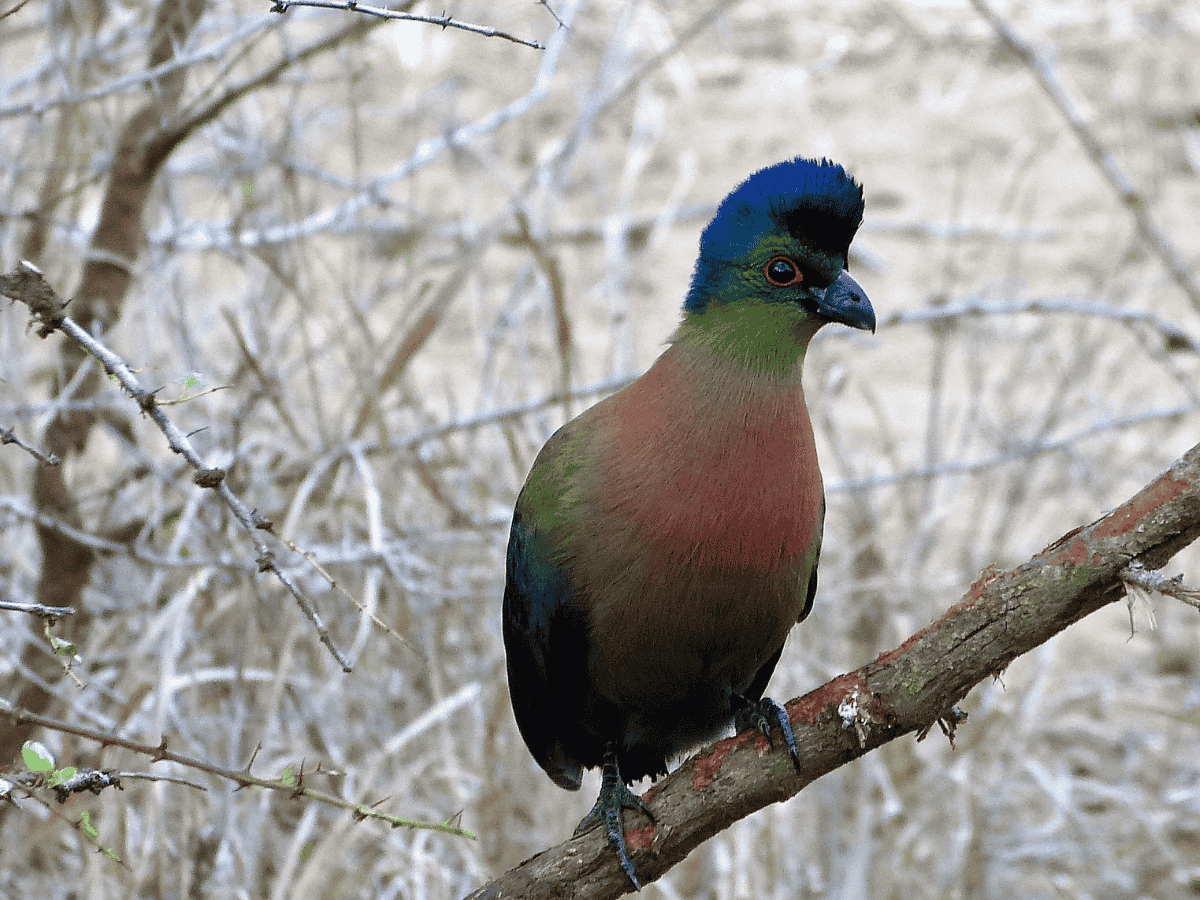
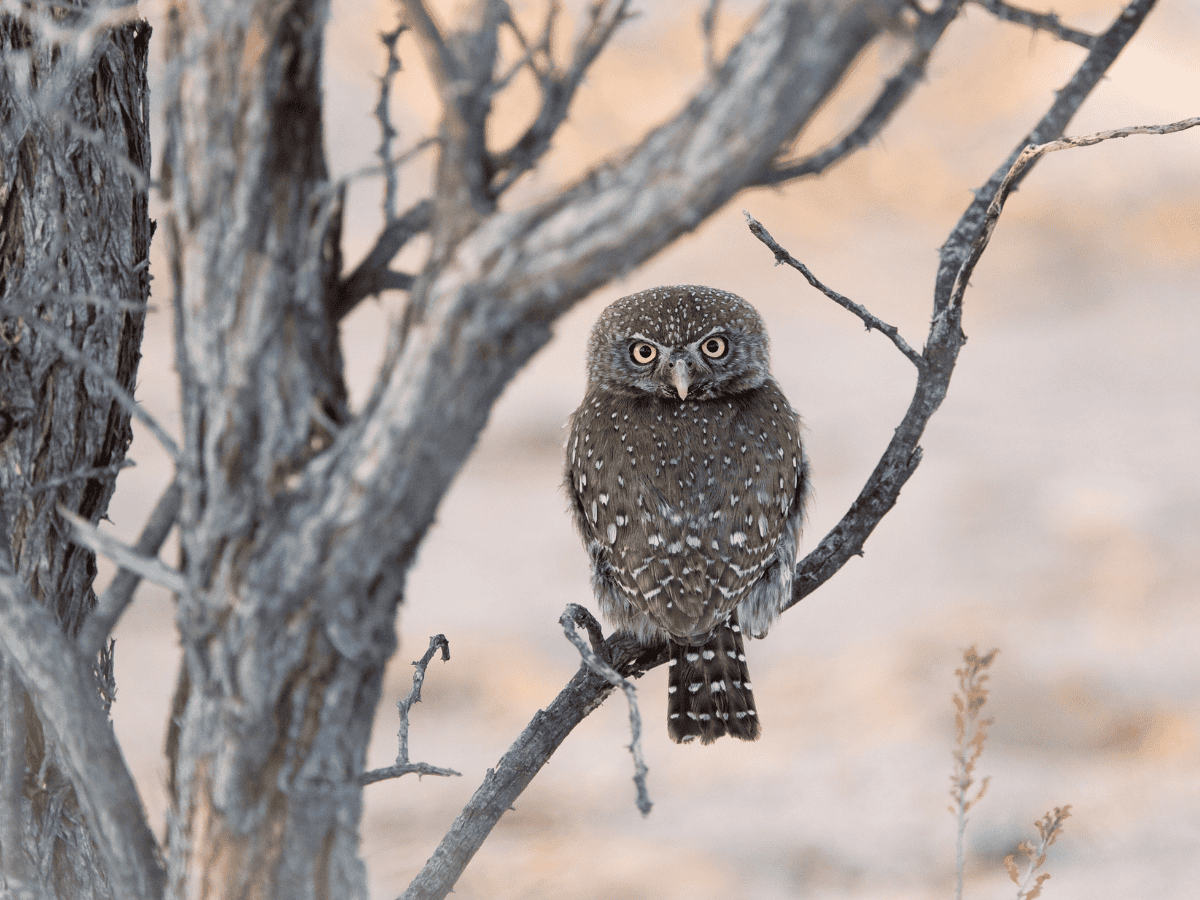
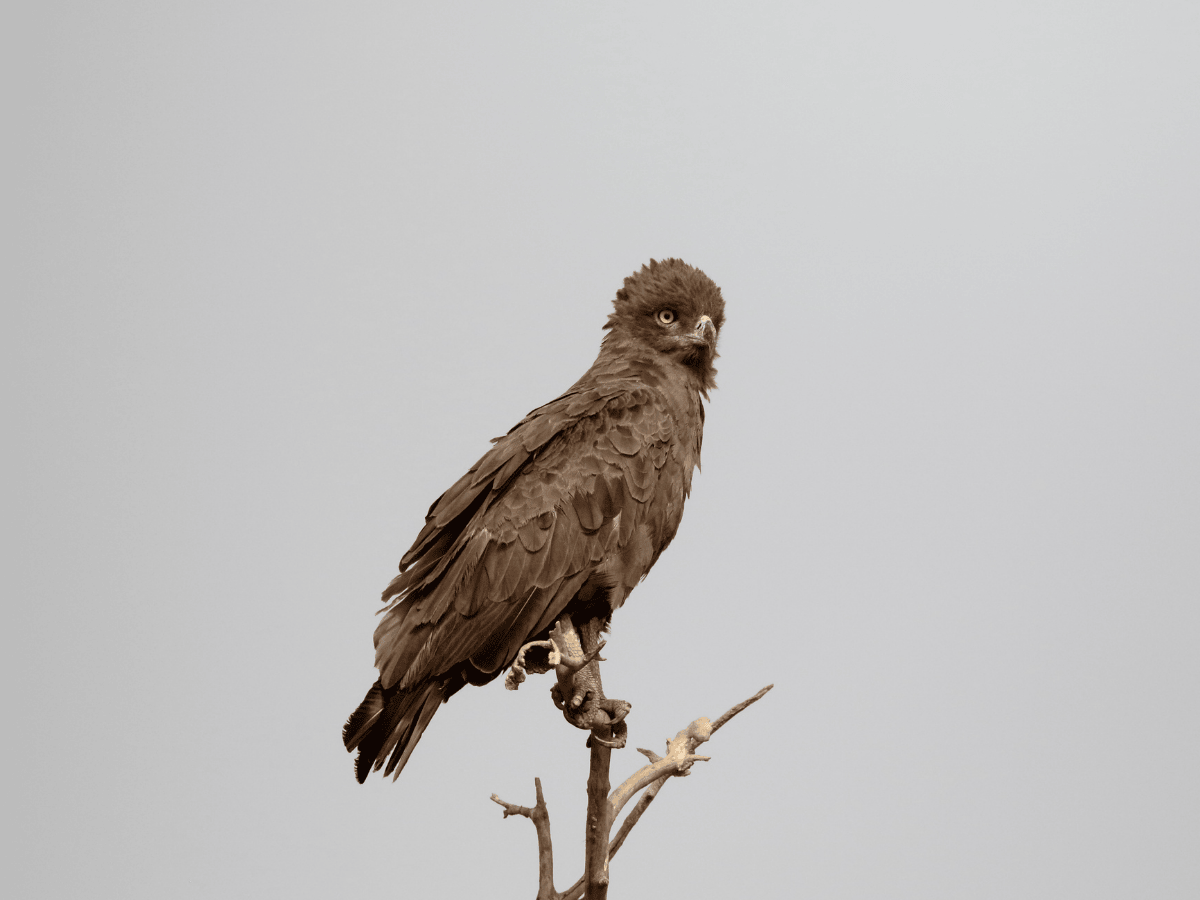
The Kruger Region is one of Africa’s top birding destinations, with over 500 recorded species. Habitats include riverine forest, open savannah, mopane woodland, and wetlands. This diversity supports a wide range of resident and migratory birds, making the region highly rewarding for both casual birders and specialists.
Birding Highlights
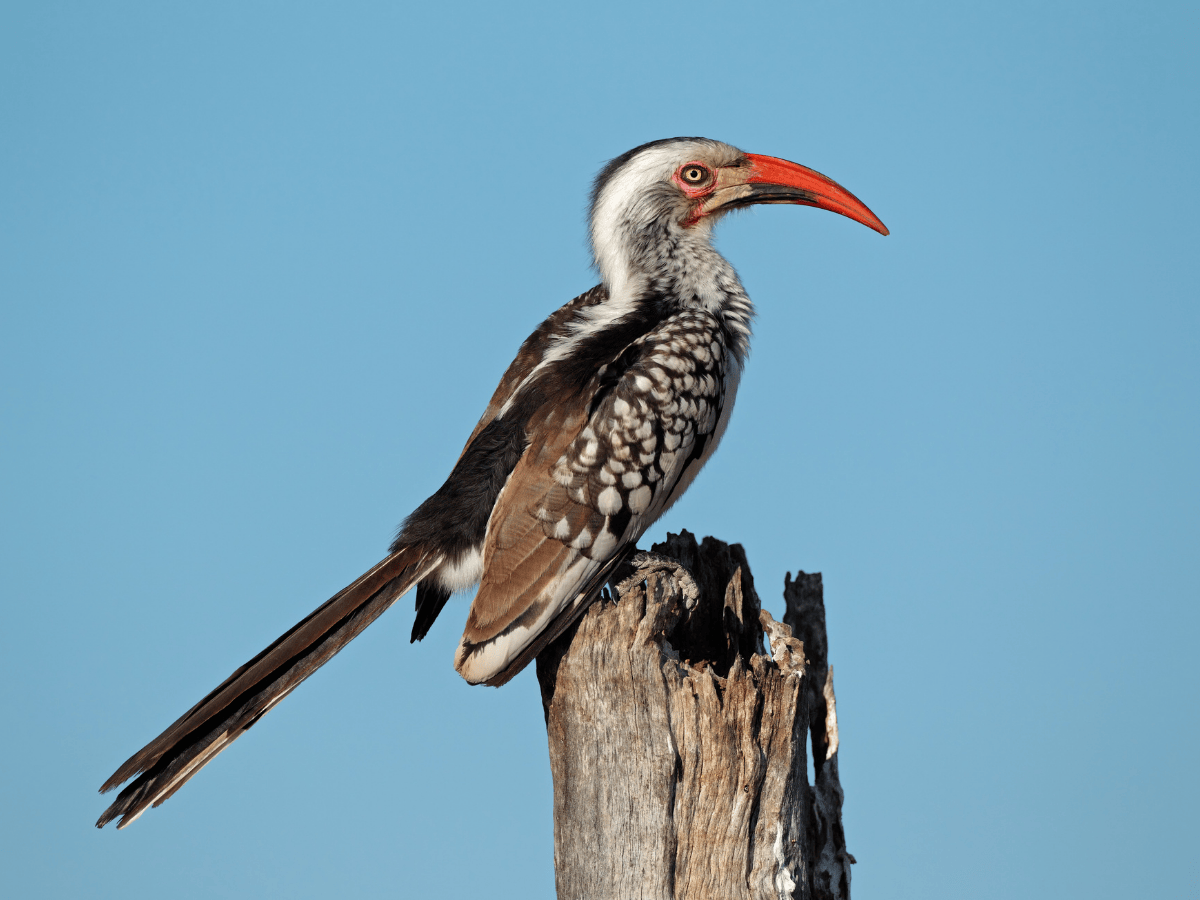
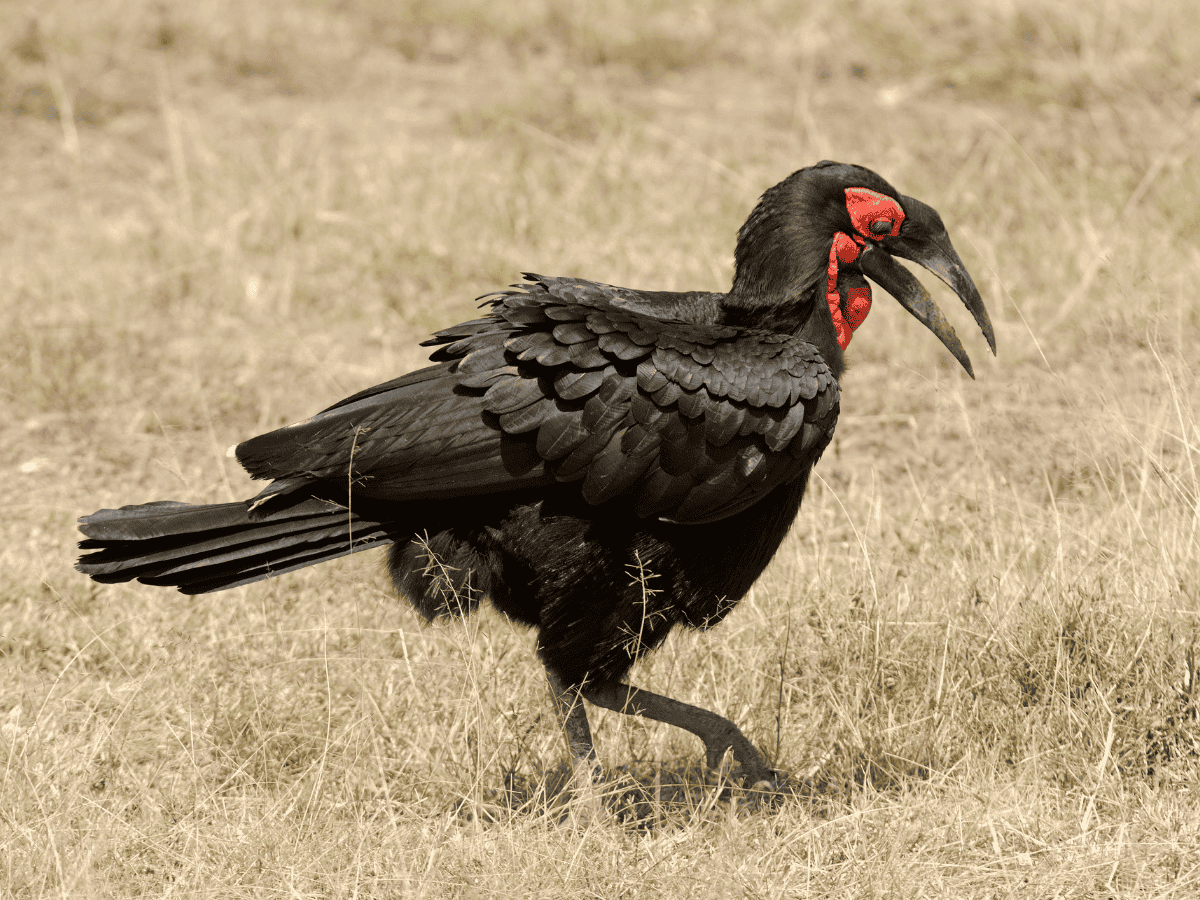
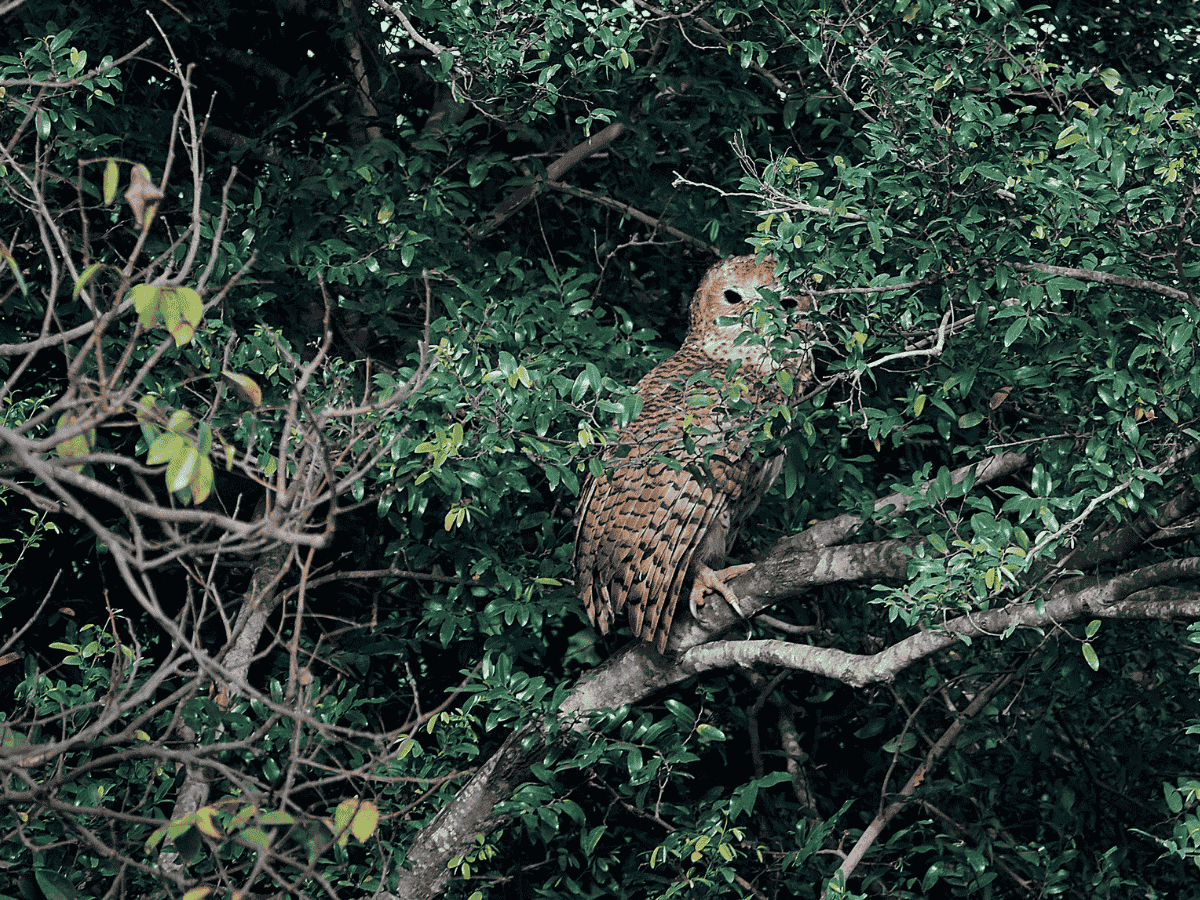
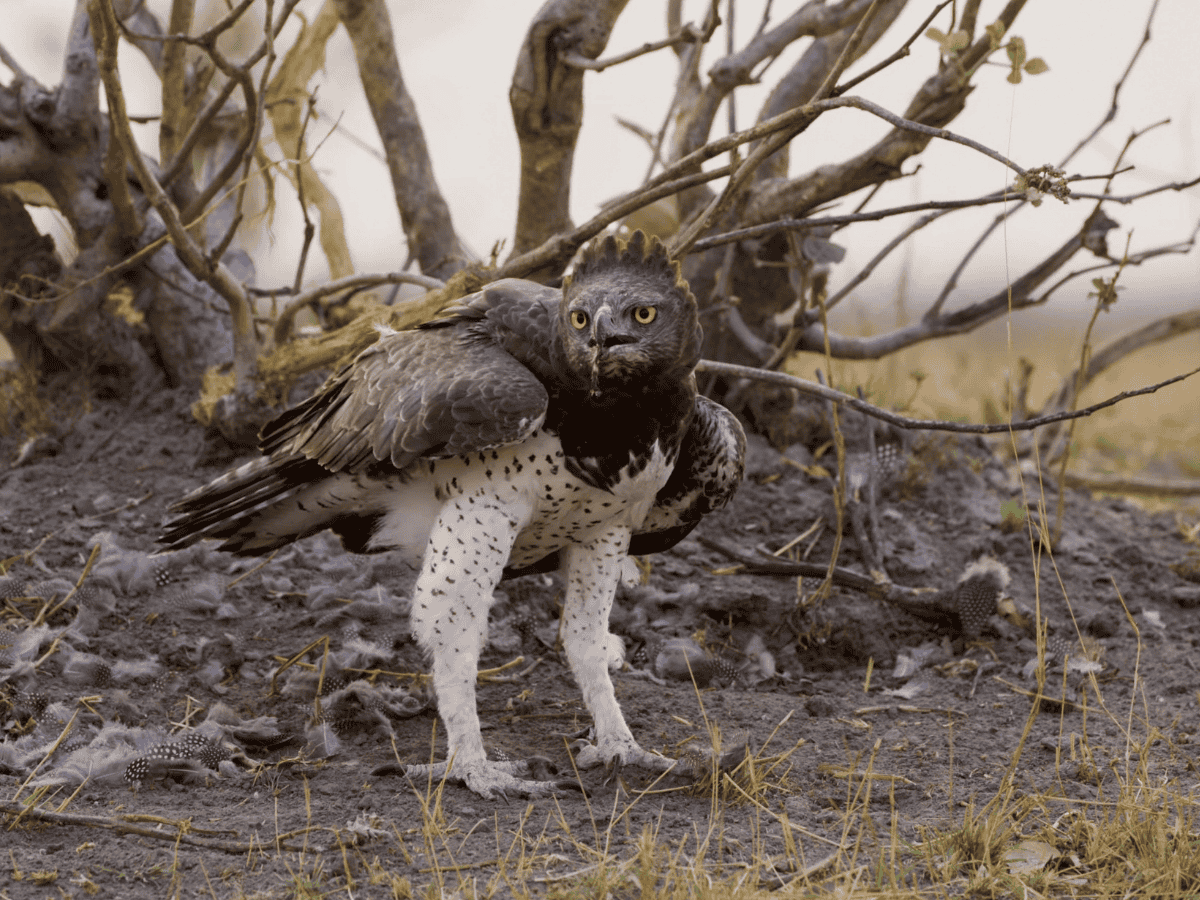
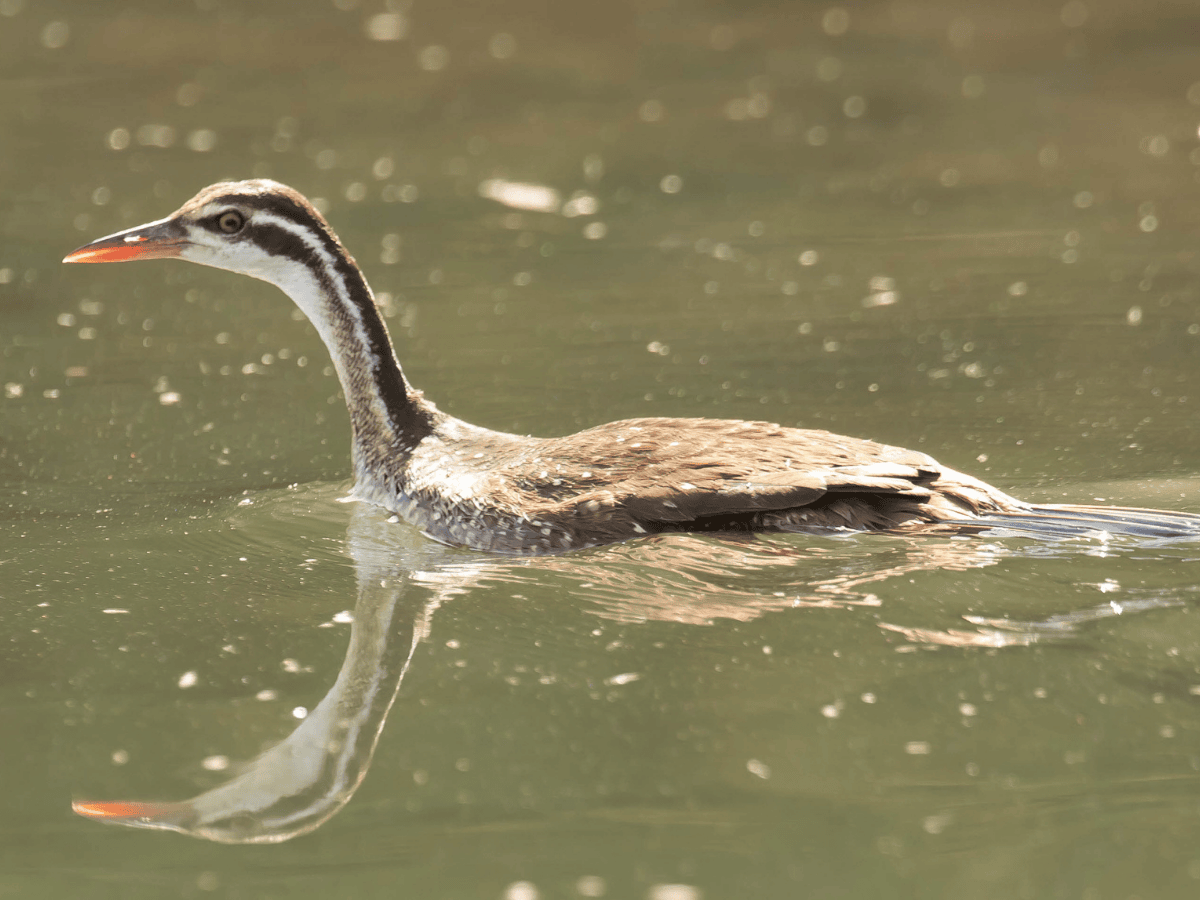
Highlights include iconic raptors such as Martial Eagle and Bateleur, as well as sought-after species like Pel’s Fishing Owl and African Finfoot along river systems. Woodland specials like Southern Ground Hornbill and Lilac-breasted Roller are common, while summer brings migratory species including bee-eaters and cuckoos.
When To Go For Birding
Birding is best from October to March when migrants arrive and breeding activity peaks. Birds are more vocal and easier to locate. Winter months offer good visibility due to thinner vegetation, but fewer species are present and activity is generally lower.
Birding By Month | ||
Jan | Feb | Mar |
Apr | May | Jun |
July | Aug | Sep |
Oct | Nov | Dec |
= Excellent = Good = Fair = Poor
Best Parks & Reserves For Birding
Birding across the Kruger Region is consistently strong, but areas with permanent water and varied habitats stand out. Private reserves offer quieter conditions and access to prime river systems, while Kruger National Park provides scale and habitat diversity across the region.
- 🥇 Kruger National Park (Kruger Region)
› Exceptional diversity with rivers, woodlands, and wetlands supporting over 500 species.
- Sabi Sands Game Reserve (Kruger Region)
› Strong riverine birding with excellent sightings of kingfishers and owls.
- Manyeleti Game Reserve (Kruger Region)
› Quiet reserve with good habitat mix and consistent raptor activity.
- Timbavati Game Reserve (Kruger Region)
› Open woodland and river systems support diverse birdlife and night species.
› View All Parks & Reserves
Iconic Birds & Where To Find Them
Table showing the top parks and reserves where you will have the best chance at findig the birds you want to see:
🔵 Common in most parks; 🟢 Common in certain parks; 🟡 Occassional in some parks; 🔴 Rare in most parks; ⚫ Do not occur
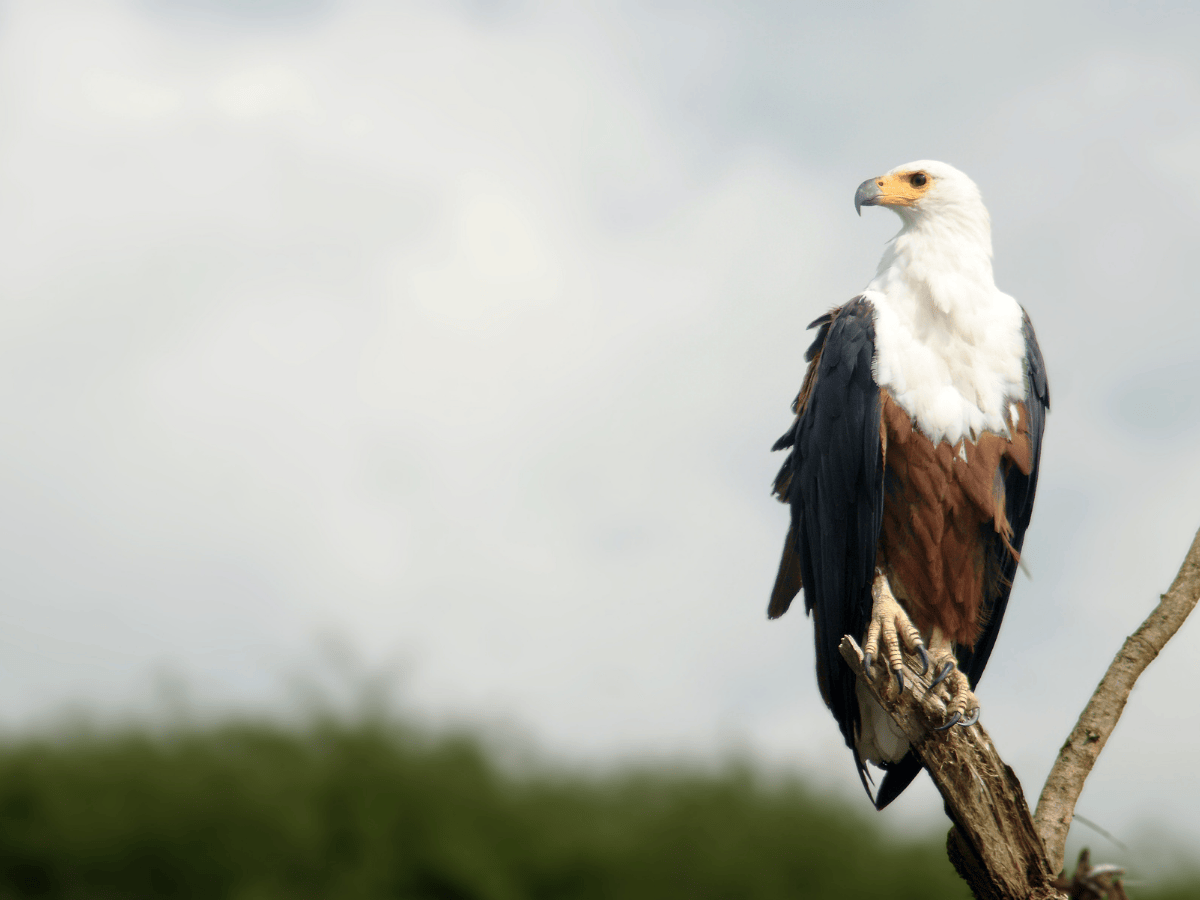
African Fish Eagle🔵 Common in most parks | Pel’s Fishing Owl🔴 Rare in most parks | African Finfoot🔴 Rare in most parks |
🥇 Kruger National Park
| 🥇 Kruger National Park
| 🥇 Kruger National Park
|
Southern Ground Hornbill🟢 Common in certain parks | Martial Eagle🟢 Common in certain parks | Bateleur🟢 Common in certain parks |
🥇 Kruger National Park
| 🥇 Kruger National Park
| 🥇 Kruger National Park
|
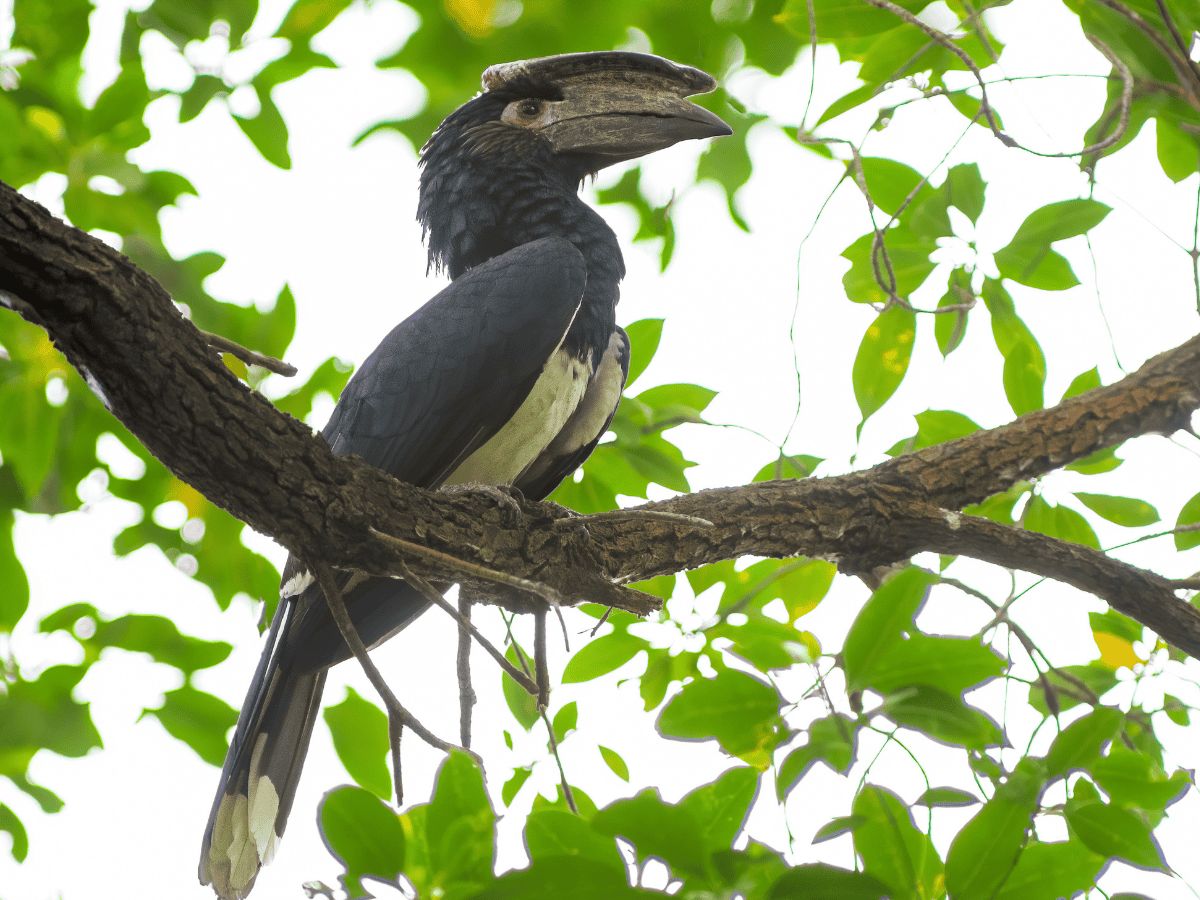
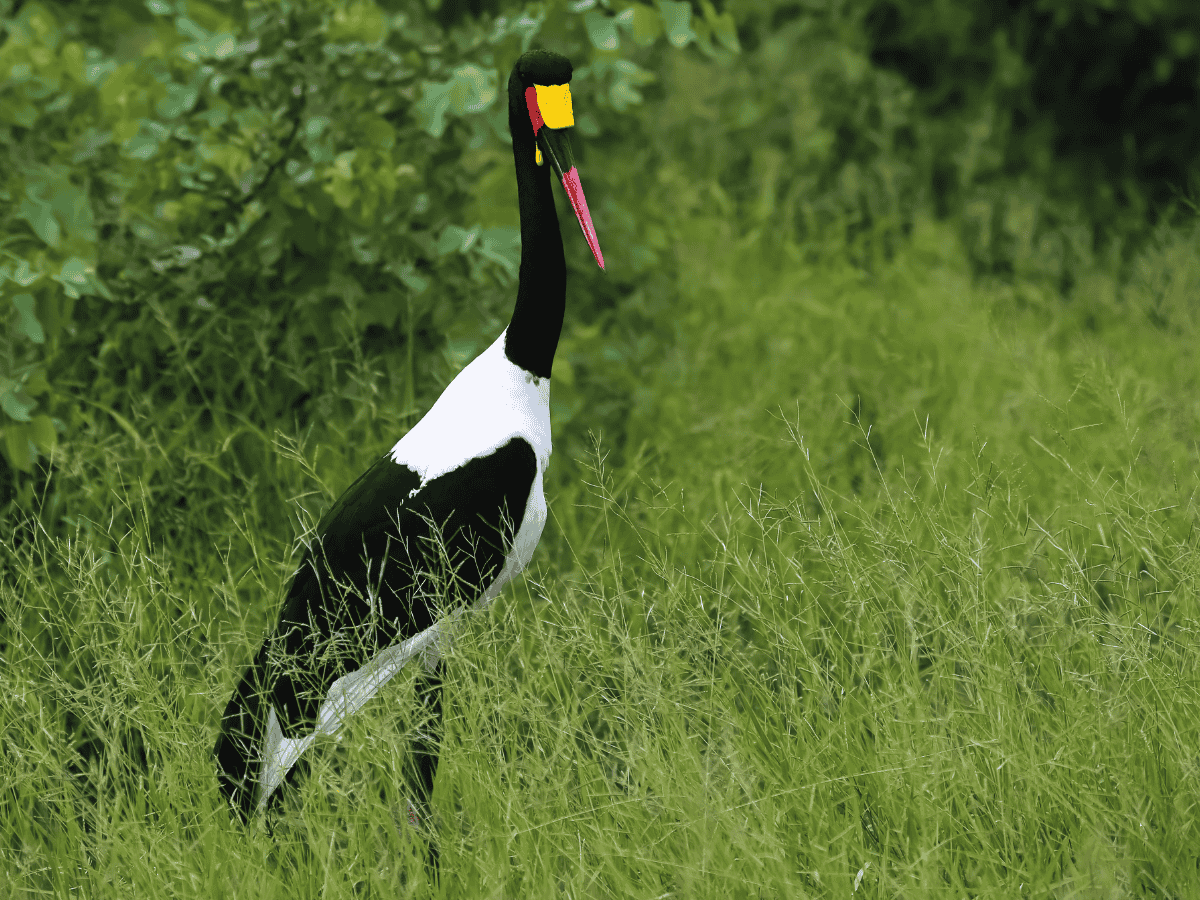
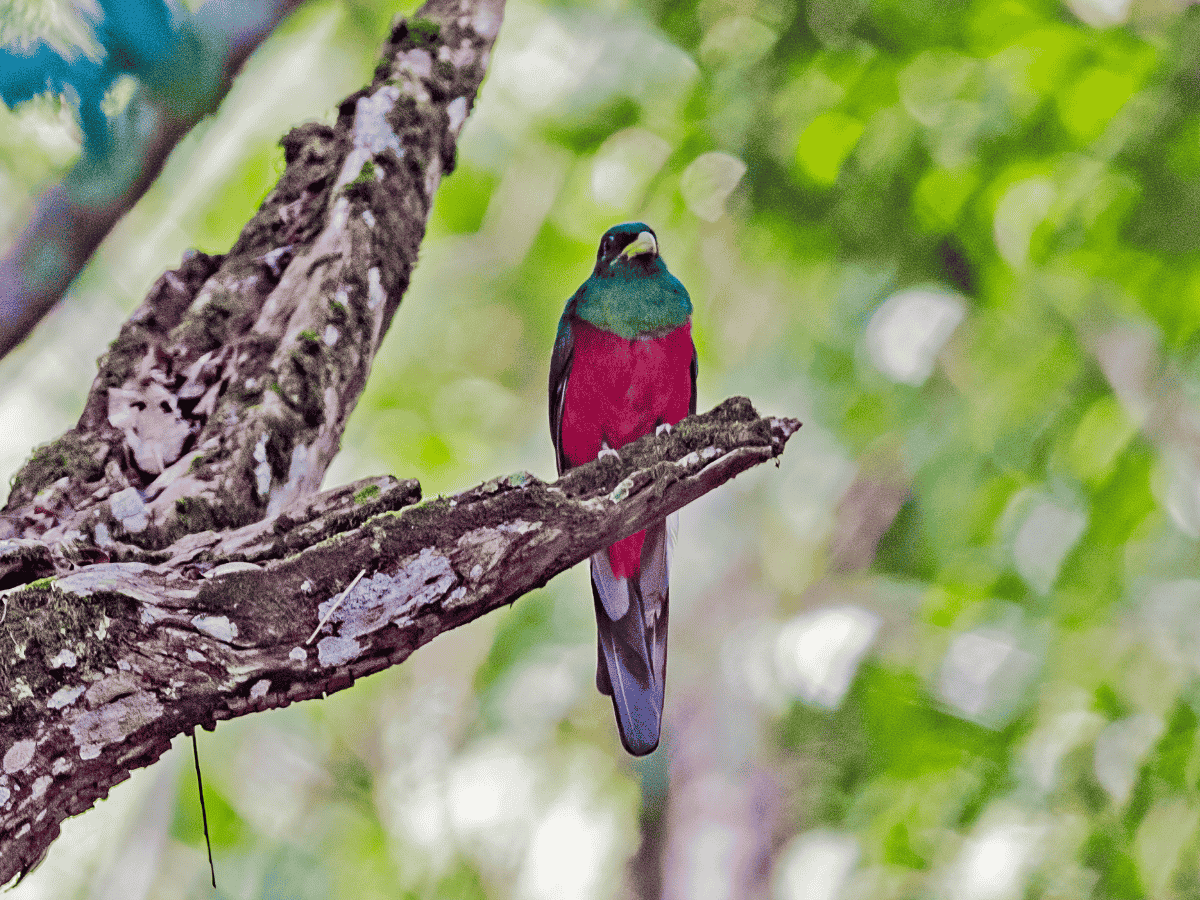
Saddle-billed Stork🟢 Common in certain parks | Narina Trogon🟡 Occasional in some parks | Trumpeter Hornbill🟢 Common in certain parks |
🥇 Kruger National Park
| 🥇 Kruger National Park
| 🥇 Kruger National Park
|
Other Notable Birds
Other notable birds found in this country
- Saddle-billed Stork
Southern Ground Hornbill
Kori Bustard
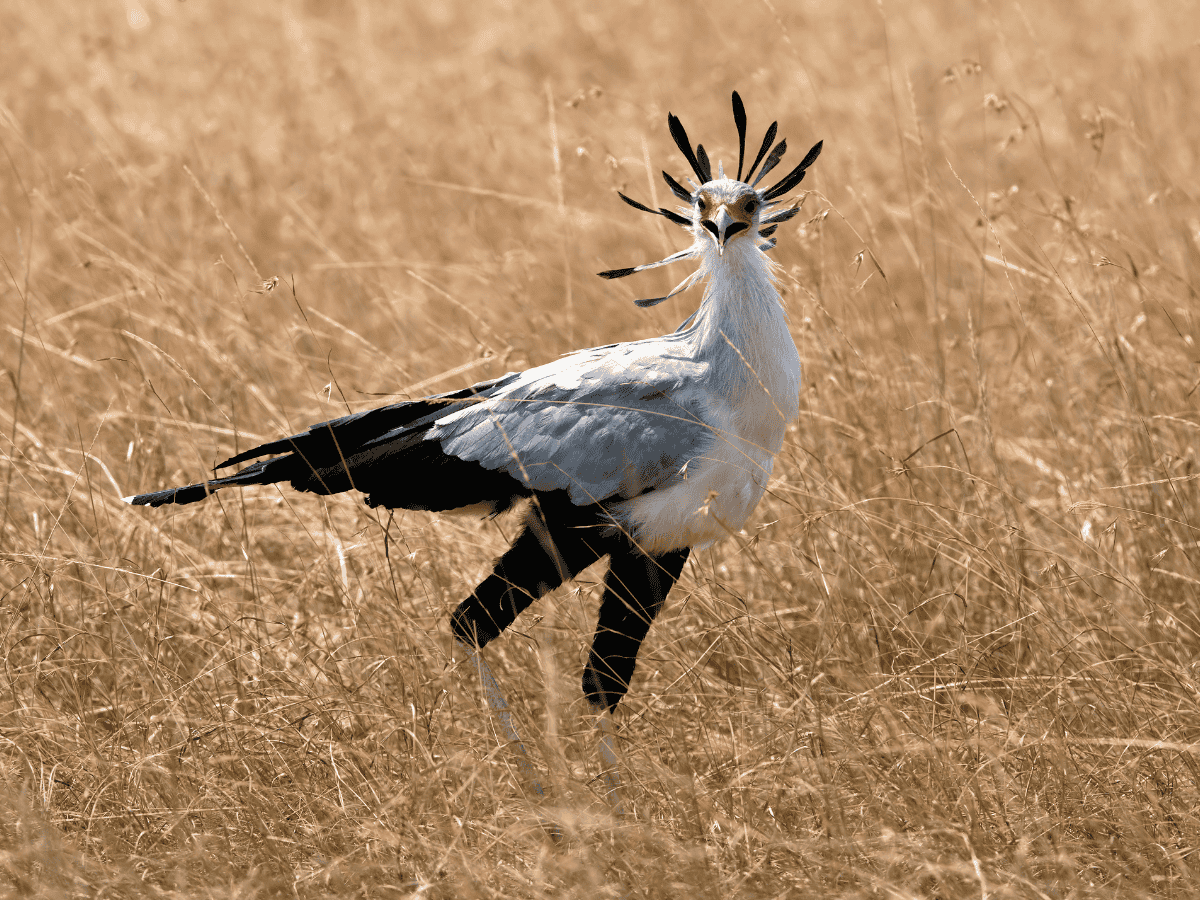
Secretarybird
Martial Eagle
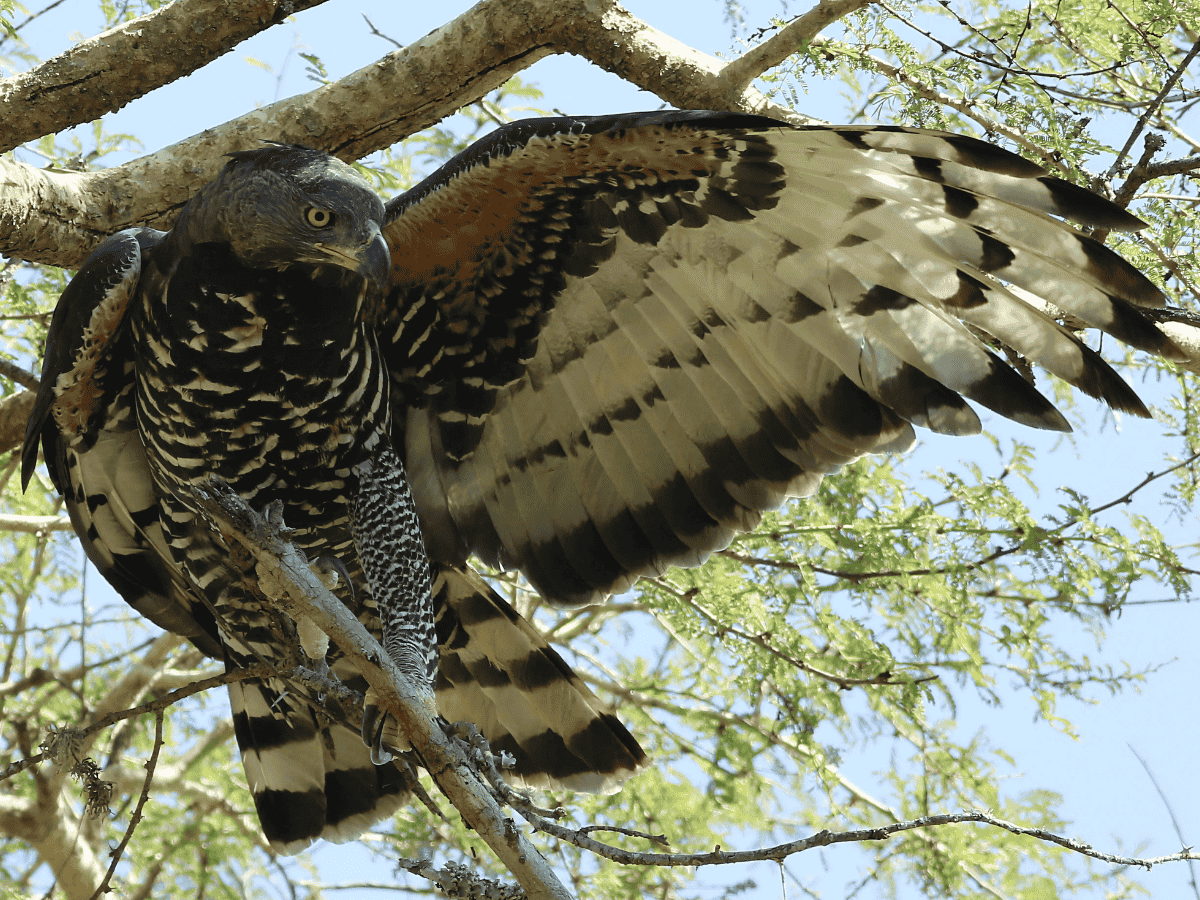
Crowned Eagle
Bateleur
African Hawk-Eagle
Brown Snake Eagle
Black-chested Snake Eagle
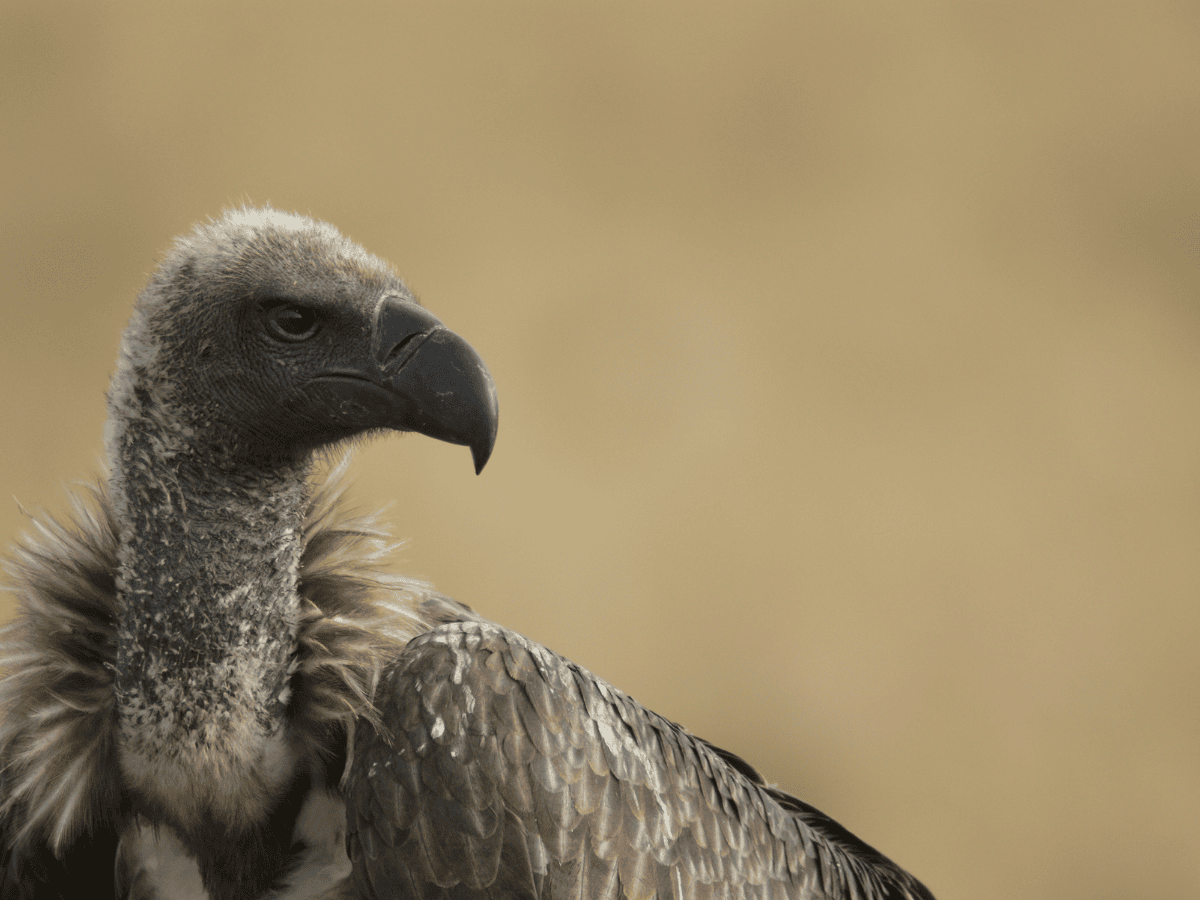
White-backed Vulture
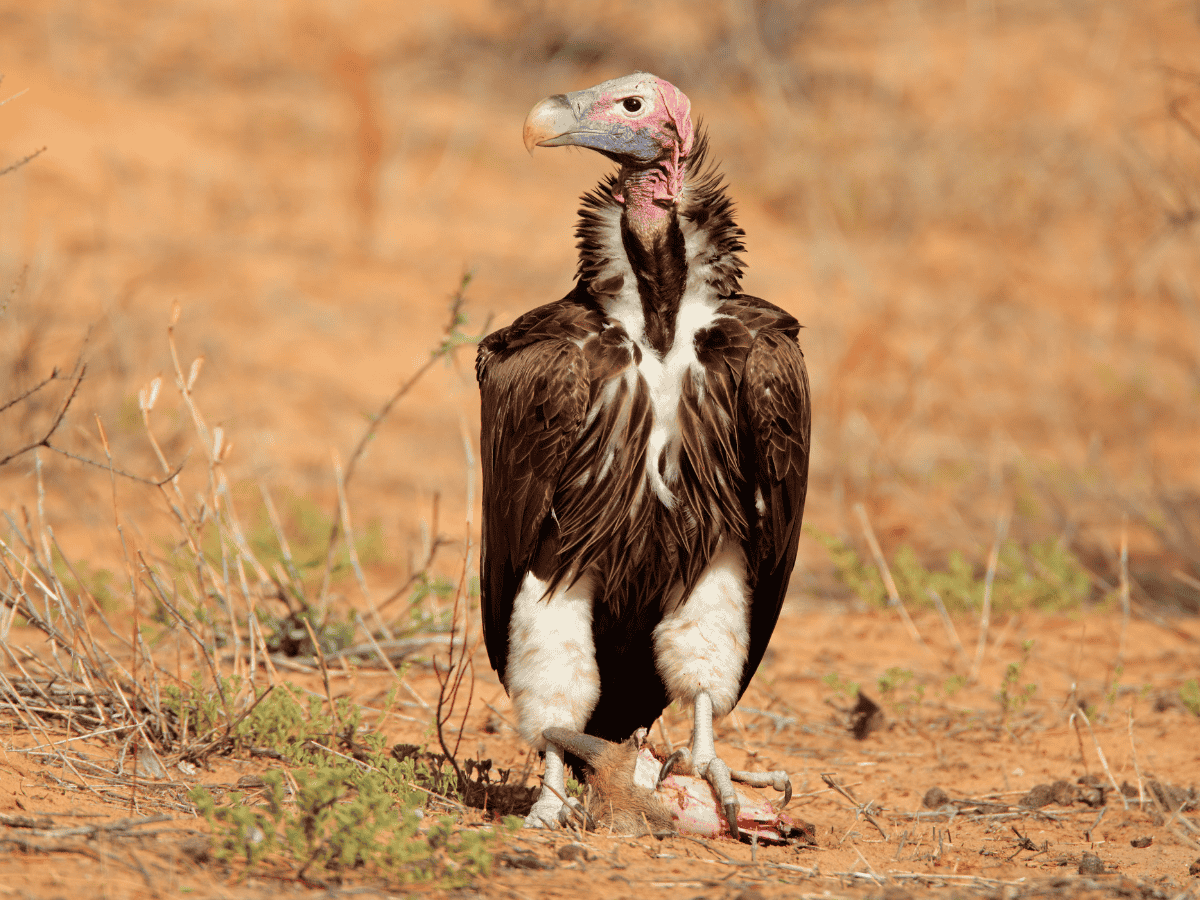
Lappet-faced Vulture
Gabar Goshawk
Burchell’s Starling
Arrow-marked Babbler
Activities & Experiences
The Kruger Region is defined by classic Big Five safari experiences, offering some of the best wildlife viewing in Africa. Travellers visit primarily for game drives and guided bush activities that provide close encounters with free-roaming wildlife across vast, unfenced ecosystems. The region also allows for self-drive safaris, making it accessible and flexible. Beyond wildlife, nearby scenic routes and cultural experiences add depth, but the core focus remains immersive, high-quality safari viewing.
Morning game drives
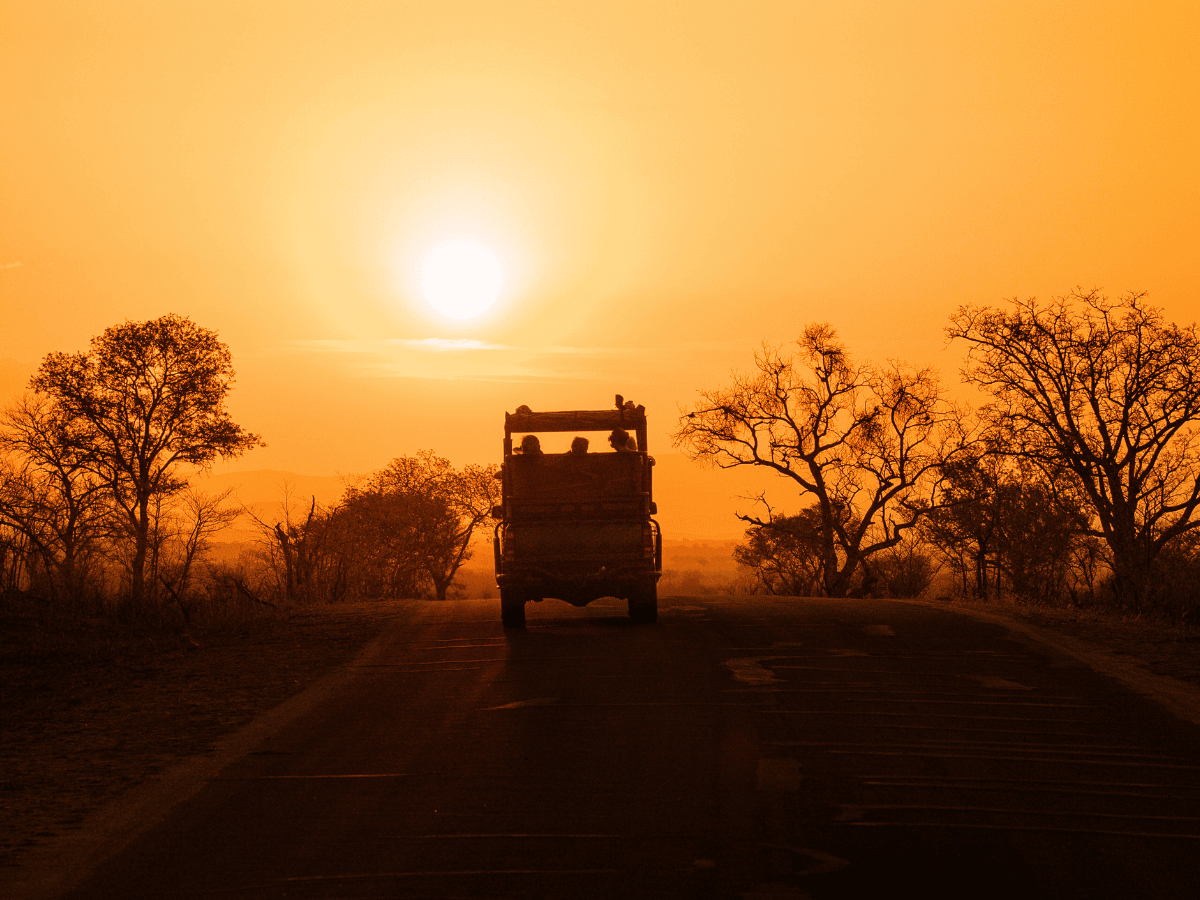
Morning game drives are one of the most important safari experiences in the Kruger Region. Departing at sunrise, these drives take advantage of peak wildlife activity when predators are still active and temperatures are cooler. Guests explore diverse habitats in search of the Big Five and other species, with expert guides interpreting animal behaviour and tracking movements.
› More About Activity
Night game drives
Night game drives reveal a completely different side of the Kruger ecosystem. Using spotlights, guides search for nocturnal species such as leopards, civets, genets, and bush babies. Many predators become more active after dark, making this a key experience for seeing elusive animals rarely encountered during the day.
› More About Activity
Guided bush walks
Guided bush walks offer a more immersive and educational safari experience on foot. Led by armed guides, guests learn to track animals, identify plants, and understand the smaller details of the ecosystem. Walking in Big Five territory adds an element of excitement while providing a deeper connection to the landscape.
› More About Activity
Self Driving in Parks
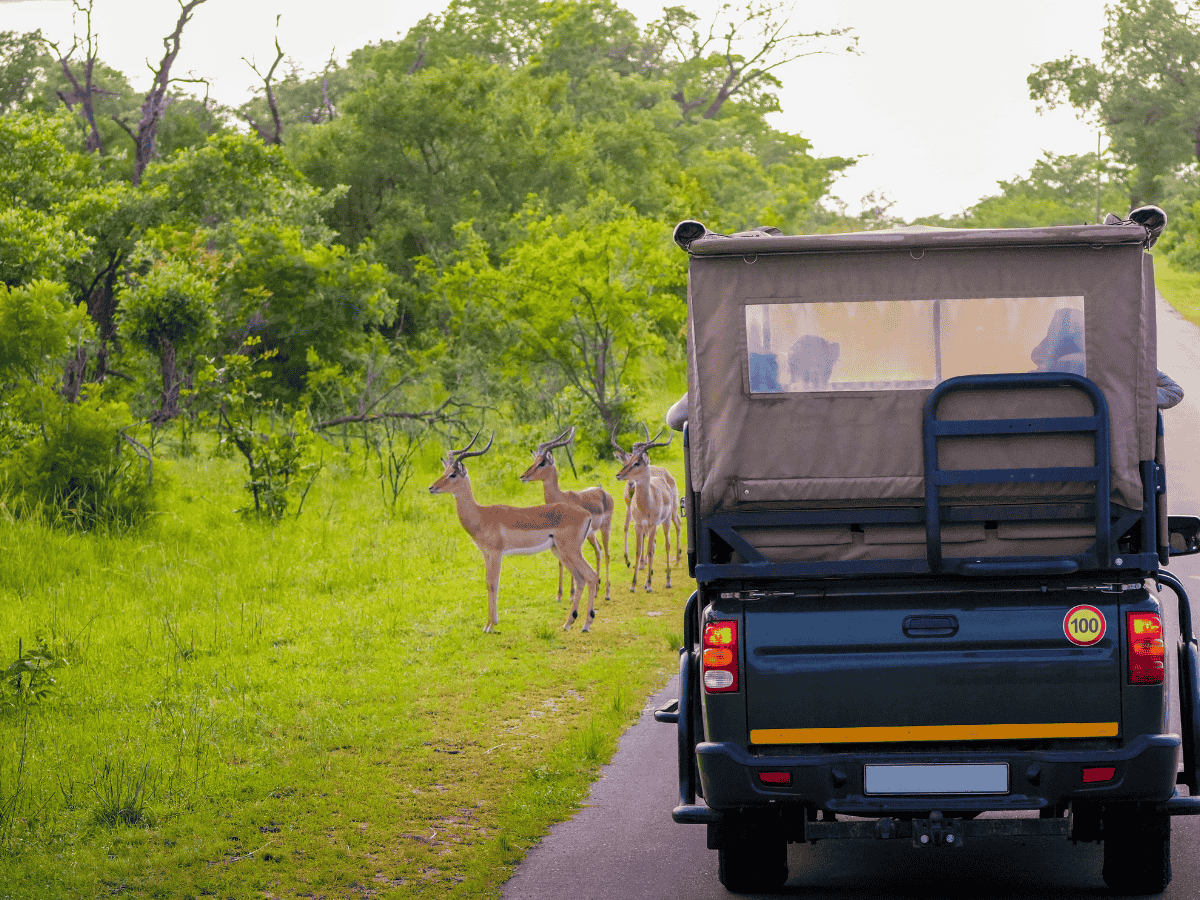
Self-driving is a defining feature of the Kruger Region, particularly within Kruger National Park. Travellers can explore at their own pace using well-maintained road networks, stopping at sightings and viewpoints as they choose. This flexibility makes the region unique, offering both guided luxury safaris and independent exploration options.
› More About Activity
Other Notable Activities & Experiences
Other notable activities & experiences in this country
- Afternoon game drives
Guided Nature Walks
Full Day Game Drive
Sleepout Experiences
Conservation Activities
Cultural Activities
Birding
Animal Tracking on Foot
Full Day Panorama Route Tour
Visits to Wildlife Rehabilitation Centers
When To Go
The Kruger Region offers a strong year-round safari experience, with each season delivering a different feel. The dry winter months provide the best wildlife viewing and attract the highest number of visitors. The summer green season brings lush landscapes, excellent birding, and fewer crowds, but more challenging wildlife visibility. Overall, travellers can expect peak safari conditions in winter and a quieter, more scenic experience in summer, with good options available throughout the year.
Best Time To Visit
The best time to visit the Kruger Region is from May to September during the dry winter season. Vegetation is sparse, water sources are limited, and wildlife gathers around rivers and waterholes, making sightings easier and more consistent. The weather is dry and mild, with cool mornings and evenings, creating ideal conditions for game drives and extended time in the bush.
Best Time To Visit Major Game Parks | ||
Jan | Feb | Mar |
Apr | May | Jun |
July | Aug | Sep |
Oct | Nov | Dec |
= Excellent = Good = Fair = Poor
Understanding The Seasons
The Kruger Region follows a clear dry and green seasonal pattern. The dry season (May to September) is cooler with little to no rainfall, resulting in thinner vegetation and concentrated wildlife around water sources. The green season (October to April) brings rain, warmer temperatures, and dense vegetation. Wildlife becomes more dispersed, but landscapes turn lush and birdlife flourishes. Visitor numbers peak in winter and festive periods, while the green season is generally quieter.
| Major Game Parks | |
| Best Time To Visit | May to September |
| High Season | June to August |
| Low Season | January to March |
| Best Weather | May to September |
| Worst Weather | January to February |
Pros & Cons For Travel Seasons in Major Game Parks
May to September - Dry Season - Winter - ☀️ ⊕ Excellent wildlife visibility due to sparse vegetation | October to April - Green Season - Summer - 🌧️ ⊕ Lush landscapes and dramatic scenery |
❄️ Winter - May to September
May - Shoulder Season
Conditions begin to dry out, and vegetation starts thinning. Wildlife sightings improve as animals move towards water sources. Temperatures are mild, and visitor numbers are moderate, offering a balanced safari experience with fewer crowds than peak winter months.
June, July & August - Peak Season
Wildlife viewing is at its best, with animals easy to spot around water. Days are dry and sunny, while mornings and evenings are cold. Visitor numbers increase significantly, especially in popular areas, creating a busier but highly rewarding safari experience.
September - Peak Season
Dry conditions intensify, and wildlife activity remains high around water sources. Temperatures begin to rise slightly, and landscapes are at their driest. Visitor numbers remain high, but sightings are excellent, making this one of the most reliable safari periods.
🔥 Summer - October to April
October - Peak Season
Rain begins to return, transforming the landscape into lush greens. Wildlife is still relatively easy to spot early in the season before vegetation thickens, and birdlife becomes more active. Visitor numbers remain lower than winter, creating a quieter and more relaxed safari experience.
November - Shoulder Season
Rainfall becomes more consistent, and vegetation thickens across the region. Wildlife starts to disperse as water becomes widely available, making sightings less predictable. Birding is excellent, and visitor numbers are low, creating a quieter atmosphere with good value and availability.
December (1 to 19) - Green Season
The bush is lush and vibrant, with regular afternoon storms and warmer temperatures. Wildlife visibility is reduced due to dense vegetation, but the environment feels alive. Visitor numbers are still relatively low before the festive rush, offering a calm and scenic safari experience.
December & January (20 Dec to 5 Jan) - Peak Season (Festive)
This is a busy holiday period, especially in accessible areas and self-drive sections. Lodges fill quickly, and prices increase. Conditions are hot with summer rainfall, landscapes are green, and birdlife is excellent. The atmosphere is lively, but planning ahead is essential due to high demand.
January, February & March - Green Season
Hot and humid conditions dominate, with frequent afternoon rain. Vegetation is dense, and wildlife is more dispersed, making sightings more challenging. Birding is at its peak, and landscapes are rich and green. Visitor numbers drop after the festive period, creating a quieter safari experience.
April - Shoulder Season
Rainfall begins to ease, and temperatures become more comfortable. Vegetation remains green, but visibility improves as the bush starts to thin. Wildlife sightings gradually improve, and visitor numbers remain low, making this a well-balanced and quieter time to visit.
How To Get Here
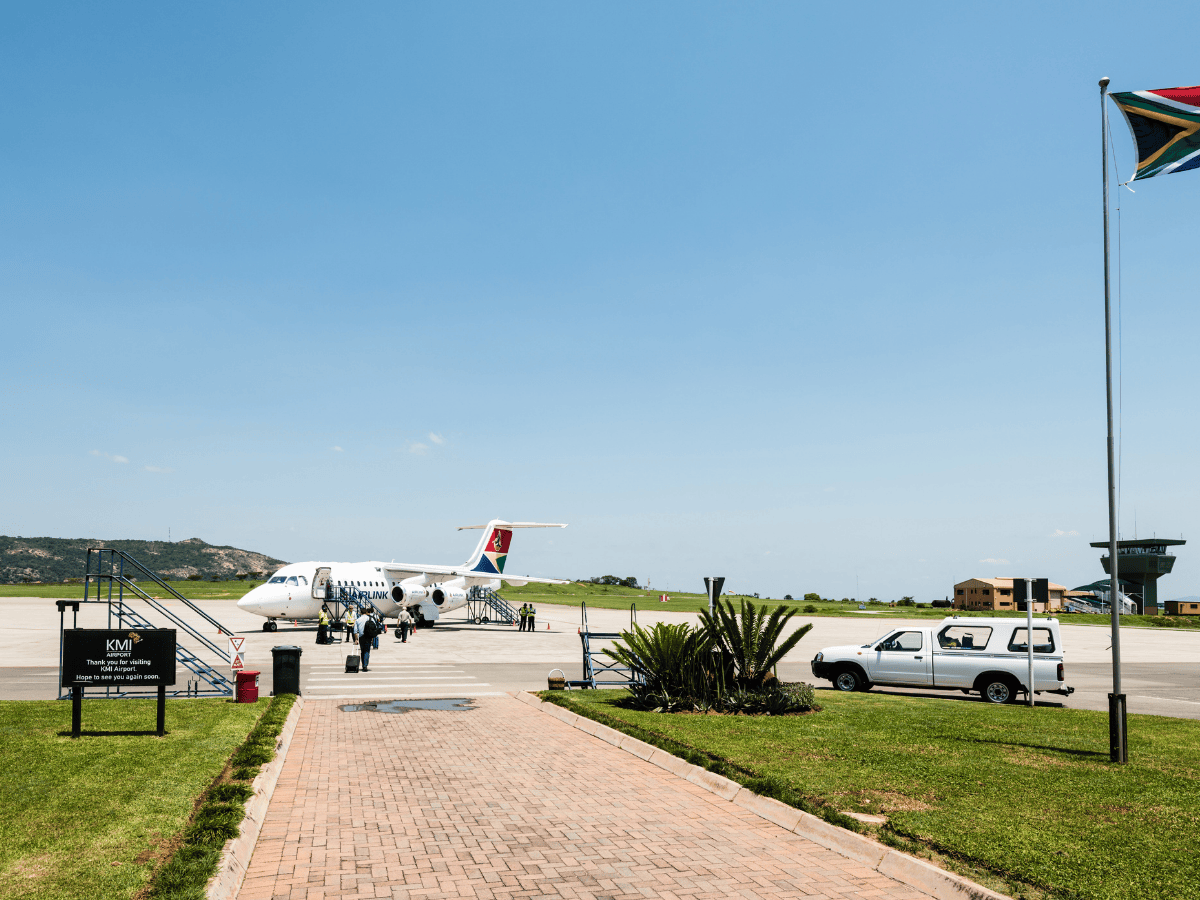
The Kruger Region is easily accessed via South Africa’s main international gateways, Johannesburg and Cape Town, with most travellers arriving through Johannesburg. From there, short domestic flights connect directly to airports near or within the region. Alternatively, travellers can drive from Johannesburg in around five to six hours. For a more seamless experience, especially to private reserves, light aircraft or charter flights offer direct access to lodge airstrips, minimising transfer time.
Main Airports In Kruger Region
Kruger Mpumalanga International Airport (MQP) – Nelspruit
This is one of the main entry points to the southern Kruger Region. It receives regular domestic flights from Johannesburg and Cape Town. From here, travellers typically transfer by road to lodges in southern Kruger and nearby private reserves, with drive times ranging from one to three hours depending on location.
Hoedspruit Eastgate Airport (HDS) – Hoedspruit
Hoedspruit Airport is the primary gateway to the central Kruger Region and surrounding private reserves such as Timbavati, Klaserie, and Balule. It offers direct domestic connections and allows for quick road transfers, often under an hour, making it a preferred option for luxury safari travellers.
Skukuza Airport (SZK) – Kruger National Park
Located inside Kruger National Park, Skukuza Airport provides the most direct access to lodges in the southern park and nearby private reserves. It is ideal for reducing travel time, with short transfers to camps and lodges, and offers scheduled flights from Johannesburg and Cape Town.
Find Flights To Kruger Region
Travellers typically fly into Johannesburg or Cape Town before connecting to regional airports such as Nelspruit, Hoedspruit, or Skukuza. Domestic flights are short and frequent, making access to the Kruger Region straightforward. Travellers can use the links below to compare routes, airlines, and pricing based on their departure location and preferred access point.
› www.skyscanner.com
› www.travelstart.co.za
Domestic Airlines & Internal Flights In Kruger Region
Domestic flights connect Johannesburg and Cape Town with key Kruger Region airports on a daily basis. These scheduled services provide the main access into the region, while light aircraft and charter flights are commonly used to reach remote lodges and private reserves. This combination allows travellers to move efficiently between cities and safari areas, often with minimal transfer time once in the region.
› Airlink – (Commercial) – Connects Johannesburg and Cape Town with Hoedspruit, Skukuza, and Nelspruit
› CemAir – (Commercial) – Flies between Johannesburg and regional airports, including Hoedspruit and Phalaborwa
› FlySafair – (Commercial) – Operates frequent routes between major cities and nearby regional hubs
› Federal Airlines – (Light Aircraft) – Transfers guests directly between OR Tambo and private lodge airstrips in the Kruger Region
Travel Information
The Kruger Region is one of South Africa’s most accessible safari areas, with a strong network of roads, regional airports, and private airstrips. It includes both the Kruger National Park and surrounding private reserves, offering a range of experiences from self-drive to guided safaris. While infrastructure is well developed, some areas are remote. Travellers should plan ahead, follow local advice, and remain aware when moving between destinations.
Malaria Information
The Kruger Region is a malaria-risk area, particularly in the warmer summer months from October to May. Risk is generally higher in low-lying areas near rivers and within the park and surrounding reserves. Travellers should take simple precautions such as using insect repellent, wearing long sleeves in the evening, and considering anti-malarial medication after consulting a healthcare professional before travel.
Staying Safe In Wildlife Areas
Wildlife areas in the Kruger Region are safe when basic rules are followed. Always listen to your guide and remain inside vehicles unless instructed otherwise. In self-drive areas, stay in your car and keep a safe distance from animals. Avoid sudden movements or loud noises. Wildlife is free-roaming and unpredictable, so awareness and respect are key to enjoying a safe and memorable safari experience.
Staying Safe In Major Cities
Nearby towns such as Hoedspruit, Hazyview, and Phalaborwa are commonly used as entry points to the region and are generally easy to navigate. Travellers should use trusted transport, avoid walking alone at night in unfamiliar areas, and keep valuables secure. Basic awareness and common-sense precautions are all that is needed to move comfortably through these towns.
LGBTQ + Safety Guidance
South Africa has one of the most progressive legal frameworks for LGBTQ+ rights in Africa, and many travellers visit the Kruger Region comfortably. Safari lodges and tourism spaces are generally welcoming and professional. As with any destination, experiences may vary in more rural areas, so a level of discretion and awareness is recommended. Overall, travellers can expect a respectful and inclusive environment.