
Lion | A Complete Safari Guide
Explore lion behaviour, pride dynamics, and where to see them on safariOverview
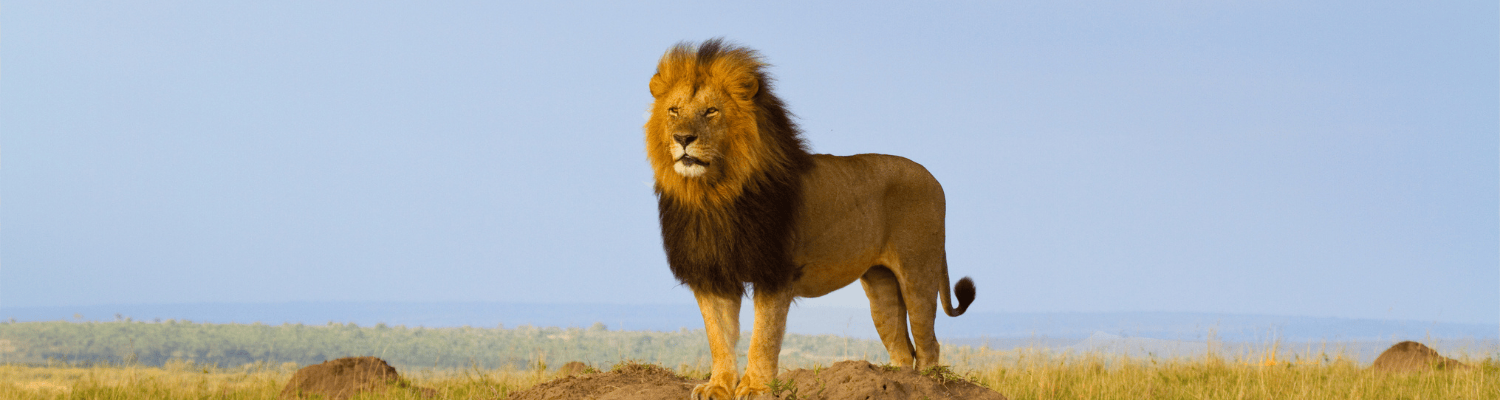
The lion is Africa’s most iconic predator, known for its strength, social behaviour, and unmistakable roar. Unlike most big cats, lions live in prides, making them one of the most fascinating animals to observe on safari. They are found across many of Africa’s top wildlife areas, including the savannahs of East and Southern Africa. Lions are apex predators and play a key role in maintaining balance in the ecosystem. For travellers, seeing lions in the wild, whether resting, hunting, or interacting, is one of the most memorable and sought after safari experiences.









Gallery
Summary
Best Places To See
Travellers have the most consistent lion sightings in areas with high prey density, open terrain, and strong guiding networks. The Sabi Sands Game Reserve and Timbavati Game Reserve in the Kruger Region offer exceptional reliability, with habituated lions and expert tracking allowing close, frequent encounters. In Botswana, the Okavango Delta and Linyanti Region, particularly around Moremi Game Reserve and Selinda Reserve, provide high-quality sightings due to water-driven game concentrations and excellent guiding standards. In Tanzania, the Serengeti National Park stands out during the migration when prey abundance peaks, while Kenya’s Masai Mara National Reserve delivers similarly consistent sightings across its open plains.
Best Time Of Year To See
The best time of year to see lions is during the dry season, when vegetation thins and water becomes scarce, drawing prey into predictable areas and making predators easier to locate. In most regions, this falls between May and October, when open landscapes and reduced cover improve visibility and tracking conditions. Lions are also more active during cooler months, often spending longer periods hunting during daylight hours. While sightings remain strong year-round, the wet season can make viewing more challenging due to thicker vegetation and dispersed wildlife, although it offers fewer crowds and more dramatic scenery.
Identification
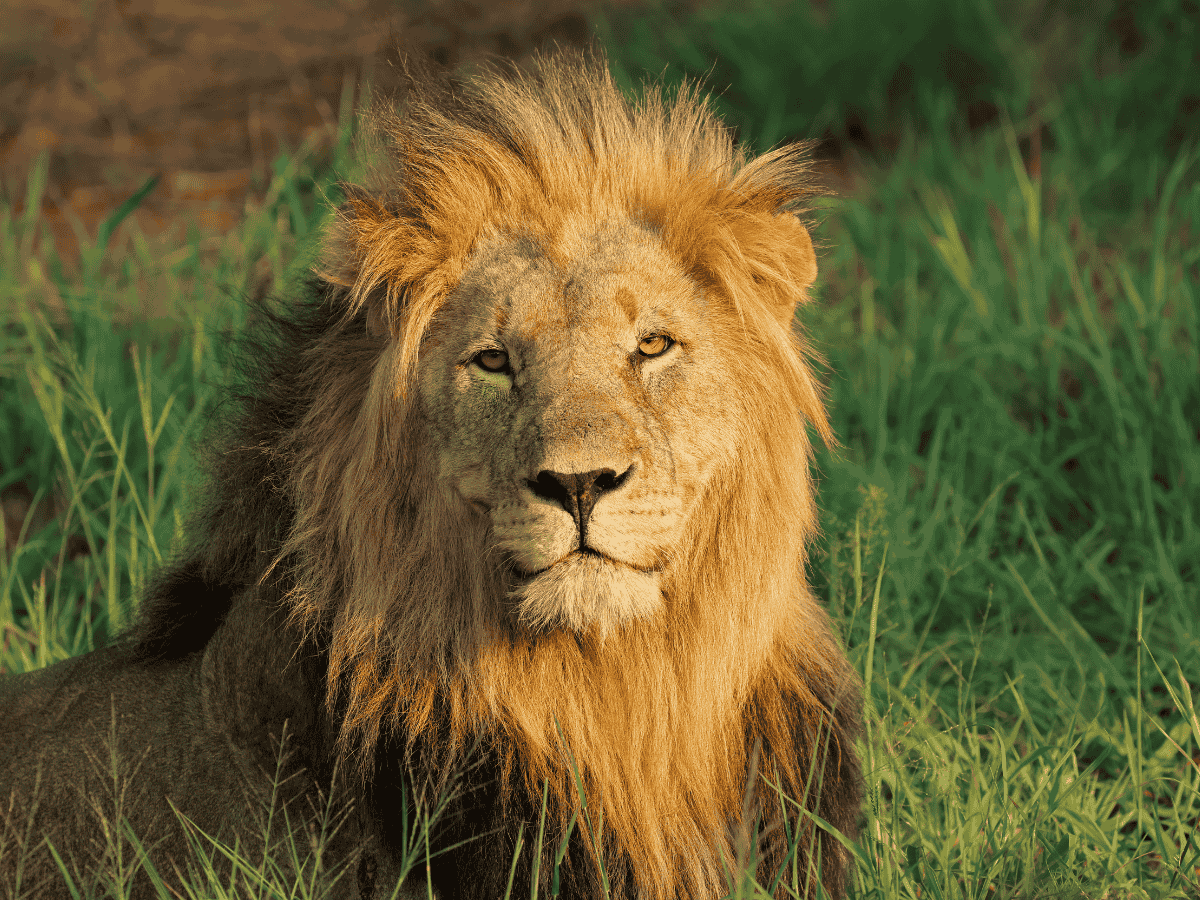
Lions are large, muscular cats with a broad chest, powerful build, and a golden to sandy coat that blends into dry grass. Adult males are easy to recognise by their thick mane, which can range from light blond to dark brown or black, while females lack a mane and appear more streamlined. Cubs are smaller with faint spots that fade as they grow. Lions are often seen resting in groups, unlike most big cats. They can be confused with leopards, but leopards are smaller, covered in rosette spots, and usually seen alone, often in trees rather than open plains.
Behaviour
Lions are highly social and live in prides made up of related females, their cubs, and a small group of males. They spend much of the day resting and become most active in the early morning, late afternoon, and at night. Females do most of the hunting, working together to stalk and bring down prey such as antelope, zebra, and buffalo, while males often guard the territory and feed first. Lions are territorial and use roaring, scent marking, and patrols to defend their area. Cubs are raised within the pride, and playful behaviour, grooming, and social bonding are commonly seen on safari.
Diet
Lions are carnivores and feed mainly on large grazing animals such as buffalo, zebra, and antelope. They hunt in groups, using teamwork to stalk and ambush prey, often targeting weak or isolated animals. Most hunting happens at night or in the cooler hours of the day. Lions will also scavenge and steal kills from other predators when the opportunity arises. Their diet can vary depending on what is available in the area, and during dry seasons they often focus on animals gathering around water sources, making hunting more predictable.
Habitat
Lions are most commonly found in open savanna, grassland, and lightly wooded areas where there is enough cover to stalk prey but also open space to hunt effectively. They favour areas with good populations of herbivores and access to water, so they are often seen near rivers, pans, and seasonal waterholes. Dense forests and true deserts are less suitable, although they can adapt to dry regions if prey is available. On safari, lions are typically encountered in open plains, along riverbeds, or resting in shade during the heat of the day.
Conservation Status
Lions are currently listed as vulnerable, with populations declining in many parts of Africa. Their biggest threats include habitat loss as land is converted for farming and settlements, as well as conflict with people when lions prey on livestock. In some areas, illegal hunting and declining prey numbers also impact populations. However, strong populations remain in well-managed protected areas. National parks and private reserves play a key role in their survival, and responsible safari tourism helps fund conservation efforts while giving local communities value in protecting lions.
Interesting Facts
Lions are the only truly social cats, living in prides that can include up to 20 individuals, often led by related females. A lion’s roar can be heard up to 8 kilometres away, usually used to communicate territory rather than just intimidation. Despite their power, lions spend up to 20 hours a day resting, saving energy for short bursts of hunting. Lionesses do most of the hunting, working together with impressive teamwork, while males focus on defending the pride. Cubs are often hidden in thick cover for the first weeks of life, making early sightings rare and special.
Folklore
Across much of Africa, lions are seen as symbols of strength, leadership, and authority. In Maasai culture, the lion represents bravery and was historically linked to warrior rites of passage. Many communities view lions with deep respect, often associating them with protection or royal power, while also recognising the danger they pose. In some traditions, lions are believed to carry spiritual significance, appearing in stories as guardians or judges of the natural world. This blend of respect and caution reflects the lion’s powerful presence in both daily life and cultural identity.