
Mountain Zebra | A Complete Safari Guide
Understand mountain zebra identification and where to find them on safariOverview
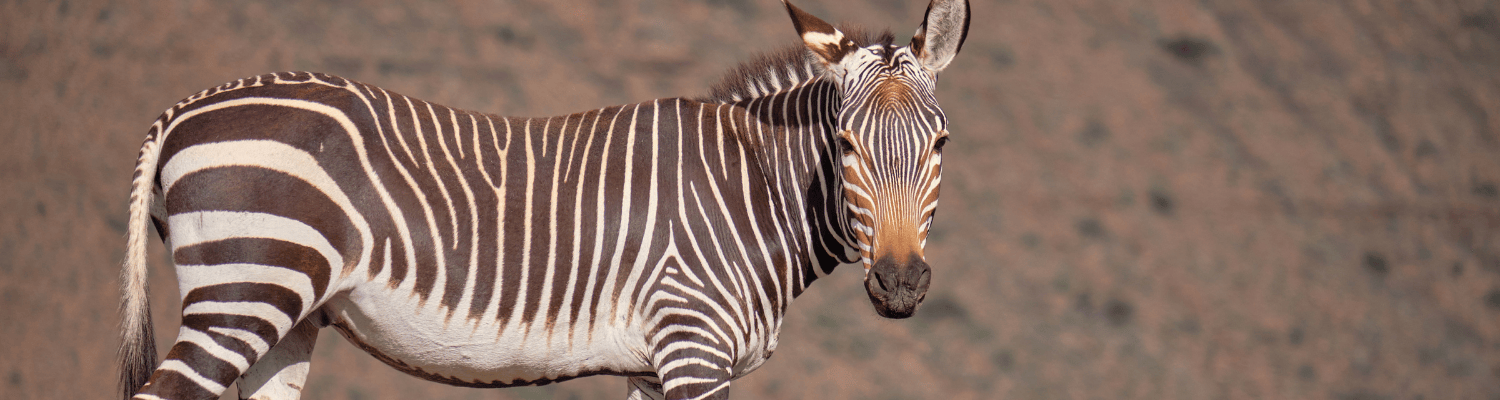
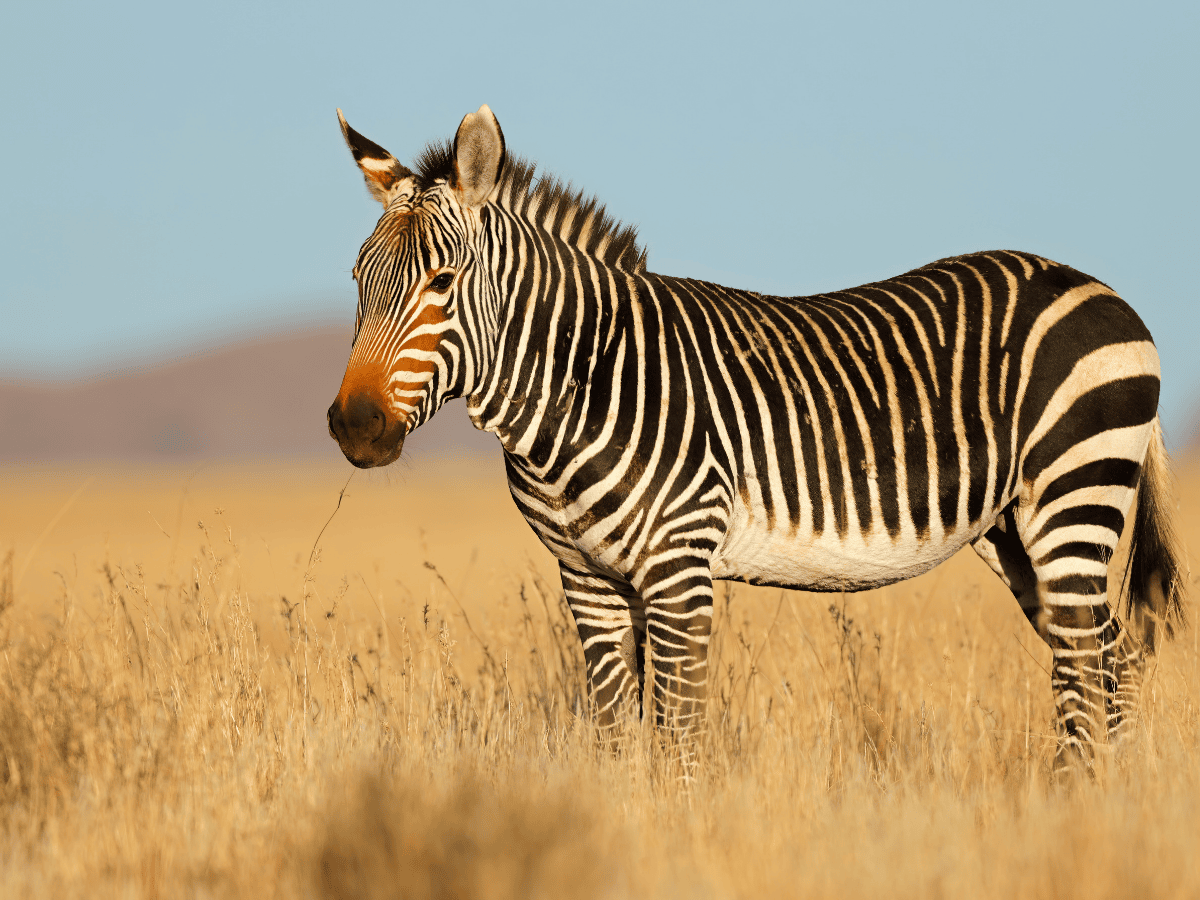
The mountain zebra is a smaller and more rugged-looking zebra, recognised by its narrow stripes, white belly, and upright mane. It is found mainly in southern Africa, especially in mountainous and rocky areas where it is well adapted to steep terrain. Unlike the plains zebra, it lives in smaller groups and is less commonly seen. For travellers, spotting a mountain zebra feels more special due to its limited range and habitat. Its ability to thrive in harsh landscapes makes it a unique and memorable part of the safari experience.







Gallery
Summary
Best Places To See
Mountain zebra are most reliably seen in rugged, mountainous environments where their populations are well protected, with Mountain Zebra National Park in South Africa standing out as a flagship destination due to its focused conservation success and consistently high sighting rates in open, hilly terrain. In the Eastern Cape Safari Region, reserves such as Addo Elephant National Park and private reserves like Samara Karoo Reserve also offer strong sightings, supported by expanding populations and accessible landscapes. In Namibia, Etosha National Park provides additional opportunities, particularly on rocky plains and escarpments where Hartmann’s mountain zebra are well adapted and regularly encountered.
Habitat
Mountain zebras prefer rugged terrain, including hills, mountains, and rocky areas with grass cover. Their habitat offers both grazing and escape routes from predators. They are well adapted to steep landscapes and often avoid flat plains. Water is important but they can survive in drier areas. Travellers typically see mountain zebras in hilly reserves and mountainous parks, often grazing on slopes or moving along ridges.
Best Time Of Year To See
The best time to see mountain zebra is during the dry season, when sparse vegetation and clear conditions in mountainous and semi-arid areas improve visibility. As grazing becomes more limited, they move more predictably between feeding areas and water sources, often using open slopes and valleys where sightings are easier. Their preference for rugged terrain means they can still be challenging to spot, but clearer air and shorter grass help. In the wet season, thicker vegetation and wider grazing options allow them to spread out, although landscapes are greener and visitor numbers are typically lower.
Identification
Mountain Zebras are slightly smaller than plains zebras and have narrower stripes with a distinctive grid pattern on the rump. They also have a dewlap, a fold of skin under the throat. Their bodies are more compact, and they often inhabit rocky terrain. Both sexes look similar. They may be confused with plains zebras, but the grid pattern and mountain habitat are key differences. Their sure-footed movement on slopes makes them unique.
Behaviour
Mountain zebras are also grazers but prefer more rugged terrain and hilly areas. They live in small family groups and are adapted to steeper environments. They are cautious and move carefully across rocky landscapes. On safari, sightings often involve small groups feeding or navigating slopes.
Diet
Mountain zebras are grazers that feed on coarse grasses found in hilly and mountainous areas. They are well adapted to feeding on tougher vegetation that other animals may avoid. They spend much of the day grazing and moving between slopes in search of food. During dry periods, they may travel further to find sufficient grass. They rely on water but can go longer without it than some other grazers. Their feeding helps maintain grass cover in rugged terrain and supports other species that share their habitat.
Conservation Status
Mountain zebras are listed as vulnerable, with smaller and more isolated populations compared to plains zebras. Their biggest threats include habitat loss and limited suitable range, as they prefer specific mountainous environments. Conservation efforts have helped increase their numbers in recent years, particularly in protected areas. National parks and private reserves are essential for their survival, providing secure habitats. Safari tourism contributes by supporting these conservation areas financially, helping to ensure the continued recovery and protection of mountain zebra populations.
Interesting Facts
Mountain zebras are adapted to rugged terrain, often found in hilly or mountainous areas where they can escape predators. They have narrower stripes and a distinctive grid pattern on their rump. Unlike plains zebras, they have a dewlap—a fold of skin under the throat. Mountain zebras are excellent climbers and can navigate steep slopes with ease, giving them access to habitats that many other large herbivores cannot use.
Folklore
Mountain zebras are linked to resilience and adaptation, as they inhabit rugged and often harsh terrain. Their ability to survive in mountainous environments has made them symbols of endurance and strength. Some communities view them as representations of perseverance, highlighting the importance of adapting to challenging conditions. Their sure-footed movement across steep landscapes reinforces themes of balance and stability.