
Overview
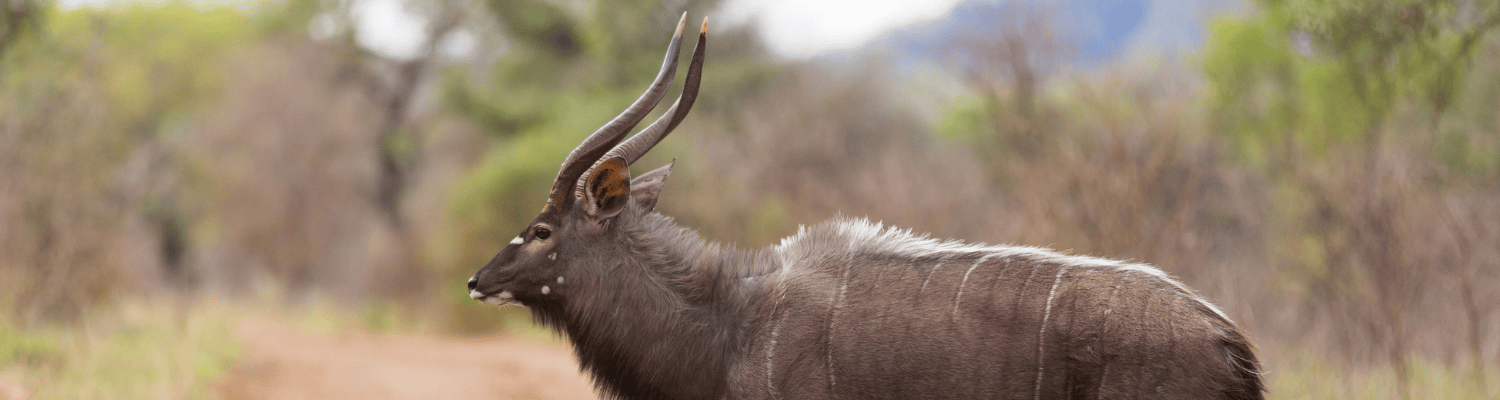
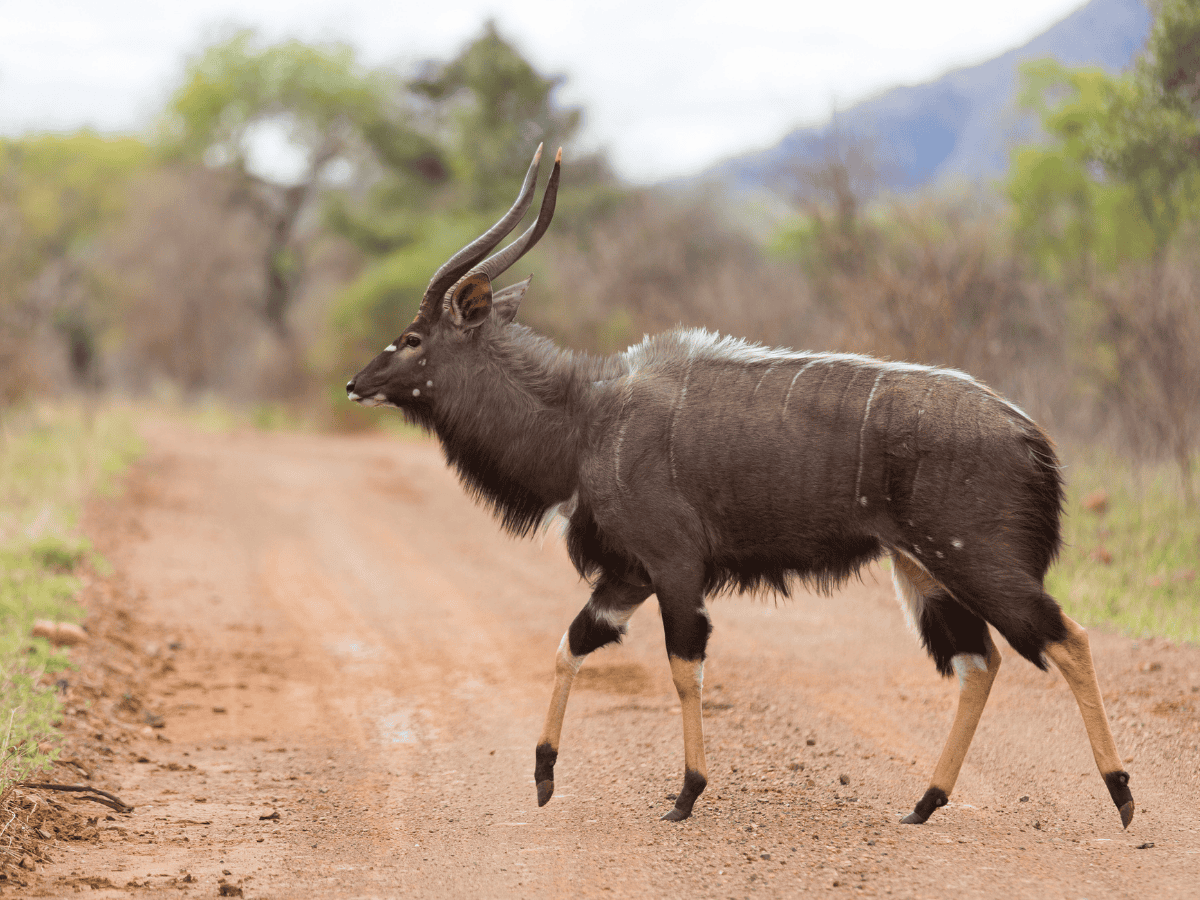
The nyala is a graceful and beautifully patterned antelope, known for its striped coat, white markings, and the long spiral horns of the males. It is found mainly in southern and eastern Africa, especially in dense bush and riverine areas where it can stay well hidden. Males are darker and more striking, while females are lighter in colour. For travellers, nyala sightings often feel intimate and rewarding due to their shy nature. Their presence adds a sense of quiet beauty to the safari experience.









Gallery
Summary
Best Places To See
Nyala are most reliably seen in dense riverine woodland and thicket habitats, with Kruger National Park standing out as a flagship destination due to strong populations along well-watered areas in the south. Adjacent private reserves such as Sabi Sands Game Reserve and Timbavati Game Reserve offer consistent, high-quality sightings supported by expert guiding and access to prime habitat. In South Africa’s Zululand Region, Hluhluwe-iMfolozi Game Reserve and private reserves like Phinda Private Game Reserve provide excellent viewing in thick bushveld and coastal forest environments where nyala thrive and are frequently encountered.
Best Time Of Year To See
The best time to see nyala is during the dry season, when reduced vegetation makes them easier to spot in woodland and riverine habitats. As water becomes limited, they move more predictably between feeding areas and water sources. In the wet season, dense vegetation provides more cover, making sightings less consistent.
Identification
Nyala are medium-sized antelope with striking markings. Males are dark brown with white stripes and spiral horns, while females are reddish-brown and hornless. Males also have long hair along the neck and belly. Calves resemble females. They may be confused with kudu, but nyala are smaller with shorter horns. Their preference for dense bush and their sexual dimorphism make them unique.
Behaviour
Nyala are browsers that feed on leaves and shrubs. They live in small groups and are often found in dense vegetation. They are shy and move quietly. On safari, they are seen near thickets or riverine areas.
Diet
Nyala are browsers that feed on leaves, fruits, and shrubs in dense woodland and riverine areas. They use their lips to pick vegetation from bushes and trees. They feed mostly in the early morning and late afternoon, often staying close to cover. During dry periods, they rely on evergreen plants and fallen fruit. They can go without water for some time by getting moisture from their food. Their diet helps them thrive in thick vegetation where grazing animals are less common.
Habitat
Nyala prefer dense woodland, riverine bush, and thickets where cover is thick and food is plentiful. Their habitat provides protection from predators and access to both browsing and grazing. They are often found near water but can move through dense vegetation with ease. Terrain is usually low-lying and bushy. Travellers commonly encounter nyala in thick bush near rivers or forest edges, where their striped coats help them blend into the vegetation.
Conservation Status
Nyala are listed as least concern, with stable populations in southern Africa. Their biggest threats include habitat loss and hunting in some regions. They prefer dense bush and woodland, which are affected by land conversion. However, they thrive in protected areas and private reserves. Conservation management has helped maintain strong populations. Safari tourism supports these efforts by preserving suitable habitats and promoting the protection of this distinctive and elegant antelope.
Interesting Facts
Nyala are elegant antelope with striking sexual dimorphism, meaning males and females look very different. Males have dark coats, spiral horns, and shaggy hair, while females are smaller and reddish-brown. They prefer dense thickets and riverine habitats, where they remain well hidden. Nyala are shy and cautious, often freezing or slipping quietly into cover when disturbed, making them a rewarding but sometimes challenging sighting.
Folklore
Nyala are often seen as symbols of beauty, secrecy, and calmness. Their preference for dense bush has linked them to quiet spaces and hidden strength. In some traditions, they represent balance and subtlety, highlighting the value of moving carefully through the environment. Their gentle nature reinforces themes of peace and awareness.