
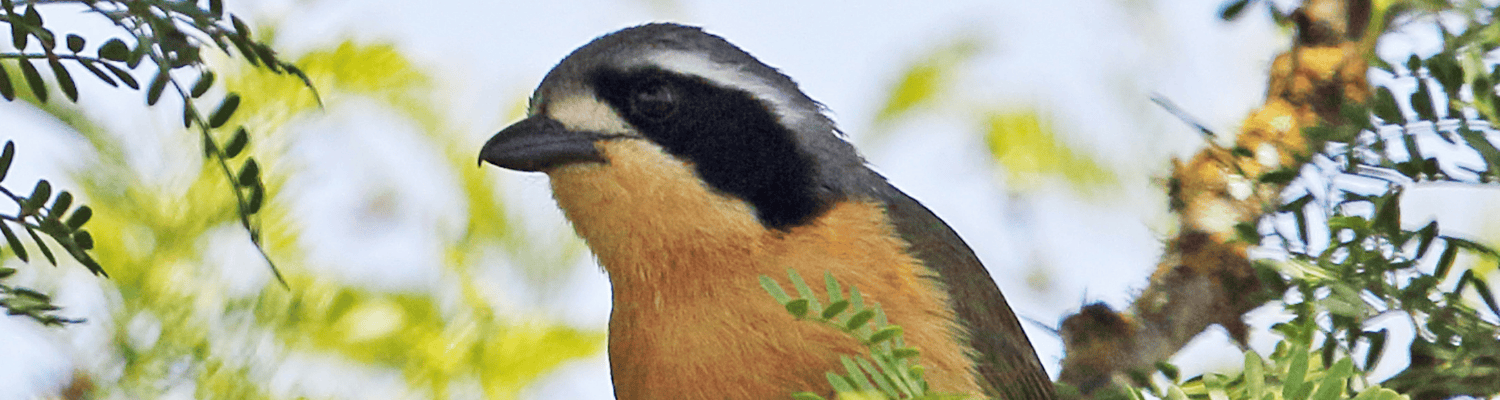
Olive Bushshrike | A Complete Birding Guide
Learn to identify Olive Bushshrike and where to spot itOverview
The Olive Bushshrike is a more subtle species, with olive-green plumage and soft yellow underparts that blend into forest surroundings. It is found in dense forests and thickets across parts of East and Southern Africa. Its loud, whistling calls often give it away before it is seen. Its secretive nature and preference for deep cover make it a rewarding species for dedicated forest birding.








Gallery
Summary
Best Places To See
Olive Bushshrike is most reliable in mature forest and dense scarp woodland, so the best sightings come from high-quality forest birding sites rather than open game-viewing areas. In South Africa, iSimangaliso Eastern Shores is a strong choice because its forest habitats support the species alongside several other regional specials. Doreen Clark Nature Reserve is another proven site, while the KwaZulu-Natal mistbelt forests provide a broader habitat belt where the species is well established. For travellers focusing on classic safari routes, this is still most realistically targeted as a forest add-on in KwaZulu-Natal rather than in drier savanna reserves.
Best Time Of Year To See
Olive Bushshrike is most consistently located during warmer months when birds are more vocal and active. Breeding season increases calling frequency, making them easier to detect in dense forest. During wetter periods, food availability improves, encouraging more movement. In cooler months, they tend to be quieter and harder to find. While vegetation is thicker in summer, increased activity generally provides better overall chances of a sighting.
Identification
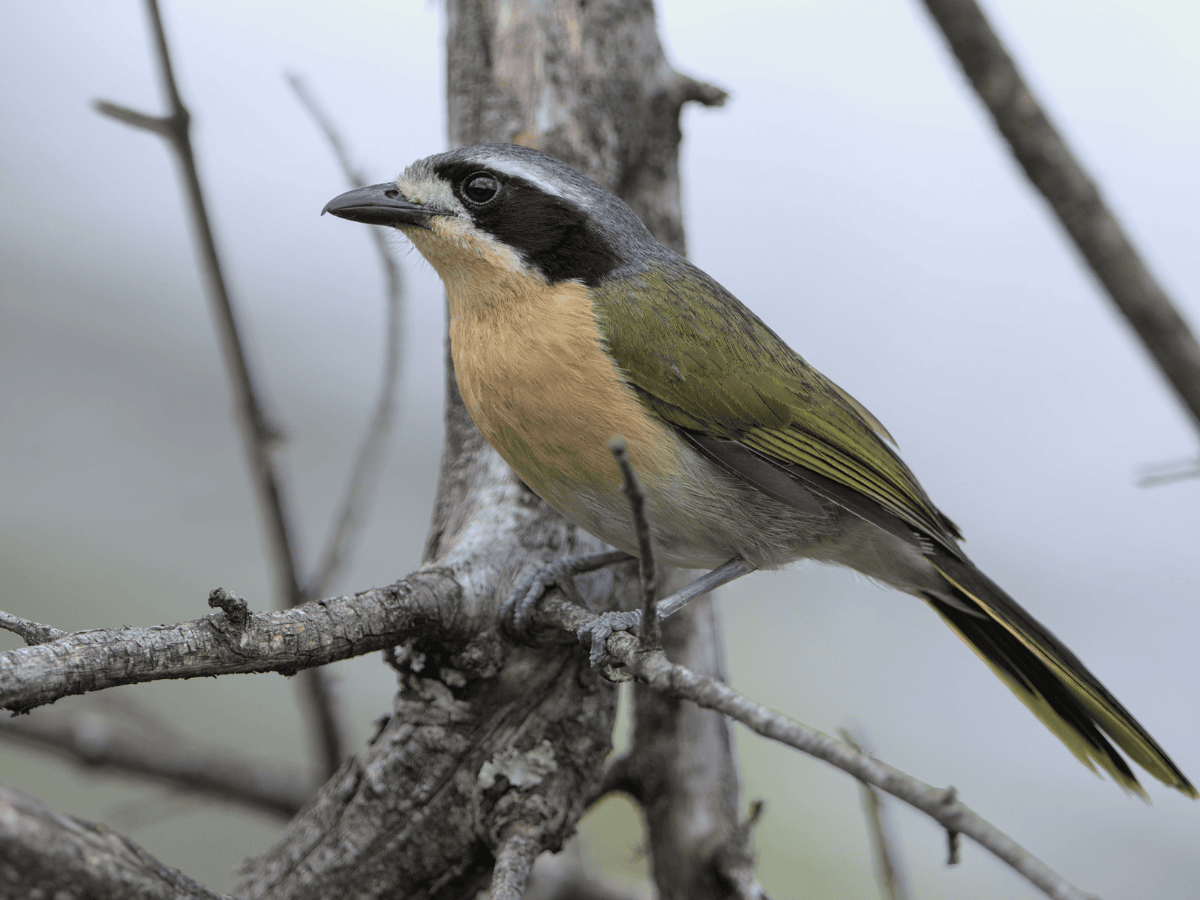
Olive Bushshrike is a medium-sized bird with olive-green upperparts, yellow underparts, and a strong, slightly hooked bill. Its colours are more muted compared to other bushshrikes, allowing it to blend into forest vegetation. Males and females are similar in appearance. Its loud, whistling call is often the best clue to its presence. It can be confused with other bushshrikes, but its overall olive tone and less contrasting colours help distinguish it.
Behaviour
Olive Bushshrike feeds mainly on insects, searching through dense foliage and along branches. It is usually seen in pairs and spends most of its time hidden within vegetation. The species is highly vocal, with strong, whistling calls that carry through the forest. During breeding season, calling increases and pairs become more active. Travellers are most likely to detect it by sound before catching a brief glimpse.
Diet
Olive Bushshrike feeds primarily on insects and small invertebrates, which it hunts in dense vegetation. It moves methodically through foliage, picking prey from leaves and branches. Feeding behaviour is usually concealed within thick cover. During wetter seasons, increased insect activity supports higher feeding rates. Its diet is closely linked to forest and woodland ecosystems.
Habitat
Olive Bushshrike prefers dense forest, coastal woodland, and thick thickets where vegetation is continuous. It is most often found within the mid-levels of the forest, rarely entering open areas. This habitat provides both cover and feeding opportunities. Travellers are most likely to encounter it in forest interiors, dense edges, and shaded woodland.
Conservation Status
Olive Bushshrike is generally stable, although it depends heavily on intact forest habitat. Deforestation and habitat degradation can affect local populations. Protected areas such as iSimangaliso help maintain suitable conditions. Conservation of forest ecosystems and responsible tourism support the long-term survival of the species.
Interesting Facts
Olive Bushshrike is often easier to hear than to see, thanks to its loud, whistling calls. Its muted colouring allows it to blend seamlessly into dense forest, making it surprisingly difficult to spot. It often moves in pairs, with both birds remaining close together. Despite its subtle appearance, its vocal presence makes it a key part of the forest soundscape.
Folklore
Birds that are heard more than seen are often associated with hidden presence and mystery in African folklore. The Olive Bushshrike’s strong voice from within dense forest can be linked to unseen life and awareness. Its quiet appearance but loud call may symbolise the idea that presence is not always tied to visibility. It reflects the hidden richness of forest environments.