
Palm-nut Vulture | A Complete Birding Guide
Understand Palm-nut Vulture behaviour and where to find itOverview
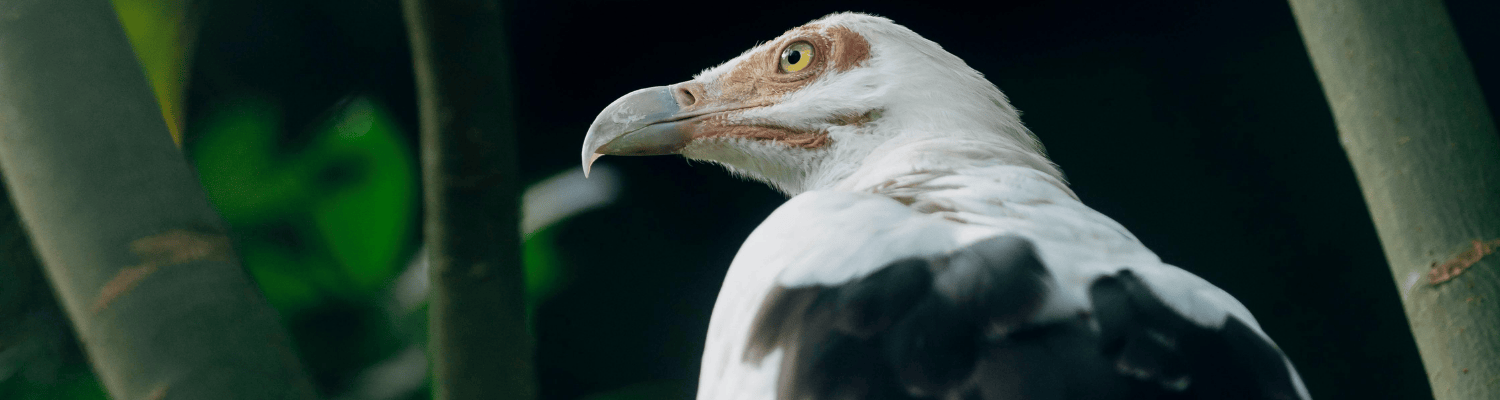
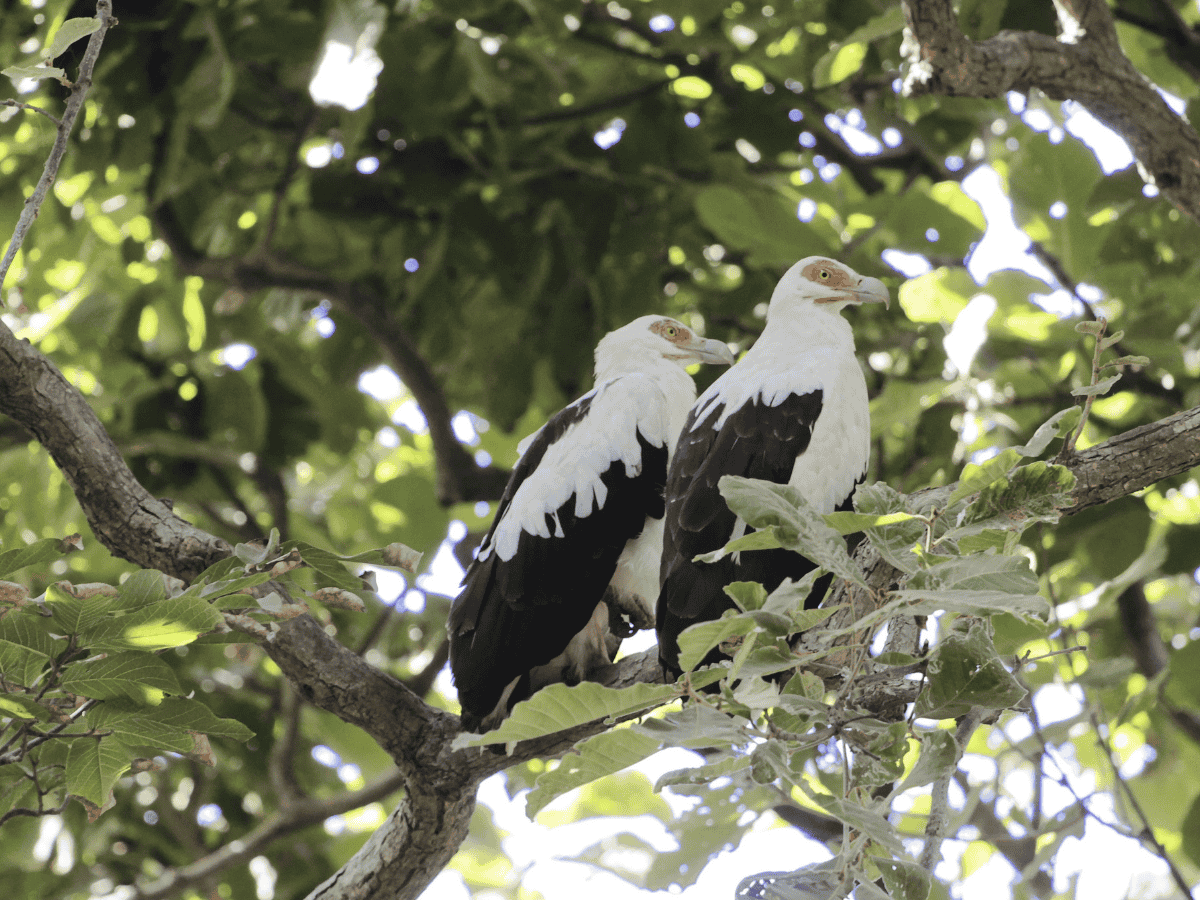
The Palm-nut Vulture is a distinctive bird with mostly white plumage, black wings, and a red facial patch. It is found near rivers, wetlands, and palm-rich areas across Africa. Unlike most vultures, it feeds largely on fruit, especially palm nuts. Its unique diet and appearance make it an unusual and interesting species.




Gallery
Summary
Best Places To See
The Palm-nut Vulture is most reliably found in coastal and riverine habitats where palm trees and permanent water sources support feeding and nesting behaviour. iSimangaliso Wetland Park offers some of the most consistent sightings, particularly in areas with well-developed palm stands and wetland systems. Kruger National Park provides a strong complementary option along river systems with suitable vegetation. These locations are reliable because a combination of palm-rich environments, stable water sources, and protected habitat allows birds to feed regularly and remain visible in predictable areas.
Best Time Of Year To See
The Palm-nut Vulture can be seen throughout the year, but sightings are most consistent during warmer months when palm fruit is abundant and feeding activity increases. During this time, birds are more frequently observed near fruiting trees and water sources. Breeding activity may also increase movement and visibility. In cooler months, the species remains present but may be less active in certain areas. Morning and late afternoon provide the best opportunities, when birds are actively feeding or moving between key sites.
Identification
The Palm-nut Vulture is a medium-sized bird with a mostly white body, contrasting black wings, and a bare red face that stands out clearly. It has a relatively slender build compared to other vultures and a shorter tail. In flight, its clean colour contrast is highly distinctive. Males and females are similar in appearance. It is unlikely to be confused with other vultures due to its unique colouring and habitat preference.
Behaviour
The Palm-nut Vulture feeds differently from most vultures, often foraging for plant material as well as animal matter. It is usually seen alone or in pairs, perched near water or palm trees. It moves with a more agile and less bulky style than larger vultures. Travellers are most likely to observe it perched near feeding areas or flying between trees and water sources in search of food.
Diet
The Palm-nut Vulture feeds primarily on the fruit of oil palms, making it one of the few largely vegetarian vultures. It also consumes fish, small animals, and carrion when available. It often forages near water or in palm-rich areas, picking fruit or searching for other food sources. Feeding activity increases during periods when palm fruit is abundant. Its diet is unique among vultures and reflects its specialised ecological niche.
Habitat
The Palm-nut Vulture prefers coastal regions, riverine woodland, wetlands, and areas with abundant palm trees. It is most often found near water sources where food is available and vegetation provides nesting sites. This habitat supports both feeding and breeding requirements. Travellers are most likely to encounter it in palm-rich environments with easy access to water and open visibility.
Conservation Status
The Palm-nut Vulture is considered stable, although it depends on healthy wetland and palm-rich ecosystems for long-term survival. Habitat degradation and loss of suitable vegetation can impact local populations. Protected areas such as iSimangaliso Wetland Park and Kruger National Park help maintain suitable conditions. Conservation of wetlands and natural vegetation is important for supporting this species and maintaining its specialised habitat.
Interesting Facts
The Palm-nut Vulture is one of the few vultures that feeds largely on plant material, especially palm fruit. Its clean white plumage sets it apart from most other scavenging birds. It often appears more like a large raptor than a typical vulture in flight. Its presence is closely linked to palm-rich environments, making it a good indicator of specific habitat types.
Folklore
Birds associated with both land and water are often seen as symbols of balance in African folklore. The Palm-nut Vulture’s unique diet and habitat may represent adaptability and harmony within nature. Its clean appearance contrasts with typical scavengers, reflecting themes of transformation and difference. In some interpretations, it symbolises the ability to thrive in specialised environments while maintaining balance within natural systems.