
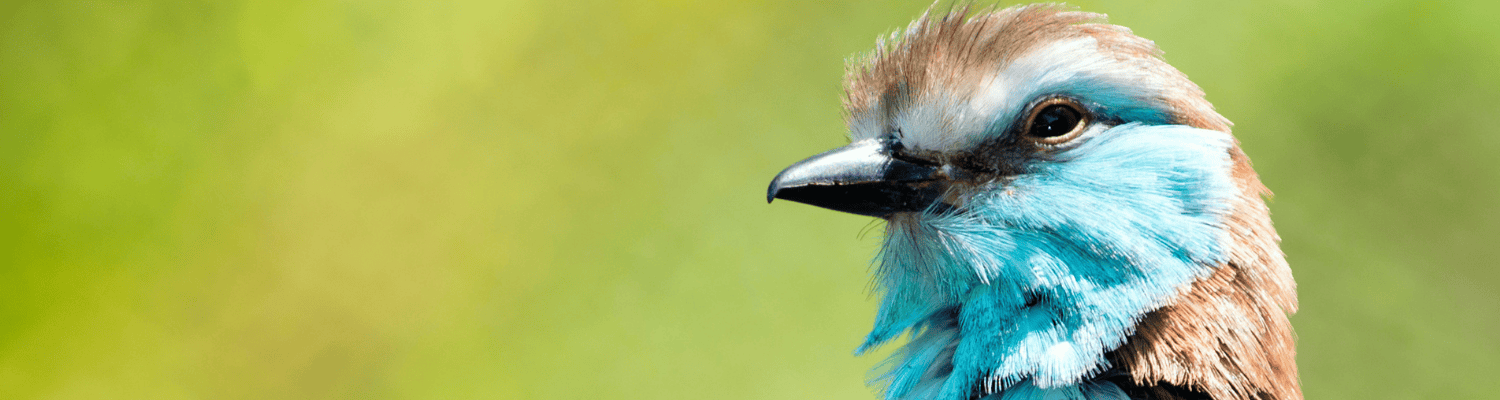
Racket Tailed Roller | A Complete Birding Guide
Learn to identify Racket Tailed Roller and where to spot itOverview
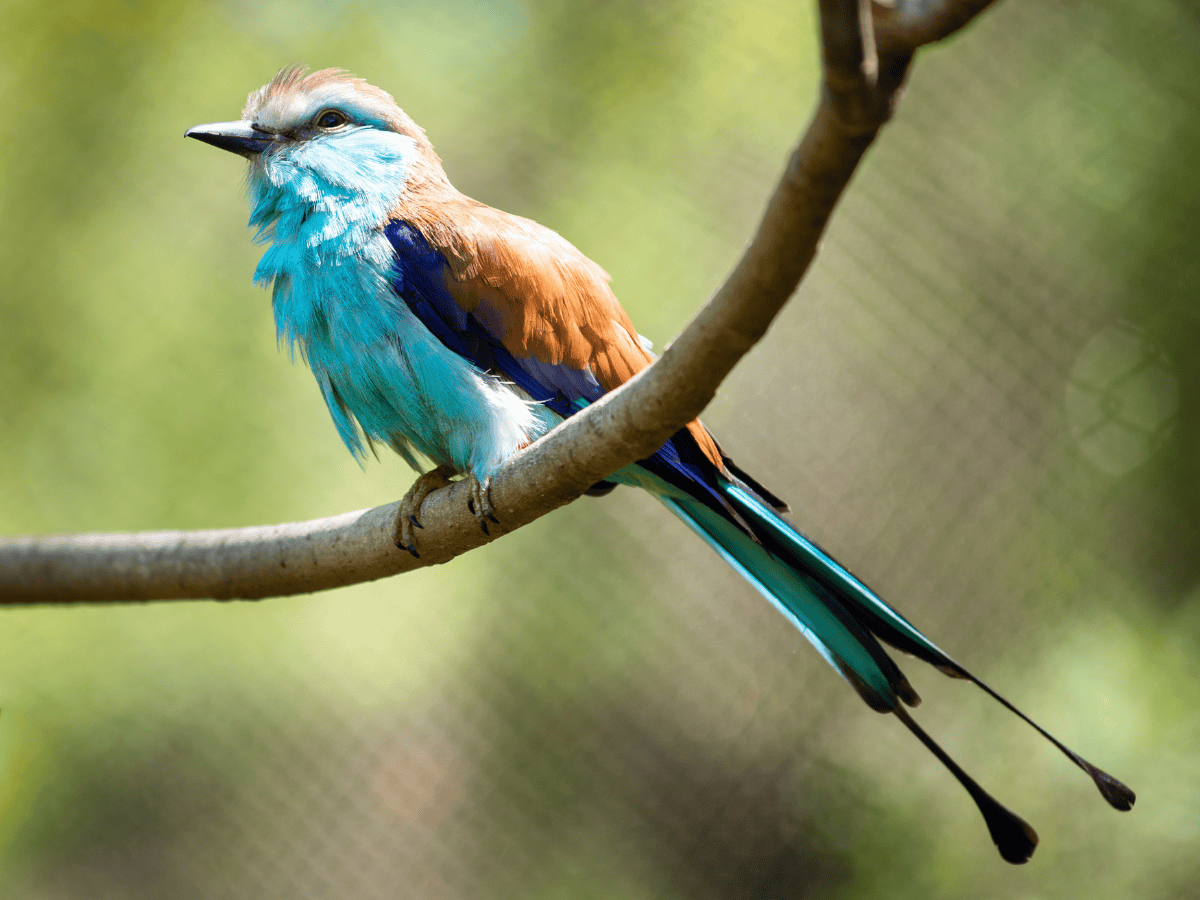
The Racket-tailed Roller is a large, colourful bird with long tail streamers ending in racket-shaped tips. It is found in woodlands and savannas across parts of Africa. Often perched high, it performs dramatic aerial displays during breeding season. Its unusual tail and bold colours make it a standout species.







Gallery
Summary
Best Places To See
Racket-tailed Roller is most reliably found in well-wooded savanna and forest edge habitats where large trees provide ideal perches and nesting sites. Kruger National Park offers some of the most consistent sightings, particularly in northern regions where mature woodland supports stable populations. uMkhuze Game Reserve provides a strong complementary option with similar habitat and good bird diversity. These locations are reliable because a combination of dense tree cover and open feeding areas allows birds to perch visibly while scanning for prey.
Best Time Of Year To See
Racket-tailed Roller can be seen throughout the year, but sightings are most consistent during warmer months when birds are more active and vocal. Breeding season increases display behaviour, including aerial flights and calling, making them easier to detect. During wetter periods, insect availability improves, supporting more frequent feeding. In cooler months, activity may decrease slightly. Summer generally provides the best opportunity, with higher movement, more visible behaviour, and improved overall encounter rates.
Identification
Racket-tailed Roller is a medium-sized bird with rich blue and purple tones, a greenish back, and distinctive elongated outer tail feathers ending in racket-like tips. It has a strong bill and compact body. Males and females are similar in appearance. Its unique tail shape is the most obvious identifying feature. It can be confused with other rollers, but the long racketed tail feathers clearly distinguish it in flight and when perched.
Behaviour
Racket-tailed Roller feeds mainly on insects and small prey, which it catches by dropping from a perch to the ground or low vegetation. It often sits still before making short, direct feeding flights. The species is usually seen alone or in pairs and may perform aerial displays during breeding season. Travellers are most likely to observe it perched quietly or making short hunting movements.
Diet
Racket-tailed Roller feeds primarily on insects, small reptiles, and other invertebrates. It hunts from a perch, scanning the ground before diving to capture prey. Feeding usually takes place in open areas near woodland. During warmer months, increased insect activity supports higher feeding rates. Its diet reflects its adaptability to woodland environments.
Habitat
Racket-tailed Roller prefers woodland, forest edges, and savanna with large trees for perching and nesting. It is most often found perched in mid-level branches overlooking open ground. This habitat provides both feeding opportunities and visibility. Travellers are most likely to encounter it in well-wooded reserves with open clearings.
Conservation Status
Racket-tailed Roller is considered stable, with no major threats affecting overall populations. Its reliance on woodland habitat means that habitat loss can impact local numbers. Protected areas such as Kruger National Park and uMkhuze Game Reserve help maintain suitable conditions. Conservation of woodland ecosystems supports the species’ long-term stability.
Interesting Facts
Racket-tailed Roller is easily recognised by its unique tail feathers, which resemble small rackets at the tips. It often sits quietly before making sudden, direct hunting flights. Its colours can appear especially vivid in sunlight. It is less commonly seen than other rollers, adding to its appeal for birders.
Folklore
Distinctive birds are often associated with identity and recognition in African folklore. The Racket-tailed Roller’s unique tail may symbolise individuality and distinction. Its quiet presence followed by sudden movement reflects awareness and timing. It represents uniqueness within the natural world.