
Overview
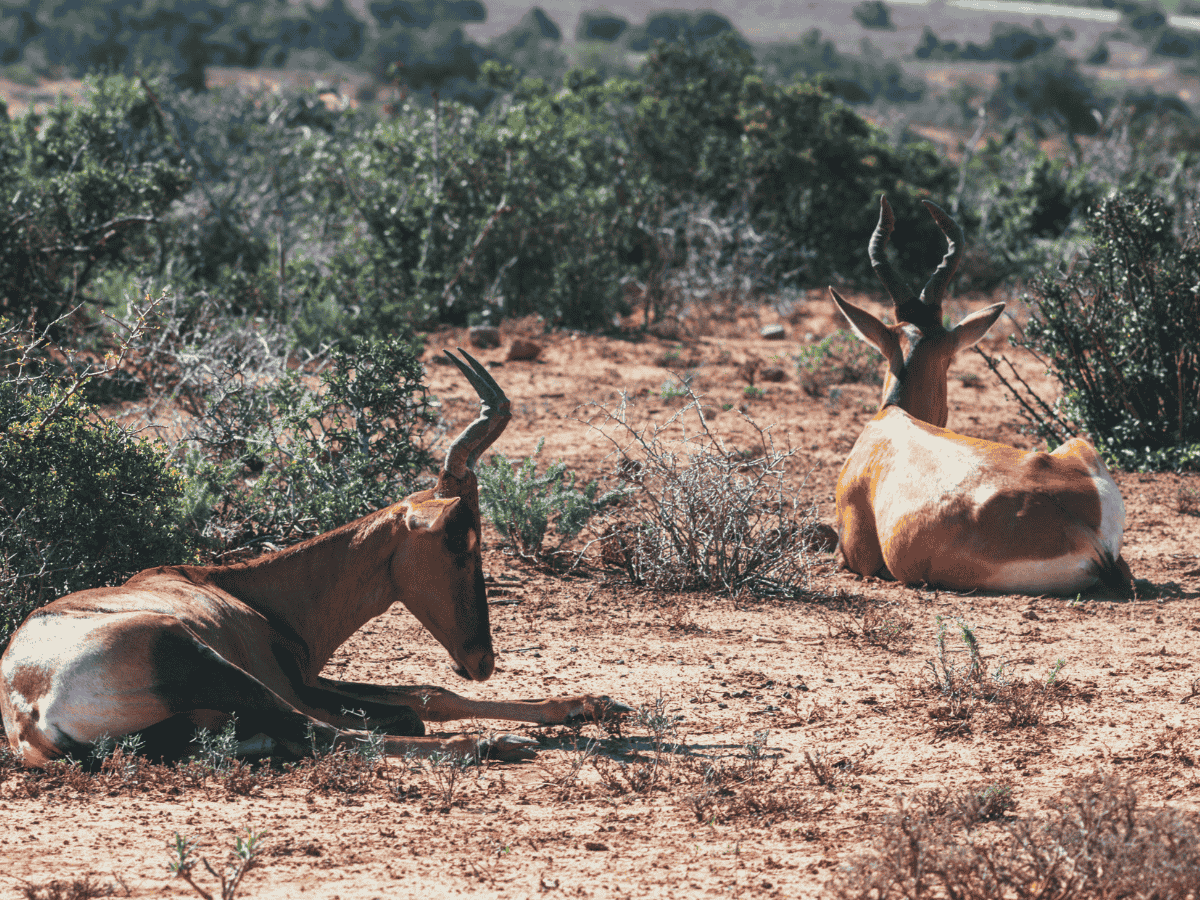
The red hartebeest is a large antelope known for its long face, sloping back, and distinctive lyre-shaped horns. It is found mainly in southern and parts of eastern Africa, especially in open grasslands and semi-arid areas. Hartebeest are often seen standing alert in small groups, with excellent eyesight and awareness of their surroundings. For travellers, they offer interesting sightings due to their unusual shape and behaviour. Their grazing habits help maintain open landscapes, making them an important part of the safari ecosystem.








Gallery
Summary
Best Places To See
Red hartebeest are most reliably seen in open grassland and semi-arid environments where visibility is high and herds are easy to track, with Kgalagadi Transfrontier National Park standing out as a flagship destination due to its stable populations and wide, open landscapes. In South Africa’s North West Region, reserves such as Madikwe Game Reserve offer consistent sightings supported by well-managed ecosystems and accessible terrain. In Namibia, Etosha National Park provides regular encounters across open plains and around waterholes, while private reserves such as Tswalu Kalahari deliver high-quality sightings in low-density, expansive habitats where hartebeest move predictably.
Best Time Of Year To See
The best time to see red hartebeest is during the dry season, when open plains and shorter grass improve visibility. As grazing becomes limited, they move more predictably between feeding areas. In the wet season, they spread out across wider areas with abundant grass, although they remain relatively easy to see in open habitats.
Identification
Red Hartebeest have long faces, sloping backs, and reddish-brown coats. Their horns are oddly shaped, curving outward and then inward. Both sexes have horns. They may be confused with tsessebe, but hartebeest have longer faces and different horn shapes. Their running style is distinctive.
Behaviour
Red hartebeest are grazers that live in herds. They are alert and fast-moving. On safari, they are seen grazing or standing in open plains.
Diet
Red hartebeest are grazers that feed mainly on grasses, especially in open savanna areas. They are well adapted to feeding on tougher, less nutritious grasses. They spend much of their day grazing and moving across open ground. During dry seasons, they rely on remaining grass and may travel further to find food. They drink water regularly but can tolerate some dryness. Their diet allows them to survive in areas where other grazers may struggle.
Habitat
Red hartebeest prefer open grassland and savanna with firm ground and good visibility. Their habitat supports grazing and allows for fast movement across open terrain. They avoid dense bush and prefer wide, open areas. Water is important but not always immediately nearby. Travellers commonly see red hartebeest in open plains, often in small groups, where their distinctive shape and behaviour make them easy to identify.
Conservation Status
Red hartebeest are listed as least concern, with stable populations in many regions. Their main threats include habitat loss and hunting in certain areas. They prefer open grasslands, which are increasingly affected by agriculture. However, they remain common in protected areas. Conservation management has helped maintain strong populations. Safari tourism supports these ecosystems, ensuring red hartebeest continue to thrive.
Interesting Facts
Red hartebeest have a unique, elongated face and high shoulders, giving them a distinctive silhouette. They are built for endurance and can run long distances at high speeds. Hartebeest are social animals, often found in herds on open plains. Their sharp eyesight helps them detect predators early. They are selective grazers, feeding on grasses that many other herbivores avoid, which reduces competition for food.
Folklore
Red hartebeest are associated with endurance, awareness, and survival in open plains. Their distinctive shape and alert behaviour have made them symbols of vigilance. In some traditions, they represent adaptability and the ability to thrive in exposed environments. Their presence reinforces the importance of awareness in the wild.