
Roan Antelope | A Complete Safari Guide
Learn how to identify roan antelope and where to see them on safariOverview
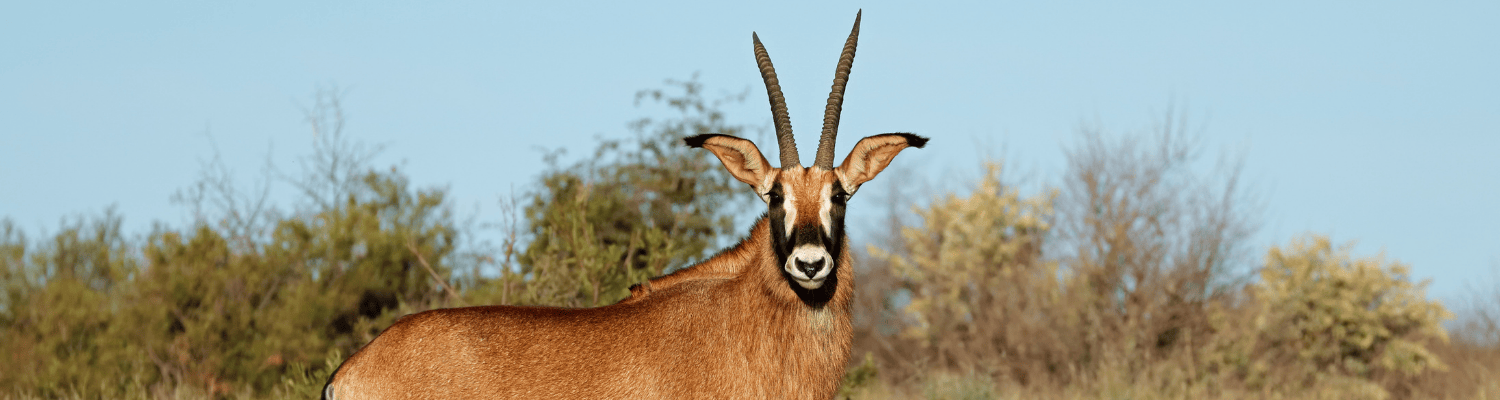
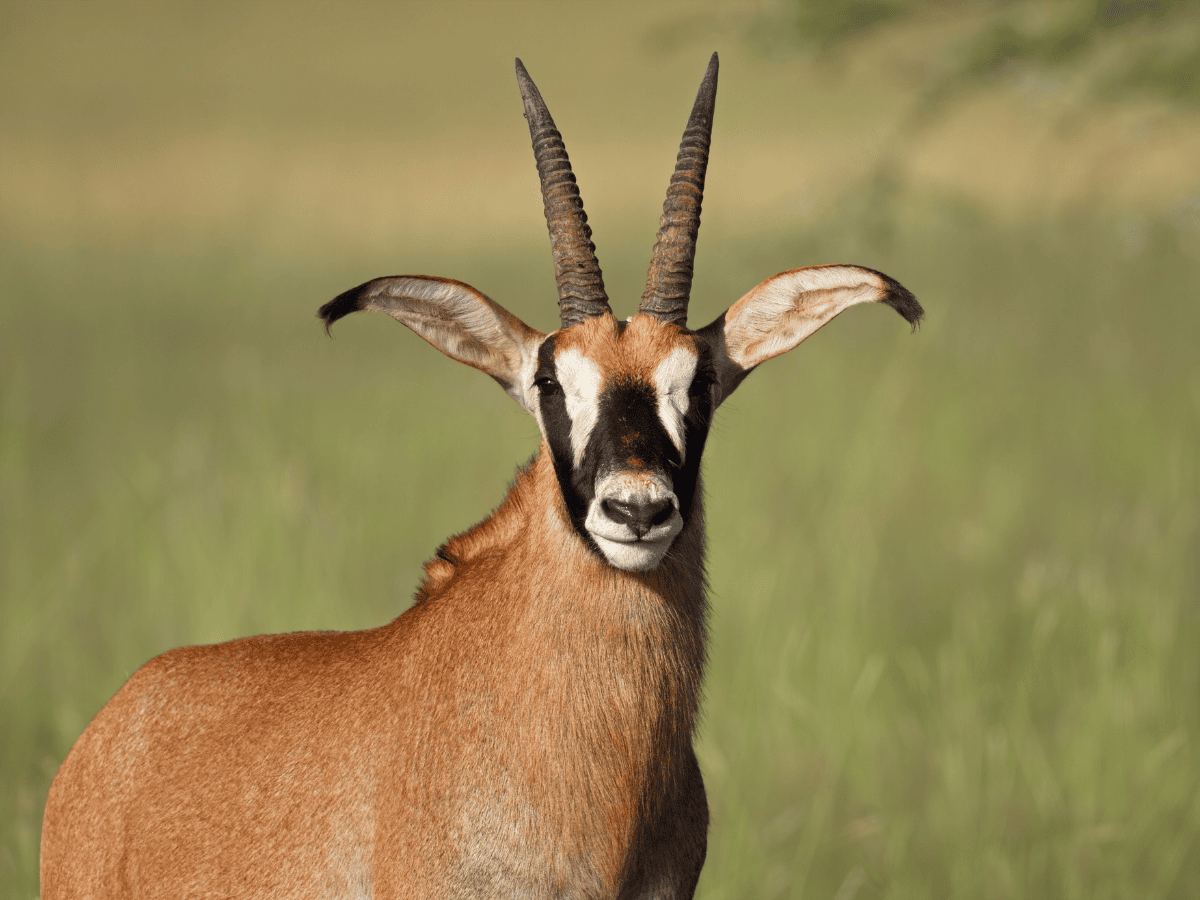
The roan antelope is a large and distinctive antelope, recognised by its light brown coat, bold black and white facial markings, and long curved horns. It is found in scattered areas across eastern, western, and southern Africa, usually in open woodlands and savannas. Roan antelope often move in small herds and prefer quieter, less crowded areas. For travellers, they are a more unusual and rewarding sighting due to their lower numbers. Their striking appearance and calm presence make them a memorable part of the safari experience.









Gallery
Summary
Best Places To See
Roan antelope are most reliably seen in large, well-protected ecosystems with suitable grassland and woodland mix, where populations are carefully managed, with Hwange National Park in Zimbabwe standing out as a flagship destination due to its stable numbers and consistent sightings around waterholes. In South Africa, areas of Kruger National Park, particularly in the north, offer occasional but meaningful encounters, while private reserves such as Tswalu Kalahari provide higher-quality sightings supported by focused conservation and low tourism pressure. In West Africa-style habitats, mirrored in parts of northern Botswana like Chobe National Park, sightings are less frequent but still possible in remote, lightly pressured areas.
Best Time Of Year To See
The best time to see roan antelope is during the dry season, when they gather near reliable water and grazing areas, making sightings more predictable. Shorter grass improves visibility in open woodland and savanna. In the wet season, abundant grass allows them to spread out, making encounters less consistent, although conditions are greener and quieter.
Identification
Roan Antelope are large, pale brown antelope with long faces and distinctive black-and-white facial markings. They have long, ridged horns that curve backward. Both males and females have horns, though males are slightly larger. They may be confused with sable antelope, but roan are lighter in colour with shorter horns. Their calm behaviour and preference for open woodland help identify them.
Behaviour
Roan antelope are grazers that prefer tall grass areas. They live in small herds and are known for their strong group cohesion. They are cautious and avoid heavily disturbed areas. On safari, sightings are less frequent but rewarding.
Diet
Roan antelope are grazers that feed mainly on grasses, particularly in open savanna and woodland areas. They prefer medium to tall grasses and often feed in groups. They are active during cooler parts of the day and rest during heat. In dry seasons, they may move to find better grazing and reliable water sources. They drink regularly. Their diet is relatively consistent, but they may take some leaves when grass is scarce. Their grazing helps maintain grass structure and supports other species in the ecosystem.
Habitat
Roan antelope inhabit savanna and open woodland with tall grasses and access to water. Their habitat supports grazing while providing enough cover for protection. They prefer less disturbed areas with lower predator pressure. Terrain is generally open and allows for herd movement. Travellers are most likely to encounter roan antelope in remote or well-protected reserves where habitat conditions are stable and populations are carefully managed.
Conservation Status
Roan antelope are listed as least concern globally, but many populations are declining locally. Their biggest threats include habitat loss and competition with livestock, as well as reduced water availability in some areas. They require large, open habitats and are sensitive to disturbance. Strong populations remain in well-managed reserves. Conservation efforts focus on protecting suitable habitat and maintaining stable populations. Safari tourism plays a role by supporting these areas and ensuring roan antelope continue to survive in key regions.
Interesting Facts
Roan antelope are one of Africa’s largest and rarest antelope, easily recognised by their reddish coats and bold black-and-white facial markings. They have long, curved horns and a robust build. Roan are often found in small herds and prefer open woodland areas. They are known for their alert nature and will stand together to face threats. Their rarity and striking appearance make them a special sighting for travellers.
Folklore
Roan antelope are associated with strength, alertness, and independence. Their upright posture and watchful behaviour have made them symbols of awareness and readiness. In some African traditions, they represent resilience in challenging environments. Their presence reinforces the importance of vigilance and adaptability.