
Sable Antelope | A Complete Safari Guide
Understand sable antelope behaviour and where sightings are most likelyOverview
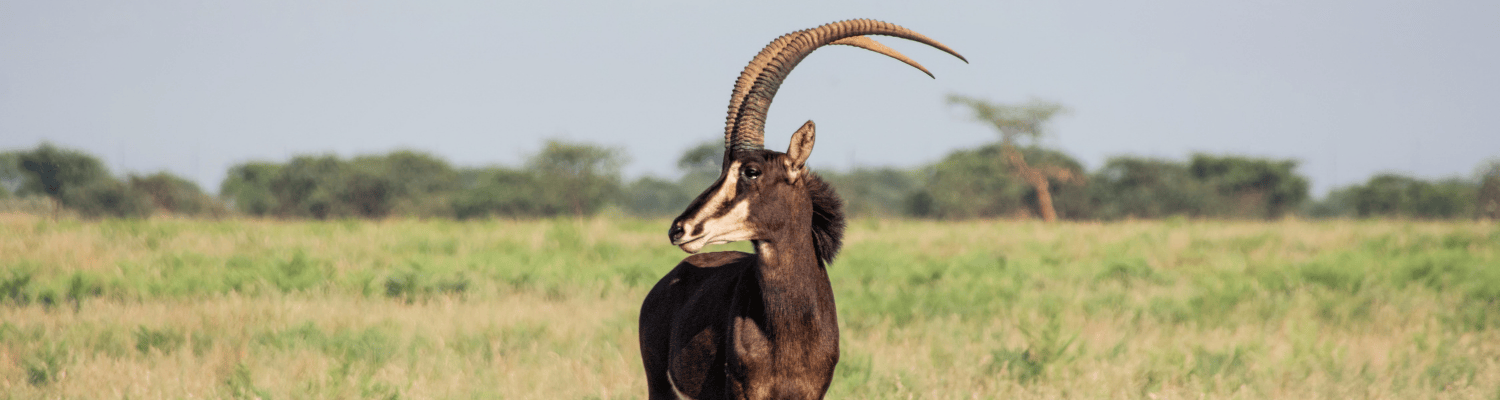
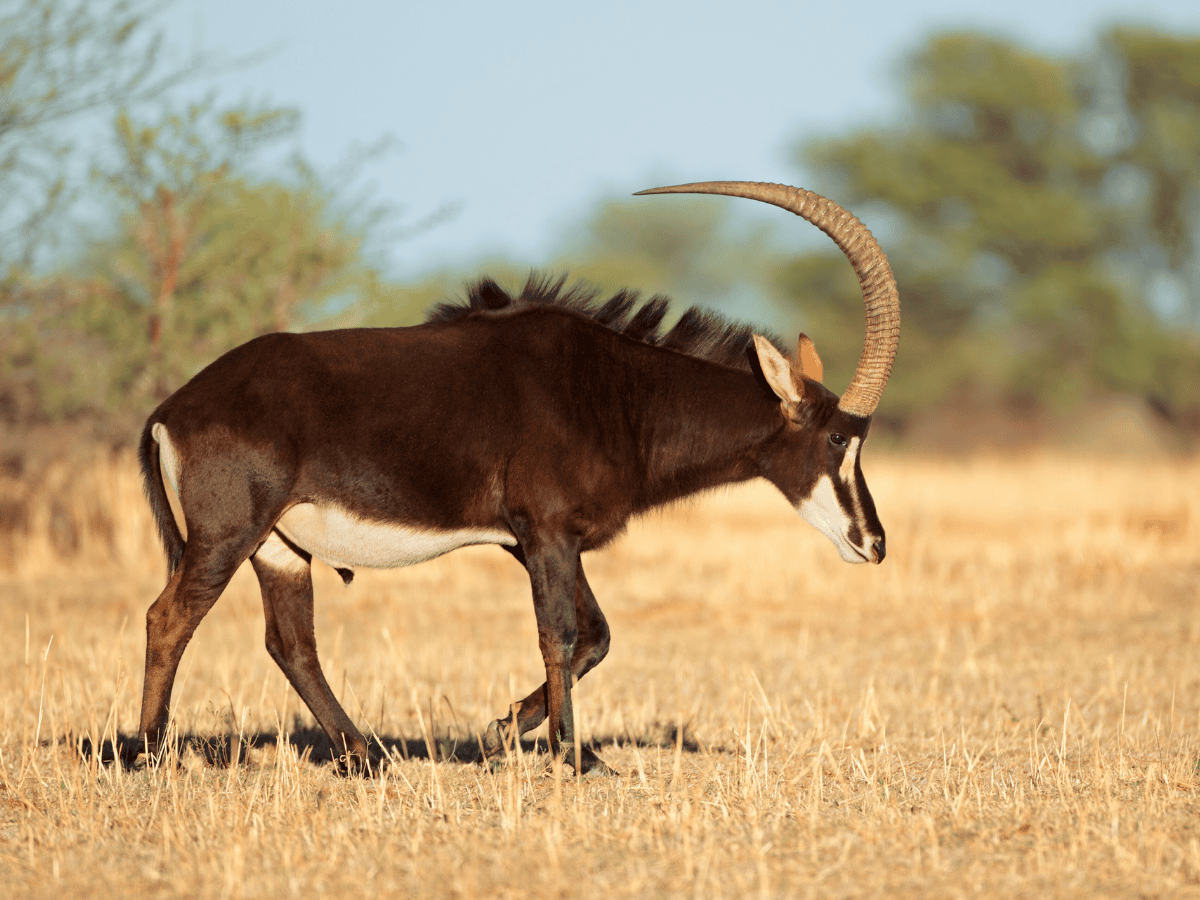
The sable antelope is a striking and powerful antelope, known for its glossy dark coat, white facial markings, and long curved horns. It is found in parts of eastern and southern Africa, mainly in woodland and savanna areas. Males are especially eye-catching, with deep black colouring and impressive horn shapes. For travellers, sable are considered one of the most beautiful and sought-after antelope species to see on safari. Their presence adds a sense of rarity and elegance, making sightings feel special and rewarding.









Gallery
Summary
Best Places To See
Sable antelope are most reliably seen in well-managed reserves with strong conservation focus and suitable woodland habitat, with Matobo National Park in Zimbabwe standing out as a flagship destination due to its high population density and consistently accessible sightings. In South Africa, private reserves such as Phinda Private Game Reserve and areas within Kruger National Park, particularly in the north, offer regular encounters supported by controlled populations and experienced guiding. In Botswana, parts of the Okavango Delta, including Moremi Game Reserve, provide quality sightings in mixed woodland and floodplain environments where sable move between grazing areas and cover.
Best Time Of Year To See
The best time to see sable antelope is during the dry season, when shorter grass and thinning vegetation make these striking animals easier to spot in open woodland and grassland. As water becomes limited, herds move more predictably between grazing areas and reliable water sources, improving sighting consistency. They are often most active in the early morning and late afternoon, when they feed in more open areas. In the wet season, abundant grass and thicker cover allow them to spread out and remain more concealed, making sightings less reliable, although conditions are greener and quieter with fewer visitors.
Identification
Sable Antelope are striking animals with glossy dark coats and long, curved horns that sweep backward. Males are darker, often nearly black, while females are chestnut brown. Both sexes have horns, but males’ are thicker. Calves are lighter in colour. They may be confused with roan antelope, but sable have darker faces and more dramatic horn curvature. Their upright posture and contrasting facial markings make them distinctive.
Behaviour
Sable antelope are grazers that feed on grass and live in herds led by a dominant female. Males are territorial and compete for access to females. They are alert and often stand still when assessing danger. On safari, they are seen in open areas or woodland edges.
Diet
Sable antelope are grazers that feed mainly on medium-length grasses. They prefer fresh growth and are often found in areas with good grazing conditions. They use their strong mouths to pull grass while moving steadily through their habitat. Feeding occurs mostly in the early morning and late afternoon. During dry seasons, they may move to areas with better grass availability. They rely on water but can tolerate some dryness. Their feeding patterns support grassland health and create space for other herbivores.
Habitat
Sable antelope prefer woodland and savanna habitats with tall grasses and scattered trees. Their habitat provides both grazing and cover from predators. They are often associated with areas that have good grass quality and access to water. Terrain is usually flat to gently rolling. Travellers are most likely to see sable antelope in well-managed reserves where habitat conditions are ideal, often in small herds grazing in open areas near woodland edges.
Conservation Status
Sable antelope are listed as least concern overall, but some local populations are under pressure. Their main threats include habitat loss and competition with livestock. They require specific woodland habitats, making them sensitive to environmental changes. Strong populations remain in protected areas where they are well managed. Conservation programmes focus on habitat protection and population monitoring. Safari tourism supports these efforts by maintaining high-quality habitats and promoting the conservation of this striking and sought-after species.
Interesting Facts
Sable antelope are known for their striking appearance, with glossy dark coats and long, curved horns that can exceed a metre in length. They are highly defensive and will stand their ground against predators, sometimes even injuring lions. Sable live in small herds led by a dominant female. Their preference for open woodland and grassland makes them a prized sighting on safari due to their beauty and rarity.
Folklore
Sable antelope are often seen as symbols of strength, dignity, and beauty. Their striking appearance and confident stance have led to associations with pride and resilience. In some traditions, they represent independence and the ability to stand firm. Their presence in open woodland reinforces themes of grace combined with power.