
Stellenbosch | A Complete Travel Guide
Explore wine estates, history, and travel planning insights for StellenboschOverview
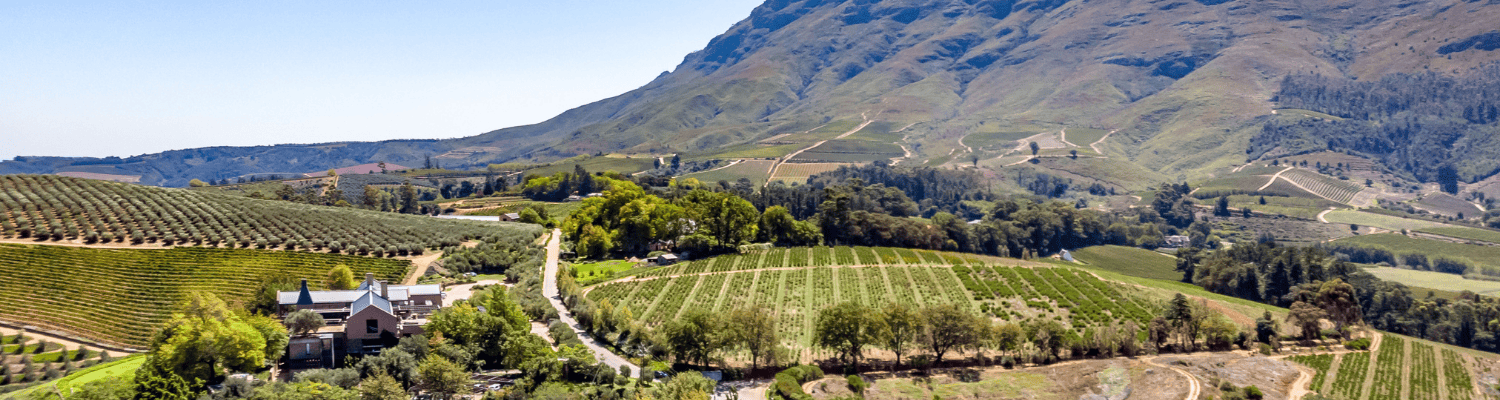
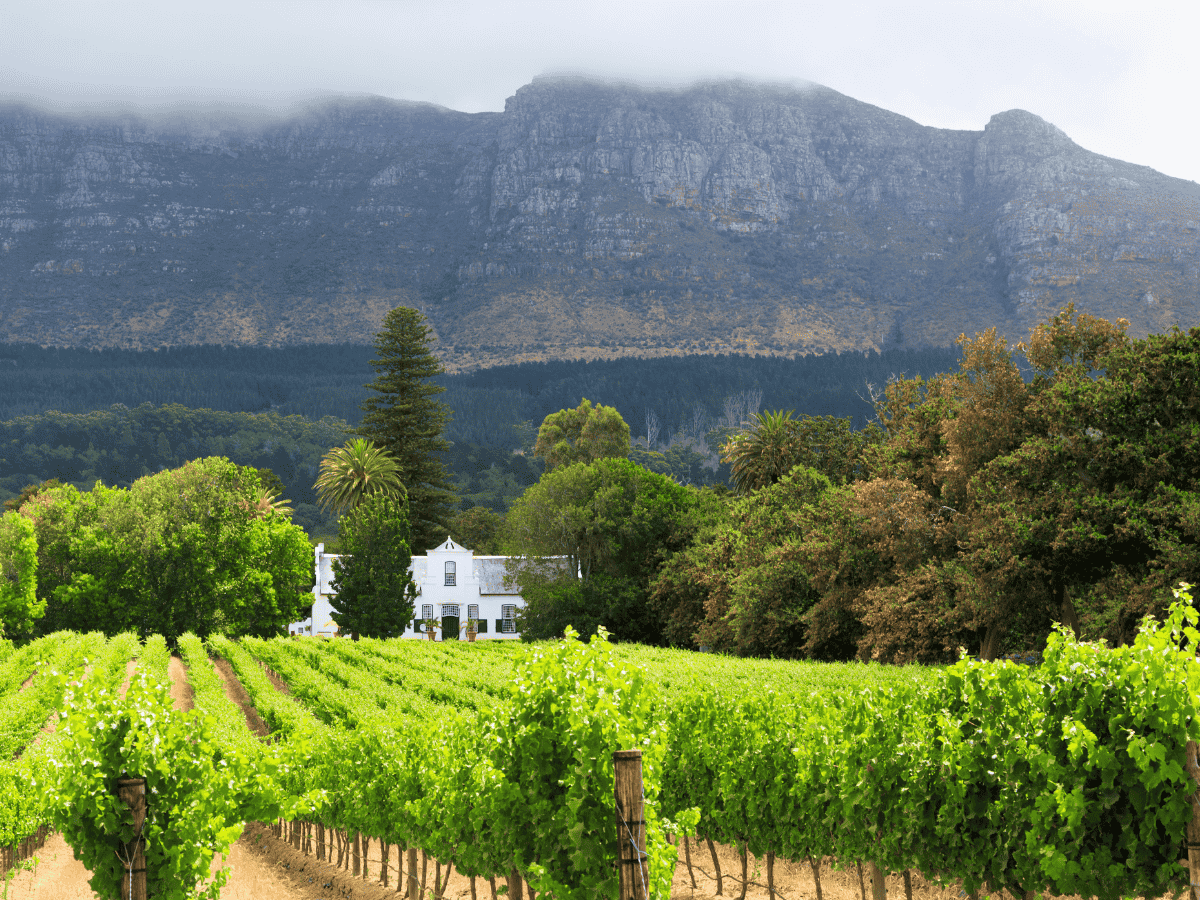
Stellenbosch is a historic town in South Africa’s Cape Winelands, located about an hour from Cape Town and surrounded by vineyards and mountain ranges. It is best known for its long-established wine estates, Cape Dutch architecture, and the presence of one of the country’s leading universities. The surrounding landscape features fertile valleys, vineyard-covered hills, and dramatic mountain backdrops that create ideal conditions for wine production. While not a wildlife destination, nearby nature reserves offer hiking and birdwatching opportunities. Travellers typically visit for wine tastings, renowned restaurants, cultural heritage, and the lively atmosphere created by its blend of academic life and traditional winemaking.








Gallery
Summary
How To Get Here
Stellenbosch is easily accessed via Cape Town, one of South Africa’s main international gateways. Travellers typically fly into Cape Town International Airport, either directly or via Johannesburg, and then continue by road to Stellenbosch. The town is located about 30 to 45 minutes from the airport, making it highly accessible. Most visitors arrive via private transfer, rental car, or shuttle, with scenic routes passing through the Cape Winelands.
Main Airports Serving Stellenbosch
Cape Town International Airport (CPT) – Cape Town
This is the primary airport serving Stellenbosch and the surrounding Cape Winelands. It offers strong international and domestic connections. From here, travellers typically reach Stellenbosch by road in under an hour using private transfers, rental cars, or shuttle services, making it the most convenient access point.
Getting Around The City
Stellenbosch is compact and easy to explore, especially in the central town area where many shops, restaurants, and galleries are within walking distance. For visiting surrounding wine estates, travellers typically use rental cars, private drivers, guided tours, or shuttle services. Ride-hailing options are available but less common than in larger cities.
Find Flights To Stellenbosch
Travellers typically fly directly into Cape Town or connect via Johannesburg from international destinations. There are no flights directly to Stellenbosch, so onward travel is by road. Travellers can use the links below to compare routes, airlines, and pricing to find the best way to reach Cape Town.
› www.skyscanner.com
› www.travelstart.co.za
Domestic Airlines & Internal Flights In South Africa
Domestic flights connect Cape Town with major cities such as Johannesburg and Durban on a frequent basis. These routes are short and efficient, making it easy to reach the Cape Winelands from across the country. Most travellers arrive via Cape Town before continuing by road to Stellenbosch.
› Airlink – (Commercial) – Connects Cape Town with major cities and regional destinations across South Africa
› FlySafair – (Commercial) – Operates frequent and affordable flights between Cape Town and key domestic hubs
› CemAir – (Commercial) – Flies between Cape Town and smaller regional airports within South Africa
› Lift – (Commercial) – Provides regular flights between Cape Town, Johannesburg, and Durban
Highlights
Stellenbosch is one of South Africa’s oldest and most famous towns, located in the heart of the Cape Winelands east of Cape Town. The town is known for its historic Cape Dutch architecture, oak-lined streets, and surrounding vineyards framed by dramatic mountain scenery. Stellenbosch has become a leading wine destination, combining wine estates, fine dining, cultural attractions, and a vibrant university atmosphere. The surrounding valleys offer scenic landscapes that define the character of the region.
Stellenbosch Wine Route
The Stellenbosch Wine Route is one of the oldest and most established wine routes in South Africa. Vineyards and wine estates spread across valleys surrounded by mountains such as the Simonsberg and Helderberg ranges. Visitors explore historic estates, enjoy wine tastings, and learn about the region’s long-standing wine-making traditions.
› More About Stellenbosch Wine Route
Historic Stellenbosch Town Centre
The town centre of Stellenbosch is known for its well-preserved Cape Dutch and Georgian architecture. Oak-lined streets, historic houses, galleries, cafés, and boutiques create a distinctive atmosphere. Walking through the centre allows visitors to experience the town’s history while enjoying its lively cultural and student-driven energy.
› More About Historic Stellenbosch Town Centre
Stellenbosch University
Stellenbosch University is one of South Africa’s leading universities and contributes significantly to the town’s identity. The campus blends historic buildings with modern facilities and is surrounded by oak-lined avenues and gardens. The student presence adds vibrancy to the town through cafés, cultural events, and a lively social scene.
› More About Stellenbosch University
Jonkershoek Nature Reserve
Jonkershoek Nature Reserve lies just outside Stellenbosch and protects mountainous landscapes, forests, and fynbos vegetation. Hiking and mountain biking trails lead through valleys and along mountain slopes with views across the surrounding wine country. The reserve provides a natural contrast to the cultivated vineyards of the region.
› More About Jonkershoek Nature Reserve
Simonsberg and Helderberg Mountain Scenery
The Stellenbosch wine region is framed by mountain ranges including Simonsberg and Helderberg, which create the dramatic backdrop seen across the vineyards. These mountains influence the climate and soils that support wine production while providing scenic viewpoints and outdoor activities such as hiking and nature drives.
› More About Simonsberg and Helderberg Mountain Scenery
Activities & Experiences
Stellenbosch is one of South Africa’s premier wine destinations, known for its historic charm, vineyard-covered landscapes, and strong culinary scene. Travellers visit for wine tasting, fine dining, and scenic exploration rather than wildlife experiences. The town offers a blend of culture, history, and outdoor beauty, making it a key stop in the Cape Winelands.
Full Day Winelands Tour
A full day Winelands tour is the defining experience in Stellenbosch, offering access to renowned wine estates and tastings. Visitors can explore multiple vineyards, sample a variety of wines, and enjoy the surrounding mountain scenery, making it central to the destination.
› More About Activity
Cultural Activities
Cultural activities in Stellenbosch highlight the town’s history, architecture, and artistic influence. From galleries to historic streets, these experiences provide context and depth beyond the wine-focused aspects of the destination.
› More About Activity
Self Driving in Parks
Self-driving in and around Stellenbosch allows travellers to explore the surrounding winelands and scenic routes at their own pace. This flexibility enhances the experience, enabling visitors to discover estates, viewpoints, and hidden spots throughout the region.
› More About Activity
Birding
Birding in Stellenbosch and the surrounding areas offers a quieter, nature-focused activity. The combination of vineyards, rivers, and mountain slopes supports a variety of bird species, adding diversity to the overall experience.
› More About Activity
Other Notable Activities & Experiences
Other notable activities & experiences in this country
- Guided Nature Walks
Conservation Activities
When To Go
Stellenbosch is a year-round destination, with each season offering a different atmosphere across its vineyards, restaurants, and historic streets. Summer brings warm, dry weather and a lively social scene, making it the busiest time to visit. Autumn introduces harvest season and rich vineyard colours. Winter is quieter, with cooler temperatures and green landscapes, while spring offers blooming scenery and fewer crowds. Overall, expect peak energy in summer and a more relaxed, scenic experience in the quieter months.
Best Time To Visit
The best time to visit Stellenbosch is from November to April, when warm, dry weather creates ideal conditions for wine tasting, outdoor dining, and exploring the vineyards. Harvest season between February and March adds a unique energy to the region, with active estates and vibrant landscapes. This period offers the most complete experience, combining great weather, atmosphere, and seasonal activity.
Jan | Feb | Mar |
Apr | May | Jun |
July | Aug | Sep |
Oct | Nov | Dec |
= Excellent = Good = Fair = Poor
Understanding The Seasons
Stellenbosch follows a Mediterranean climate with warm, dry summers and cool, wetter winters. Summer (November to March) is the most active period, with sunny days and a vibrant atmosphere across estates. Autumn (March to May) brings harvest season and changing vineyard colours. Winter (June to August) is quieter, with rain and lush green scenery, while spring (September to October) offers mild weather and blooming landscapes. Visitor numbers peak in summer and festive periods.
| Best Time To Visit | November to April |
| High Season | December to February |
| Low Season | May to August |
| Best Weather | November to March |
| Worst Weather | June to July |
| Rainy Season | May to August |
| Dry Season | November to March |
Pros & Cons For Travel Seasons Here
November to March - Dry Season - Summer- ☀️ ⊕ Warm, sunny weather ideal for outdoor dining and wine tasting | May to August - Green Season - Winter - 🌧️ ⊕ Quieter and more relaxed atmosphere |
❄️ Winter - May to September
May - Shoulder Season
Temperatures drop, and rainfall increases. The town becomes quieter, with fewer visitors and a slower pace. Vineyards turn green, and the atmosphere becomes calm and relaxed, with a focus on indoor dining and wine experiences.
June, July & August - Low Season
Cool and wet conditions dominate, with frequent rain and overcast skies. Visitor numbers are at their lowest, creating a peaceful and uncrowded experience. This is a slower period best suited for cosy indoor tastings and relaxed exploration.
September - low Season
Rain begins to ease, and temperatures start to improve slightly. The landscape remains green, and early signs of spring appear. Visitor numbers are still low, offering a quieter experience with gradually improving conditions.
🔥 Summer - October to April
October - Shoulder Season
Spring brings blooming vineyards and milder temperatures. Conditions are pleasant for exploring, and the town feels fresh and vibrant. Visitor numbers are moderate, offering a balance between good weather and fewer crowds.
November - Shoulder Season
Warm, dry weather settles in, and the region becomes lively again. Outdoor dining and wine tasting are at their best. Visitor numbers begin to increase, and the atmosphere becomes more energetic and social.
December (1 to 19) - Peak Season
Summer is in full swing with hot, dry days and a vibrant atmosphere. Restaurants and estates become busier as the festive period approaches. Conditions are ideal for outdoor experiences.
December & January (20 Dec to 5 Jan) - Peak Season (Festive)
This is the busiest time of year, with high tourism density across the town. Restaurants, wineries, and accommodation are full, and prices increase. The atmosphere is lively, and advance booking is essential.
January, February & March - Peak Season
Hot, dry conditions continue with long sunny days. This is the heart of the wine season, with harvest activity creating a unique and engaging experience. Visitor numbers remain high, especially in January, before easing slightly later.
April - Shoulder Season
Temperatures begin to cool, and visitor numbers drop. Vineyards shift into autumn colours, creating a scenic and relaxed environment. This is a comfortable time to visit, offering good weather with fewer crowds.
Summary
Why Visit
Stellenbosch is one of South Africa’s most famous wine towns, located in the Cape Winelands east of Cape Town. Travellers visit for its vineyards, historic architecture, and mountain scenery. The town has a relaxed atmosphere with tree-lined streets, cafés, and galleries. Surrounded by rolling vineyards and rugged mountains, Stellenbosch offers a landscape very different from safari regions. It is often included in travel itineraries as a cultural and culinary stop between Cape Town and other destinations.
Pros & Cons
⊕ Renowned wine region with many historic estates
⊕ Beautiful landscapes of vineyards and surrounding mountains
⊕ Charming town centre with restaurants, galleries, and cafés
⊕ Easy access from Cape Town
⊕ Wide variety of wine estates and food experiences
⊖ Busy during peak tourism seasons
⊖ Limited wildlife or safari experiences
⊖ Traffic and parking can be difficult in the town centre
Highlights
Stellenbosch is known for its historic Cape Dutch architecture, oak-lined streets, and long-established vineyards. The town is one of the oldest in South Africa and serves as the centre of the Cape Winelands wine industry. Surrounding valleys contain numerous wine estates with scenic views of the mountains. The region is famous for its wine culture, fine dining, and relaxed countryside atmosphere.
› More About Highlights
Where To Go
Visitors should explore the historic town centre, which includes art galleries, cafés, and heritage buildings. The surrounding wine estates such as those along the Stellenbosch Wine Route are a major highlight. Nearby areas like the Helshoogte Pass and Jonkershoek Nature Reserve offer mountain scenery and outdoor exploration.
› More About Where To Go
Activities & Experiences
Popular activities include wine tasting, vineyard tours, and exploring the historic streets of the town centre. Visitors often cycle or drive between wine estates while enjoying mountain views. Hiking and nature walks in nearby reserves are also common. The town’s restaurants and markets provide opportunities to experience local food and wine culture.
› More About Activities & Experiences
When To Go
Stellenbosch can be visited throughout the year. Summer from November to March offers warm weather and clear skies, ideal for vineyard visits and outdoor dining. Autumn is harvest season in the vineyards. Winter from June to August is cooler with occasional rain but brings fewer crowds and greener landscapes.
› Explore When To Go
How To Get Here
Stellenbosch is located about 50 kilometres from Cape Town and can be reached by road in around 45 minutes. Most visitors travel by rental car or private transfer from Cape Town International Airport. The town is also easily combined with nearby destinations in the Cape Winelands.
› Explore Access & Getting There
Travel Information & Safety
Stellenbosch is a well-developed tourism destination with good infrastructure and accommodation. Travellers should still follow basic safety precautions, particularly when walking late at night or leaving valuables unattended. Most visitors move around the region by car or organised transport when visiting multiple wine estates.
› Explore Travel Information & Safety
Travel Information
Stellenbosch is a scenic university town in the Cape Winelands, known for its vineyards, historic streets, and relaxed atmosphere. It is compact and easy to explore, with good roads and access to nearby wine estates. Travellers typically move around by car, bicycle, or organised tours. With simple planning and general awareness, visitors can enjoy a smooth and comfortable experience.
Safety Precautions In This City
Getting around Stellenbosch is straightforward, especially in the town centre and surrounding wine routes. Use trusted transport services or arrange designated drivers when visiting wine estates. Stay aware of your surroundings in public areas and keep personal belongings secure. Planning your routes and moving confidently helps ensure a relaxed and enjoyable time.
Safety Precautions During Activities
Activities in Stellenbosch often include wine tasting, cycling, and exploring local markets and estates. Use reputable operators and follow guidance during tours and tastings. Stay aware in busy areas and keep valuables close. If cycling or walking between farms, follow road safety practices. These simple habits help you enjoy each experience comfortably and with ease.
Safety Precautions At Your Hotel
Hotels and guesthouses in Stellenbosch are generally well managed and designed for guest comfort. Keep valuables stored securely, lock your room when leaving, and be mindful when entering or exiting the property. Use safes where available and avoid leaving items unattended. These small precautions support a relaxed and worry-free stay.
LGBTQ + Safety Guidance
South Africa is known for its inclusive legal framework, and Stellenbosch is a welcoming destination for many travellers. The town’s hospitality and tourism spaces are generally open and respectful. As with any destination, experiences may vary depending on the setting, so it is helpful to remain aware of local customs. A respectful approach supports a comfortable and enjoyable visit.