
Tsessebe | A Complete Safari Guide
Learn about tsessebe speed, behaviour, and where to see them on safariOverview
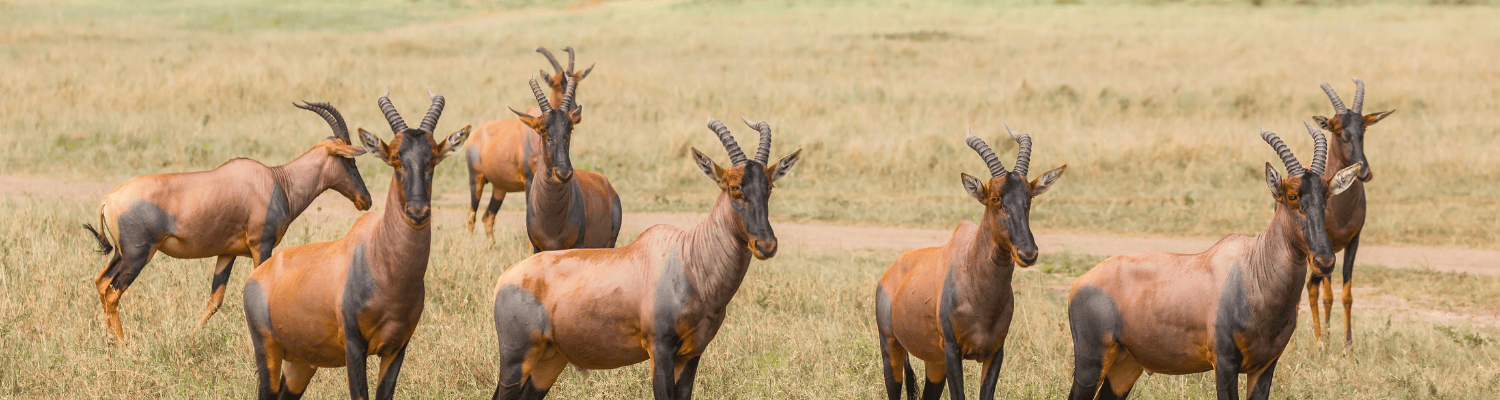
The tsessebe is a fast and athletic antelope, known for its sleek build, reddish-brown coat, and slightly curved horns. It is found in parts of southern and eastern Africa, mainly in open plains and lightly wooded savannas. Tsessebe are often seen standing on small rises, using their height to scan for danger. For travellers, they are less commonly seen than other antelope, making sightings feel more rewarding. Their speed and alert behaviour add energy to the landscape, while their grazing helps maintain healthy grasslands.









Gallery
Summary
Best Places To See
Tsessebe are most reliably seen in open floodplains and lightly wooded savanna where grazing is rich and visibility is high, with Moremi Game Reserve in Botswana’s Okavango Delta standing out as a flagship destination due to strong populations and consistent sightings in the Khwai and floodplain areas. In South Africa, private reserves such as Sabi Sands Game Reserve and the northern sections of Kruger National Park offer more occasional but quality encounters, supported by suitable habitat pockets and expert guiding. In Zimbabwe, Hwange National Park provides additional opportunities, particularly in open grassland zones where tsessebe move in small, easily visible groups.
Best Time Of Year To See
The best time to see tsessebe is during the dry season, when herds gather in open plains with shorter grass, making them easier to spot. As water and grazing become limited, they move more predictably. In the wet season, they spread out across wider areas, although they remain visible in open landscapes.
Identification
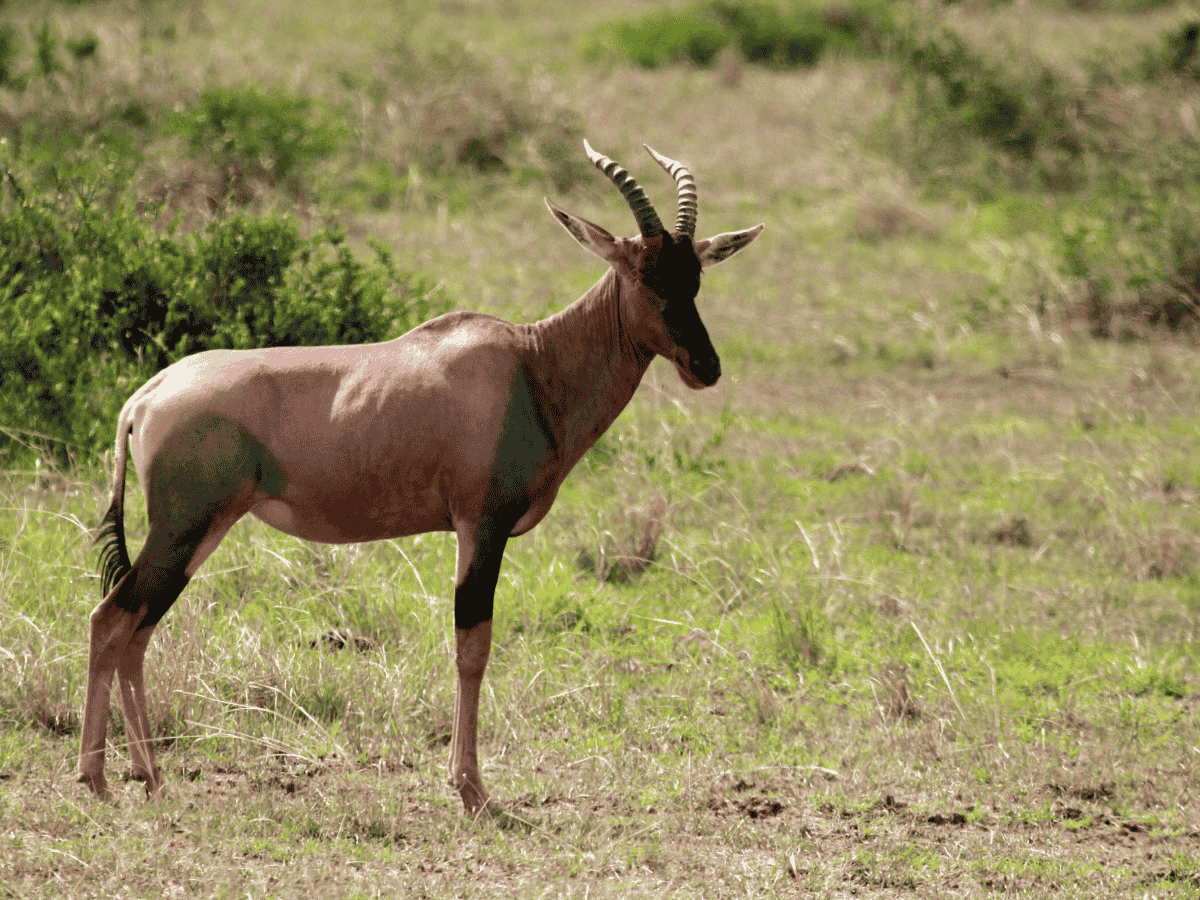
Tsessebe are fast antelope with glossy brown coats and darker faces. They have curved horns and a more compact build than hartebeest. Both sexes have horns. They may be confused with hartebeest, but tsessebe are darker and more streamlined. Their speed and open habitat make them easy to identify.
Behaviour
Tsessebe are grazers that prefer open grasslands. They live in small groups and are very fast runners. On safari, they are often seen in open areas scanning for danger.
Habitat
Tsessebe inhabit open savanna and grassland with access to water and good grazing. Their habitat requires firm ground and open visibility for movement and predator detection. They prefer areas with short to medium grasses. Terrain is usually flat. Travellers are most likely to encounter tsessebe in well-managed reserves where grassland conditions are ideal, often in small herds moving across open plains.
Diet
Tsessebe are grazers that feed mainly on grasses in open plains and floodplains. They prefer fresh growth and often follow seasonal changes in vegetation. They feed during cooler parts of the day and rest during heat. During dry periods, they move to areas where grass is still available. They drink regularly. Their feeding patterns help maintain grassland ecosystems and support other herbivores that share the same habitat.
Conservation Status
Tsessebe are listed as least concern, but populations are declining in some areas. Their biggest threats include habitat loss and competition with livestock. They require open grasslands, which are increasingly limited. Strong populations remain in protected areas. Conservation efforts focus on habitat protection and sustainable management. Safari tourism supports these efforts and helps maintain tsessebe populations.
Interesting Facts
Tsessebe are one of the fastest antelope in Africa, capable of sustained high-speed running. They have a sleek, streamlined build and a distinctive reddish coat. Tsessebe often use termite mounds as vantage points to scan for predators. They are social and form herds, relying on speed and early detection to avoid danger. Their athletic ability and alert behaviour make them well adapted to open grassland environments.
Folklore
Tsessebe are often linked to speed, alertness, and awareness. As one of the fastest antelope, they symbolise quick thinking and responsiveness. In some traditions, they represent vigilance and the ability to react to threats. Their presence reinforces themes of agility and survival.