
Tswalu Kalahari | A Complete Travel Guide
Explore wildlife, desert landscapes, and travel planning insights for Tswalu KalahariOverview
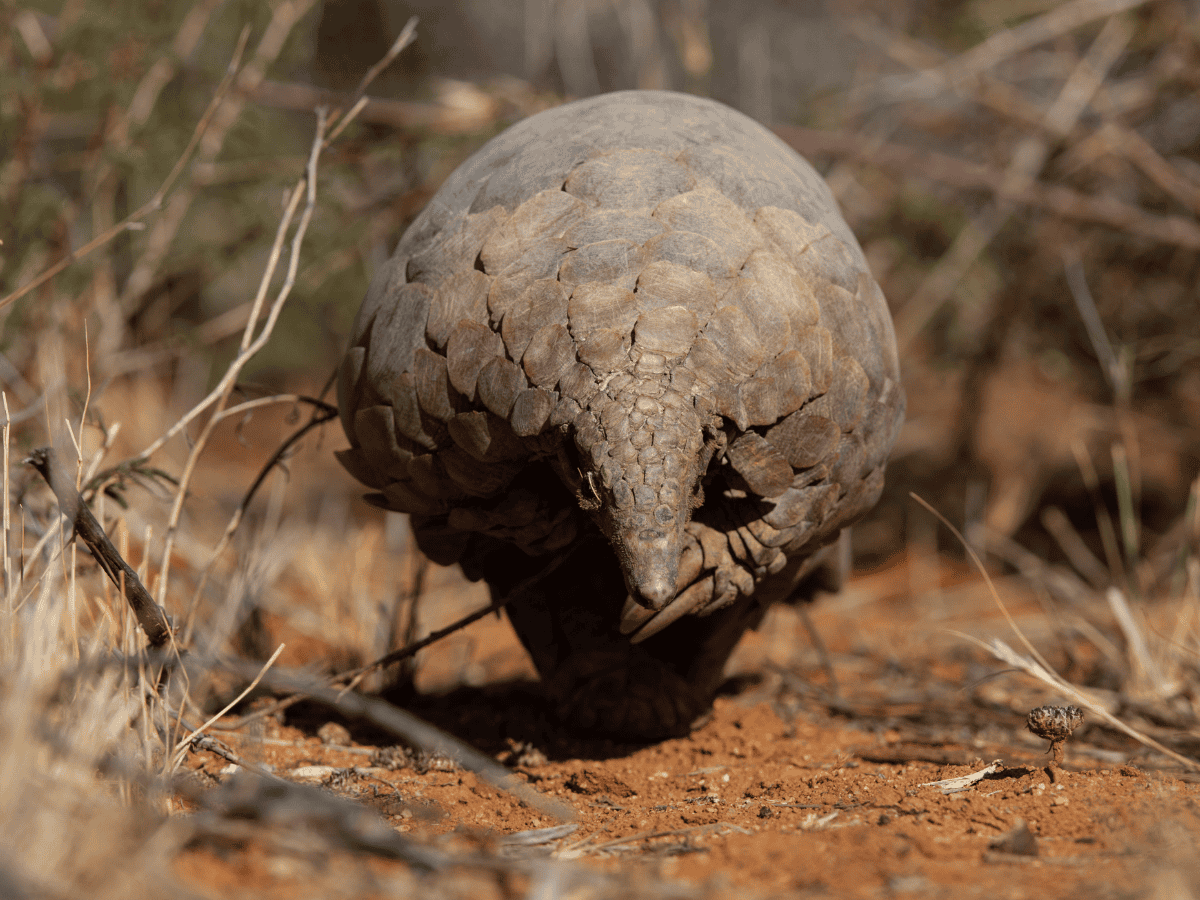
Tswalu Kalahari lies in South Africa’s Northern Cape and forms one of the largest privately protected conservation areas in the country. It is best known for its vast Kalahari landscapes, long-term conservation work, and focus on species adapted to arid environments. The terrain is characterised by red sand dunes, open grasslands, and scattered camelthorn trees that support wildlife such as meerkats, aardvark, pangolin, and a range of antelope and predators. Wildlife viewing here focuses on specialised desert species rather than the traditional Big Five safari. Travellers typically visit for its remote atmosphere, conservation-led approach, and the opportunity to explore one of southern Africa’s most distinctive desert ecosystems.







Gallery
Summary
Summary
Why Visit
Tswalu Kalahari offers a distinctive safari experience in the southern Kalahari Desert. Travellers visit for its vast open landscapes, rare wildlife species, and highly private safari atmosphere. The reserve protects red sand dunes, grasslands, and dry riverbeds that support animals specially adapted to the desert environment. Tswalu is distinctive for its low visitor density and focus on conservation, providing a very different safari setting compared with the wooded savannahs of other South African reserves.
Pros & Cons
⊕ Unique desert ecosystem with specialised wildlife
⊕ Very low tourism density creating highly private safaris
⊕ Large protected wilderness area with dramatic Kalahari scenery
⊕ Opportunities to see rare species such as pangolin and aardvark
⊕ Strong conservation and research programmes
⊖ Very high cost compared with most safari destinations
⊖ Remote location requiring flights or long road travel
⊖ Wildlife density lower than in savannah ecosystems
Highlights
Tswalu Kalahari is South Africa’s largest private game reserve and protects a vast landscape of red dunes, open grasslands, and dry river valleys. The reserve lies in the southern Kalahari and is known for its wide open scenery and sense of space. Tswalu’s conservation initiatives focus on restoring the Kalahari ecosystem and protecting rare wildlife species.
› More About Highlights
Wildlife
Tswalu offers a different wildlife experience from savannah reserves. Species include lion, cheetah, leopard, and desert-adapted animals such as aardvark, aardwolf, pangolin, and brown hyena. Large herds of antelope including springbok, gemsbok, and eland roam the open grasslands. Wildlife sightings focus on specialised Kalahari species.
› More About Wildlife
Birding
Tswalu offers excellent birding with more than 300 recorded species. The open desert and grassland habitats attract raptors and dry-country birds. Notable species include the kori bustard, martial eagle, pygmy falcon, and sociable weaver, which builds large communal nests in Kalahari trees.
› More About Birding
Activities
Safari activities include guided game drives and walking safaris led by experienced rangers and trackers. The reserve allows flexible exploration of large wilderness areas. Visitors may also participate in wildlife tracking, birdwatching, and wildlife photography. Night drives provide opportunities to see nocturnal desert species.
› More About Activities & Experiences
Best Time To Visit
Wildlife viewing is generally good throughout the year. The cooler winter months from May to September offer comfortable temperatures and clear conditions for exploring the reserve. Summer from October to April can be very hot but brings occasional rainfall that turns the Kalahari grasslands green and attracts migrating wildlife.
› Explore Best Time To Visit
Access & Getting There
Tswalu Kalahari lies in the Northern Cape near the Kalahari Desert. Most visitors arrive by charter flight to the reserve’s private airstrip. The reserve can also be reached by road from Johannesburg or Kimberley, although travel times are long.
› Explore Access & Getting There
Health & Safety
Tswalu lies in a malaria-free region of South Africa. Safari activities are conducted by trained guides who follow strict safety procedures during wildlife encounters. Guests should follow ranger instructions at all times. Standard travel precautions are recommended when travelling through remote desert areas.
› Explore Health & Safety
Highlights
Tswalu Kalahari is the largest private wildlife reserve in South Africa and lies within the southern Kalahari of the Northern Cape. The reserve is known for its vast red sand dunes, open savanna, and rare desert-adapted wildlife. Unlike many traditional safari destinations, Tswalu focuses on conservation and low visitor numbers, creating an intimate wilderness experience. Visitors explore the reserve through private guided safaris while encountering species uniquely adapted to the Kalahari environment.
Red Kalahari Dune Landscape
Tswalu lies within a sweeping landscape of red sand dunes and open savanna typical of the southern Kalahari. These parallel dune ridges stretch across the reserve and change colour dramatically with the shifting light of sunrise and sunset. The striking contrast between red sand, golden grasses, and wide skies defines the visual character of the reserve.
› More About Red Kalahari Dune Landscape
Rare Desert Wildlife
The Kalahari ecosystem supports several species that are rarely seen in other safari destinations. Visitors often search for animals such as aardvark, aardwolf, bat-eared fox, and pangolin. These specialised species are adapted to the dry desert environment and make wildlife viewing at Tswalu different from typical savanna safaris.
› More About Rare Desert Wildlife
Meerkat Habituation Experience
Tswalu is known for its habituated meerkat groups that allow visitors to observe these social animals at close range. Guided excursions take place early in the morning as the meerkats emerge from their burrows and begin foraging. This experience offers a unique opportunity to watch their behaviour while learning about life in the Kalahari ecosystem.
› More About Meerkat Habituation Experience
Korannaberg Mountains
The Korannaberg Mountains rise within the reserve and add dramatic elevation to the otherwise open Kalahari landscape. These ancient hills create rocky slopes and elevated viewpoints overlooking the surrounding plains. The mountains also support slightly different vegetation and wildlife compared with the surrounding dunes.
› More About Korannaberg Mountains
Private Guided Safari Experience
Safaris at Tswalu are conducted privately with a dedicated guide and vehicle for each group of guests. This approach allows flexible exploration of the reserve’s vast landscape and the ability to focus on specific wildlife interests. Visitors can spend extended time observing animals and exploring remote parts of the reserve without fixed schedules.
› More About Private Guided Safari Experience
Wildlife
Tswalu Kalahari offers a unique semi-desert wildlife experience with wide open landscapes and specialised species. Lion, cheetah, and giraffe are commonly seen, along with gemsbok, springbok, and diverse antelope. Elephant and buffalo do not occur here, creating a distinct ecosystem focused on arid-adapted wildlife.
Wildlife Highlights
Tswalu is known for rare and desert-adapted species, including habituated meerkats, aardvark, and pangolin. Cheetah sightings are strong in open terrain, and black-maned Kalahari lions are a highlight. The reserve’s exclusivity allows for off-road tracking and longer, more focused wildlife encounters.
When To Go For Wildlife Viewing
Wildlife viewing is good year-round, with peak conditions from May to September when cooler temperatures improve activity and visibility. Summer can be hot, but sightings remain rewarding due to open landscapes and the ability to track wildlife over large areas.
Wildlife Viewing By Month | ||
Jan | Feb | Mar |
Apr | May | Jun |
July | Aug | Sep |
Oct | Nov | Dec |
= Excellent = Good = Fair = Poor
Iconic Wildlife & Your Chances Of Finding Them
Wildlife Occurrence & Viewing Likelihood
🔵 Abundant here; 🟢 Common here; 🟡 Occassional here; 🔴 Rare here; ⚫ Does not occur
Lion | Leopard | Elephant |
🟢 Common here | 🔴 Rare here | ⚫ Does not occur here |
Buffalo | White Rhino | Black Rhino |
🟢 Common here | 🔵 Abundant here | 🟢 Common here |
Giraffe | Wild Dog | Cheetah |
🔵 Abundant here | 🟡 Occasional here | 🟢 Common here |
Spotted Hyena | Brown Hyena | Hippo |
🟢 Common here | 🟢 Common here | ⚫ Does not occur here |
Zebra | Wildebeest | Meerkat |
🟢 Common here | 🟢 Common here | 🔵 Abundant here |
Other Notable Wildlife
Other notable wildlife found in this country
- Gemsbok (Oryx)
Springbok
Red Hartebeest
Eland
Aardvark
Caracal
Honey Badger
African Civet
Black-backed Jackal
Bat-eared Fox
Birds
Tswalu Kalahari offers exceptional arid-zone birding across red dunes, open savanna, and sparse camelthorn woodland. The dry environment supports specialised desert species and strong raptor diversity. Birding here is unique and rewarding, with wide open landscapes making sightings easier and more consistent.
Birding Highlights
Highlights include Kori Bustard, Secretarybird, and Northern Black Korhaan in open plains. Raptors such as Martial Eagle and Bateleur are regularly seen overhead. Sociable Weaver colonies attract Pygmy Falcon, while sandgrouse gather at waterholes. The reserve offers classic Kalahari birding with iconic desert species.
When To Go For Birding
Birding is best from October to March when summer migrants arrive and breeding activity increases. Birds are more active and vocal during this time. Winter offers excellent visibility and reliable sightings of resident desert species, though overall diversity is slightly lower.
Birding By Month | ||
Jan | Feb | Mar |
Apr | May | Jun |
July | Aug | Sep |
Oct | Nov | Dec |
= Excellent = Good = Fair = Poor
Iconic Birds & Your Chances Of Finding Them Here
Table showing the top parks and reserves where you will have the best chance at findig the birds you want to see:
🔵 Abundant here; 🟢 Common here; 🟡 Occasional here; 🔴 Rare here; ⚫ Does not occur here
Kori Bustard | Secretarybird | Northern Black Korhaan |
🟢 Common here | 🟢 Common here | 🟢 Common here |
Martial Eagle | Martial Eagle | White-backed Vulture |
🟢 Common here | 🟢 Common here | 🟢 Common here |
Lappet-faced Vulture | Pygmy Falcon | Sociable Weaver |
🟡 Occasional here | 🟡 Occasional here | 🔵 Abundant here |
Other Notable Birds
Other notable birds found in this country
- Brown Snake Eagle
Black-chested Snake Eagle
African Hawk-Eagle
Cape Vulture
European Bee-eater
Southern Carmine Bee-eater
Burchell’s Starling
White-browed Sparrow-Weaver
Grey Sunbird
Square-tailed Nightjar
Fiery-necked Nightjar
Verreaux’s Eagle-Owl
African Wood Owl
Arrow-marked Babbler
Lilac-breasted Roller
Activities & Experiences
Tswalu Kalahari offers a highly exclusive and immersive safari experience focused on rare species, vast open landscapes, and complete flexibility. Travellers visit for its unique Kalahari ecosystem, exceptional sightings of species such as aardvark and pangolin, and the freedom to explore without time constraints. The experience is centred around private guiding, off-road exploration, and a strong emphasis on conservation and discovery.
Full Day Game Drive
Full day game drives are a defining feature of the Tswalu experience, allowing guests to explore the reserve without time limits. This flexibility enables deeper exploration of the Kalahari, increasing the chances of tracking rare species and observing natural behaviour without the constraints of fixed schedules.
› More About Activity
Animal Tracking on Foot
Animal tracking on foot is a standout activity at Tswalu, offering a hands-on and immersive way to follow wildlife such as meerkats, aardvarks, and other elusive species. Led by expert trackers, this experience provides a deeper understanding of animal behaviour and movement.
› More About Activity
Guided bush walks
Guided bush walks allow guests to experience the Kalahari landscape up close, focusing on tracks, plants, and smaller wildlife. These walks offer a more intimate connection to the environment and highlight the finer details of this unique ecosystem.
› More About Activity
Conservation Activities
Conservation activities are central to Tswalu, reflecting its strong focus on habitat restoration and species protection. Guests gain insight into ongoing research and conservation work, adding depth and meaning to the safari experience.
› More About Activity
Other Notable Activities & Experiences
Other notable activities & experiences in this country
- Morning game drives
Afternoon game drives
Night game drives
Guided Nature Walks
Sleepout Experiences
Birding
When To Go
Tswalu Kalahari offers a highly exclusive desert safari experience that changes subtly with the seasons rather than dramatically. Winter brings cooler, stable conditions and excellent wildlife tracking, while summer introduces heat, storms, and more dynamic animal behaviour. Unlike busier parks, Tswalu remains consistently quiet due to its private nature, allowing for flexible and intimate game viewing year-round. Expect a refined safari where timing influences comfort and scenery, rather than overall quality.
Best Time To Visit
The best time to visit Tswalu is from May to September, when cooler temperatures and dry conditions make wildlife easier to track across open terrain. Sightings are consistent, and the climate is comfortable for extended game drives and walking safaris. This period offers the most balanced experience, combining strong wildlife viewing with ideal weather and exceptional guiding flexibility.
Jan | Feb | Mar |
Apr | May | Jun |
July | Aug | Sep |
Oct | Nov | Dec |
= Excellent = Good = Fair = Poor
Understanding The Seasons
Tswalu’s seasons are defined by temperature and rainfall rather than strict wet and dry contrasts. Winter (May to September) is dry, cool, and clear, offering excellent visibility and comfortable conditions. Summer (October to April) is hotter, with occasional rainfall that briefly transforms the desert landscape. Wildlife remains present year-round, but behaviour shifts with the heat. Visitor numbers stay low throughout due to the reserve’s exclusive and private nature.
| Best Time To Visit | May to September |
| High Season | June to August |
| Low Season | November to February |
| Best Weather | May to August |
| Worst Weather | November to January |
| Dry Season | May to September |
| Rainy Season | January to March |
Pros & Cons For Travel Seasons Here
May to September - Dry Season - Winter - ☀️ ⊕ Excellent tracking conditions for rare species | October to April - Green Season - Summer - 🌧️ ⊕ Striking desert contrasts after rainfall |
❄️ Winter - May to September
May - Shoulder Season
Temperatures begin to cool, creating comfortable conditions. Wildlife becomes easier to track in open terrain. The reserve is quiet and flexible, offering a balanced and relaxed safari experience.
June, July & August - Peak Season
Cool, dry conditions dominate, making this the most comfortable time to explore. Wildlife tracking is excellent, especially for rarer species. Days are clear, while mornings and evenings are cold. The experience remains highly exclusive.
September - Peak Season
Dry conditions continue, with slightly warmer days. Wildlife remains visible and active, particularly around key areas. The landscape is stark but offers excellent viewing conditions and consistent sightings.
🔥 Summer - October to April
October - Peak Season
Temperatures rise, and conditions begin to shift. Wildlife remains active, but sightings are best earlier and later in the day. The landscape is still mostly dry, with occasional changes as the season progresses.
November - Shoulder Season
Heat intensifies, and conditions become more challenging. Wildlife behaviour shifts, with activity focused around cooler periods. The reserve remains quiet, offering a more private and slower-paced experience.
December (1 to 19) - Green Season
Storms begin to appear, bringing occasional bursts of greenery. Wildlife remains present, but conditions are hot. The landscape becomes more dynamic, adding contrast to the experience.
December & January (20 Dec to 5 Jan) - Peak Season (Festive)
Visitor numbers increase slightly, though exclusivity remains high. Conditions are hot with occasional storms. Wildlife activity continues, particularly during cooler parts of the day.
January, February & March - Green Season
Rainfall brings brief transformation to the desert, with greener tones and active birdlife. Wildlife is more dispersed, but sightings remain rewarding. The atmosphere feels wild and unpredictable.
April - Shoulder Season
Temperatures begin to drop, and conditions stabilise. The landscape retains some greenery, and wildlife visibility improves. The experience becomes more balanced as the reserve transitions into the dry season.
How To Get Here
Tswalu Kalahari is most conveniently accessed via direct charter or light aircraft flights into the reserve’s private airstrip. International travellers typically arrive in South Africa through Johannesburg before connecting on a charter flight to Tswalu. Alternatively, travellers can fly to Upington and continue by road transfer of around two to three hours. Flying directly into Tswalu offers the most seamless and time-efficient arrival into this remote and exclusive Kalahari reserve.
Main Access Airports
Tswalu Airstrip (TSW) – Tswalu Kalahari
This is the most practical and efficient way to access Tswalu. Charter and light aircraft flights land directly within the reserve, allowing guests to arrive at their lodge without long road transfers. This is the preferred option for a seamless and premium safari experience.
Upington Airport (UTN) – Upington
This is the primary and most practical airport for accessing Kgalagadi Transfrontier National Park. It offers domestic flights from Johannesburg and Cape Town. From here, travellers continue by road to the park, with transfer times typically between two and a half and four hours depending on the chosen entry point.
Getting To Lodges & Camps
Travellers arriving by charter flight are met at the Tswalu airstrip and transferred directly to their lodge within minutes. Those arriving via Upington continue by road transfer, usually arranged by the lodge. Transfers are smooth and well coordinated, with lodge teams ensuring a seamless final leg of the journey into this remote reserve.
Find Flights To Tswalu Kalahari
Travellers typically fly into Johannesburg from international destinations before connecting via charter flight directly to Tswalu, or by scheduled flight to Upington followed by a road transfer. Travellers can use the links below to compare routes, airlines, and pricing based on their preferred travel style and level of convenience.
› www.skyscanner.com
› www.travelstart.co.za
Domestic Airlines & Charter Flights
Domestic airlines operate routes from Johannesburg and Cape Town to Upington, providing access to the Kalahari region. However, charter and light aircraft flights are the preferred option for Tswalu, offering direct access to the reserve’s private airstrip and significantly reducing travel time compared to road transfers.
› Fireblade Aviation – (Light Aircraft) – Transfers guests directly to Tswalu’s private airstrip for seamless lodge access
› Airlink – (Commercial) – Connects Johannesburg and Cape Town with Upington on regular schedules
› FlySafair – (Commercial) – Operates domestic routes between major cities, supporting connections via Johannesburg or Cape Town
› CemAir – (Commercial) – Flies between Johannesburg and regional airports including Upington
Travel Information
Tswalu Kalahari offers a highly exclusive and spacious safari experience across vast semi-desert landscapes. Travellers can expect fully guided activities, private game drives, and refined lodge environments with a strong sense of privacy. Wildlife moves freely across the reserve, so awareness is important. With expert guides and a personalised approach, Tswalu provides a safe, immersive, and deeply rewarding wilderness experience.
Staying Safe On Safari
Safety on safari in Tswalu is guided by highly trained professionals. Always follow your guide’s instructions and remain in the vehicle unless advised otherwise. Keep movements calm and avoid sudden noise around wildlife. Guides understand animal behaviour and ensure safe positioning, even during close encounters. By trusting their expertise, you can enjoy the experience comfortably and with confidence.
Staying Safe During Activities
Activities such as guided walks and tracking experiences are led by experienced guides who prioritise safety and awareness. Listen carefully to all briefings and stay close to your guide at all times. Move calmly and remain aware of your surroundings. These activities are designed to be immersive while maintaining a structured and safe environment.
Staying Safe At The Lodge
Lodges in Tswalu are set within vast, natural surroundings where wildlife can move freely. Follow all lodge guidelines, especially after dark, and use staff escorts when provided. Stay on designated paths and remain aware of your surroundings. Lodges are designed to combine comfort with a strong connection to nature, ensuring a safe and relaxing stay.
Malaria Information
Tswalu Kalahari is not located in a malaria-prone area. Travellers do not typically require malaria medication when visiting. It is still advisable to use basic protection against insect bites, such as repellent and suitable clothing in the evenings. With these simple precautions, visitors can enjoy the reserve comfortably and with peace of mind.
LGBTQ + Safety Guidance
Tswalu Kalahari and its lodges are generally welcoming and inclusive for all travellers. Safari environments focus on hospitality, privacy, and personalised experiences, creating a relaxed and respectful atmosphere. As with travel anywhere, it is helpful to remain aware of broader cultural norms in public areas. Within lodges and guided settings, travellers can expect a comfortable and positive experience.