
Walking Safari | A Complete Safari Experience Guide
Understand how walking safari experiences work and what to expectOverview
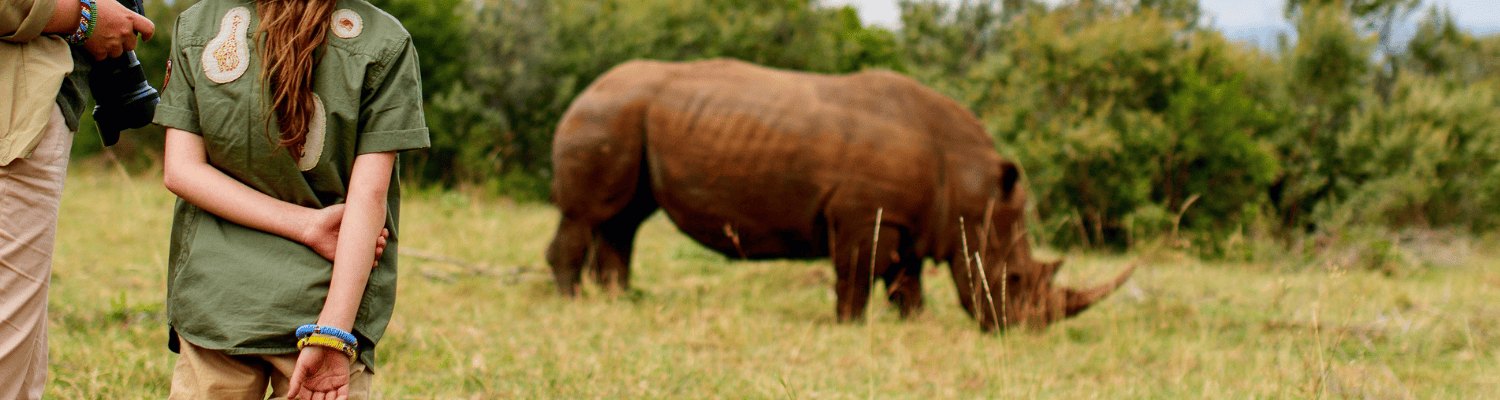
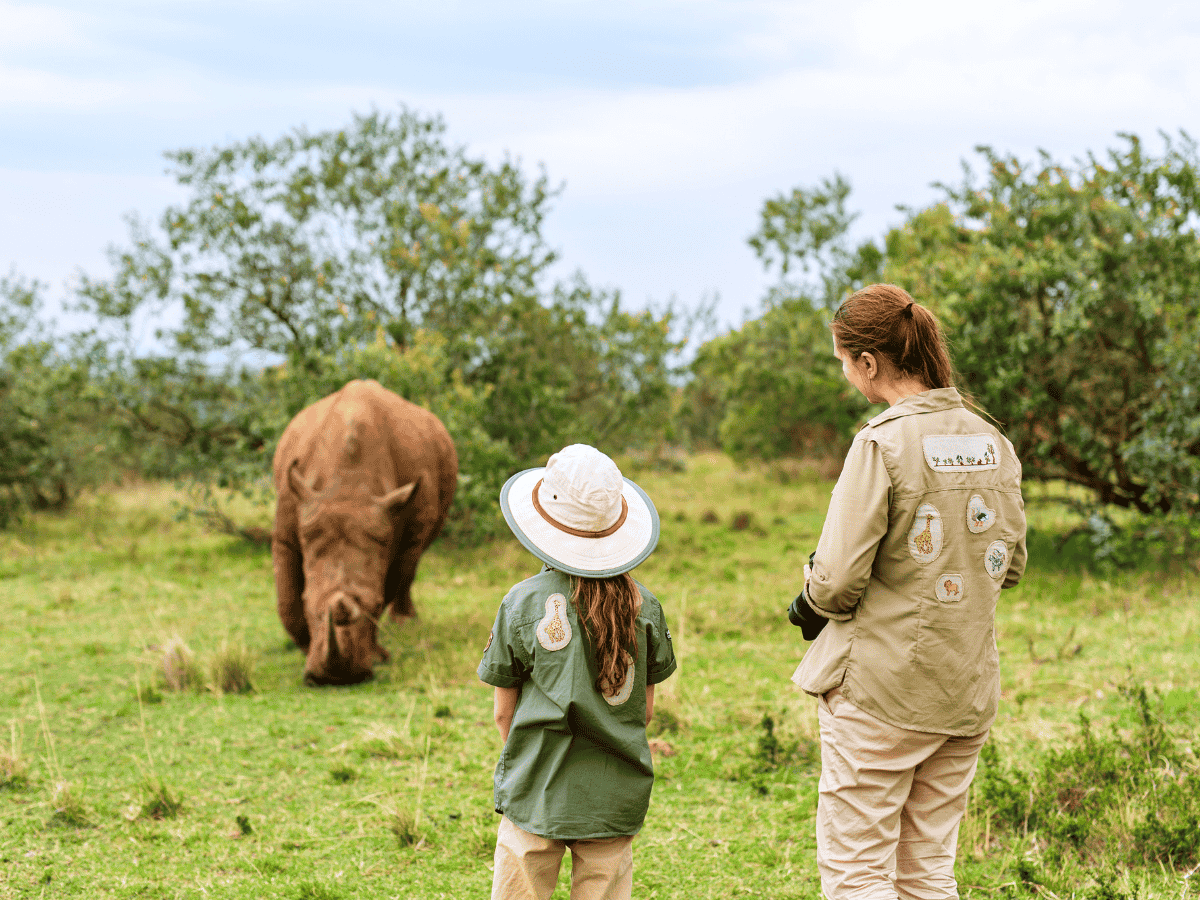
Guided bush walks are immersive, on-foot safari experiences where travellers explore wildlife areas alongside trained guides and trackers. The focus is on reading the landscape, following tracks, and understanding animal behaviour at ground level, often with the possibility of encountering larger wildlife from a safe distance. Guests can expect a slower, more alert experience that heightens the senses. It is popular because it creates a deeper connection to the environment. Guided bush walks are widely offered in private reserves across Africa and in select wilderness areas globally.








Gallery
Summary
Where To Experience
Guided bush walks are best experienced in private reserves where off-road access and expert guiding allow for safe, immersive walking, such as Sabi Sands Game Reserve, Timbavati Game Reserve, and Klaserie Private Nature Reserve. They are also offered in areas like Phinda Private Game Reserve and Tswalu Kalahari, where low tourism density enhances the experience. These locations are well suited to bush walks due to their strong guiding standards, controlled environments, and the ability to explore wildlife areas on foot with a high level of safety and flexibility.
Best Time Of Year
Guided bush walks are best during the dry season, when cooler temperatures and thinner vegetation improve comfort and visibility on foot. Wildlife is easier to track and more concentrated around water sources, making encounters more likely. In the wet season, the bush is greener and more active, but dense vegetation and higher temperatures can make walking more challenging. Early mornings remain ideal year-round, and shoulder seasons often offer a good balance between favourable conditions and a more vibrant environment.
Who Is This Activity Best For
Guided bush walks are best suited to adventurous travellers who want a more intense and active safari experience, as well as immersive travellers who value understanding wildlife at a deeper level. They also appeal to collectors seeking rare and meaningful encounters beyond traditional game drives. Luxury travellers can enjoy them through highly guided, private experiences, while they are less suited to younger family travellers due to the focus and safety requirements. Relaxing travellers may find them less passive, but still rewarding in the right setting.
Difficulty & Accessibility
Guided bush walks are generally moderate in difficulty, involving walking through natural terrain for extended periods. A reasonable level of fitness and comfort on your feet is helpful, as paths can be uneven and conditions change. They are usually suitable for adults and older children, while those with limited mobility may find them less accessible. Experienced guides lead the walk and adjust the pace where possible, ensuring safety and support, and the experience can often be tailored to match the group’s comfort and ability.
Safety & Requirements
Guided bush walks are moderate, low-impact activities suitable for most travellers, including older guests and children able to walk short distances. Participants should have basic mobility and be comfortable walking over natural terrain at a steady pace. Guides lead every walk, ensuring safety, sharing knowledge, and providing support when needed. Routes can be adapted for varying fitness levels, allowing travellers to enjoy the experience fully while observing wildlife and tracking footprints. These walks are designed to be accessible, safe, and immersive, letting everyone feel confident and engaged in the bush environment.
What To Expect
Guided bush walks usually begin with a safety briefing before heading out on foot with a trained guide and tracker. Travellers can expect a focused and immersive experience, moving slowly through the bush while reading tracks, observing animal signs, and staying alert to the surroundings. There are moments of stillness and heightened awareness, especially when wildlife is nearby. The pace is deliberate and engaging, creating a deeper connection to the environment and a stronger sense of being part of the landscape rather than observing it from a distance.