
Waterberg Safari Region | A Complete Travel Guide
Plan your safari with reserves, wildlife, and insights in Waterberg Safari RegionOverview
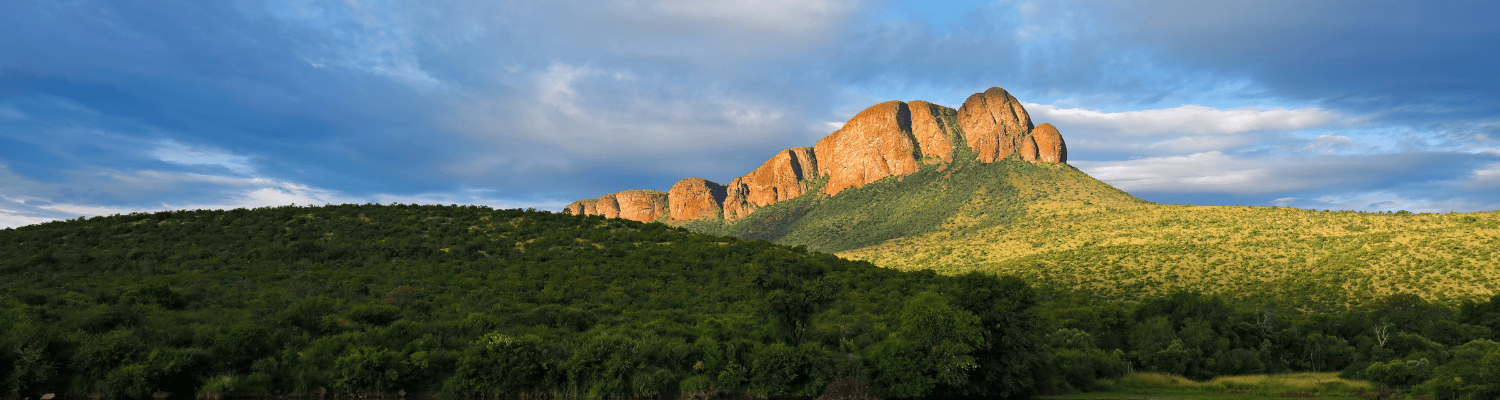
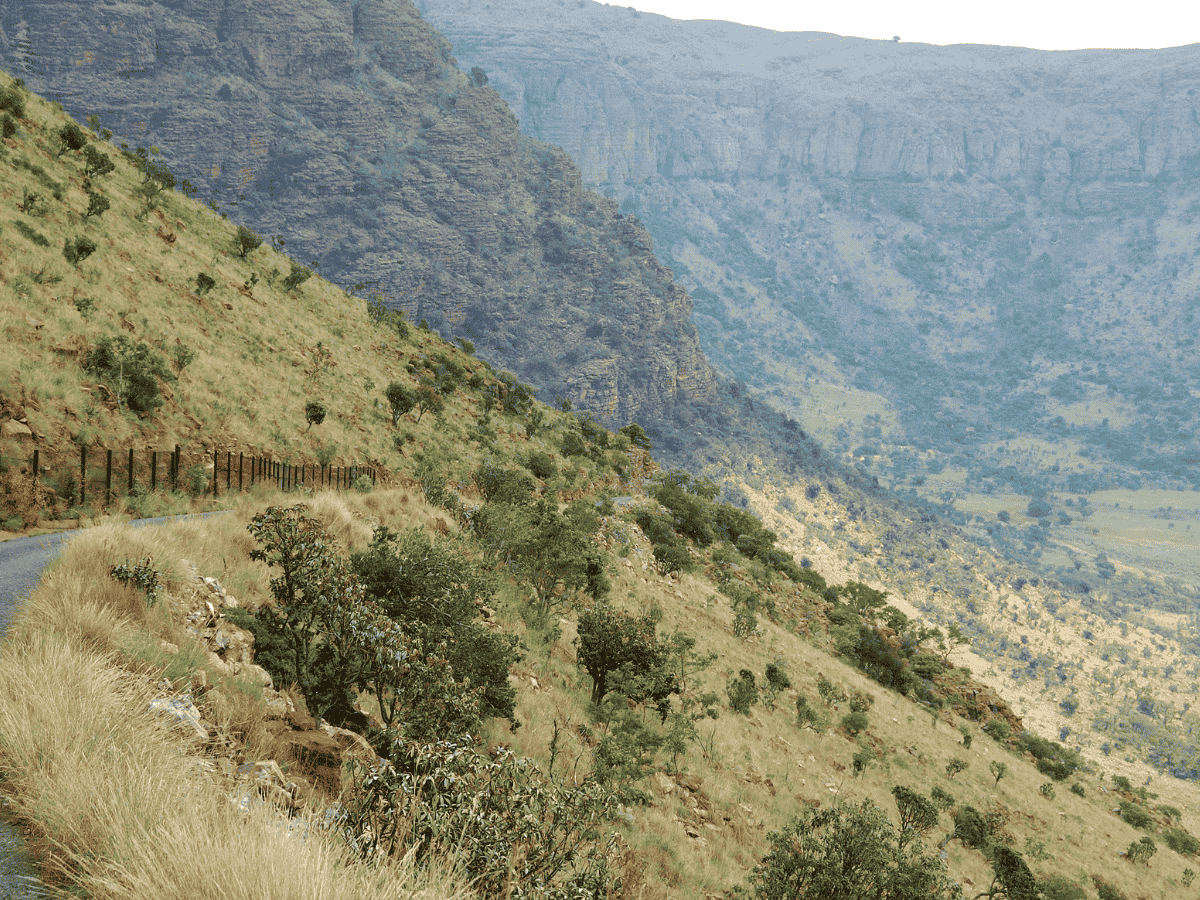
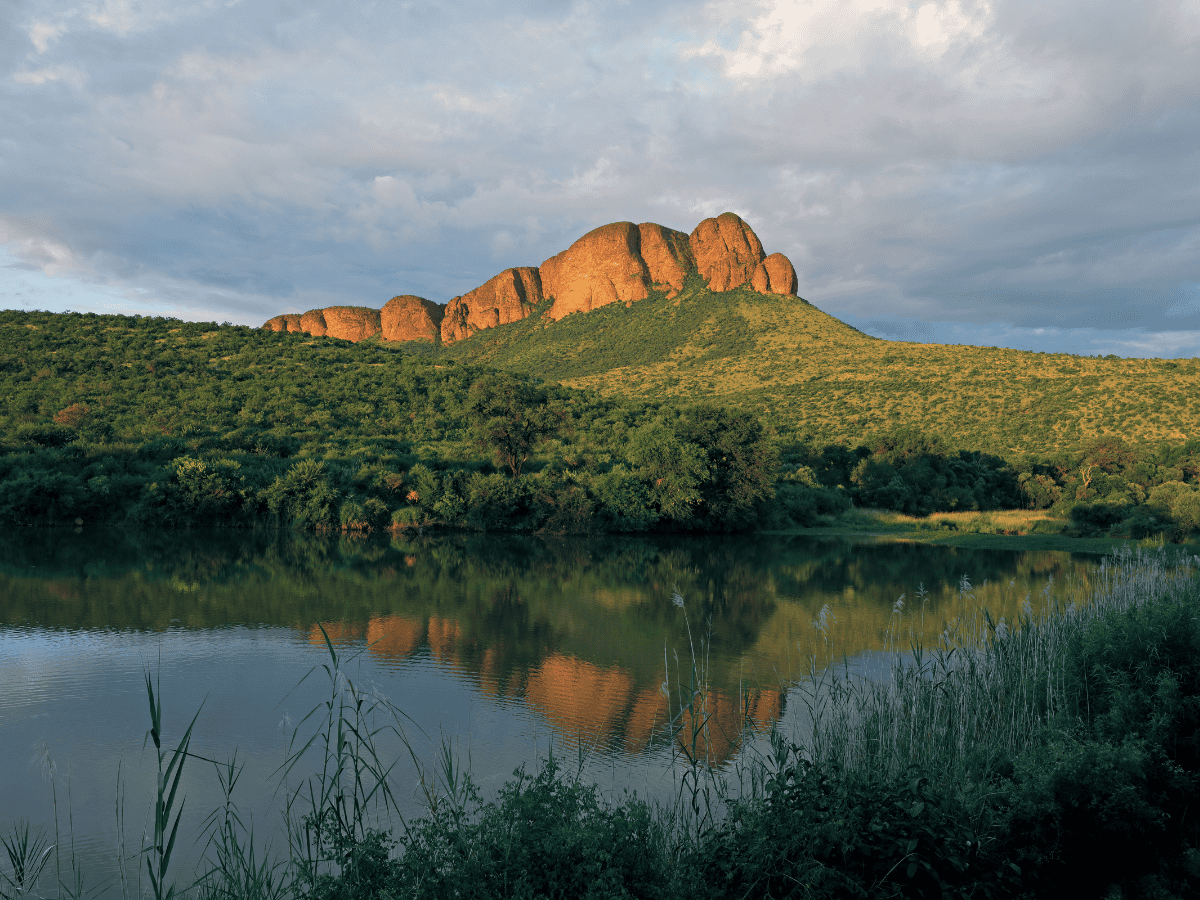
The Waterberg Safari Region lies in northern South Africa and is known for its dramatic sandstone mountains, bushveld plains, and malaria-free safari reserves. The area is best recognised for private game reserves such as Welgevonden and Marataba, where conservation-focused tourism supports healthy wildlife populations, including the Big Five. Landscapes range from wooded valleys and rocky plateaus to open grasslands that attract a variety of mammals and birdlife. Wildlife viewing is generally relaxed and uncrowded, with many lodges offering guided game drives and bush walks. Travellers typically choose this region for its scenic terrain, accessible location from Johannesburg, and the opportunity to enjoy a quieter safari experience in a malaria-free environment.


Gallery
Summary
Summary
Why Visit
The Waterberg Safari Region offers a scenic and relatively peaceful safari experience in northern South Africa. Travellers visit for its dramatic sandstone mountains, bushveld landscapes, and well-managed private reserves. The region combines wildlife viewing with conservation areas and quiet wilderness settings. Compared with some larger safari regions, Waterberg feels less crowded and is often malaria-free. Its proximity to Johannesburg also makes it a convenient destination for shorter safaris or travellers looking for a relaxed introduction to wildlife viewing.
Pros & Cons
⊕ Malaria-free safari destination suitable for families
⊕ Beautiful mountain landscapes and varied bushveld scenery
⊕ Easily accessible from Johannesburg by road
⊕ Several private reserves offering guided safari experiences
⊕ Often quieter than some of South Africa’s busier safari regions
⊖ Wildlife density can be lower than in larger ecosystems like Kruger
⊖ Many reserves are fenced, limiting natural wildlife movement
⊖ Fewer large national parks compared to other safari regions
Highlights
The Waterberg Safari Region is known for its rugged sandstone mountains, rolling hills, and vast bushveld valleys. Much of the region forms part of the Waterberg Biosphere Reserve, a UNESCO-recognised conservation landscape. Private reserves such as Welgevonden Game Reserve, Marataba Private Game Reserve, and Entabeni Private Game Reserve offer guided safari experiences in dramatic scenery. The combination of wildlife, mountain landscapes, and quiet wilderness areas makes the region distinctive within South Africa.
› More About Highlights
Wildlife
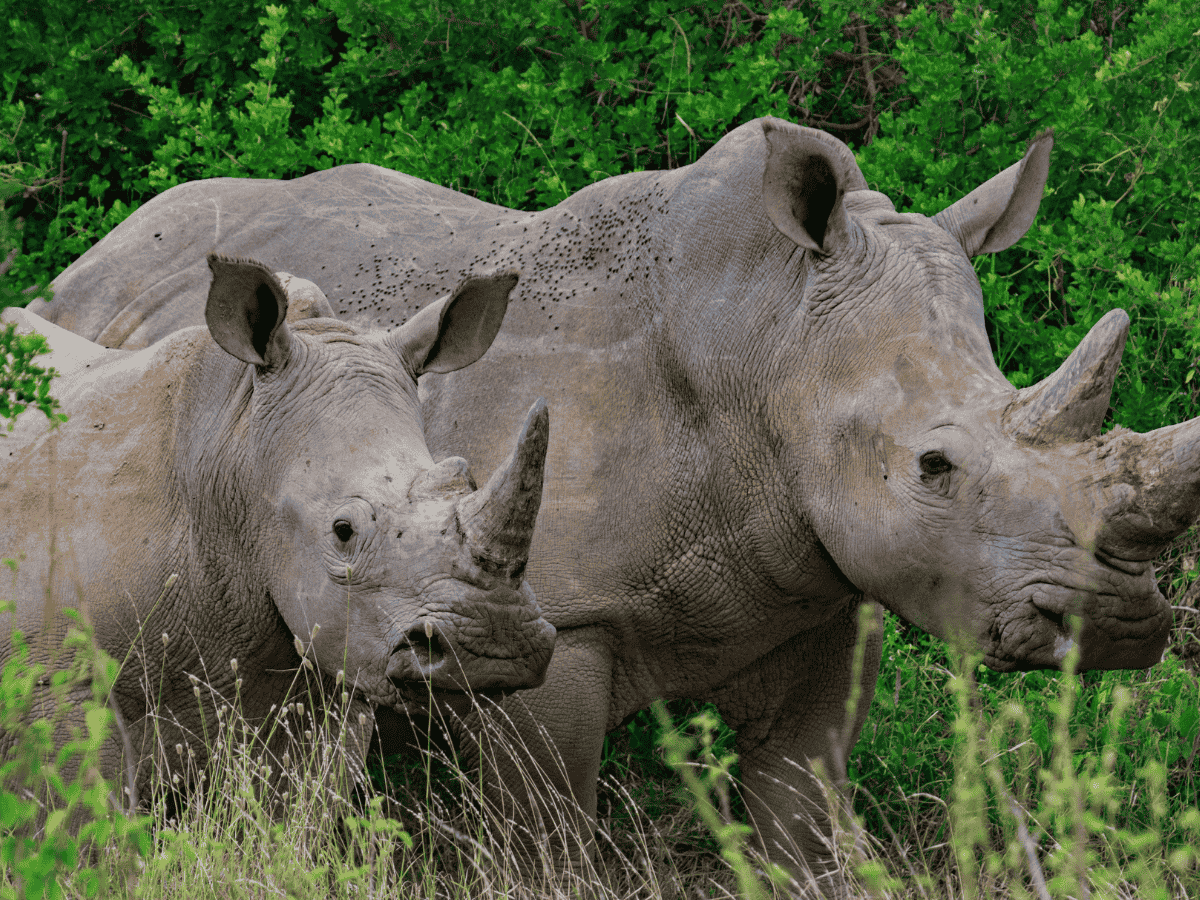
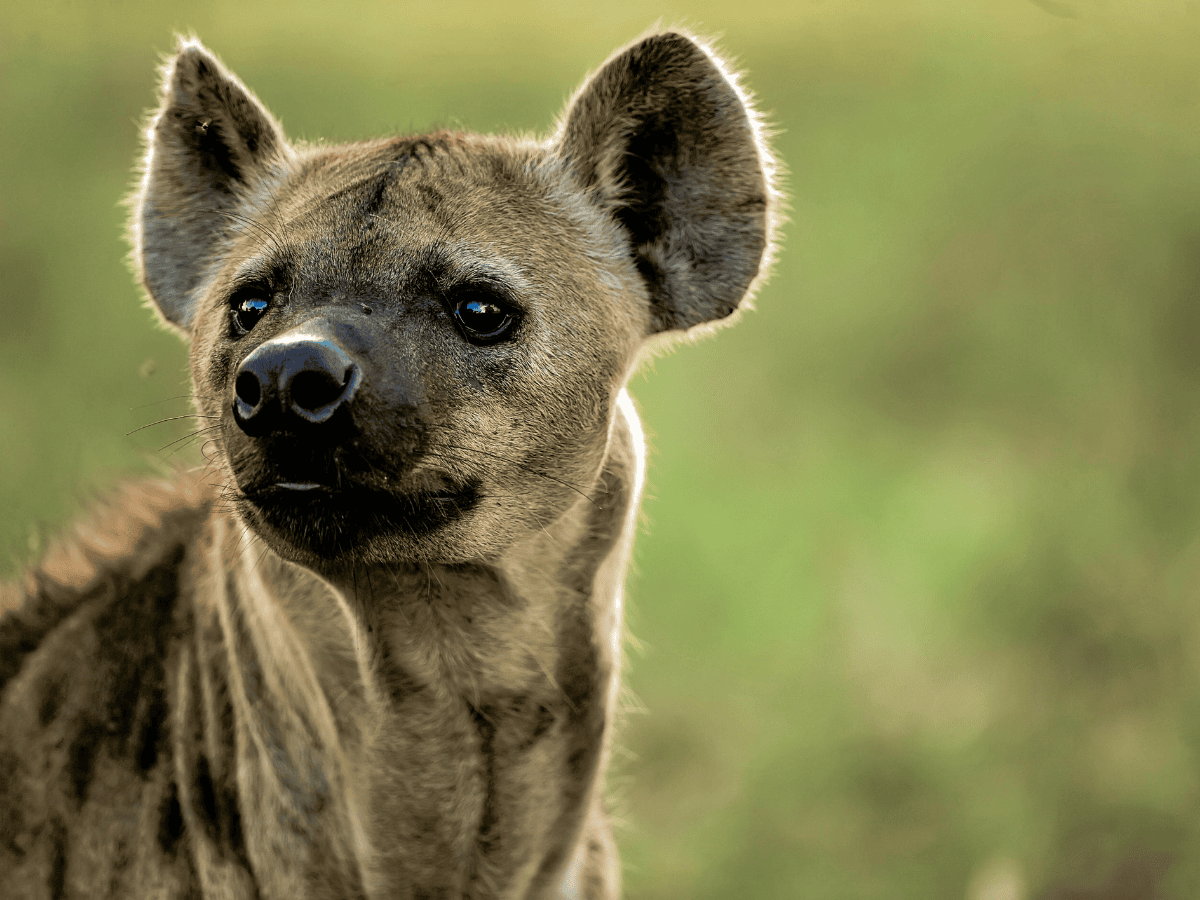
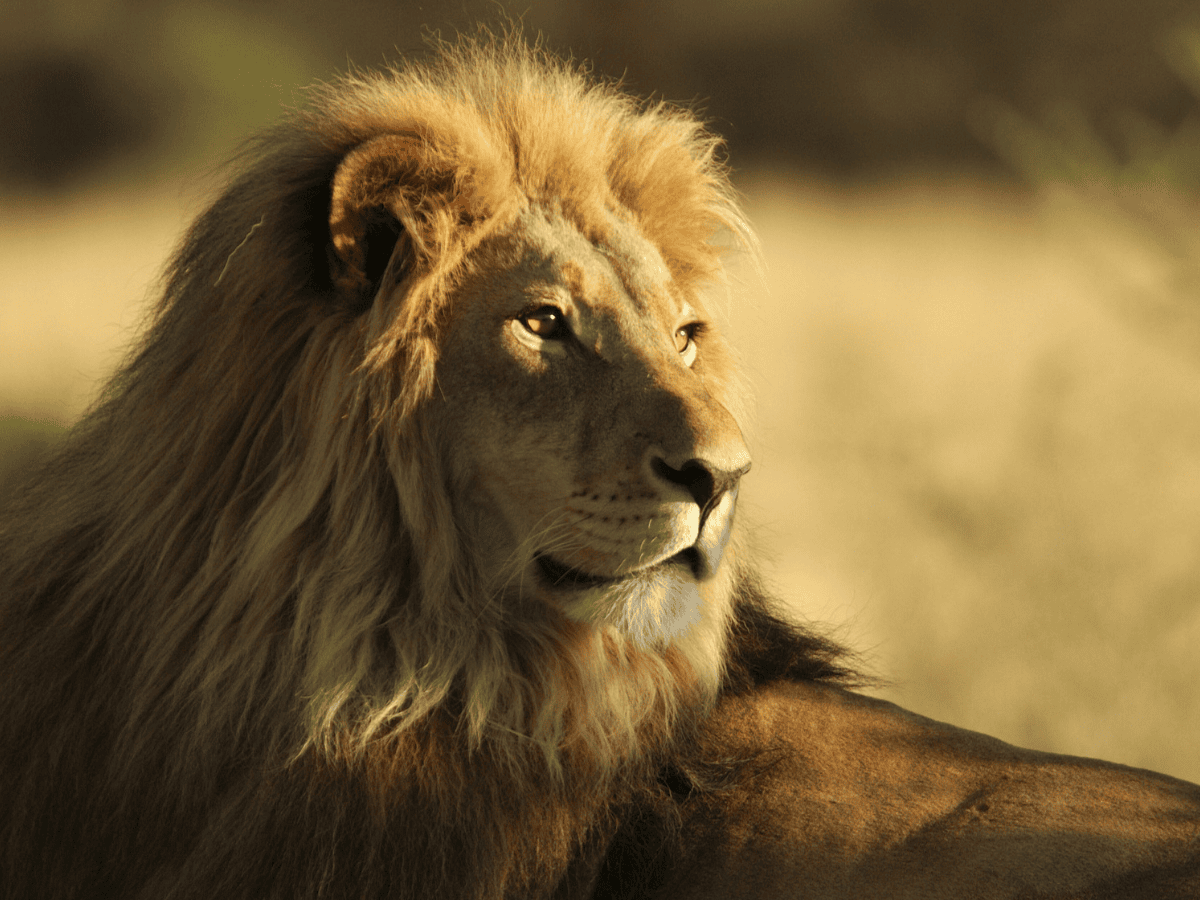
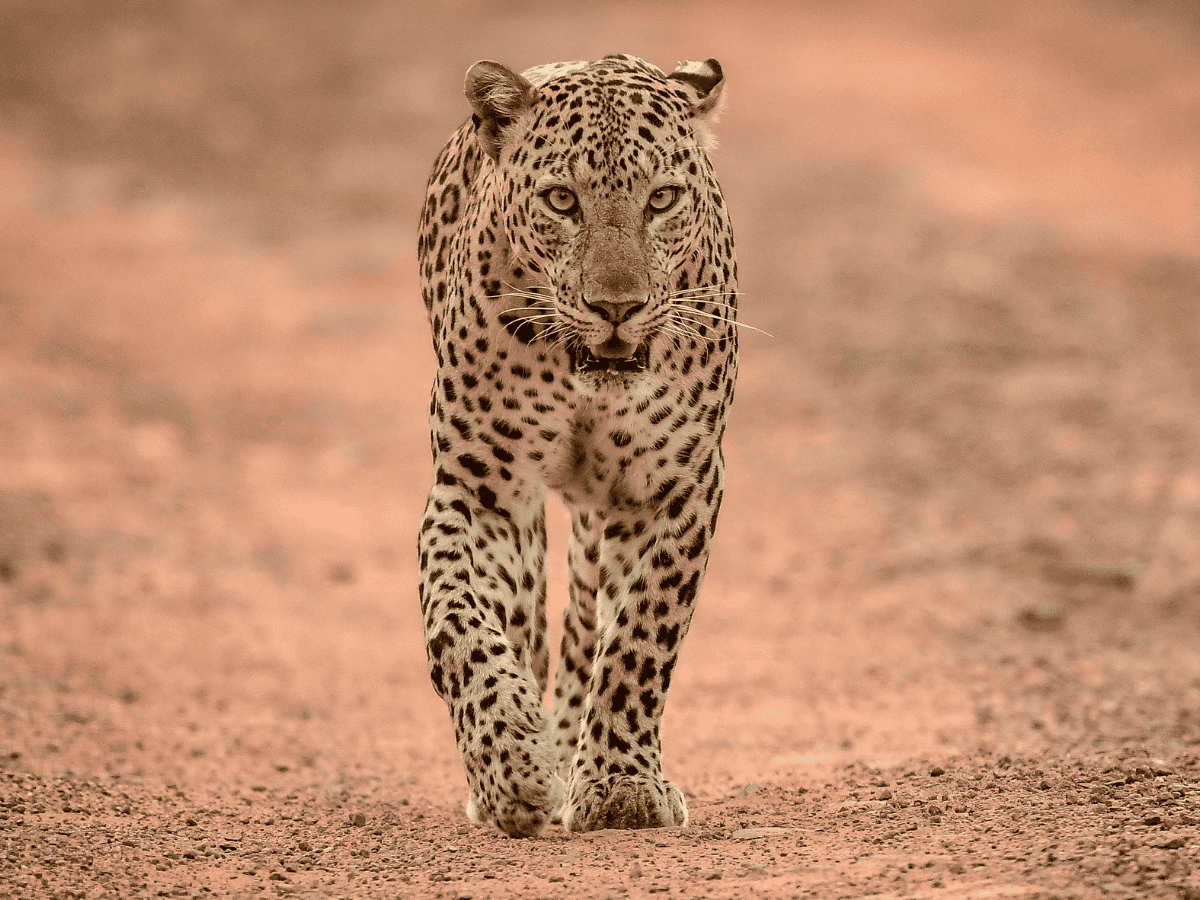
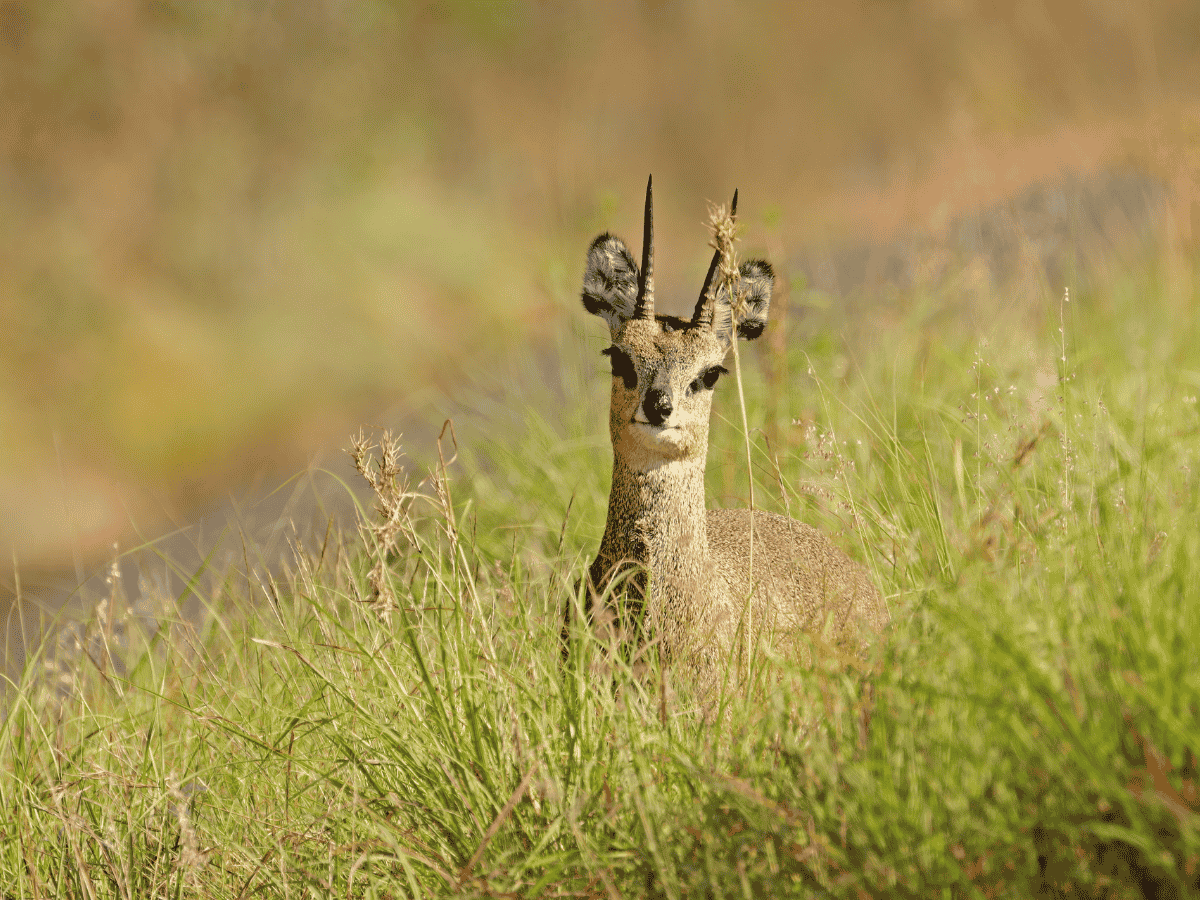
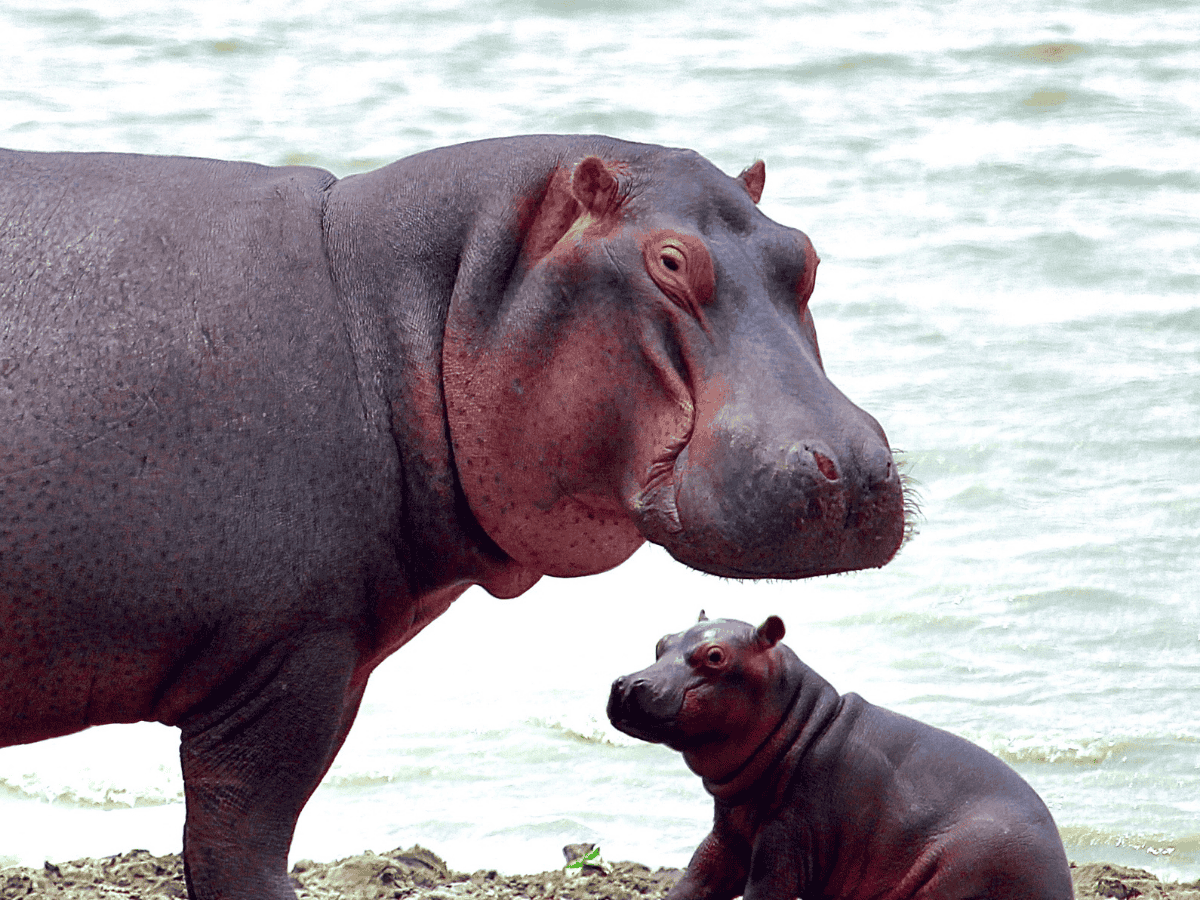
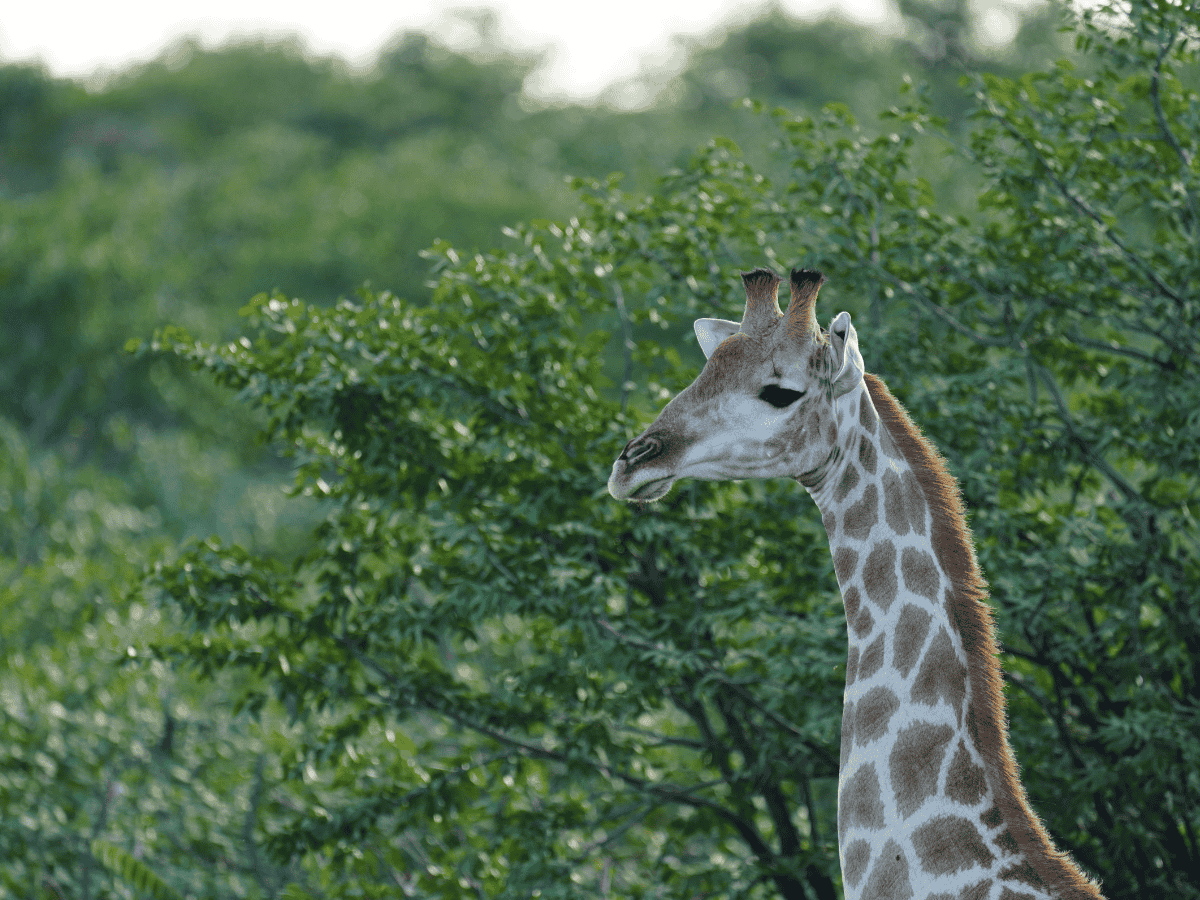
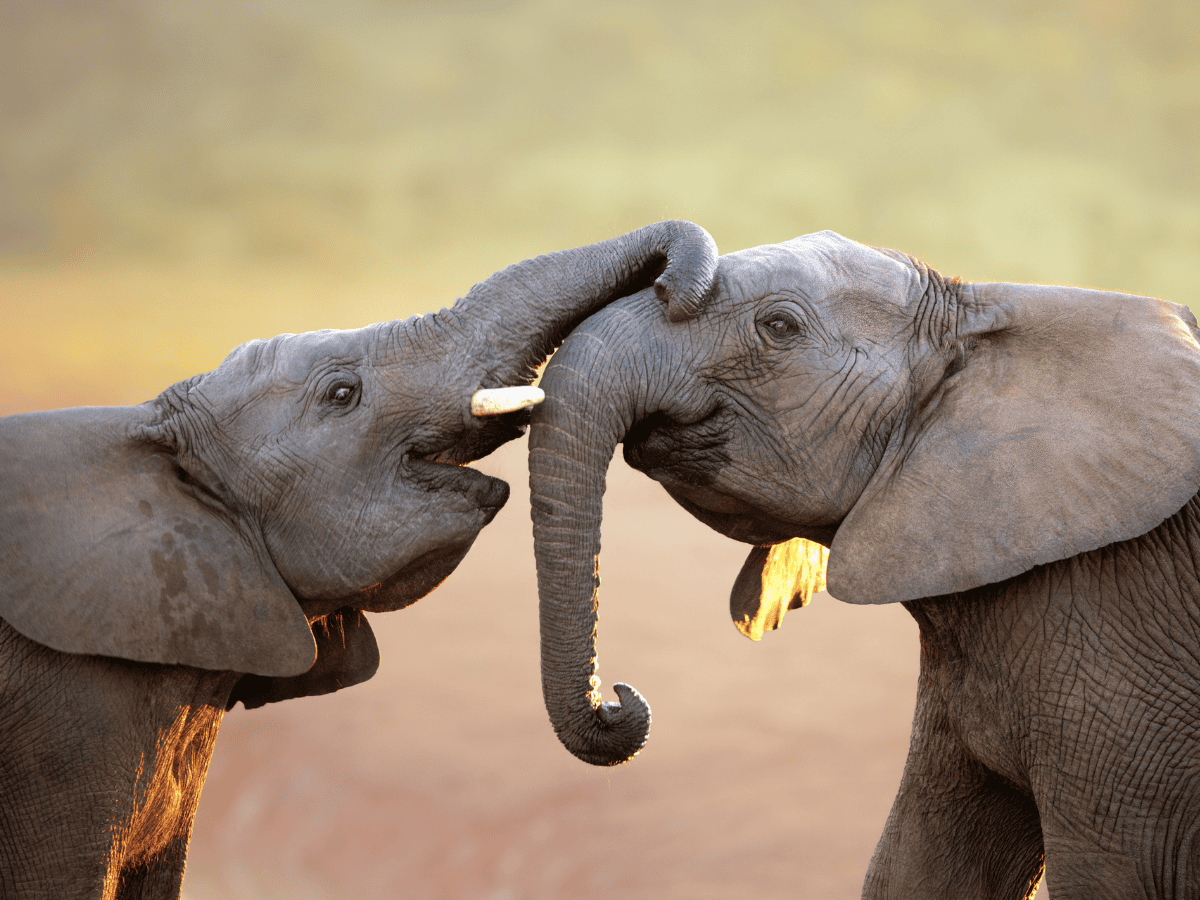
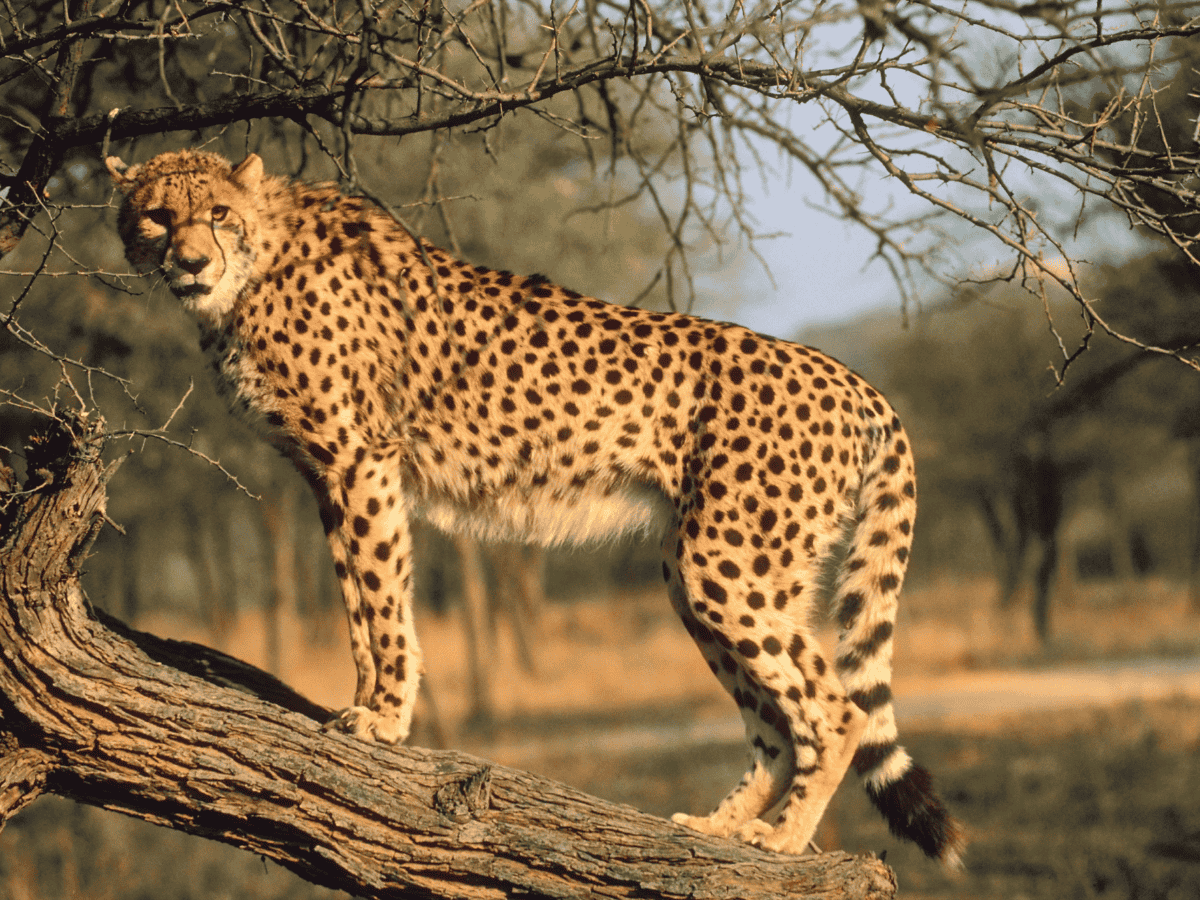
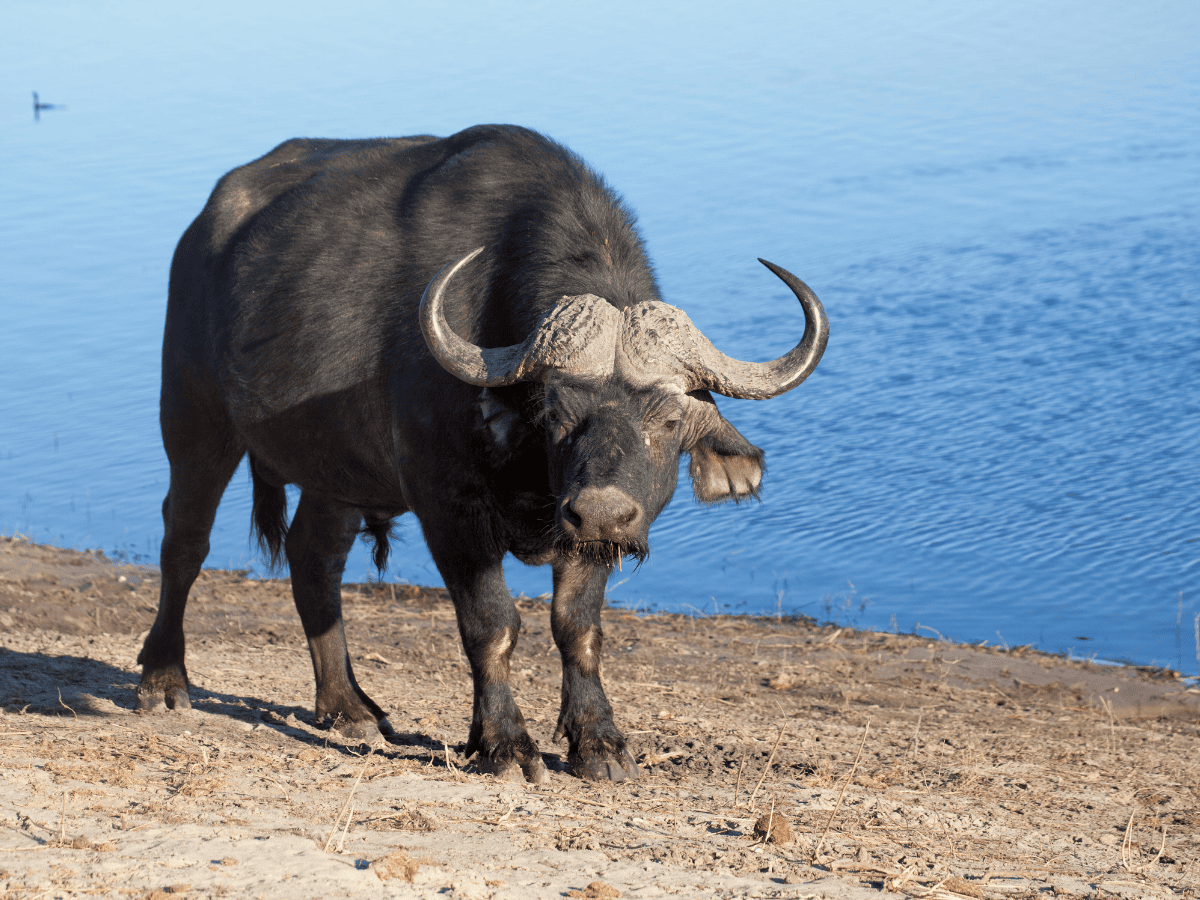
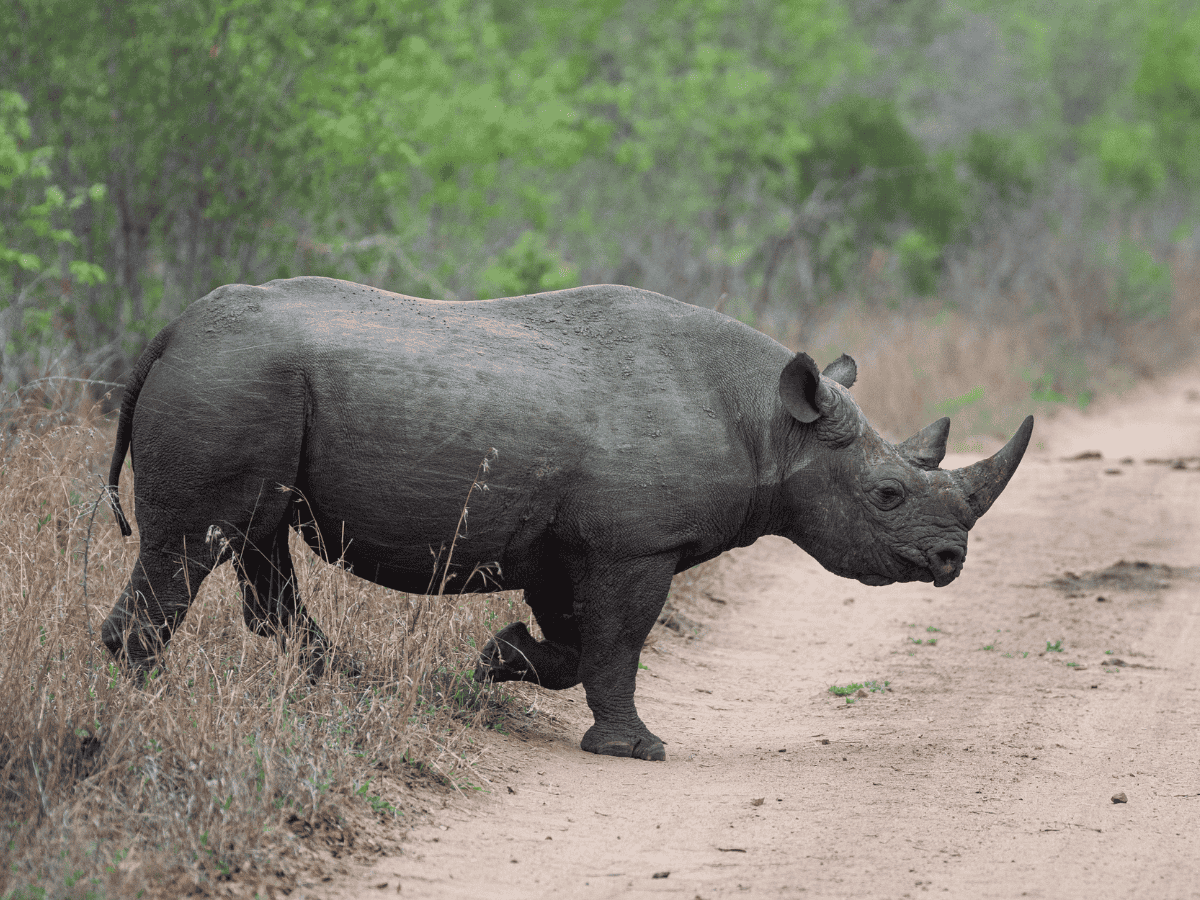
Wildlife viewing in the Waterberg Safari Region includes the Big Five in several reserves, particularly in Welgevonden and Marataba. Visitors may encounter lion, elephant, rhino, buffalo, and leopard, along with cheetah, hyena, giraffe, and numerous antelope species. Birdlife is also strong due to the region’s varied habitats of woodland, grassland, and mountain terrain.
› More About Wildlife
Parks & Reserves
Welgevonden Game Reserve is one of the region’s most established safari destinations and offers guided game drives in a large protected landscape. Marataba Private Game Reserve, located near Marakele National Park, combines wildlife viewing with striking mountain scenery. Entabeni Private Game Reserve is another notable reserve offering diverse habitats and scenic views across the Waterberg mountains.
› More About Parks & Reserves
Best Time To Visit
Wildlife viewing is generally best during the dry winter months from May to September when vegetation is thinner and animals gather around water sources. Summer from October to April brings warmer temperatures and seasonal rainfall. The landscape becomes greener and birdlife increases, although wildlife can be slightly harder to spot due to thicker vegetation.
› Explore Best Time To Visit
Access & Getting There
The Waterberg Safari Region is typically reached by road from Johannesburg, with most reserves located a few hours’ drive north of the city. Some lodges offer charter flights into nearby airstrips. Good road access makes the region convenient for travellers combining safari with other destinations in South Africa.
› Explore Access & Getting There
Health & Safety
Most of the Waterberg Safari Region is malaria-free, making it suitable for families and travellers seeking lower health risks. Guided safari activities follow strict safety procedures, and visitors should always follow instructions from guides. Standard travel precautions are recommended when travelling through nearby towns and rural areas.
› Explore Health & Safety
Highlights
The Waterberg Safari Region is known for its rugged mountains, bushveld plateaus, and malaria-free safari reserves in South Africa’s Limpopo Province. The landscape is defined by sandstone cliffs, wooded valleys, and open savanna that support a wide range of wildlife. Marakele National Park lies at the heart of the region, while private reserves such as Welgevonden and Marataba offer guided safari experiences. The area combines scenic wilderness with conservation-focused tourism and is easily accessible from Johannesburg.
Marakele National Park
Marakele National Park lies within the dramatic Waterberg Mountains, where steep cliffs rise above wide bushveld valleys. The park supports elephants, large predators, and a growing range of wildlife reintroduced through conservation programs. Its elevated viewpoints provide sweeping views across the landscape, while the park’s remote setting and rugged terrain create a safari experience defined by scenery as much as wildlife.
› More About Marakele National Park
Welgevonden Private Game Reserve
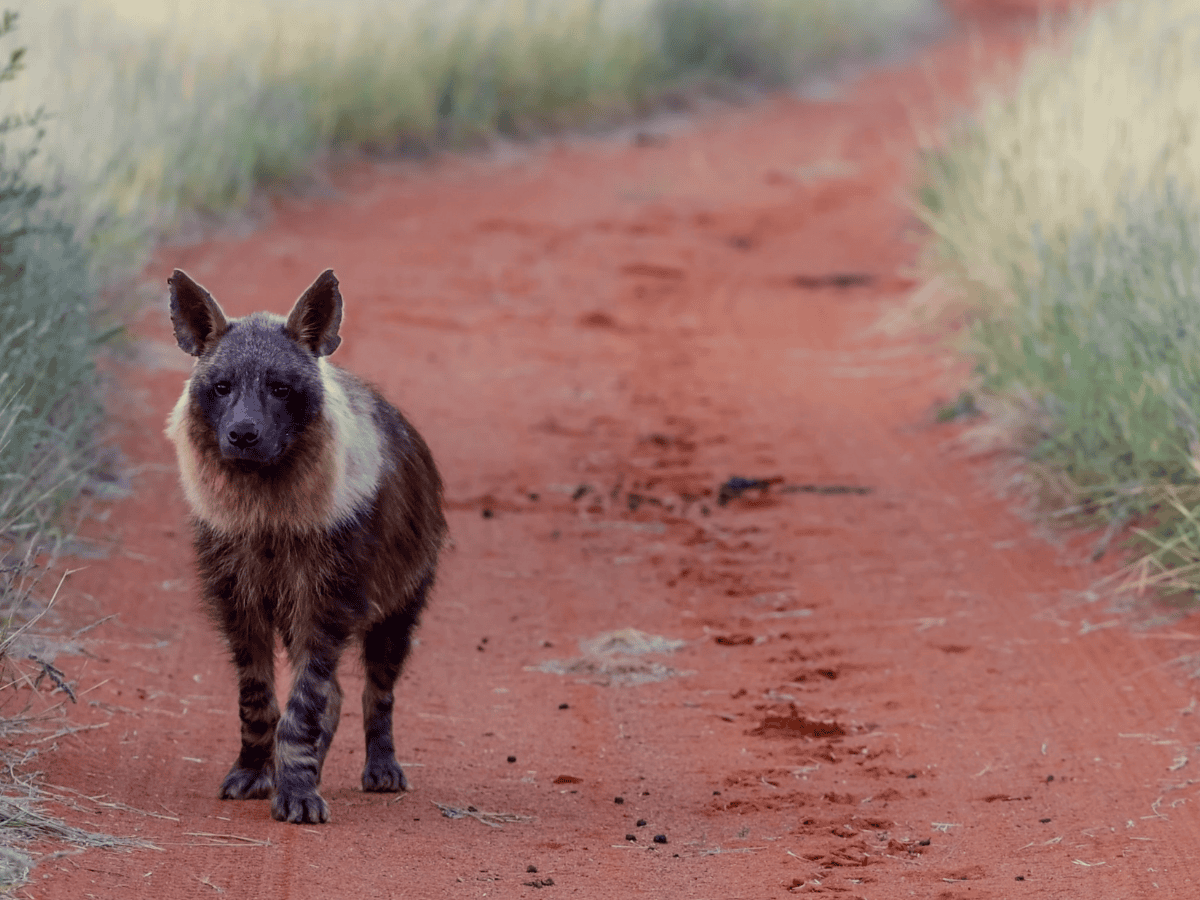
Welgevonden Private Game Reserve is one of the Waterberg Region’s leading safari destinations, known for its well-managed wildlife populations and exclusive lodge experiences. The reserve is home to the Big Five and a variety of other species, including cheetah and brown hyena. Guided game drives take place across rolling hills and wooded plains, offering strong wildlife sightings in a relatively quiet environment.
› More About Welgevonden Private Game Reserve
Marataba Private Game Reserve
Marataba Private Game Reserve forms part of the greater Marakele ecosystem but offers a more exclusive safari style through private lodges and guided activities. The reserve is particularly scenic, with the Waterberg Mountains rising above open plains and river systems. Visitors experience game drives, bush walks, and boat excursions while exploring a landscape shaped by both wildlife conservation and dramatic natural scenery.
› More About Marataba Private Game Reserve
Waterberg Mountains
The Waterberg Mountains dominate the region with broad plateaus, deep valleys, and red sandstone cliffs. This ancient landscape supports diverse habitats including savanna, woodland, and riverine vegetation. Travellers visiting the region encounter a combination of scenic drives, hiking routes, and wildlife reserves, making the mountains one of the defining geographical features of northern South Africa.
› More About Waterberg Mountains
Malaria-Free Safari Destination
The Waterberg Safari Region is widely known as a malaria-free alternative to many of southern Africa’s major safari areas. This makes the region particularly attractive for families, first-time safari travellers, and visitors with limited travel time. Easy road access from Johannesburg and well-developed private reserves allow travellers to experience classic African wildlife viewing without travelling far from major cities.
› More About Malaria-Free Safari Destination
Where To Go
The Waterberg Safari Region offers a malaria-free safari destination set within the dramatic landscapes of the Waterberg Biosphere Reserve. Travellers can explore a mix of national parks and private reserves spread across rugged mountains, plateaus, and valleys. These areas are known for scenic wilderness, conservation-focused tourism, and well-managed private reserves offering lodge-based safaris. The region is especially appealing for travellers seeking accessible Big Five wildlife viewing combined with striking landscapes and a quieter safari experience.
Top Rated Parks & Reserves
| Top Rated Parks & Reserves in this Region |
| 🥇 Welgevonden Private Game Reserve 🥇 Marataba Private Game Reserve 🥈 Marakele National Park 🥈 Entabeni Private Game Reserve |
🥇 Flagship Parks & Reserves - the top-rated parks & reserves in this region.
🥈 Complementary Parks & Reserves - a strong addition to your safari itinerary
All Parks & Reserves
Marakele National Park (Waterberg Region)
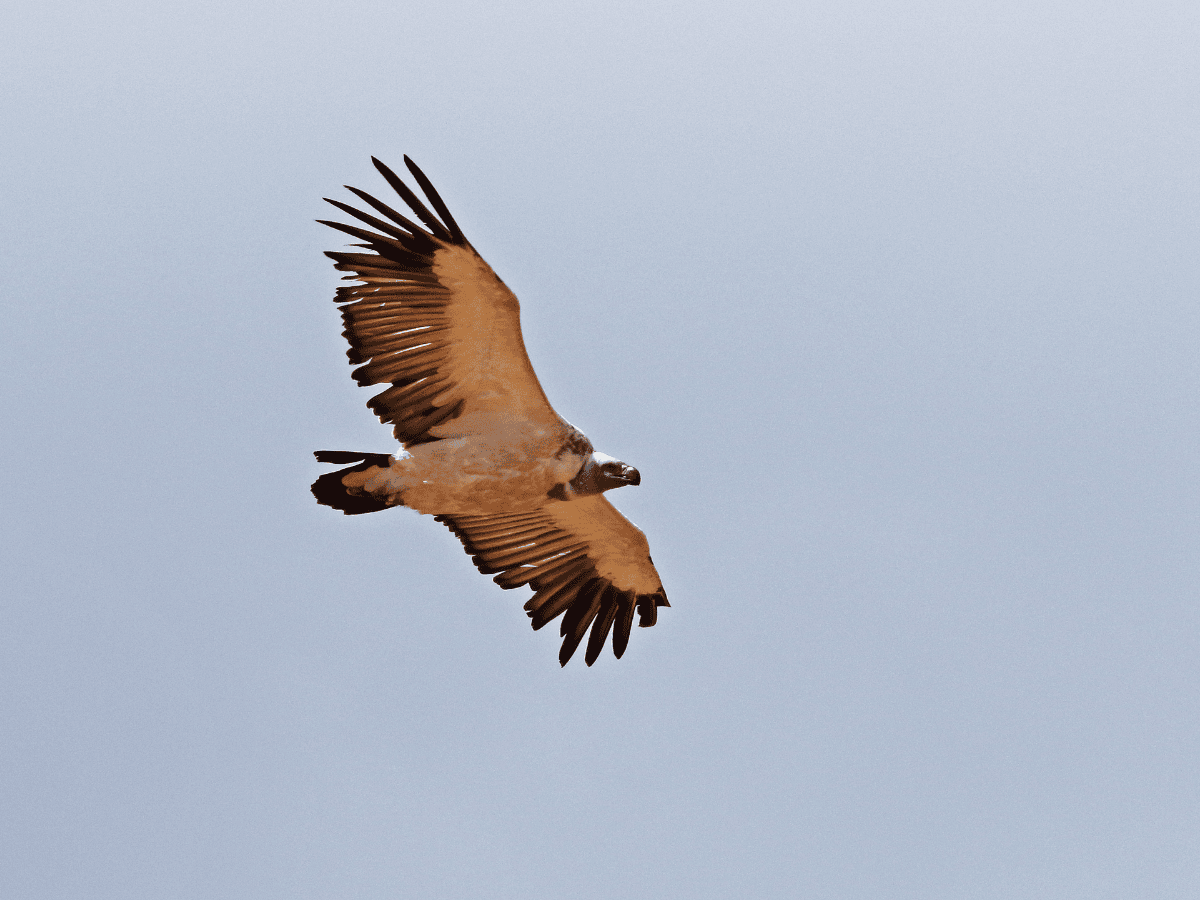
› A mountainous park within the Waterberg Biosphere known for dramatic cliffs, varied habitats, and one of the world’s largest breeding colonies of Cape vultures.
🥇 Marataba Private Game Reserve (Waterberg Safari Region)
› A scenic reserve beneath the Waterberg mountains known for dramatic landscapes, Big Five wildlife, and luxury safari lodges.
🥇 Welgevonden Private Game Reserve (Waterberg Safari Region)
› A malaria-free private reserve known for rugged landscapes, luxury safari lodges, and strong Big Five sightings within a protected conservation area.
Entabeni Private Game Reserve (Waterberg Safari Region)
› An intimate reserve known for contrasting plateaus and valleys supporting diverse ecosystems and varied wildlife sightings.
› View All Parks & Reserves
Wildlife
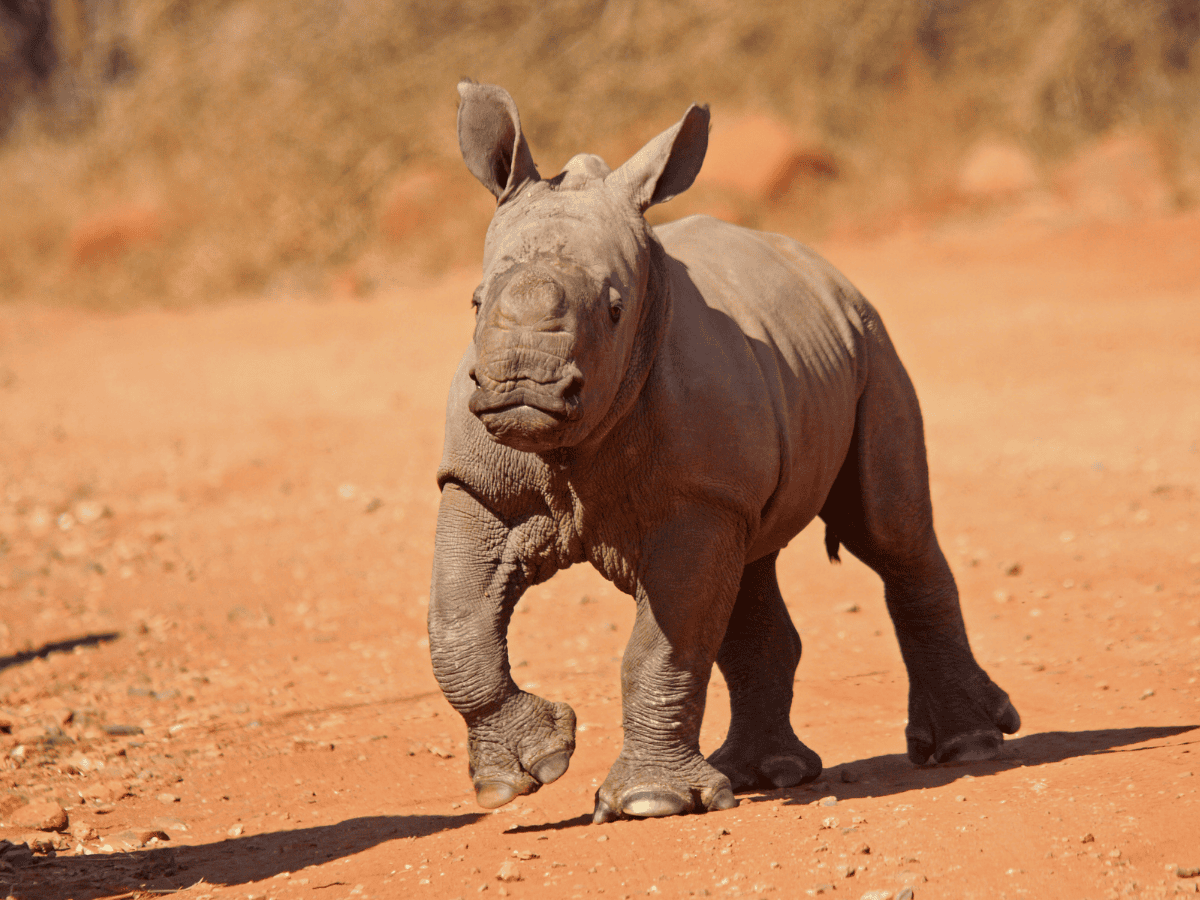
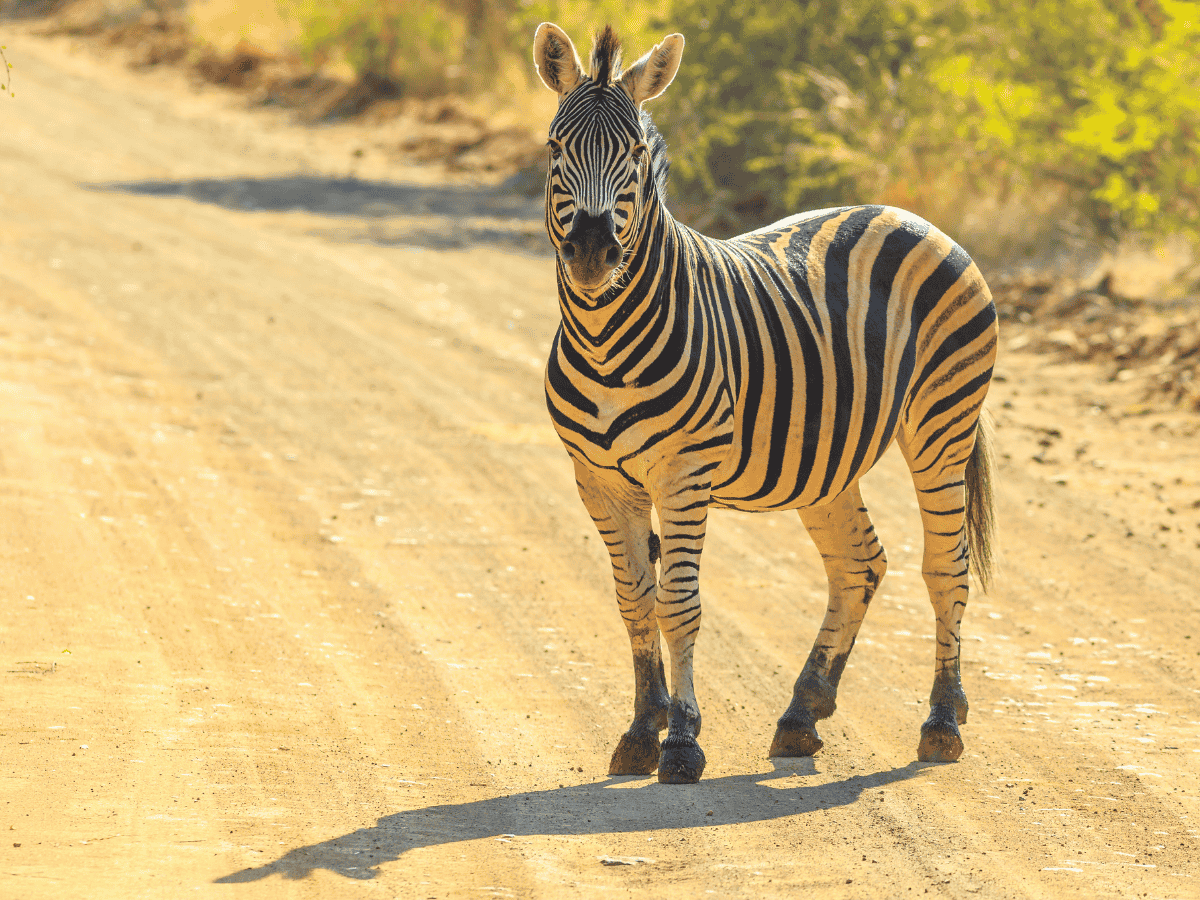
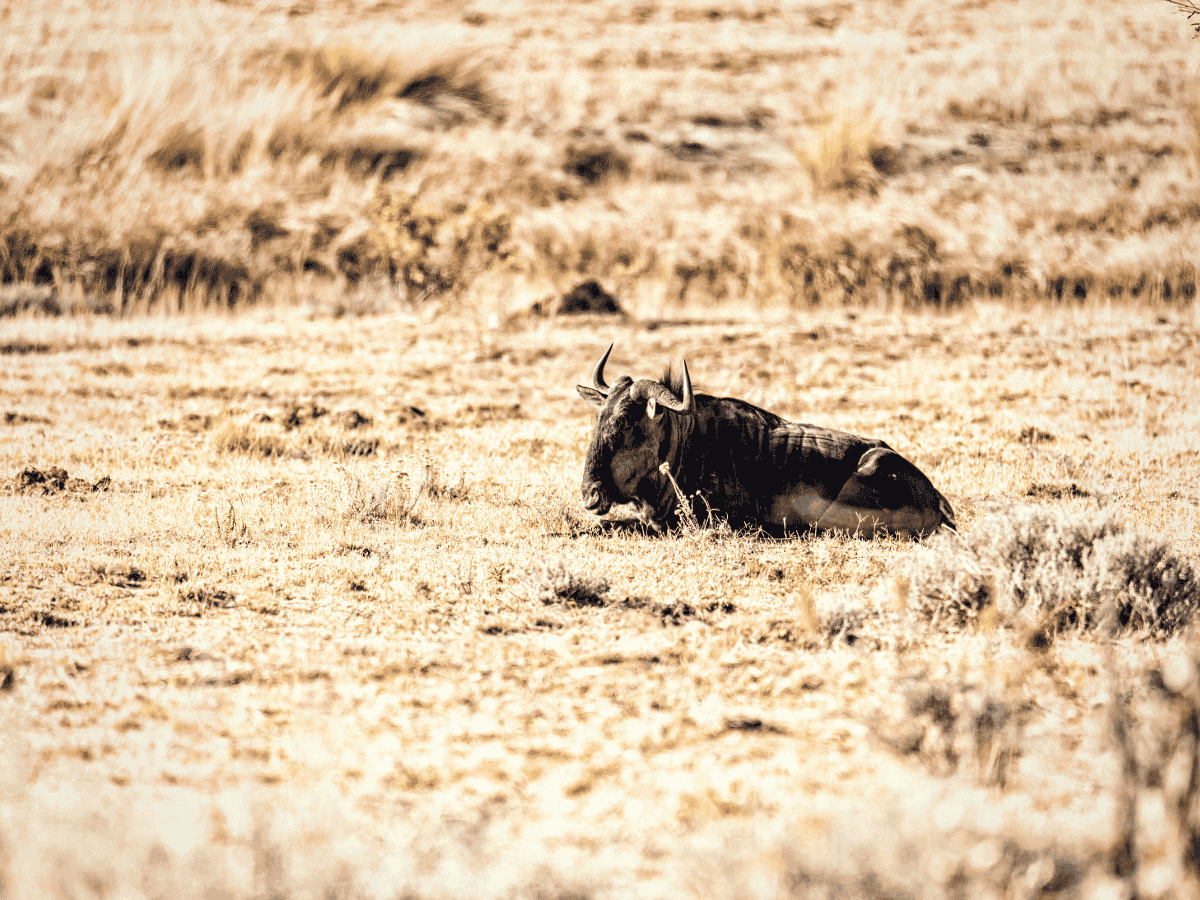
The Waterberg Safari Region offers diverse wildlife across mountainous terrain, bushveld, and open plains. Visitors regularly see elephant, rhino, buffalo, and giraffe, along with zebra and wildebeest. Well-managed reserves support stable predator populations, making sightings reliable in a scenic and less crowded safari environment.
Wildlife Highlights
Wildlife viewing is best from May to September during the dry season. Vegetation is sparse and animals gather around water sources, improving visibility. Summer months bring thicker bush and dispersed wildlife, but the region remains productive due to good game densities and well-managed habitats.
When To Go For Wildlife Viewing
Wildlife viewing is strong year-round, but best from May to September when cooler temperatures increase animal movement. Summer months from November to March can produce excellent sightings after rains, as animals gather around pans and riverbeds, although heat can limit activity during the day.
Wildlife Viewing By Month | ||
Jan | Feb | Mar |
Apr | May | Jun |
July | Aug | Sep |
Oct | Nov | Dec |
= Excellent = Good = Fair = Poor
Best Parks & Reserves For Wildlife Viewing
The Waterberg Safari Region’s best wildlife viewing is found in private reserves with controlled access and strong conservation focus. These areas offer reliable Big Five sightings, especially for rhino, along with consistent predator activity and varied terrain.
- 🥇 Welgevonden Private Game Reserve (Waterberg Safari Region)
› Known for excellent Big Five sightings and strong rhino populations in a well-managed reserve.
- Marataba Private Game Reserve (Waterberg Safari Region)
› A scenic reserve offering quality Big Five viewing with fewer vehicles and dramatic landscapes.
Entabeni Private Game Reserve (Waterberg Safari Region)
› Diverse habitats supporting good predator sightings and a wide range of plains game.
- Marakele National Park (Waterberg Region)
› Large, mountainous park known for elephant, buffalo, and wide-ranging wildlife.
› View All Parks & Reserves
Iconic Wildlife & Where To Find Them
Table showing the top parks and reserves where you will have the best chance at findig the wildlife you want to see:
🔵 Common in most parks; 🟢 Common in certain parks; 🟡 Occassional in some parks; 🔴 Rare in most parks; ⚫ Do not occur
Lion🔵 Common in most parks | Leopard🔴 Rare in most parks | Elephant🔵 Common in most parks |
🥇 Welgevonden Private Game Reserve
| 🥇 Welgevonden Private Game Reserve
| 🥇 Marakele National Park
|
Buffalo🔵 Common in most parks | White Rhino🔵 Common in most parks | Black Rhino🟡 Occassional in some parks |
🥇 Marakele National Park
| 🥇 Welgevonden Private Game Reserve
| 🥇 Welgevonden Private Game Reserve
|
Giraffe🔵 Common in most parks | Wild Dog🔴 Rare in most parks | Cheetah🟡 Occassional in some parks |
🥇 Welgevonden Private Game Reserve
| 🥇 Welgevonden Private Game Reserve
| 🥇 Marakele National Park
|
Spotted Hyena🔵 Common in most parks | Brown Hyena🔴 Rare in most parks | Hippo🟢 Common in certain parks |
🥇 Welgevonden Private Game Reserve
| 🥇 Welgevonden Private Game Reserve
| 🥇 Marataba Private Game Reserve
|
Zebra🔵 Common in most parks | Wildebeest🔵 Common in most parks | Meerkat⚫ Do not occur |
🥇 Welgevonden Private Game Reserve
| 🥇 Welgevonden Private Game Reserve
|
|
Other Notable Wildlife
Other notable wildlife found in this country
- Greater Kudu
Eland
Sable Antelope
Roan Antelope
Waterbuck
Nyala
Bushbuck
Impala
Springbok
Blesbok
Red Hartebeest
Tsessebe
Common Reedbuck
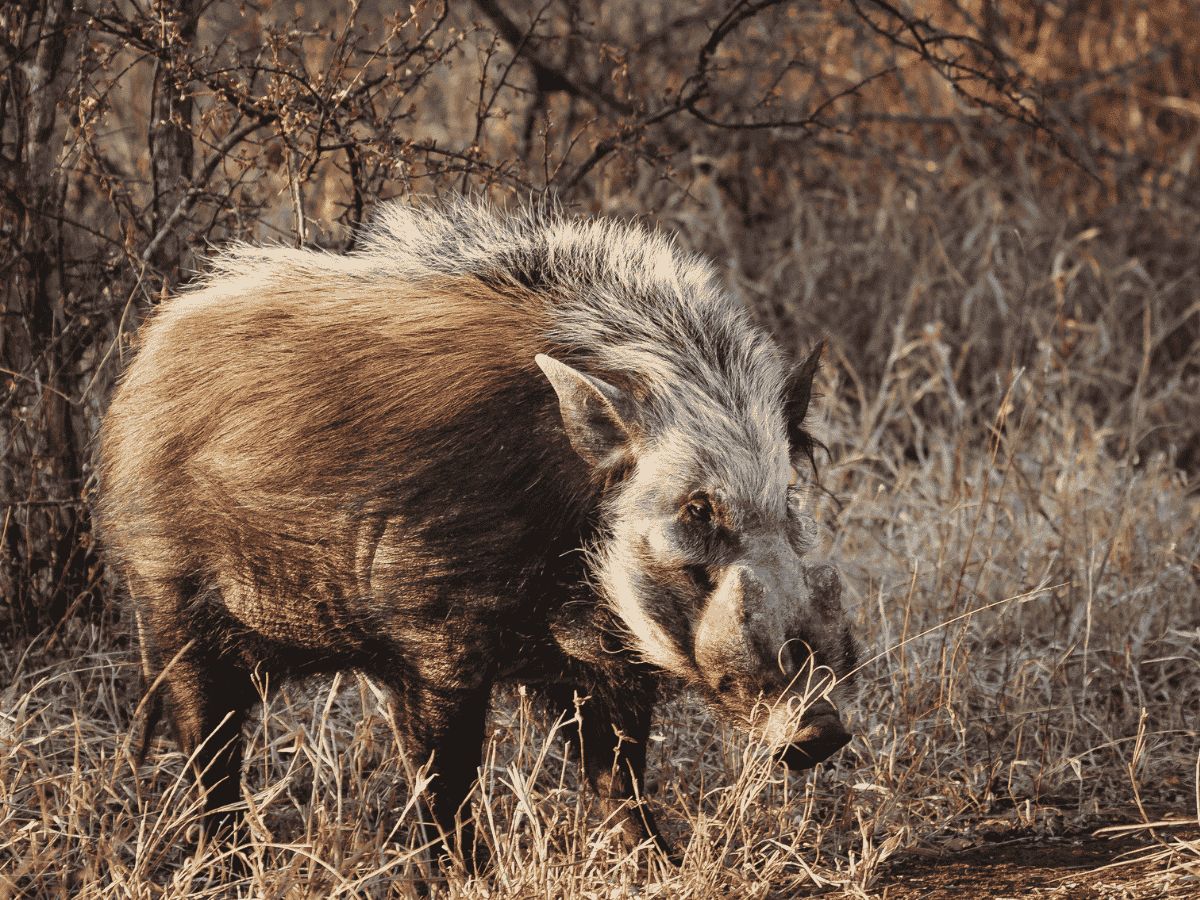
Warthog
Bushpig
Baboon
Vervet Monkey
Aardvark
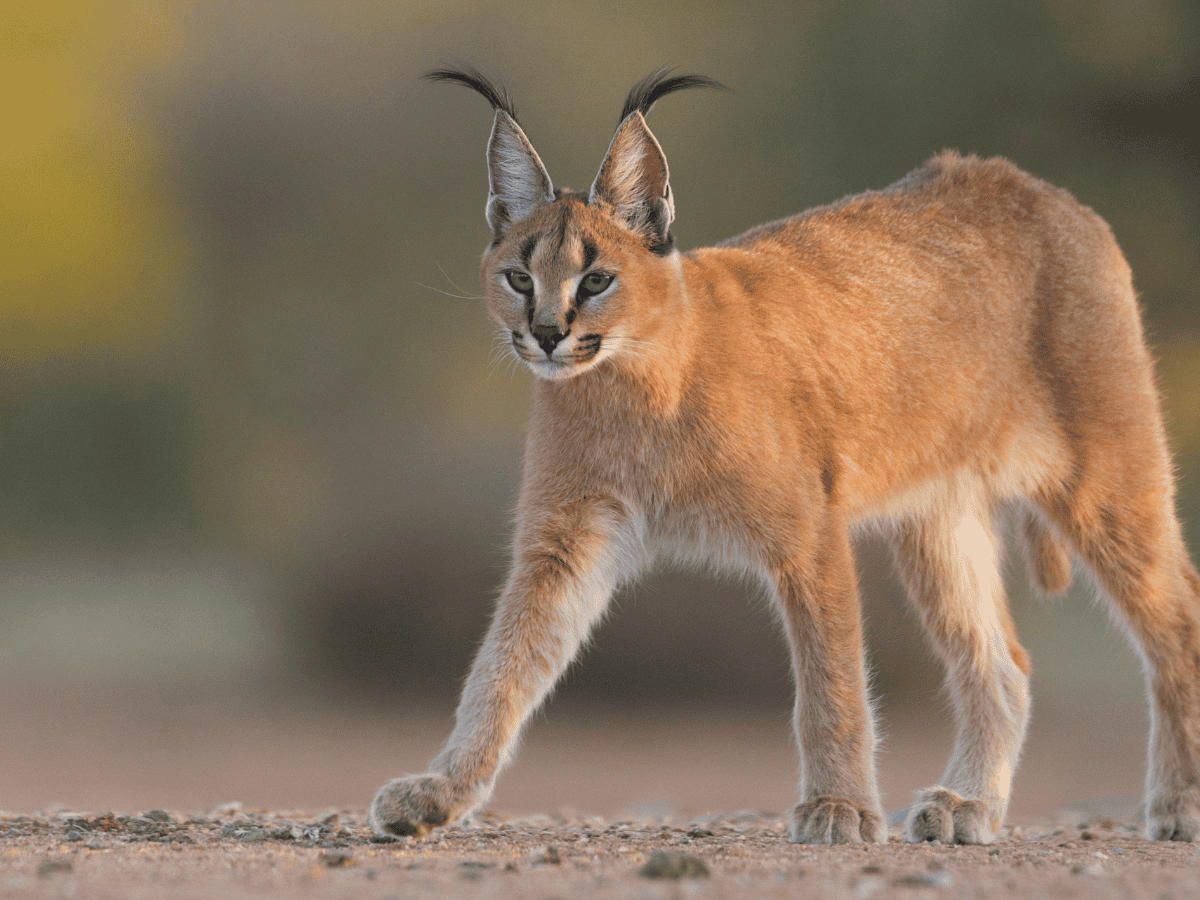
Caracal
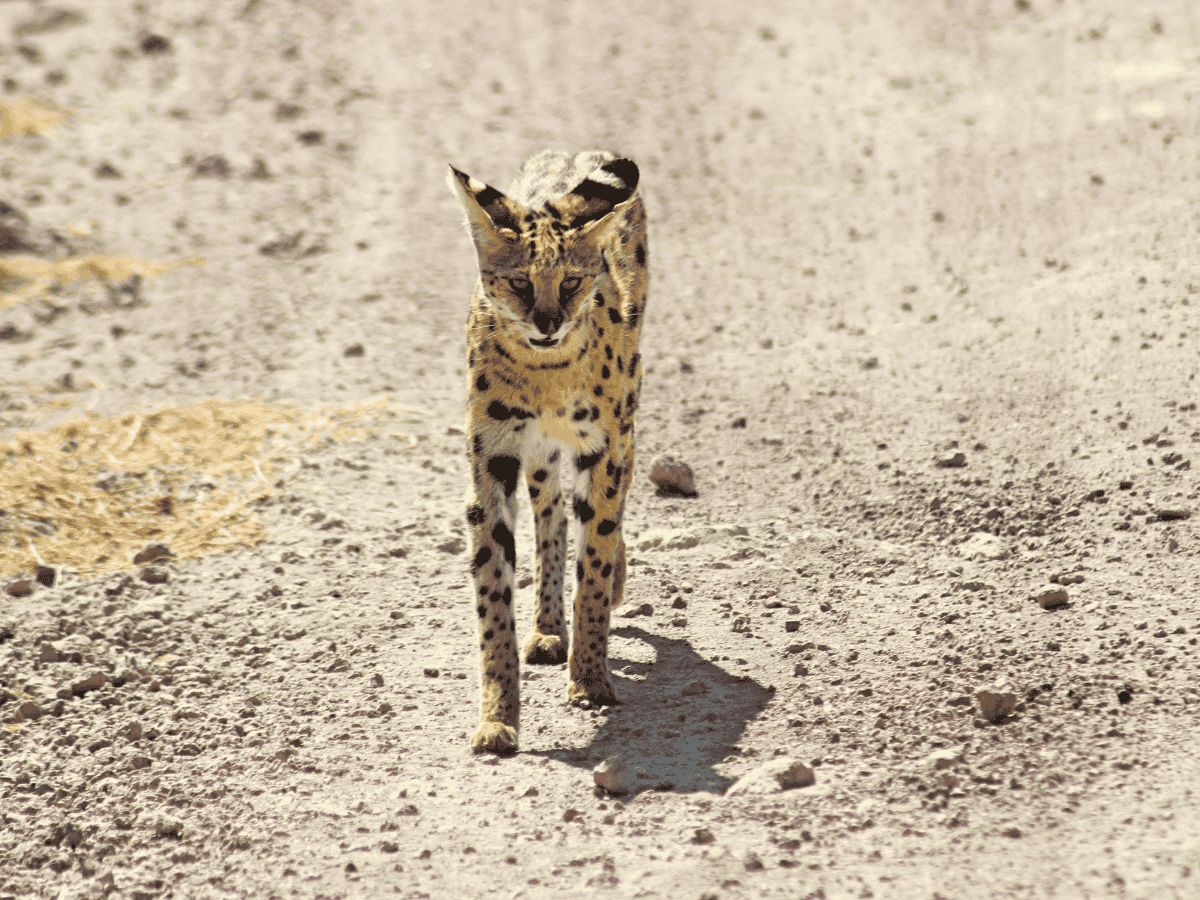
Serval
Honey Badger
African Civet
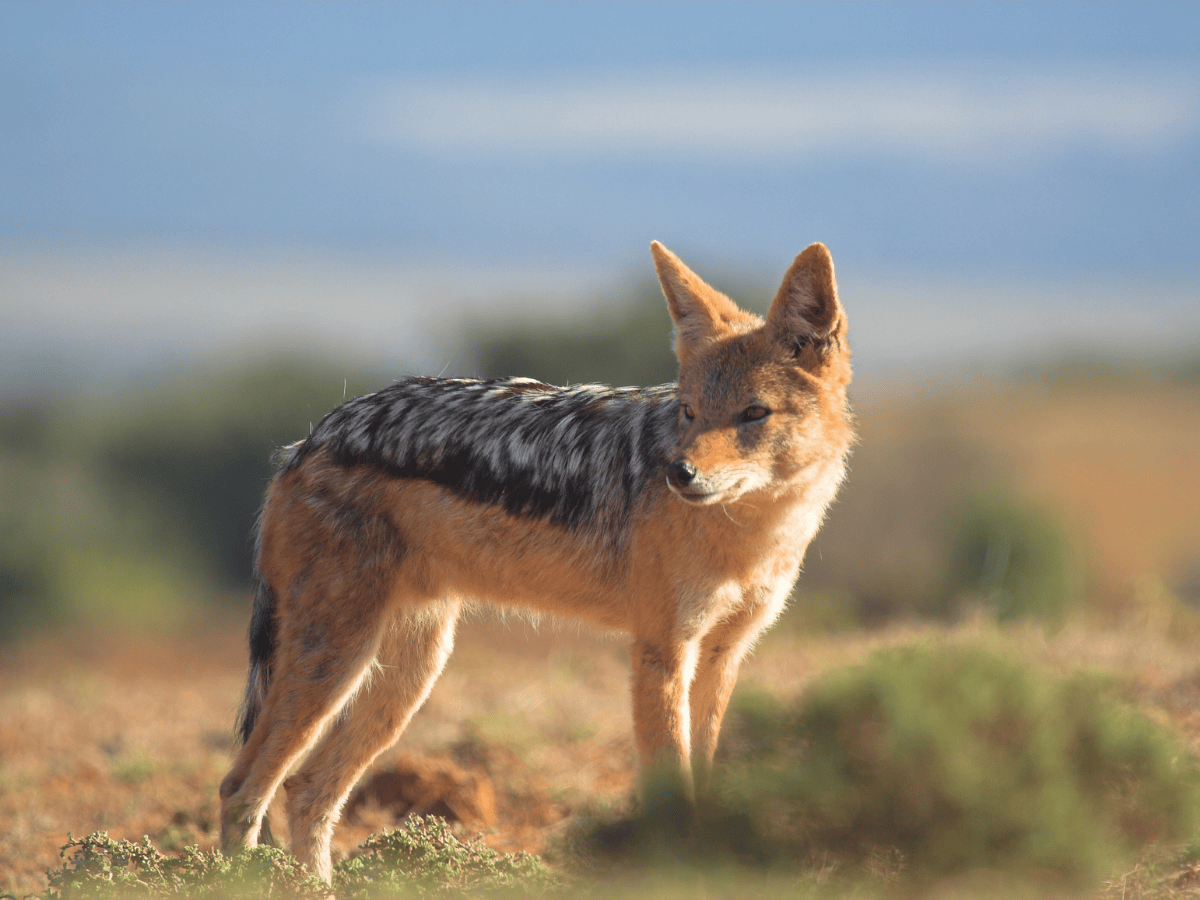
Black-backed Jackal
Side-striped Jackal
Birds
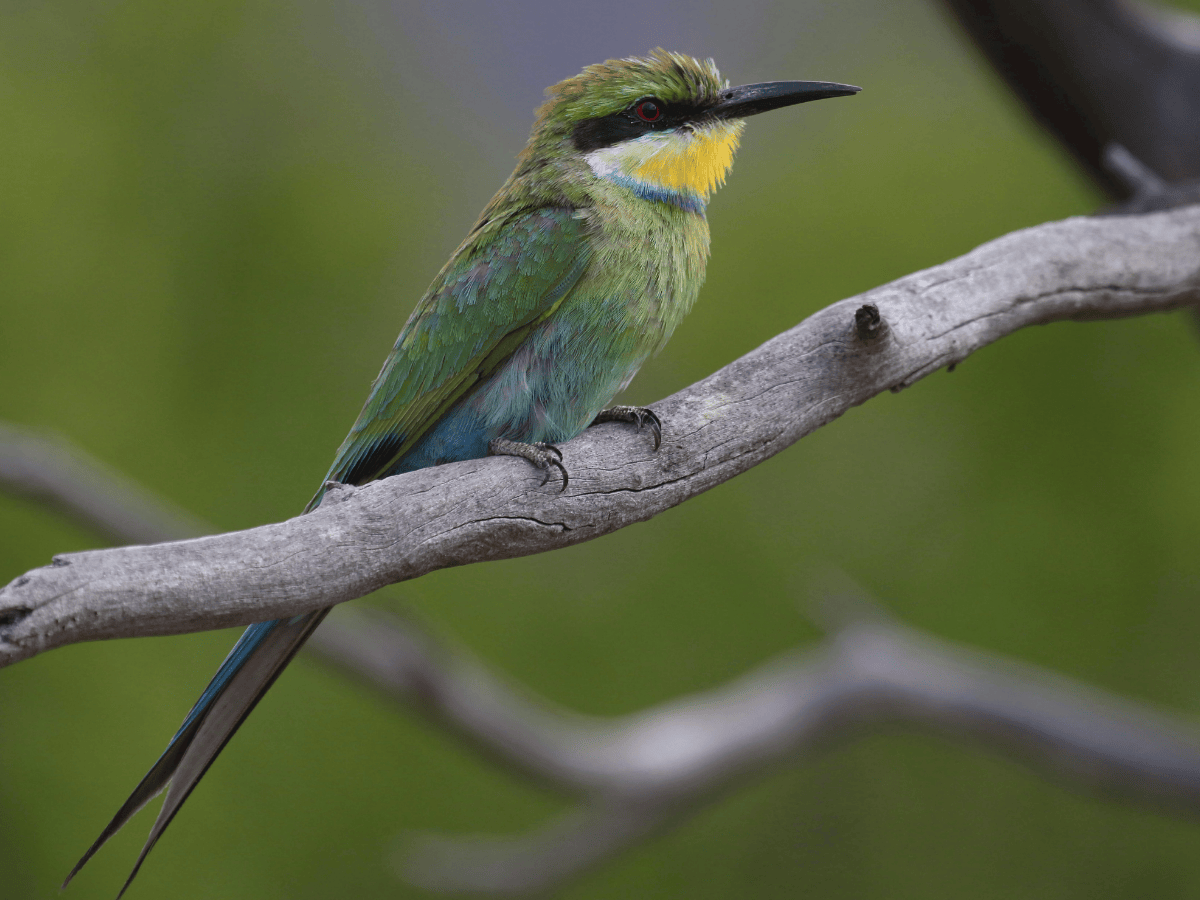
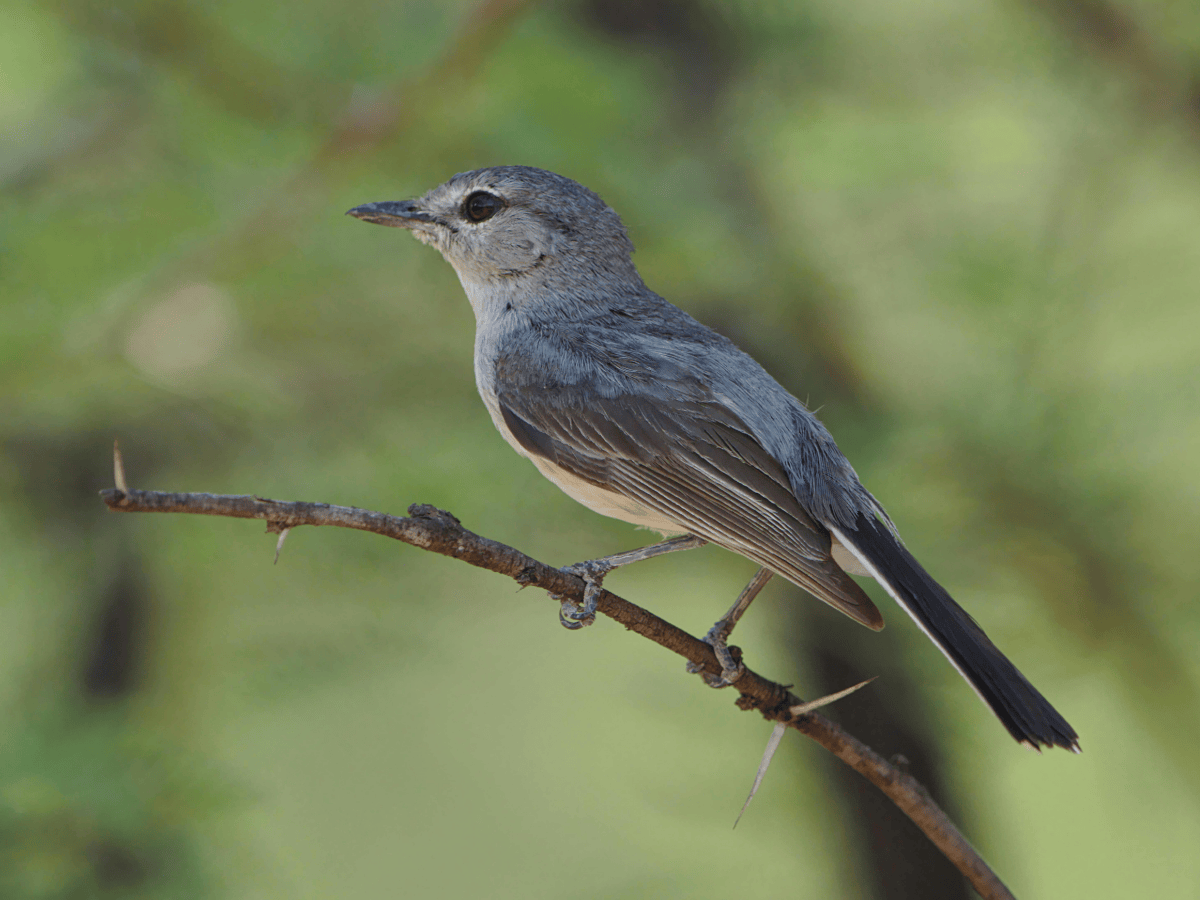
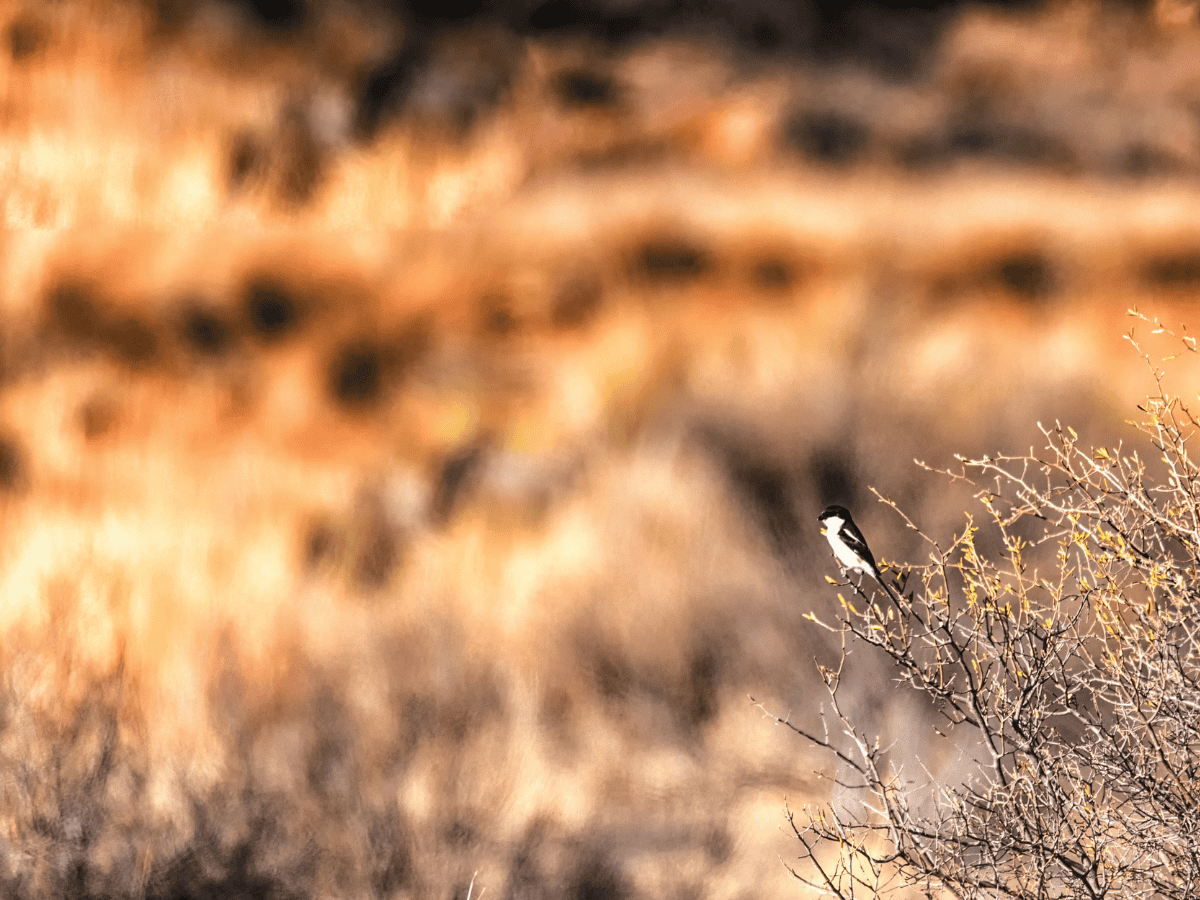
The Waterberg Safari Region offers diverse birding across mountains, cliffs, bushveld, and river valleys. This varied terrain supports a mix of woodland, savannah, and cliff-associated species. Bird diversity is strong, with the region particularly known for raptors and vultures, as well as a good range of general bushveld birds.
Birding Highlights
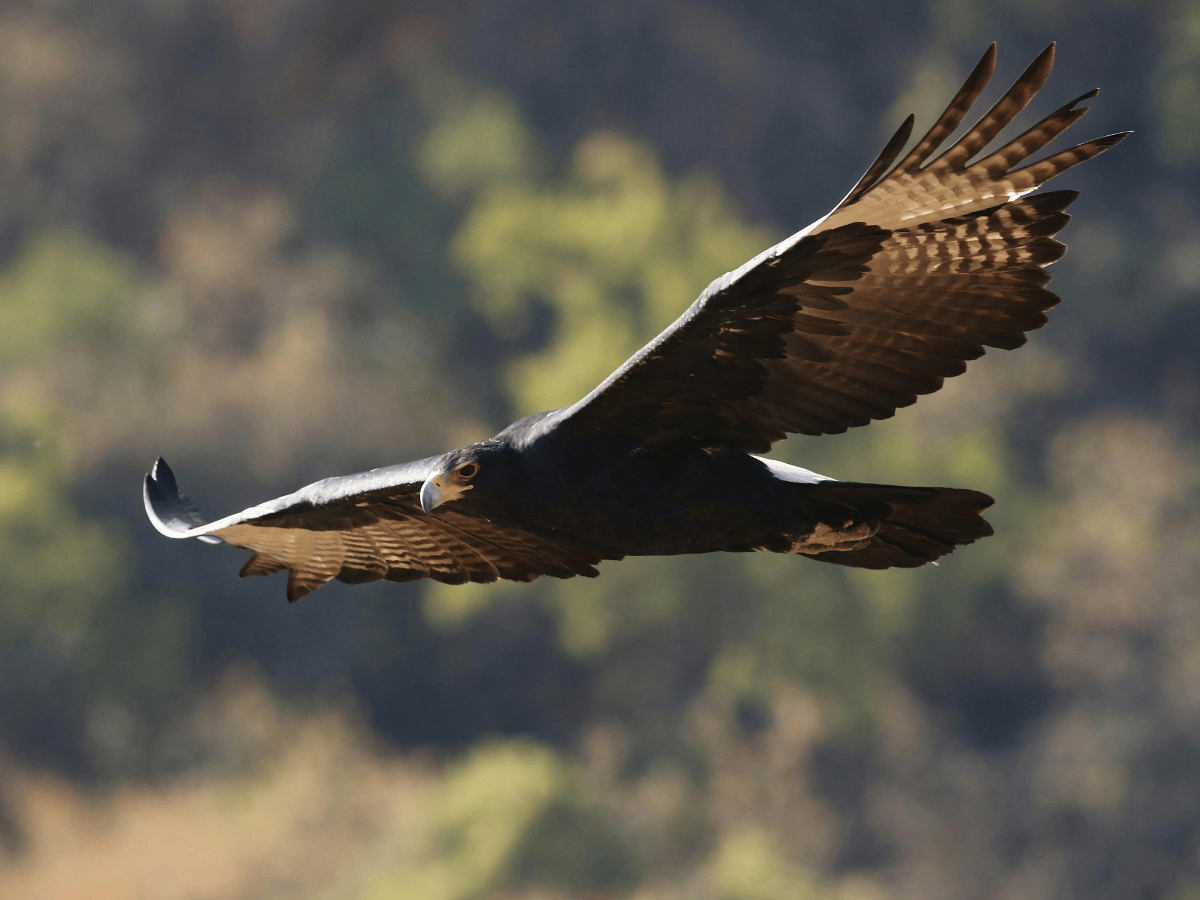
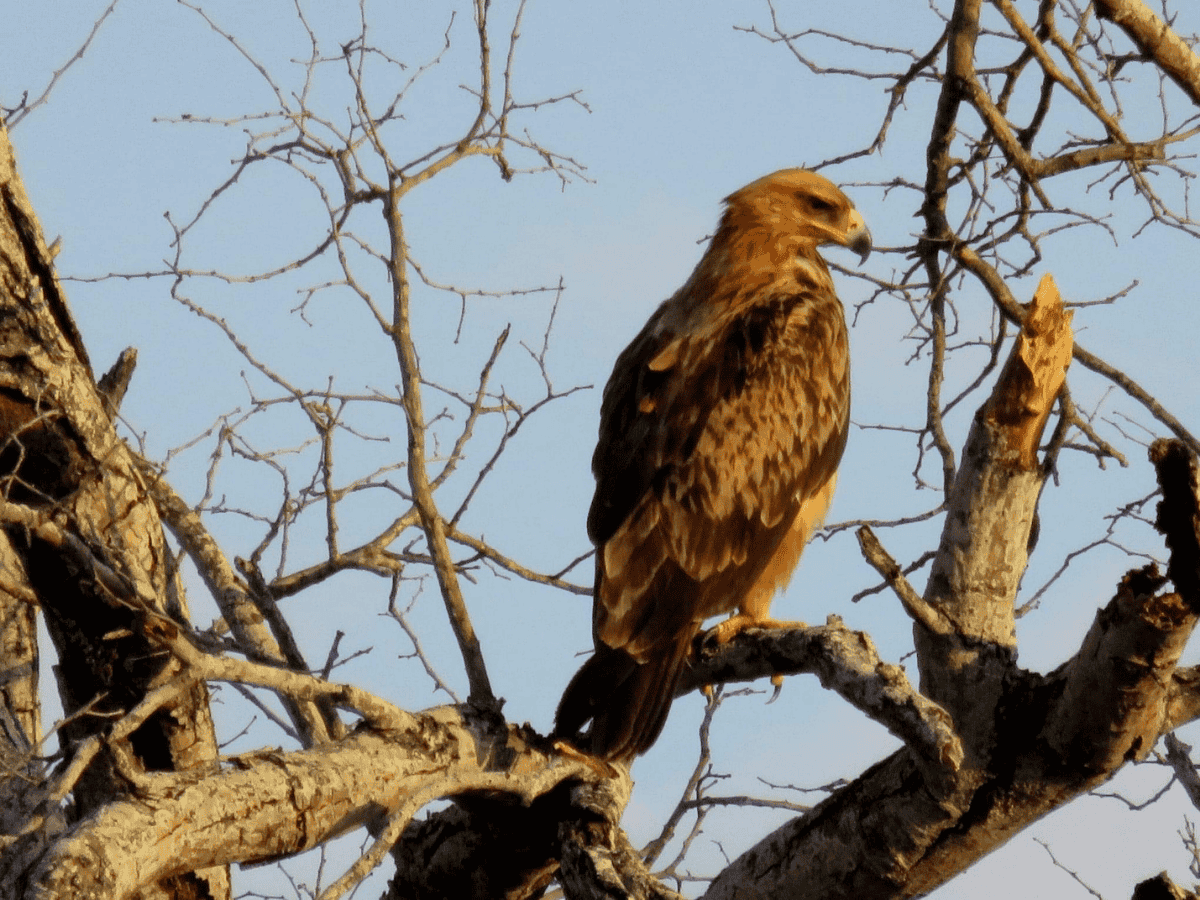
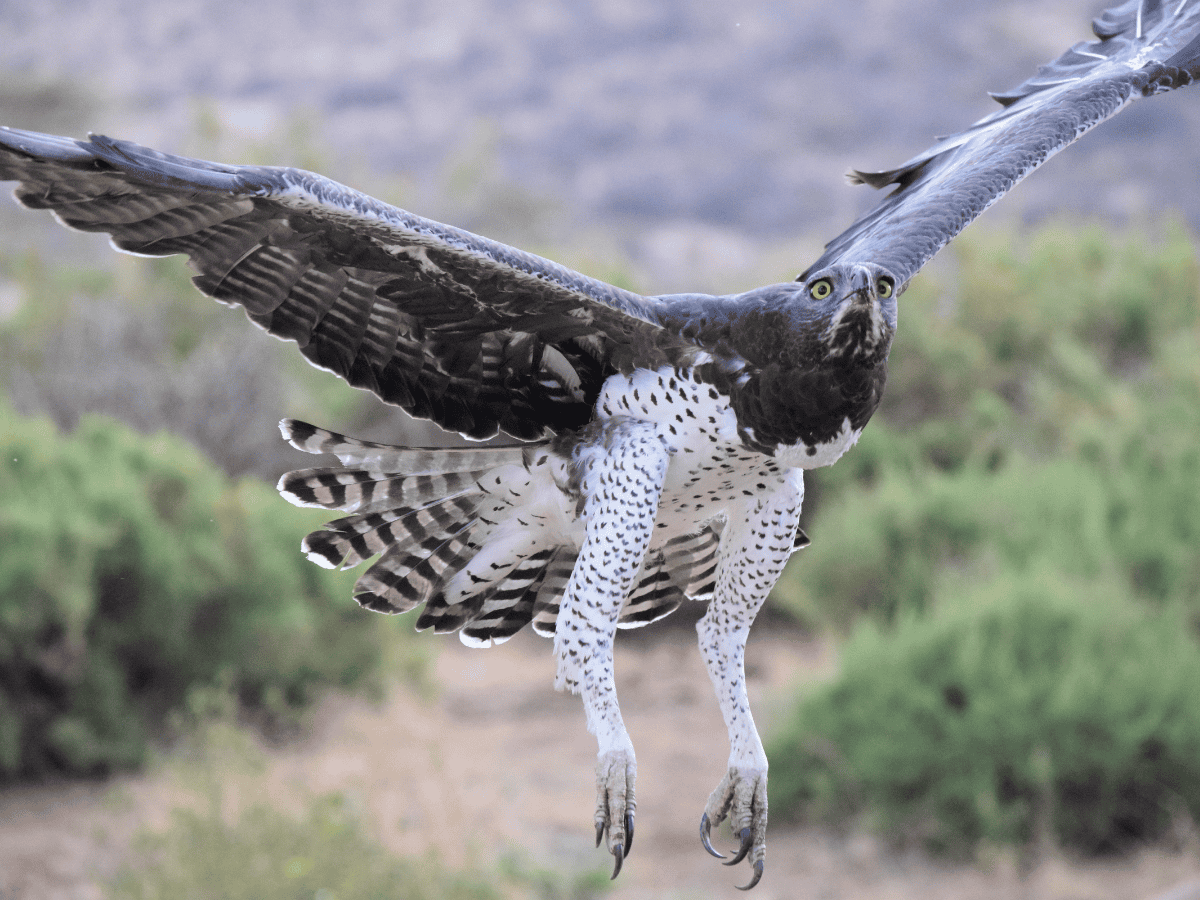
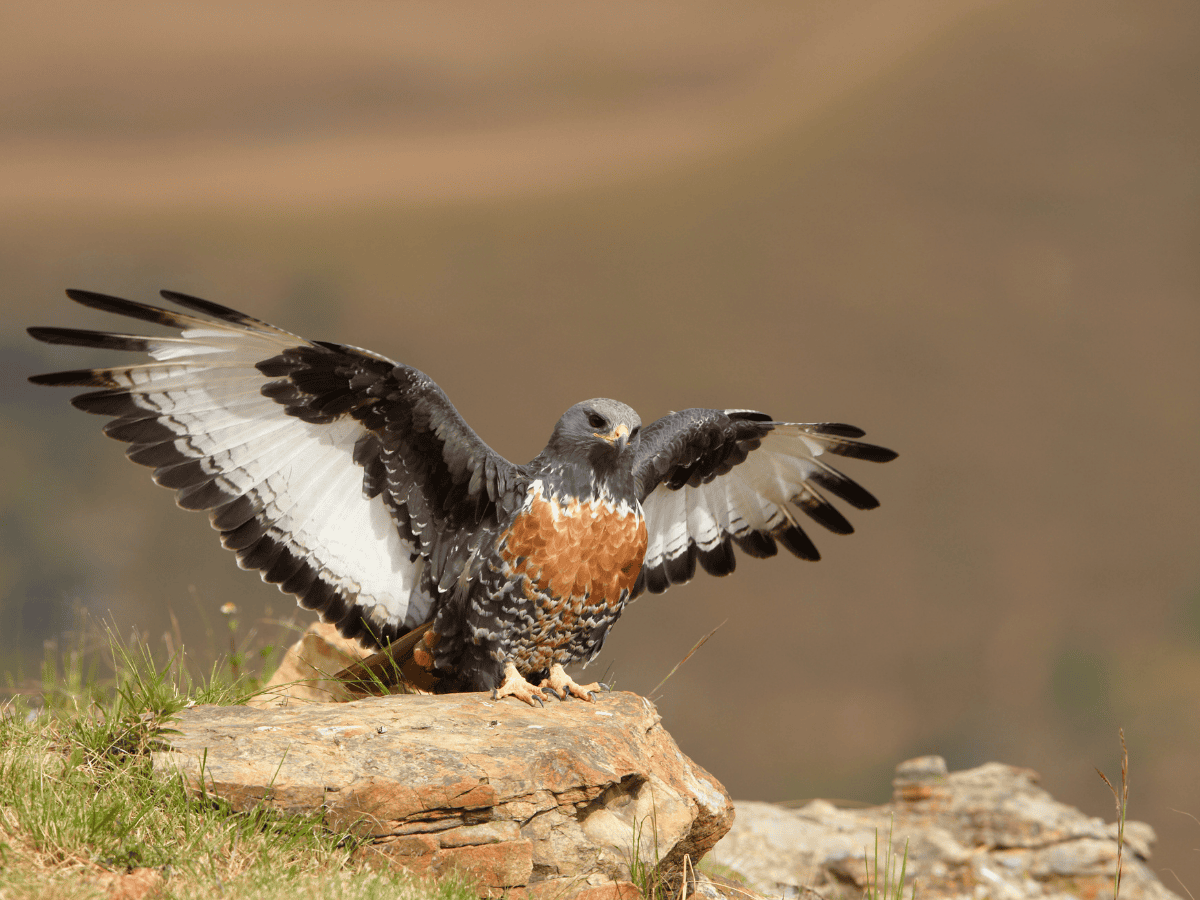
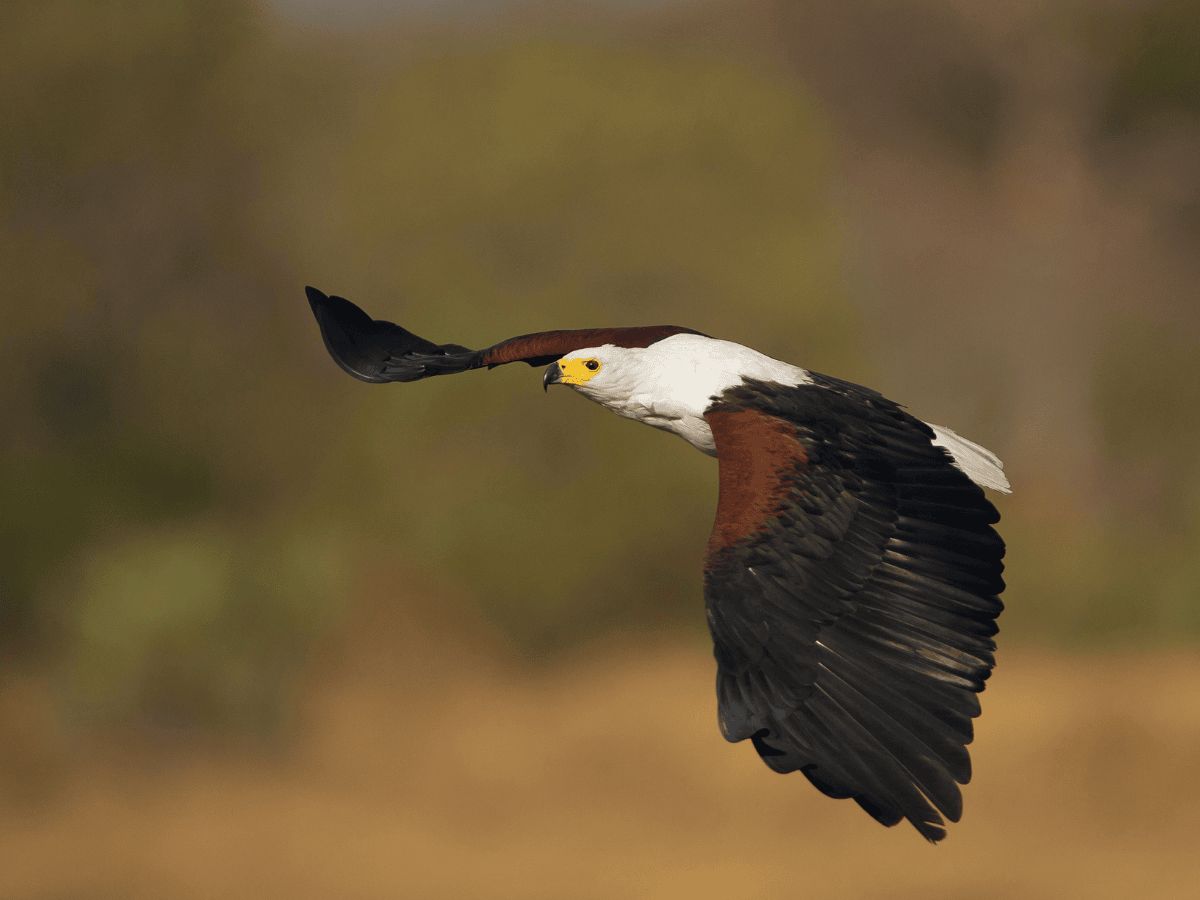
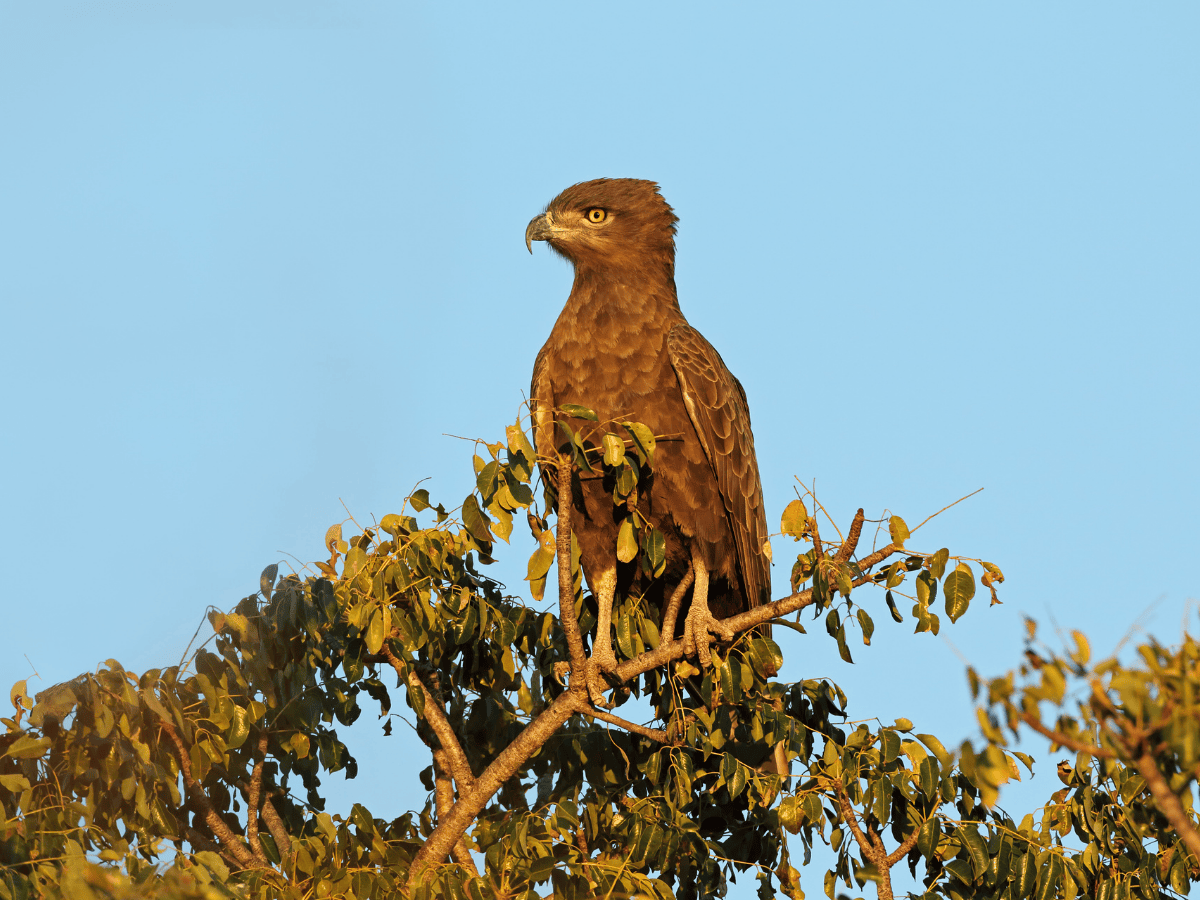
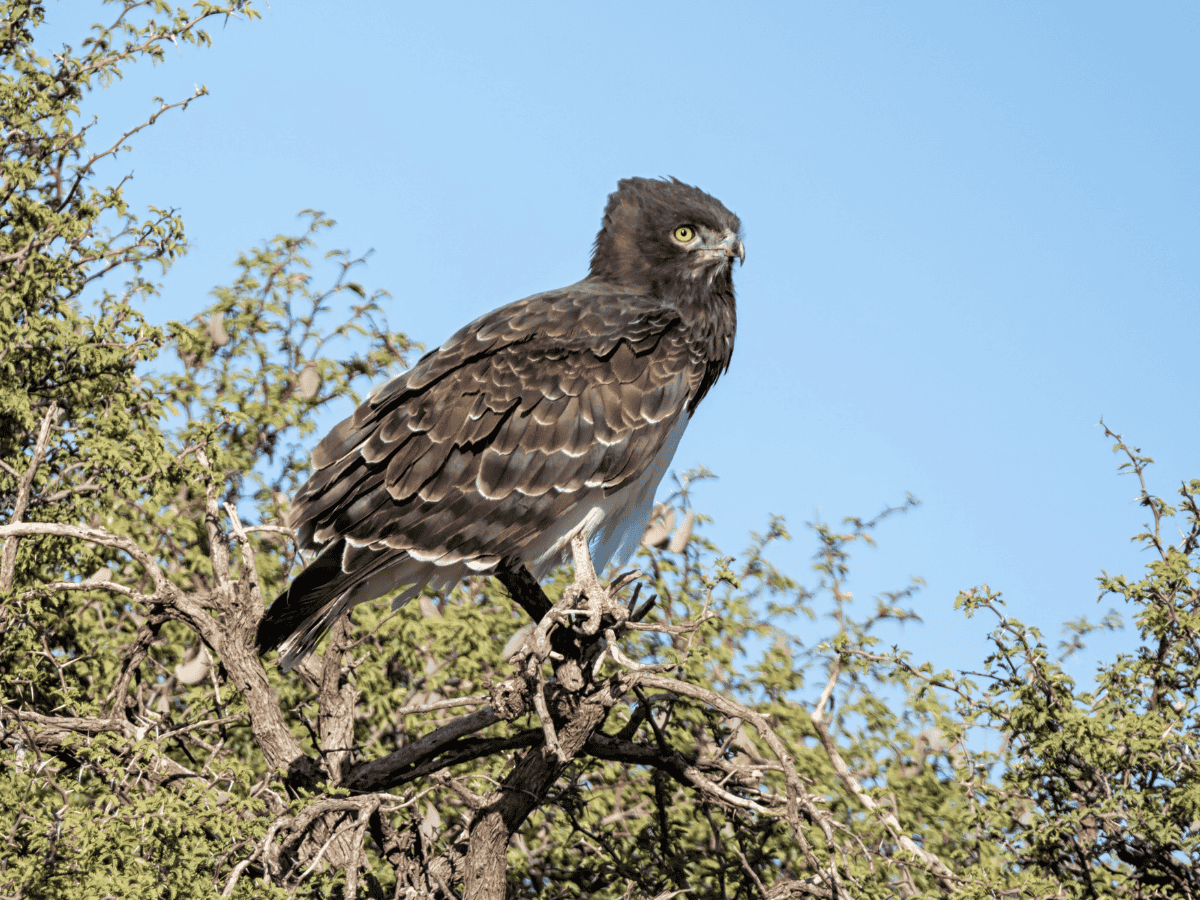
Highlights include one of South Africa’s best populations of Cape Vulture around Marakele’s cliffs. Raptors such as Verreaux’s Eagle and Martial Eagle are regularly seen. The mix of mountainous terrain and bushveld also supports species like Southern Ground Hornbill, Lilac-breasted Roller, and a variety of owls and nightjars.
When To Go For Birding
Birding is best from October to March when breeding activity increases and migrants arrive. Birds are more vocal and easier to locate. Winter months offer excellent visibility and strong raptor activity, especially around cliffs, but overall diversity is slightly lower than in summer.
Birding By Month | ||
Jan | Feb | Mar |
Apr | May | Jun |
July | Aug | Sep |
Oct | Nov | Dec |
= Excellent = Good = Fair = Poor
Best Parks & Reserves For Birding
Birding in the Waterberg is driven by elevation and habitat variation. Cliff systems, valleys, and open bushveld create strong raptor and vulture opportunities. Private reserves offer quieter conditions and good coverage of mixed habitats, while Marakele stands out for its unique mountainous environment.
- 🥇 Marakele National Park (Waterberg Region)
› Best location for Cape Vulture colonies and cliff-associated raptors.
- Marataba Private Game Reserve (Waterberg Safari Region)
› Excellent mix of mountains, riverine habitat, and open bushveld.
Welgevonden Private Game Reserve (Waterberg Safari Region)
› Strong general birding with varied terrain and low disturbance.
- Entabeni Private Game Reserve (Waterberg Safari Region)
› Elevated landscapes support raptors and woodland species.
› View All Parks & Reserves
Iconic Birds & Where To Find Them
Table showing the top parks and reserves where you will have the best chance at findig the birds you want to see:
🔵 Common in most parks; 🟢 Common in certain parks; 🟡 Occassional in some parks; 🔴 Rare in most parks; ⚫ Do not occur
Cape Vulture🟢 Common in certain parks | Verreaux Eagle🟢 Common in certain parks | Martial Eagle🟢 Common in certain parks |
🥇 Marakele National Park
| 🥇 Marakele National Park
| 🥇 Marakele National Park
|
Bateleur🟢 Common in certain parks | Southern Ground Hornbill🟢 Common in certain parks | African Fish Eagle🟢 Common in certain parks |
🥇 Marakele National Park
| 🥇 Marakele National Park
| 🥇 Marataba Private Game Reserve
|
Brown Snake Eagle🟢 Common in certain parks | Black-chested Snake Eagle🟢 Common in certain parks | Gabar Goshawk🟢 Common in certain parks |
🥇 Marakele National Park
| 🥇 Marakele National Park
| 🥇 Marakele National Park
|
Other Notable Birds
Other notable birds found in this country
- White-backed Vulture
Lappet-faced Vulture
African Hawk-Eagle
Kori Bustard
Secretarybird
Burchell’s Starling
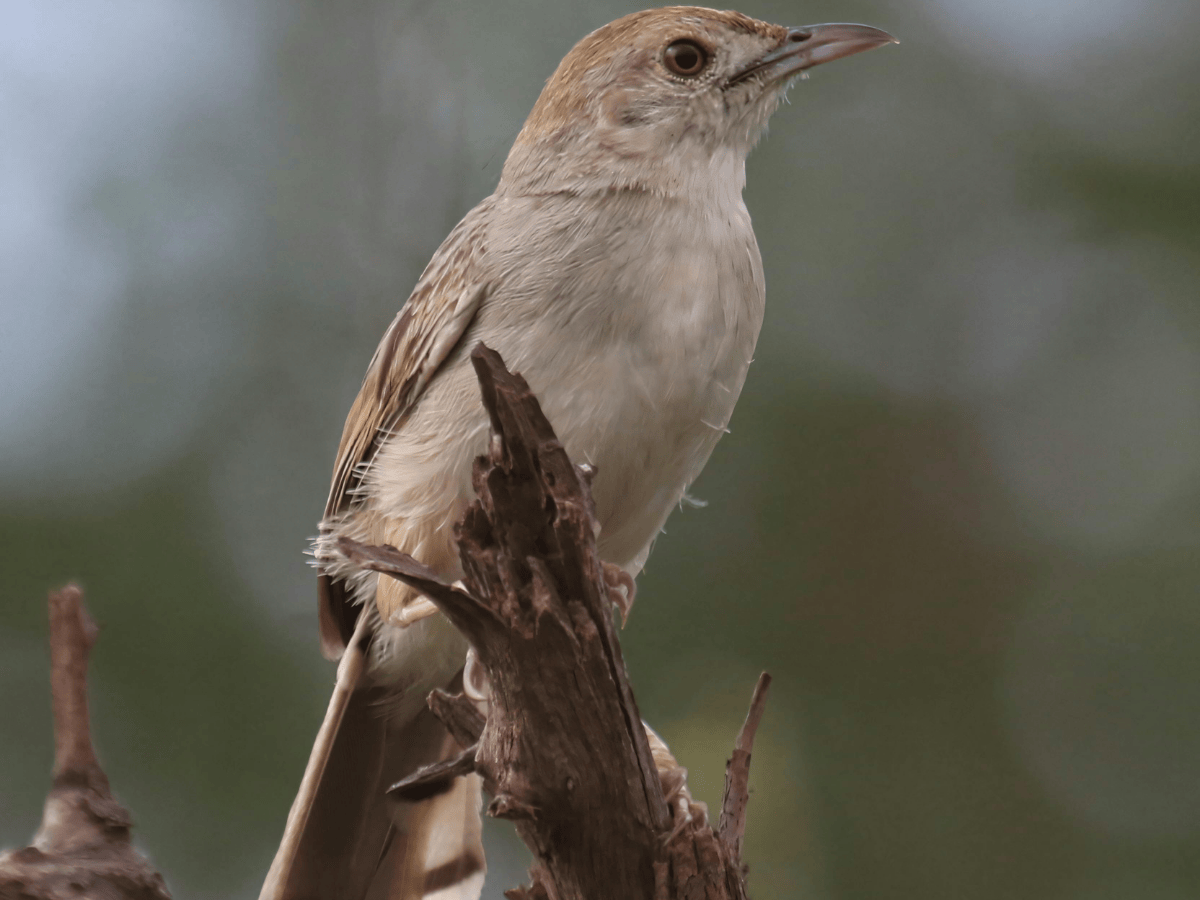
Arrow-marked Babbler
White-browed Sparrow-Weaver
African Jacana
Malachite Kingfisher
Pygmy Kingfisher
African Wood Owl
Grey Sunbird
Southern Tchagra
Crimson-breasted Shrike
Activities & Experiences
The Waterberg Safari Region is defined by malaria-free Big Five safaris, scenic bushveld landscapes, and a strong focus on conservation-led experiences. Travellers visit for relaxed, accessible safaris within private reserves such as Welgevonden and Marataba, where wildlife viewing is combined with guided activities and conservation insight. The region is well suited to both first-time and repeat safari-goers, offering a balance of classic game viewing, immersive bush experiences, and family-friendly travel.
Morning game drives
Morning game drives are a key safari experience in the Waterberg Safari Region, offering excellent opportunities to see the Big Five and a wide range of plains game. Early departures maximise wildlife activity in the cooler hours, with experienced guides navigating diverse terrain that includes rolling hills, open plains, and river valleys.
› More About Activity
Guided bush walks
Guided bush walks provide a more immersive way to explore the Waterberg landscape. Led by trained guides, guests walk through Big Five territory while learning about tracks, plants, and smaller wildlife. This experience offers a deeper understanding of the ecosystem and creates a more personal connection to the bush.
› More About Activity
Conservation Activities
Conservation activities are a defining feature of the Waterberg Safari Region, particularly within private reserves. Travellers can take part in or observe initiatives such as wildlife monitoring, anti-poaching efforts, and habitat management. These experiences offer insight into the ongoing work required to protect and maintain healthy ecosystems.
› More About Activity
Night game drives
Night game drives offer a different perspective of the bush, focusing on nocturnal species rarely seen during the day. Using spotlights, guides search for animals such as aardvark, civet, porcupine, and predators on the move. This adds variety to the safari experience and highlights the region’s biodiversity after dark.
› More About Activity
Other Notable Activities & Experiences
Other notable activities & experiences in this country
- Afternoon game drives
Guided Nature Walks
Full Day Game Drive
Sleepout Experiences
Cultural Activities
Birding
Animal Tracking on Foot
Self Driving in Parks
Visits to Wildlife Rehabilitation Centers
When To Go
The Waterberg Safari Region offers a year-round safari experience with noticeable seasonal shifts. Winter brings dry conditions, better wildlife visibility, and increased visitor numbers, especially on weekends due to its proximity to major cities. Summer introduces lush landscapes, active birdlife, and fewer tourists, but more challenging game viewing. The region’s malaria-free status and accessibility make it popular for short stays. Overall, expect reliable wildlife viewing in winter and quieter, greener experiences during summer.
Best Time To Visit
The Waterberg Safari Region offers a year-round safari experience with noticeable seasonal shifts. Winter brings dry conditions, better wildlife visibility, and increased visitor numbers, especially on weekends due to its proximity to major cities. Summer introduces lush landscapes, active birdlife, and fewer tourists, but more challenging game viewing. The region’s malaria-free status and accessibility make it popular for short stays. Overall, expect reliable wildlife viewing in winter and quieter, greener experiences during summer.
Best Time To Visit Major Game Parks | ||
Jan | Feb | Mar |
Apr | May | Jun |
July | Aug | Sep |
Oct | Nov | Dec |
= Excellent = Good = Fair = Poor
Understanding The Seasons
The Waterberg follows a dry winter and wet summer pattern. Winter (May to September) is cooler and dry, with thinning vegetation and improved wildlife visibility. Summer (October to April) brings rain, greener landscapes, and higher humidity. Wildlife becomes more dispersed, but birding improves significantly. Visitor numbers are highest during winter weekends and holiday periods, while summer weekdays are generally quieter.
| Major Game Parks | |
| Best Time To Visit | May to September |
| High Season | June to August |
| Low Season | January to March |
| Best Weather | May to September |
| Worst Weather | January to February |
| Rainy Season | October to March |
| Dry Season | May to September |
Pros & Cons For Travel Seasons in Major Game Parks
May to September - Dry Season - Winter - ☀️ ⊕ Better wildlife visibility due to thinner vegetation | October to April - Green Season - Summer - 🌧️ ⊕ Lush landscapes and vibrant scenery |
❄️ Winter - May to September
May - Shoulder Season
Conditions begin to dry out, and vegetation starts thinning. Wildlife sightings improve as animals move towards water sources. Temperatures are mild, and visitor numbers are moderate, offering a balanced safari experience with fewer crowds than peak winter.
June, July & August - Peak Season
Wildlife viewing is at its most consistent, with animals easier to locate in open areas. Days are dry and clear, while mornings and evenings are cold. Visitor numbers increase, particularly on weekends, creating a busier but rewarding safari experience.
September - Peak Season
Dry conditions continue, and wildlife activity remains high around water. Temperatures begin to rise slightly, and landscapes are at their driest. Visitor numbers remain steady, and this is still a strong period for reliable sightings.
🔥 Summer - October to April
October - Peak Season
Rain begins to return, and landscapes shift from dry to green. Wildlife is still relatively visible early in the season, and bird activity increases. Visitor numbers are lower than winter, creating a quieter and more relaxed safari experience.
November - Shoulder Season
Rainfall becomes more frequent, and vegetation thickens. Wildlife begins to disperse as water becomes widely available. Birding improves significantly, and visitor numbers are low, especially midweek, offering a quieter and more flexible travel period.
December (1 to 19) - Green Season
The region is lush, with warm temperatures and regular afternoon rain. Wildlife visibility is reduced due to dense vegetation. Visitor numbers remain relatively low before the festive period, creating a calm and scenic safari experience.
December & January (20 Dec to 5 Jan) - Peak Season (Festive)
This is a busy travel period due to holiday demand and proximity to cities. Lodges fill quickly, and prices increase. Conditions are hot with summer rainfall, and the atmosphere is lively. Advance booking is essential during this period.
January, February & March - Green Season
Hot and humid conditions dominate, with frequent afternoon storms. Vegetation is dense, and wildlife is more dispersed. Visitor numbers drop after the festive period, creating a quieter safari experience with good availability.
April - Shoulder Season
Rainfall begins to ease, and temperatures become more comfortable. Vegetation remains green, but visibility improves as the bush starts to thin. Wildlife sightings gradually improve, and visitor numbers remain low, making this a balanced and quieter time to visit.
How To Get Here
The Waterberg Safari Region is easily accessed via Johannesburg, with most travellers arriving through O.R. Tambo International Airport or Lanseria. From there, the region is reached by road, with travel times typically between two and three hours depending on the reserve. Self-drive and private transfers are the most common options. Due to its proximity to Johannesburg, flights are rarely needed, although charter and light aircraft transfers are available to select lodges for added convenience.
Travel Information
The Waterberg Safari Region is an easily accessible wilderness area located a few hours’ drive from Johannesburg. It features a mix of private reserves, rugged bushveld, and mountainous landscapes. Roads are generally in good condition, and access is straightforward, though some lodges are more remote. Travellers should plan routes in advance, follow lodge directions, and remain aware when travelling between towns and wildlife areas.
Malaria Information
The Waterberg Safari Region is considered a malaria-free area, making it a popular choice for travellers seeking a relaxed safari experience without malaria concerns. Preventative medication is not usually required. Basic precautions such as using insect repellent are still recommended, especially in warmer months. Travellers can enjoy the region comfortably while maintaining simple, routine health awareness during their stay.
Staying Safe In Wildlife Areas
Wildlife areas in the Waterberg Region are safe when standard safari practices are followed. Always listen to your guide and remain in designated areas when on foot. In reserves where self-drive is permitted, stay in your vehicle and keep a safe distance from animals. Avoid sudden movements or noise. Awareness and respect for wildlife ensure a safe and enjoyable safari experience.
Staying Safe In Major Cities
Nearby towns such as Bela-Bela and Modimolle provide convenient access to the region and are generally easy to navigate. Travellers should use trusted transport, keep valuables secure, and remain aware in busy areas. Driving is the most common way to get around. With basic precautions and planning, travellers can move comfortably between towns and safari lodges.
LGBTQ + Safety Guidance
South Africa offers strong legal protections for LGBTQ+ individuals, and the Waterberg Region is generally welcoming to travellers. Safari lodges and tourism-focused spaces are professional and inclusive. As with any destination, experiences may vary in more rural settings, so a level of awareness is helpful. Overall, travellers can expect a respectful and comfortable environment throughout the region.