
Waterbuck | A Complete Safari Guide
Discover waterbuck behaviour and where to spot them near water on safariOverview
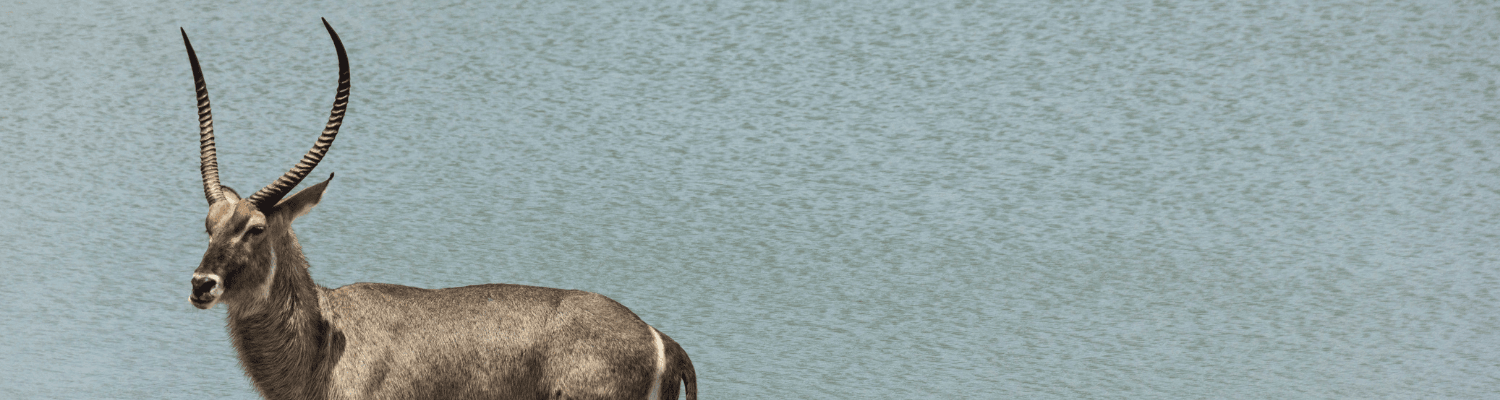
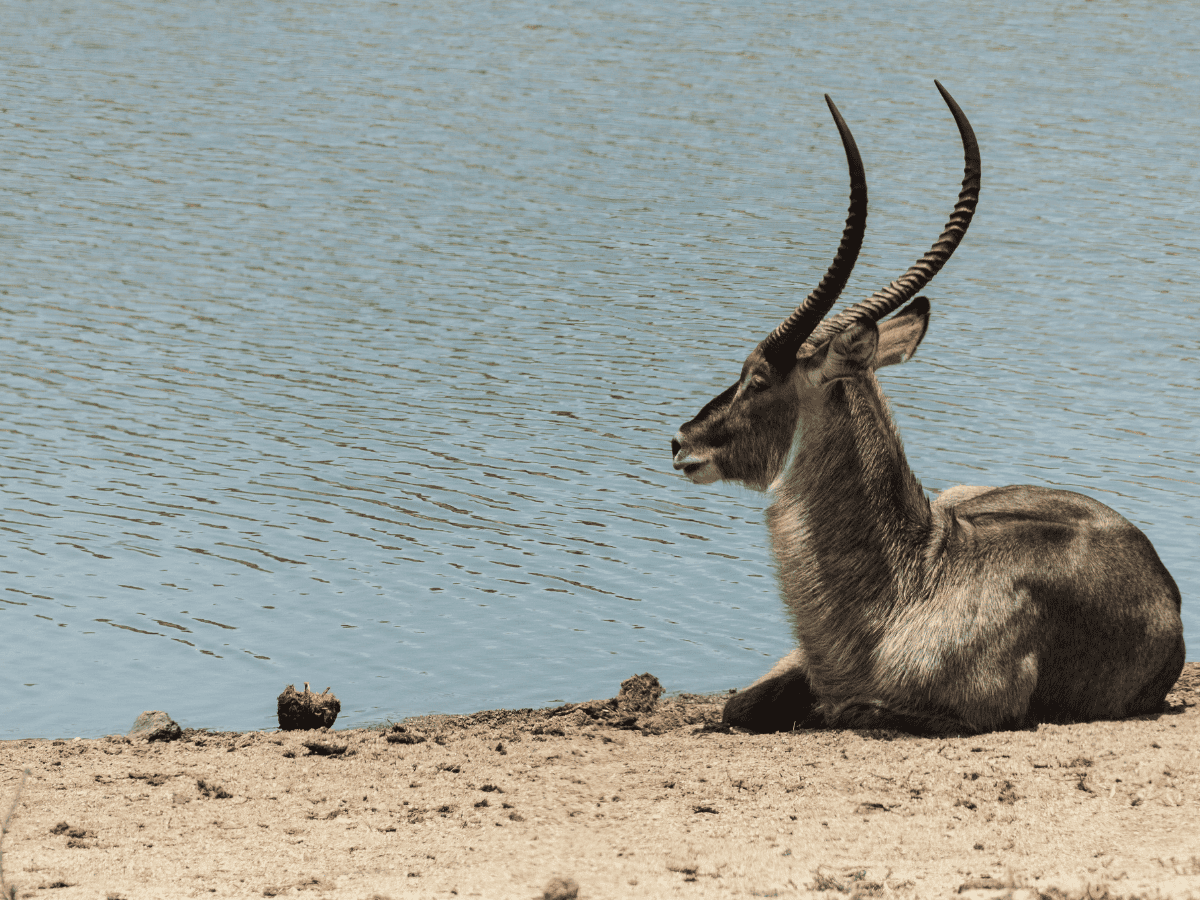
The waterbuck is a large antelope known for its shaggy coat, strong build, and preference for areas close to water. It is found across eastern and southern Africa, often near rivers, lakes, and wetlands. Males have long, curved horns, and many individuals show a distinctive white ring on the rump. Waterbuck are commonly seen resting or grazing in open areas near water sources. For travellers, they are reliable sightings on safari and play an important role in supporting predators and shaping the ecosystems around water-rich environments.









Gallery
Summary
Best Places To See
Waterbuck are most reliably seen in areas with permanent water sources and strong riverine habitat, with Kruger National Park standing out as a flagship destination where sightings are consistent along rivers such as the Sabie and Olifants. Adjacent private reserves like Sabi Sands Game Reserve offer equally reliable encounters, supported by excellent guiding and predictable movement patterns near water. In Botswana, Chobe National Park provides frequent sightings along the Chobe River, while Moremi Game Reserve in the Okavango Delta delivers high-quality viewing in floodplain environments where waterbuck are closely tied to wetlands and easily located.
Conservation Status
Waterbuck are listed as least concern, with stable populations across much of their range. Their main threats include habitat loss and pressure from human activity near water sources. They depend on access to permanent water, making them vulnerable in areas where water systems are altered. However, strong populations exist in protected areas. Conservation efforts focus on maintaining healthy ecosystems. Safari tourism supports these environments, ensuring waterbuck remain a common sight along rivers and wetlands.
Best Time Of Year To See
The best time to see waterbuck is during the dry season, when they remain close to permanent water sources and are easier to locate. Shorter grass improves visibility in riverine areas and floodplains. In the wet season, widespread water allows them to disperse, although they are still commonly found near water.
Identification
Waterbuck are large antelope with shaggy grey-brown coats and a distinctive white ring on the rump. They have long, curved horns found only on males. Their fur appears oily and thick. Females lack horns and are slightly smaller. They may be confused with other antelope, but the white rump ring is a key feature. They are often found near water sources, making location a helpful clue.
Behaviour
Waterbuck are grazers that stay close to water sources. They live in small groups and are territorial. They are often seen resting or feeding near rivers. On safari, they are easily identified by their preference for water-rich habitats.
Diet
Waterbuck are grazers that feed mainly on coarse grasses near water sources. They prefer areas close to rivers and wetlands, where grass remains available throughout the year. They spend much of their time feeding during the early morning and late afternoon. During dry periods, they stay close to water where grazing is still possible. They drink daily. Their diet is less selective than some other antelope, allowing them to survive in stable habitats. Their feeding helps maintain grasslands in wet areas.
Habitat
Waterbuck are closely associated with water-rich environments such as riverbanks, floodplains, and wetlands. Their habitat includes grassland and woodland near permanent water sources. They rely on water for drinking and tend to remain nearby. Thick vegetation offers cover, while open areas provide grazing. Travellers most often see waterbuck near rivers or waterholes, particularly in lush areas where grass is abundant and water is consistently available.
Interesting Facts
Waterbuck are large antelope commonly found near water sources, where they rely on access to drinking water. They have a shaggy coat and a distinctive white ring on their rump. Their fur produces an oily secretion that gives off a strong scent and helps repel water. This scent can deter predators, as their meat is less appealing. Waterbuck are often seen grazing in groups close to rivers and wetlands.
Folklore
Waterbuck are often linked to water and life, symbolising sustenance and survival. Their close association with rivers and wetlands has made them indicators of healthy ecosystems. In some traditions, they represent stability and the importance of reliable resources. Their presence reinforces the connection between wildlife and water sources.