
White-backed Vulture | A Complete Birding Guide
Discover White-backed Vulture identification and where to spot itOverview
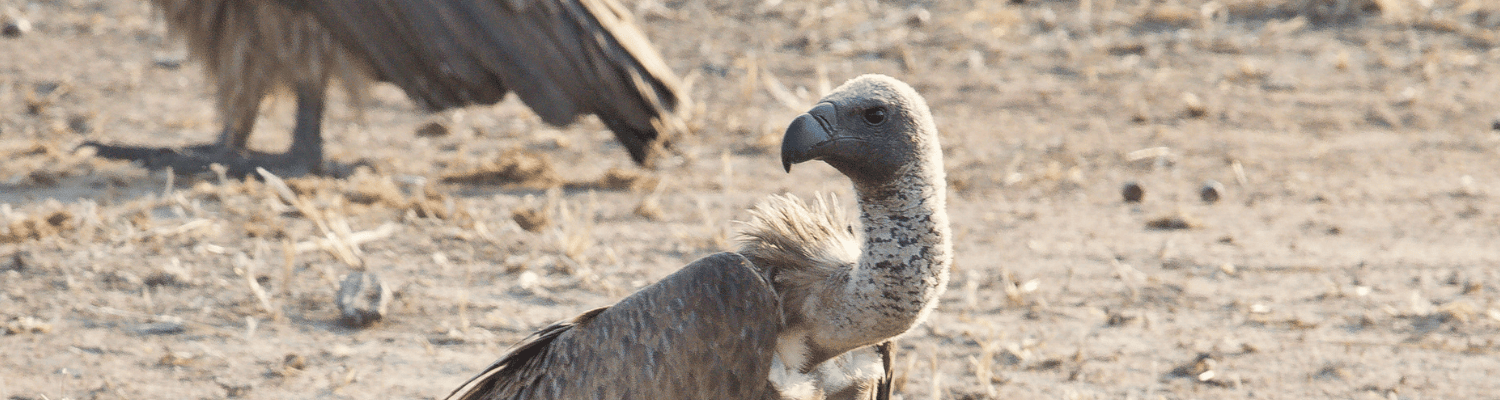
The White-backed Vulture is a large scavenger with pale back feathers and a broad wingspan. It is found across savannas and open landscapes in Africa. Often seen soaring high or gathered around carcasses, it plays a key role in the ecosystem. Its presence is a defining part of the safari experience.







Gallery
Summary
Best Places To See
The White-backed Vulture is most reliably found in open savanna and woodland where large mammals provide a steady supply of carcasses. Kruger National Park offers some of the most consistent sightings, particularly in areas with high predator activity where vultures gather quickly. Etosha National Park provides a strong complementary option with open terrain that allows for easy observation of soaring birds and feeding groups. These locations are reliable because high wildlife density and open visibility create ideal conditions for both aerial and ground sightings.
Best Time Of Year To See
The White-backed Vulture can be seen throughout the year, with consistently good visibility due to its wide-ranging movement and dependence on carcasses rather than seasonal food sources. Sightings are often most rewarding during dry periods when vegetation is sparse and carcasses are easier to detect, concentrating vulture activity. Thermal currents during warmer months also support soaring behaviour, making birds more visible in the sky. Midday is often the best time to observe large numbers as they circle on rising air currents.
Identification
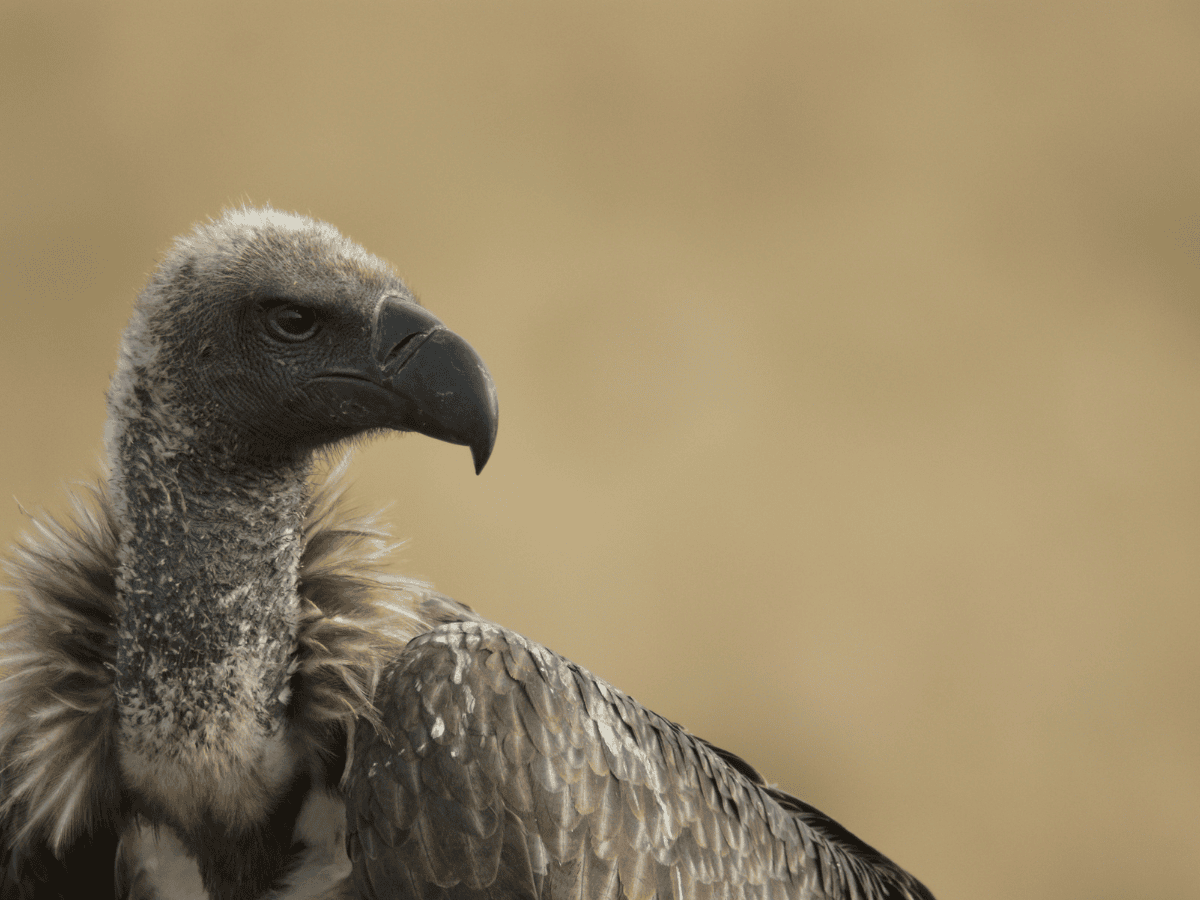
The White-backed Vulture is a large bird with broad wings, a relatively short tail, and a pale back that contrasts clearly with its darker wings and body. It has a bare head and neck, which appear greyish, and a strong, hooked bill. In flight, it shows a distinctive silhouette with slightly raised wings. Males and females are similar in appearance. It can be confused with other vultures, but the pale back and overall shape help distinguish it.
Behaviour
The White-backed Vulture feeds primarily on carrion, locating food by soaring high and watching for other scavengers or predator activity. It often gathers in large groups at carcasses, where feeding can become highly competitive. It spends much of the day soaring on thermal currents to conserve energy. Travellers are most likely to observe it circling overhead or gathered on the ground at feeding sites.
Diet
The White-backed Vulture feeds exclusively on carrion, consuming the remains of dead animals. It is highly efficient, often arriving quickly at carcasses and feeding in groups. Its strong bill allows it to tear flesh, while its bare head helps maintain hygiene. Feeding activity is not strongly seasonal, but dry conditions can concentrate food sources. Its role as a scavenger is essential for preventing the spread of disease in natural ecosystems.
Habitat
The White-backed Vulture prefers open savanna, grassland, and woodland where visibility is high and large mammals are present. It is most often seen soaring high above open landscapes or gathered at carcasses. This habitat supports both its feeding strategy and movement patterns. Travellers are most likely to encounter it in areas with abundant wildlife and open terrain.
Conservation Status
The White-backed Vulture is considered vulnerable, with populations declining due to poisoning, habitat loss, and human-related threats. Despite this, it remains widespread in protected areas. Parks such as Kruger National Park and Etosha National Park play a crucial role in maintaining stable populations. Conservation efforts focus on reducing poisoning and protecting key habitats. Responsible tourism and awareness are important in supporting the long-term survival of this species.
Interesting Facts
The White-backed Vulture can soar for hours without flapping its wings, using thermal currents to travel large distances. It has excellent eyesight, allowing it to spot carcasses from high altitudes. Groups of vultures can strip a carcass in a short time. Its presence often indicates predator activity nearby, making it useful for guiding safari sightings.
Folklore
Vultures are often associated with cleansing and renewal in African folklore due to their role in removing carrion. The White-backed Vulture’s presence may symbolise purification and the natural cycle of life and death. Its ability to find food from great heights reflects awareness and perspective. In some interpretations, vultures represent transformation, reinforcing their connection to balance and continuity within natural systems.