

Woodland Kingfisher | A Complete Birding Guide
Discover Woodland Kingfisher calls and where to spot itOverview
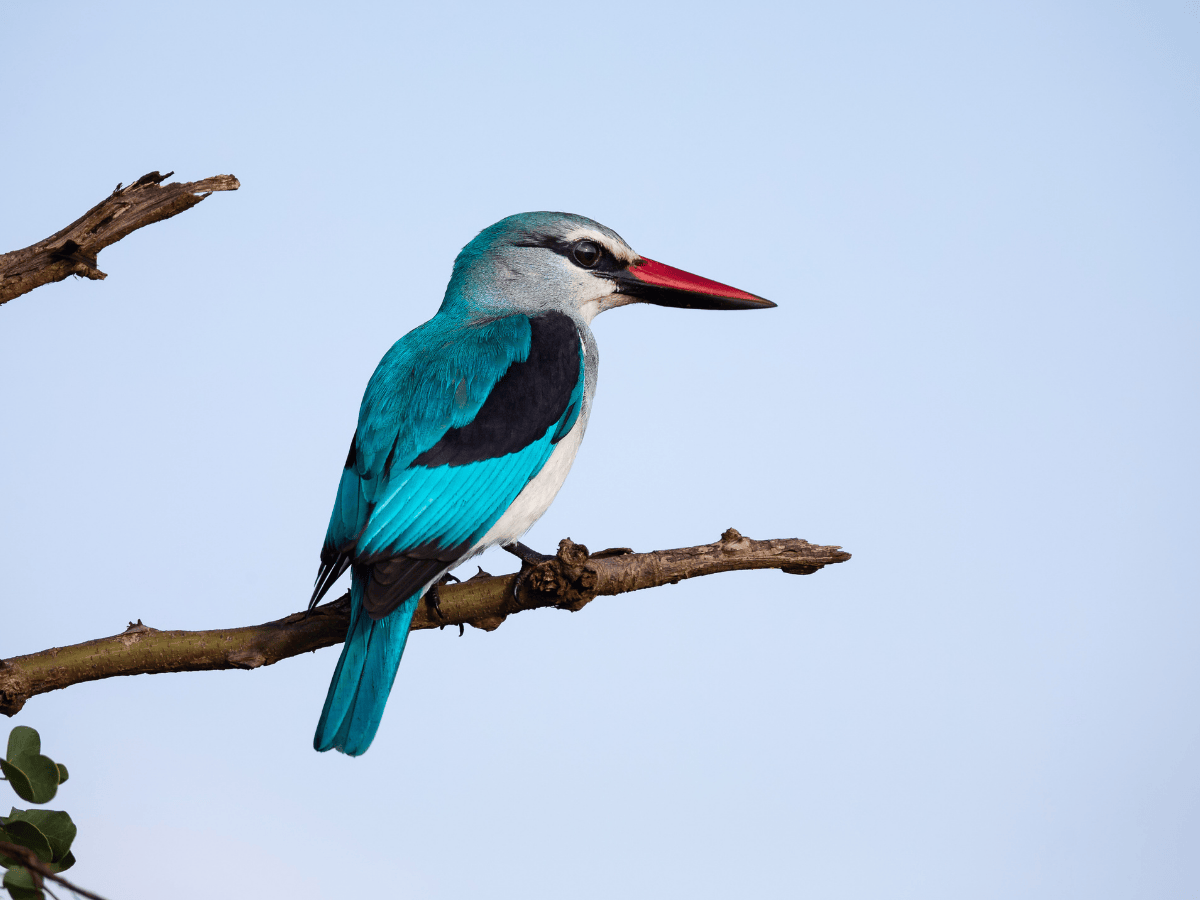
The Woodland Kingfisher is a medium-sized bird with bright blue upperparts and a striking red bill. It is found in woodlands and savannas across much of sub-Saharan Africa. Often heard before seen, it has a loud, distinctive call during the breeding season. Its vibrant colours and vocal presence make it a favourite among travellers.








Gallery
Summary
Best Places To See
Woodland Kingfisher is most reliably found in open woodland and savanna where scattered trees provide ideal perches for hunting. Kruger National Park offers some of the most consistent sightings, particularly in summer when migratory individuals are present in high numbers. Chobe National Park provides a strong complementary option with similar habitat and seasonal abundance. These locations are reliable because the species prefers visible perches and open feeding areas, making it easy to detect and observe throughout the day.
Best Time Of Year To See
Woodland Kingfisher is most reliably found in open woodland and savanna where scattered trees provide ideal perches for hunting. Kruger National Park offers some of the most consistent sightings, particularly in summer when migratory individuals are present in high numbers. Chobe National Park provides a strong complementary option with similar habitat and seasonal abundance. These locations are reliable because the species prefers visible perches and open feeding areas, making it easy to detect and observe throughout the day.
Identification
Woodland Kingfisher is a medium-sized bird with bright turquoise-blue upperparts, a clean white head and chest, and a large, vivid red bill. It has a sturdy body and a relatively short tail. Males and females are similar in appearance. Its loud, repeated calls are often the first clue to its presence. It can be confused with other kingfishers, but its white head and bright red bill clearly distinguish it.
Behaviour
Woodland Kingfisher feeds mainly on insects, which it catches by dropping from a perch to the ground or low vegetation. It often sits still for long periods before making quick, direct movements to capture prey. The species is highly vocal, especially during breeding season, producing loud, repetitive calls. Travellers are most likely to observe it perched prominently or making short feeding flights.
Diet
Woodland Kingfisher feeds primarily on insects such as beetles, grasshoppers, and other invertebrates. It hunts from a perch, scanning the ground before diving down to capture prey. Feeding usually takes place in open woodland where visibility is good. During warmer months, increased insect activity supports frequent feeding. Its diet is closely tied to seasonal insect availability.
Habitat
Woodland Kingfisher prefers open woodland, savanna, and lightly wooded areas where trees provide clear perching points. It is most often found perched in mid-level branches or on exposed structures. This habitat allows for effective hunting and visibility. Travellers are most likely to encounter it in open bushveld with scattered trees.
Conservation Status
Woodland Kingfisher is considered stable and widespread, with no major threats affecting overall populations. Its migratory behaviour and adaptability support its resilience. Protected areas such as Kruger National Park help maintain suitable habitat. Conservation of woodland ecosystems ensures the species remains a regular seasonal presence.
Interesting Facts
Woodland Kingfisher is best known for its loud, unmistakable call, which signals the arrival of summer in many regions. Despite its name, it rarely catches fish and feeds mostly on insects. Its bright blue colour stands out strongly against dry landscapes. It is often seen perched calmly before making sudden feeding movements.
Folklore
The Woodland Kingfisher’s call is often associated with the arrival of rain and seasonal change in many African cultures. Its voice can signal the start of warmer months and new growth. Because of this, it may symbolise renewal and transition. Its presence reflects the rhythm of changing seasons in the natural world.