
Zululand Region | A Complete Travel Guide
Plan your safari with wildlife, lodges, and travel insights in Zululand RegionOverview
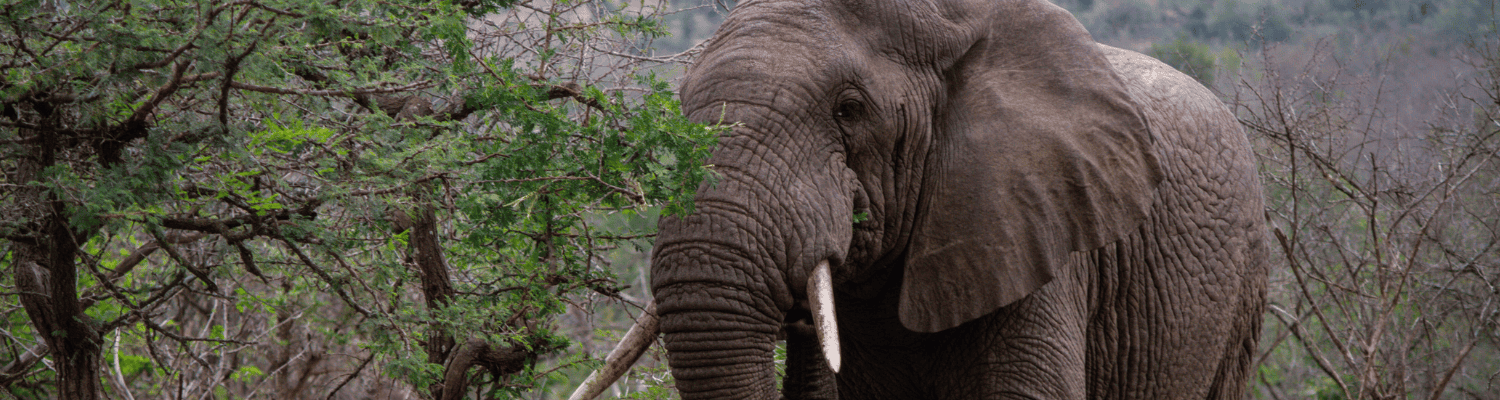
The Zululand Region lies along South Africa’s northeastern coastline and offers a combination of classic safari areas and coastal ecosystems. It is best known for historic conservation successes, particularly the recovery of the white rhinoceros in Hluhluwe–iMfolozi Park. Landscapes vary from rolling hills and acacia bushveld to wetlands, coastal forests, and expansive estuaries near the Indian Ocean. Wildlife viewing is strong in several reserves, with good chances of seeing the Big Five as well as a wide range of bird species. Travellers typically visit for a quieter safari experience, rich conservation history, and the opportunity to combine wildlife viewing with nearby beaches and wetland environments.


Gallery
Summary
Summary
Why Visit
The Zululand Safari Region offers a diverse safari experience in northern KwaZulu-Natal. Travellers visit for its combination of wildlife reserves, coastal wetlands, and strong conservation history. The region includes classic Big Five reserves as well as protected wetlands and forests that support exceptional birdlife. Compared with larger safari regions, Zululand often feels quieter and more varied, with opportunities to combine traditional safari experiences with coastal landscapes, cultural heritage, and conservation-focused reserves.
Pros & Cons
⊕ Strong wildlife conservation areas with good Big Five viewing
⊕ Excellent birdwatching due to wetlands, forests, and savanna habitats
⊕ Often less crowded than some larger safari regions
⊕ Easy to combine a safari with the iSimangaliso Wetland Park coastline
⊕ Several well-established private reserves with guided safari experiences
⊖ Wildlife density can be lower than in the Kruger ecosystem
⊖ Some areas have limited accommodation choices
⊖ Summer heat and humidity can be intense
Highlights
The Zululand Safari Region is known for its conservation legacy and varied landscapes. Hluhluwe-iMfolozi Game Reserve is one of Africa’s oldest protected areas and played a major role in saving the white rhino from extinction. Nearby reserves such as Phinda Private Game Reserve and Manyoni Private Game Reserve offer exclusive safari experiences. The region also borders the iSimangaliso Wetland Park, a UNESCO World Heritage Site known for its lakes, wetlands, beaches, and exceptional biodiversity.
› More About Highlights
Wildlife
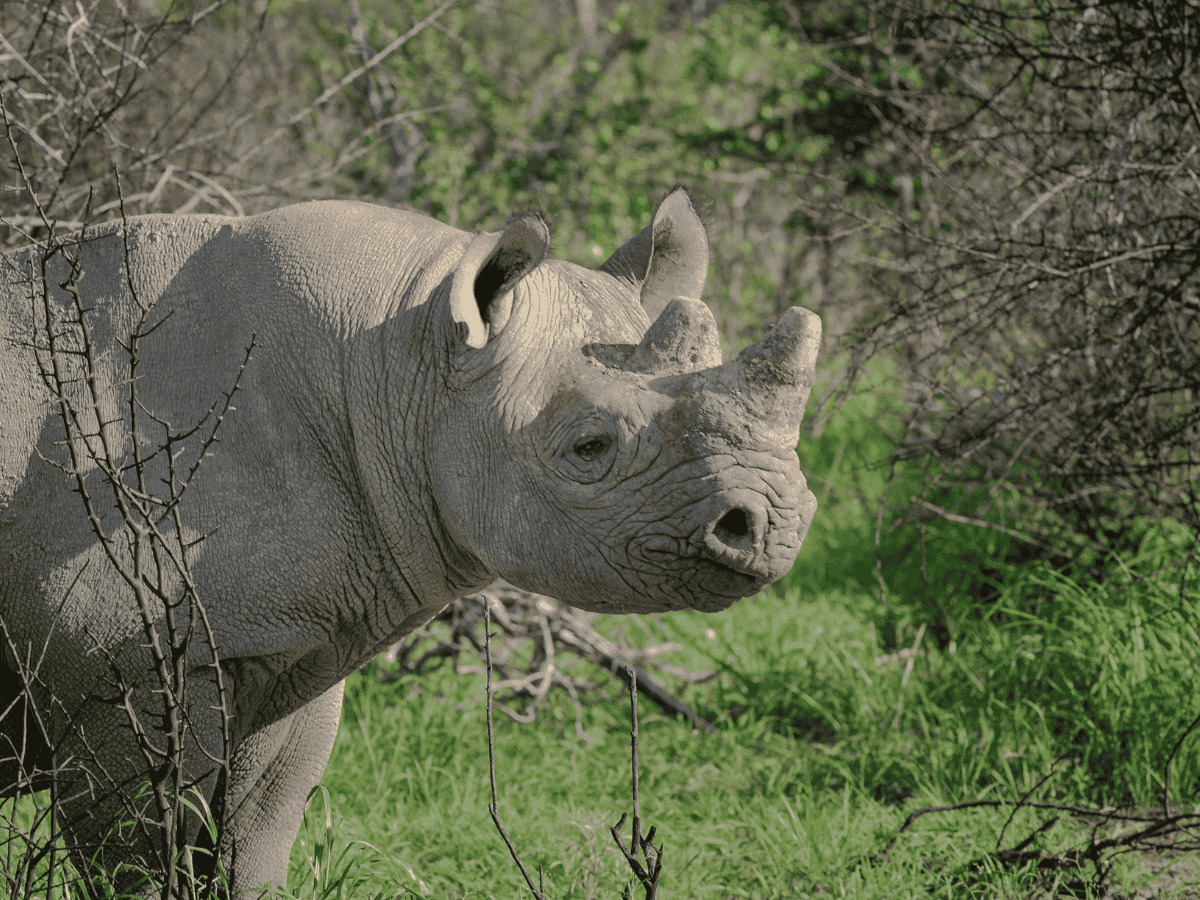
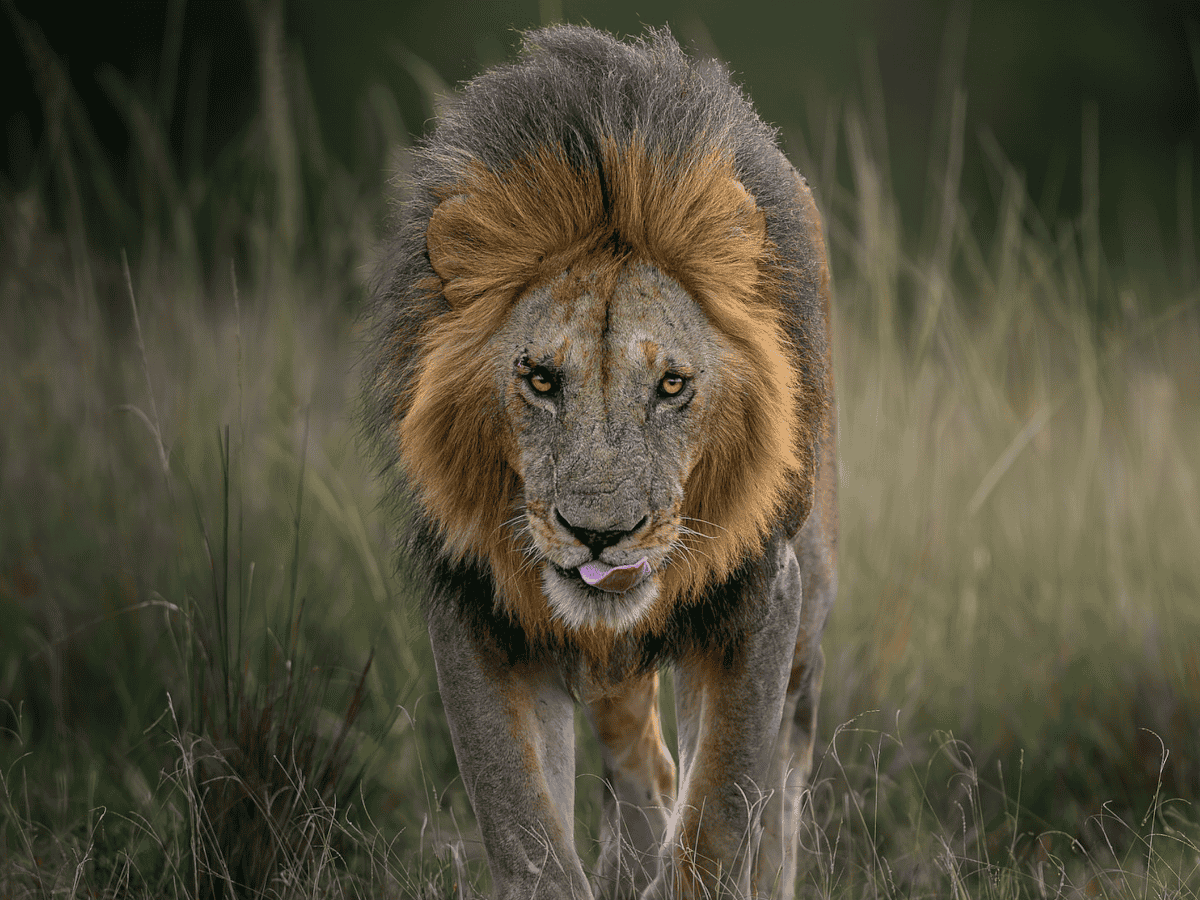
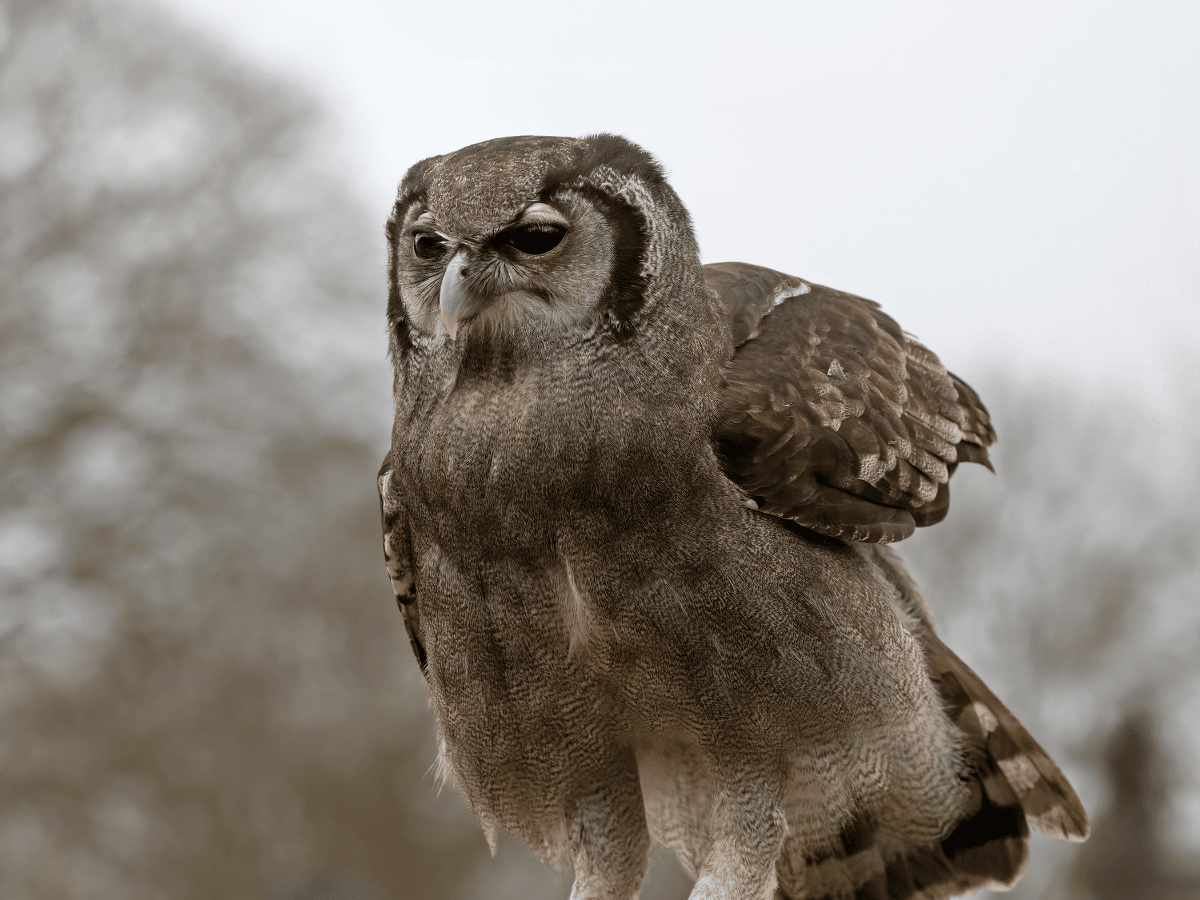
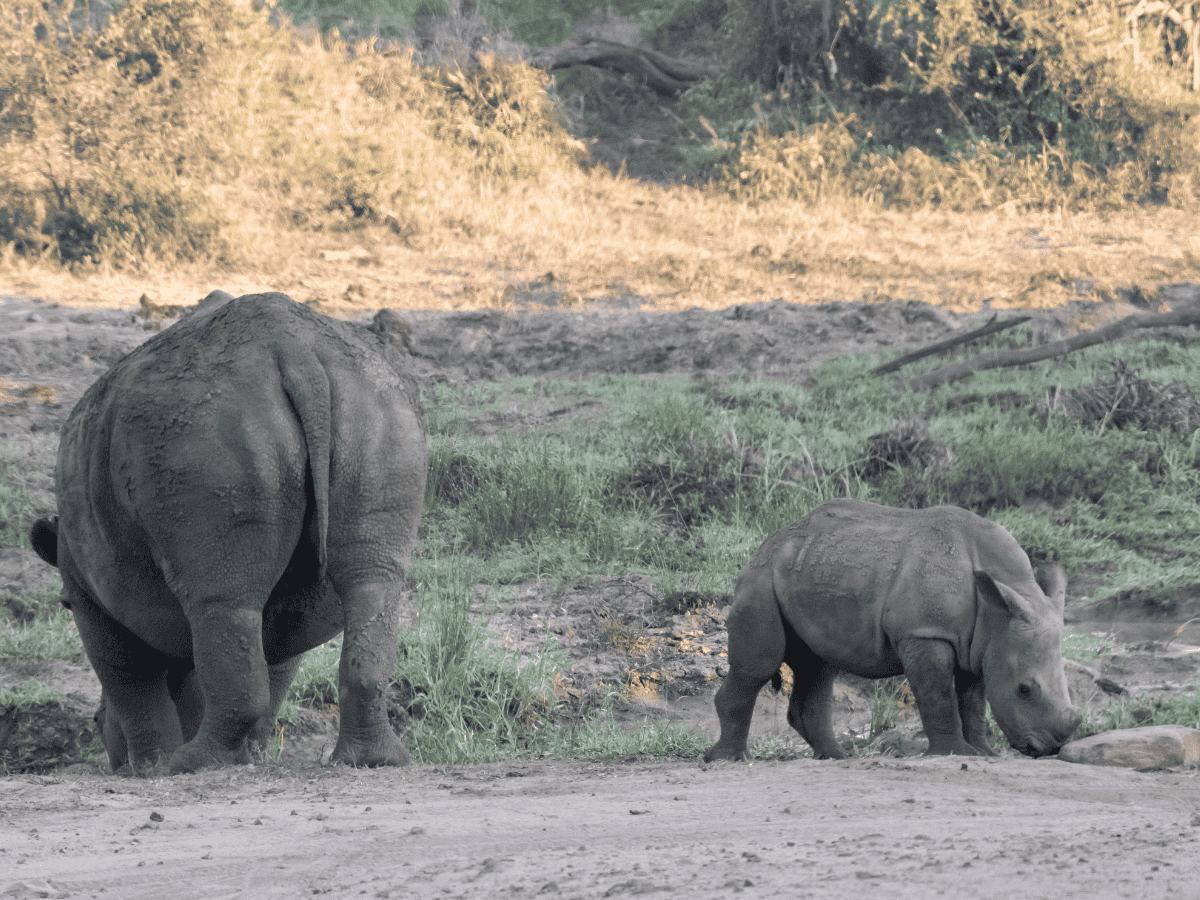
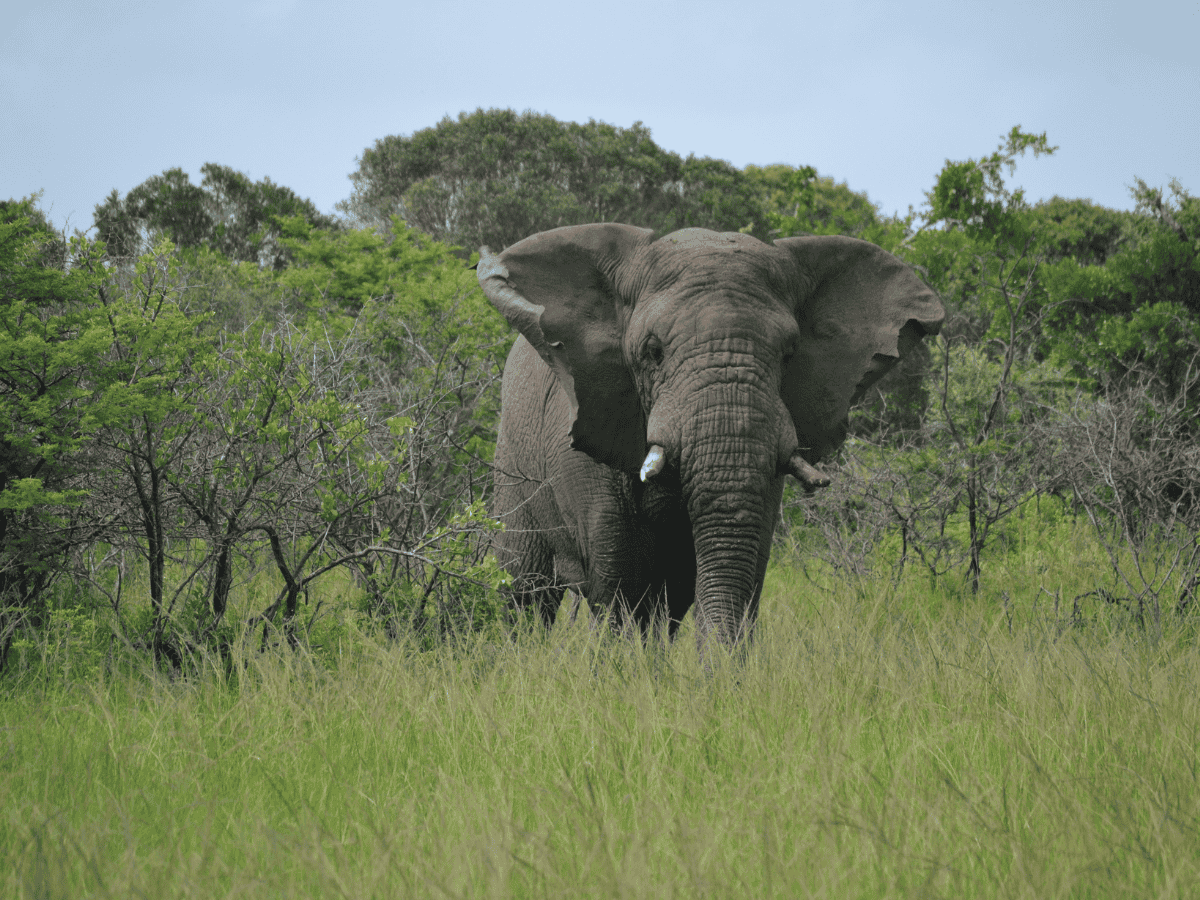
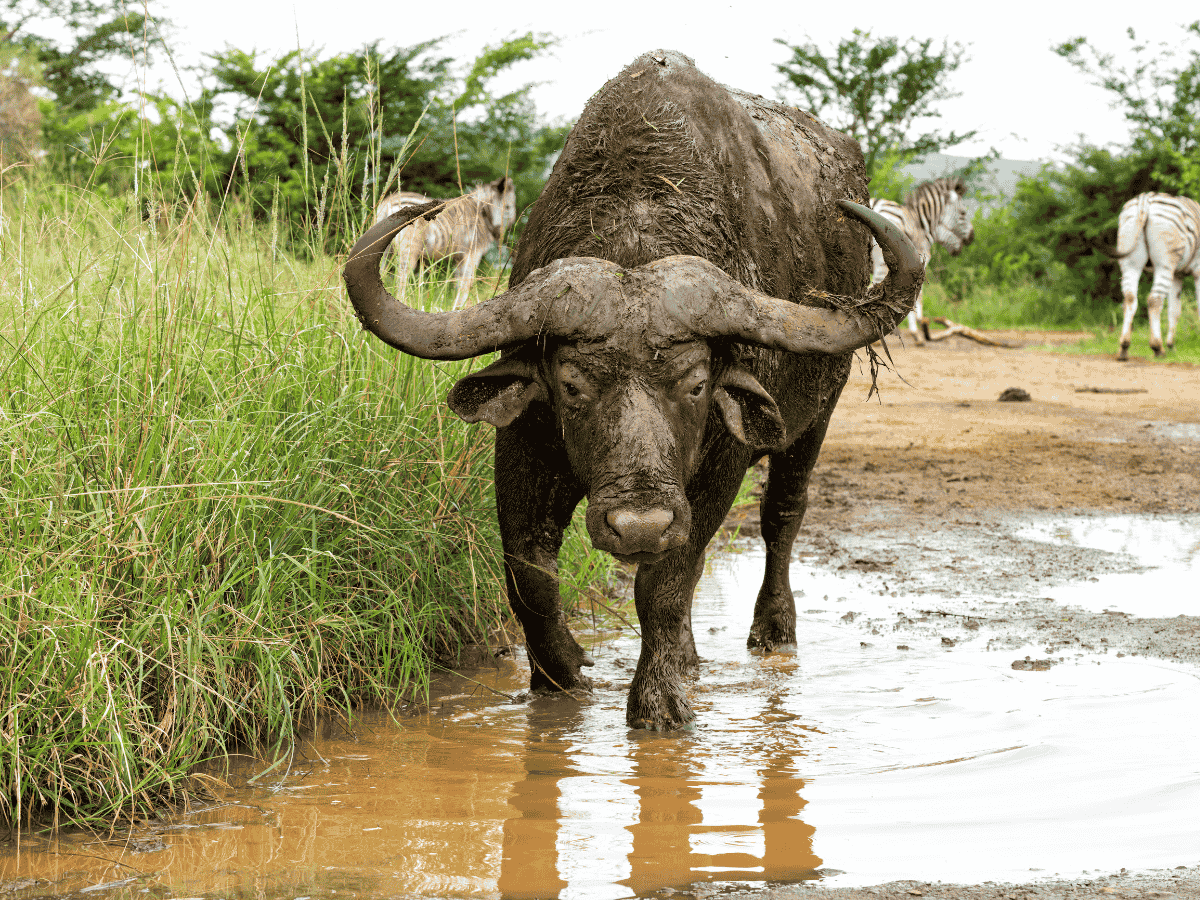
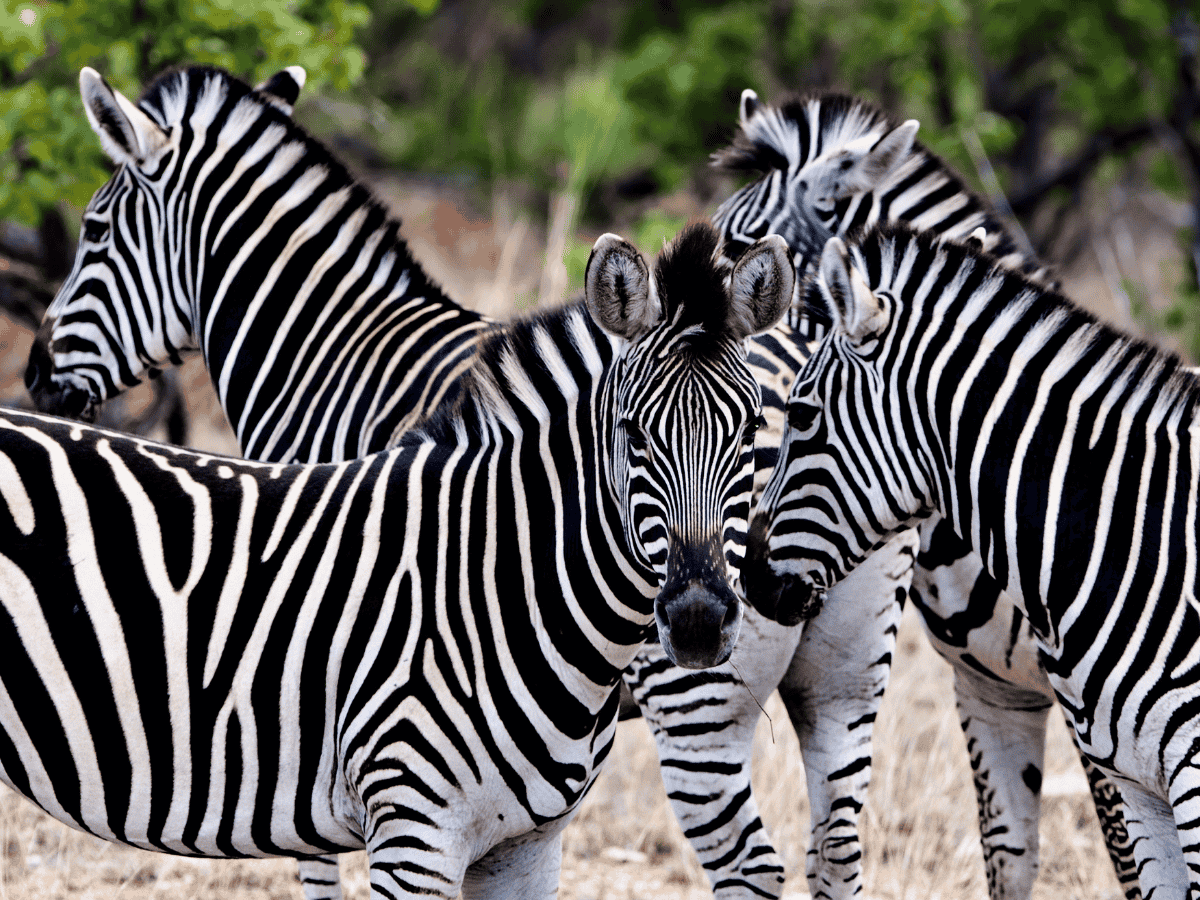
Zululand offers good Big Five viewing, particularly in Hluhluwe-iMfolozi and several private reserves. The region is especially famous for its white and black rhino populations due to historic conservation efforts. Other commonly seen animals include elephants, lions, buffalo, giraffes, zebras, and various antelope species. The surrounding wetlands and forests support exceptional birdlife with hundreds of recorded species.
› More About Wildlife
Parks & Reserves
Hluhluwe-iMfolozi Game Reserve is the region’s most famous wildlife area and offers a large protected landscape with strong rhino populations. Private reserves such as Phinda Private Game Reserve, Thanda Private Game Reserve, and Manyoni Private Game Reserve provide guided safari experiences and smaller tourism densities. Nearby uMkhuze Game Reserve offers excellent birdwatching and hides overlooking waterholes.
› More About Parks & Reserves
Best Time To Visit
Wildlife viewing is usually best during the dry winter months from May to September when vegetation is thinner, and animals concentrate around water sources. Summer, from October to April, brings hot temperatures and seasonal rainfall. The landscape becomes greener, and birdlife is particularly active, although thicker vegetation can make wildlife sightings more challenging.
› Explore Best Time To Visit
Access & Getting There
Most visitors reach the Zululand Safari Region from Durban, which is the closest major city and international gateway. From Durban, the reserves are accessible by road within several hours. Some lodges have nearby airstrips for charter flights. The region’s main parks and reserves are connected by well-maintained roads.
› Explore Access & Getting There
Health & Safety
Parts of the Zululand Safari Region fall within a malaria risk area, so travellers should seek medical advice before visiting. Guided safari activities follow strict safety procedures, and visitors should follow instructions from guides at all times. Standard travel precautions are recommended when travelling between reserves and nearby towns.
› Explore Health & Safety
Highlights
The Zululand Region combines wildlife conservation, coastal wetlands, and rich cultural history along South Africa’s northeastern coast. The area is best known for Hluhluwe-iMfolozi Game Reserve, one of Africa’s oldest protected areas and a stronghold for white rhino conservation. Nearby private reserves such as Phinda and Manyoni offer more exclusive safari experiences, while iSimangaliso Wetland Park protects lakes, forests, beaches, and coral reefs. Together these landscapes create a region where classic safari, coastal ecosystems, and Zulu heritage intersect.
Hluhluwe-iMfolozi Game Reserve
Hluhluwe-iMfolozi Game Reserve is one of Africa’s oldest conservation areas and played a crucial role in saving the white rhino from extinction. The reserve’s rolling hills and river valleys support diverse wildlife including the Big Five. Travellers explore a network of scenic roads and viewpoints, experiencing both strong wildlife sightings and a landscape that feels wilder and more varied than many other reserves.
› More About Hluhluwe-iMfolozi Game Reserve
iSimangaliso Wetland Park
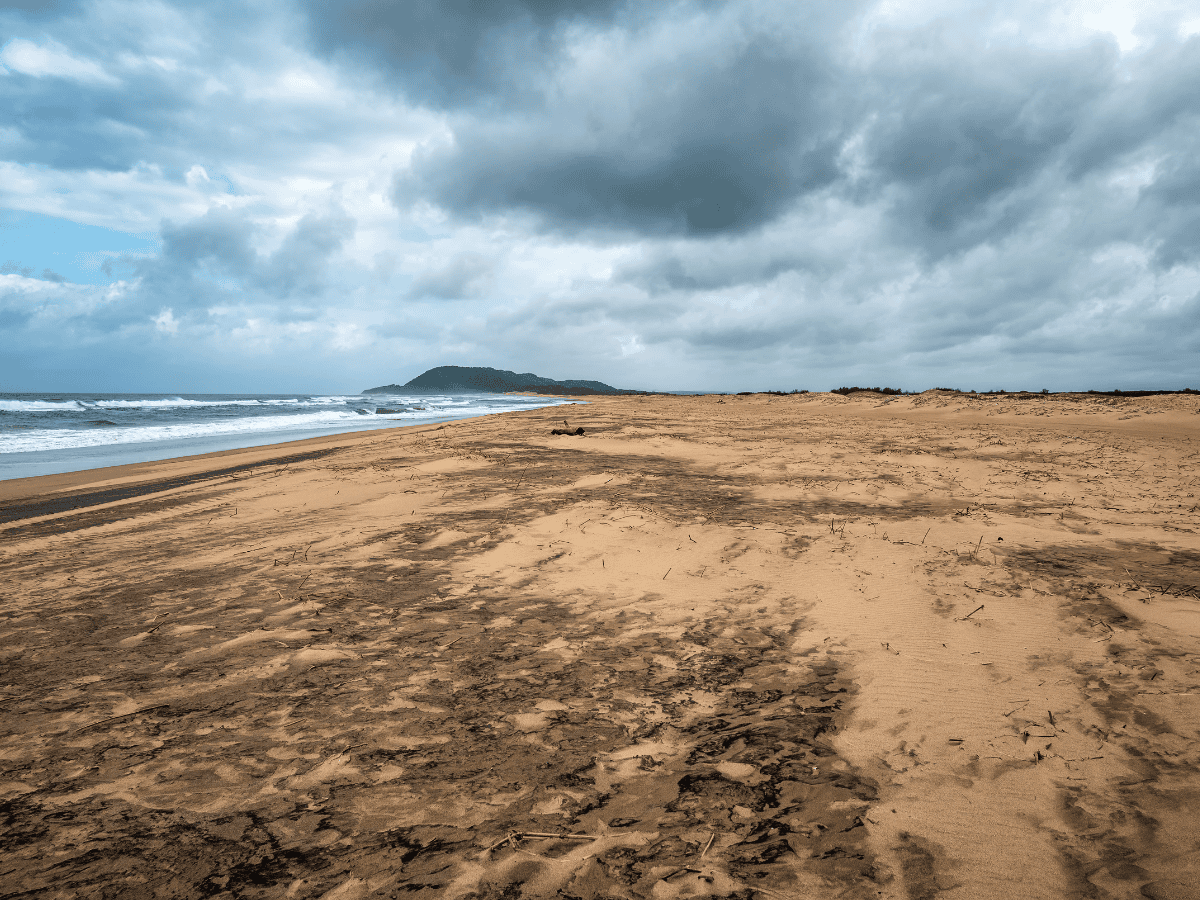
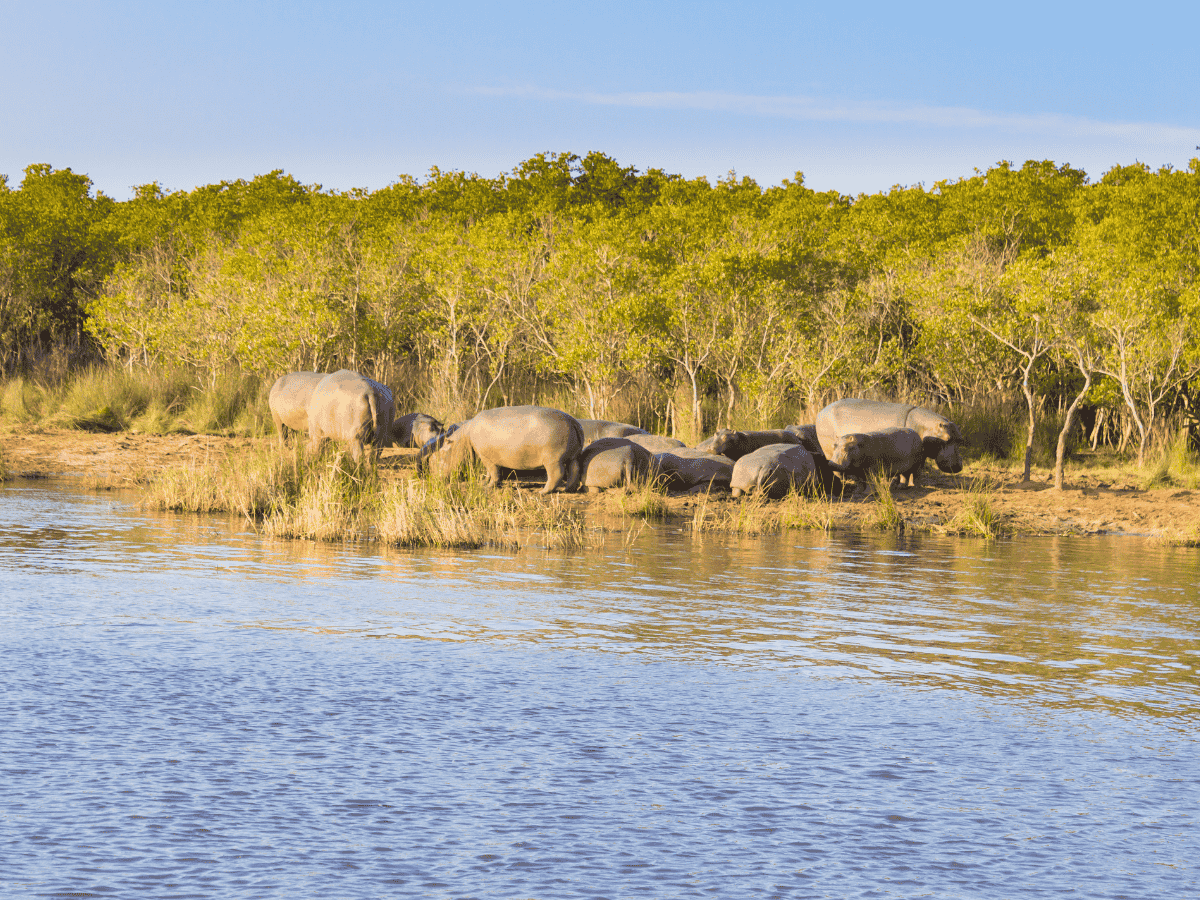
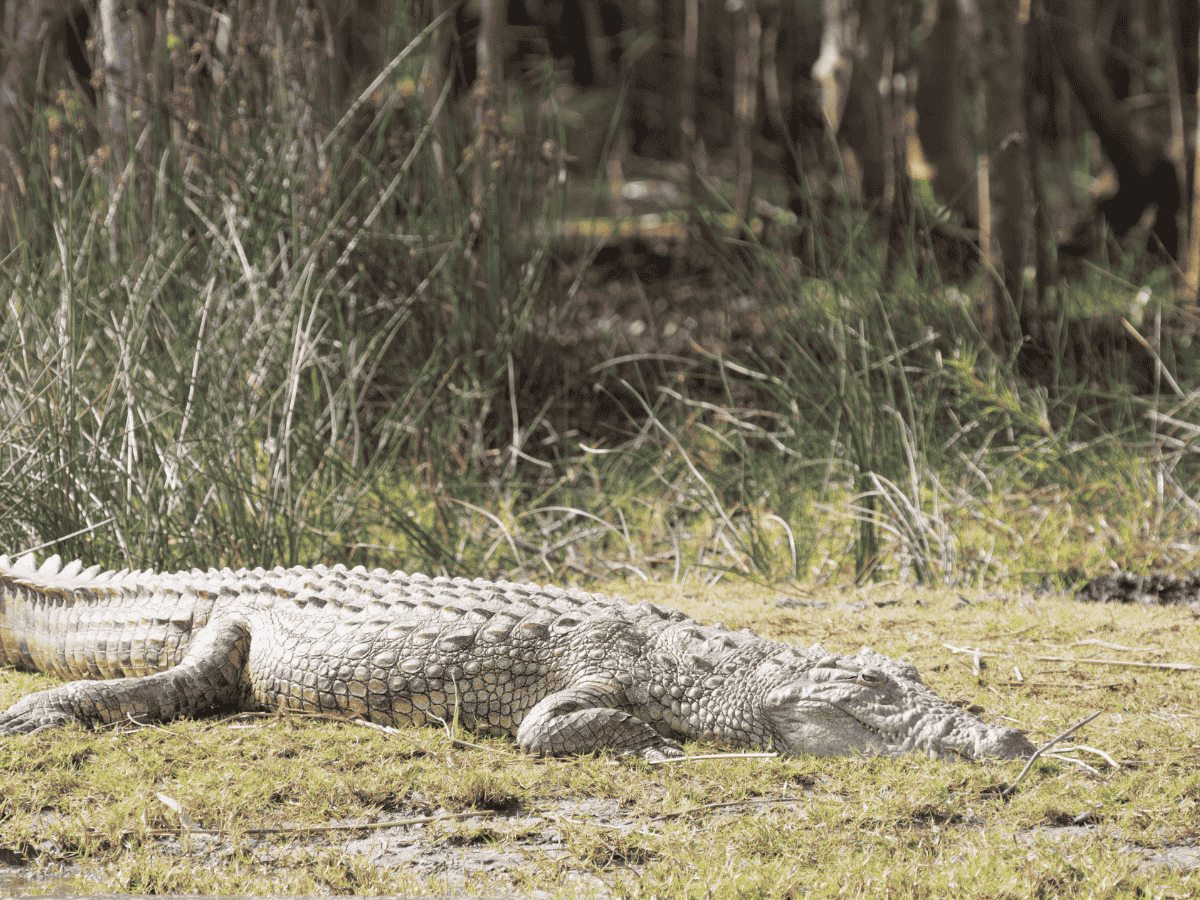
iSimangaliso Wetland Park is a vast UNESCO World Heritage Site stretching along the Indian Ocean coastline. The park protects an extraordinary variety of ecosystems including lakes, coastal dunes, wetlands, coral reefs, and beaches. Visitors may encounter hippos and crocodiles in Lake St Lucia, explore forest and grassland habitats, or reach remote coastal areas where marine life, turtles, and birdlife are part of the experience.
› More About iSimangaliso Wetland Park
Phinda Private Game Reserve
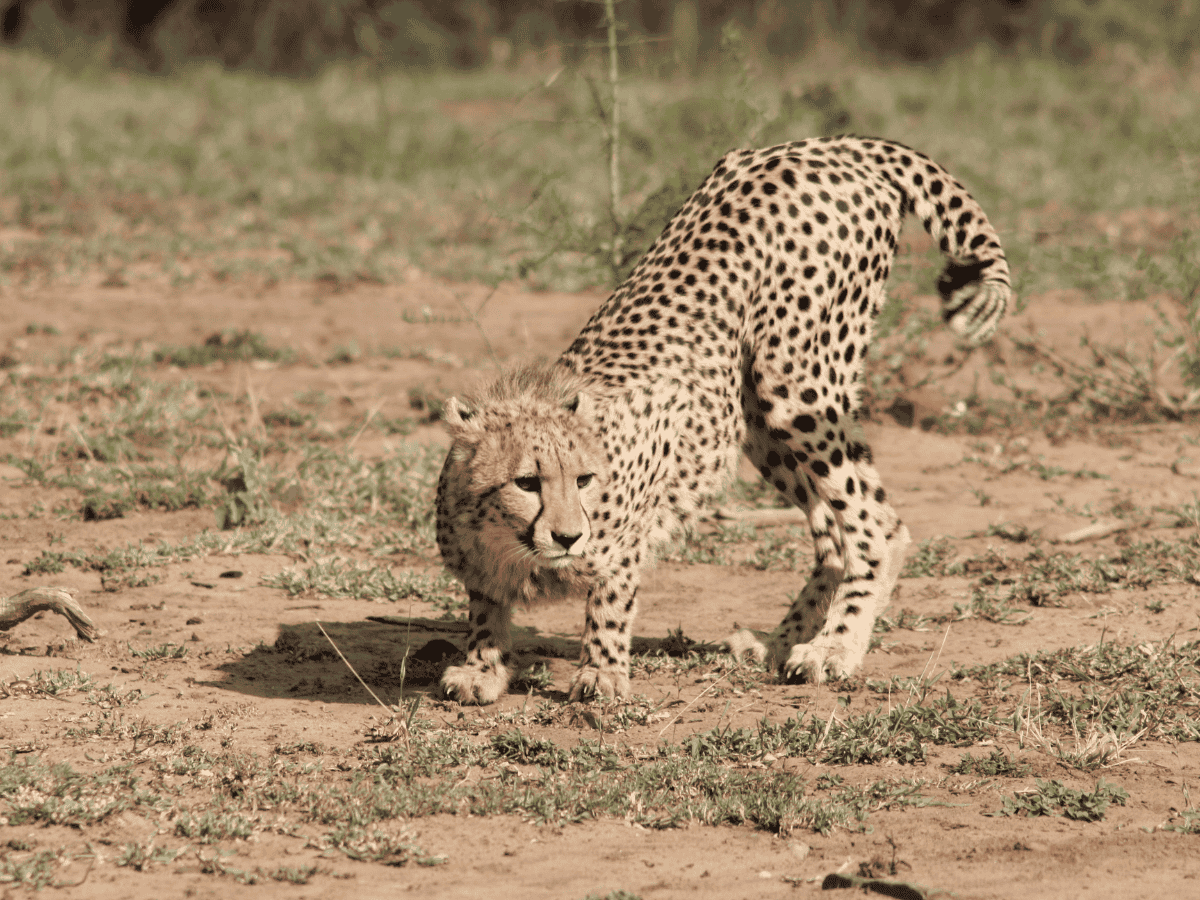
Phinda Private Game Reserve is known for combining high-quality wildlife viewing with striking ecological diversity. The reserve contains several distinct habitats including sand forests, grasslands, and wetlands, creating varied game viewing opportunities. Visitors often see the Big Five as well as cheetah and rare species, while the reserve’s private lodges provide guided safari experiences in a quieter and more exclusive setting.
› More About Phinda Private Game Reserve
Manyoni Private Game Reserve
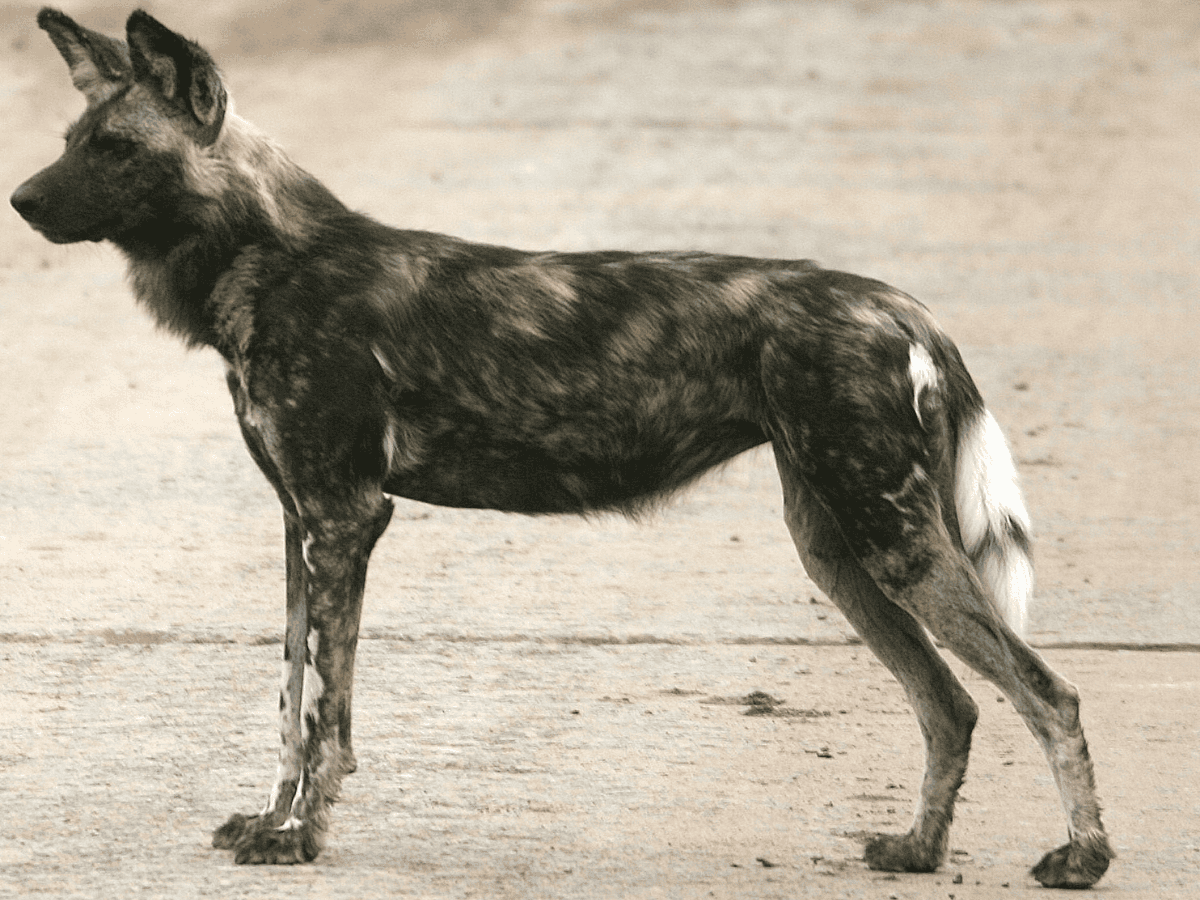
Manyoni Private Game Reserve is a growing conservation area within Zululand that offers a quieter safari environment with fewer visitors. The reserve supports the Big Five along with species such as cheetah and African wild dog. Guided game drives focus on intimate wildlife encounters and conservation-driven tourism, giving travellers access to a developing reserve that still retains a sense of wilderness.
› More About Manyoni Private Game Reserve
St Lucia Estuary
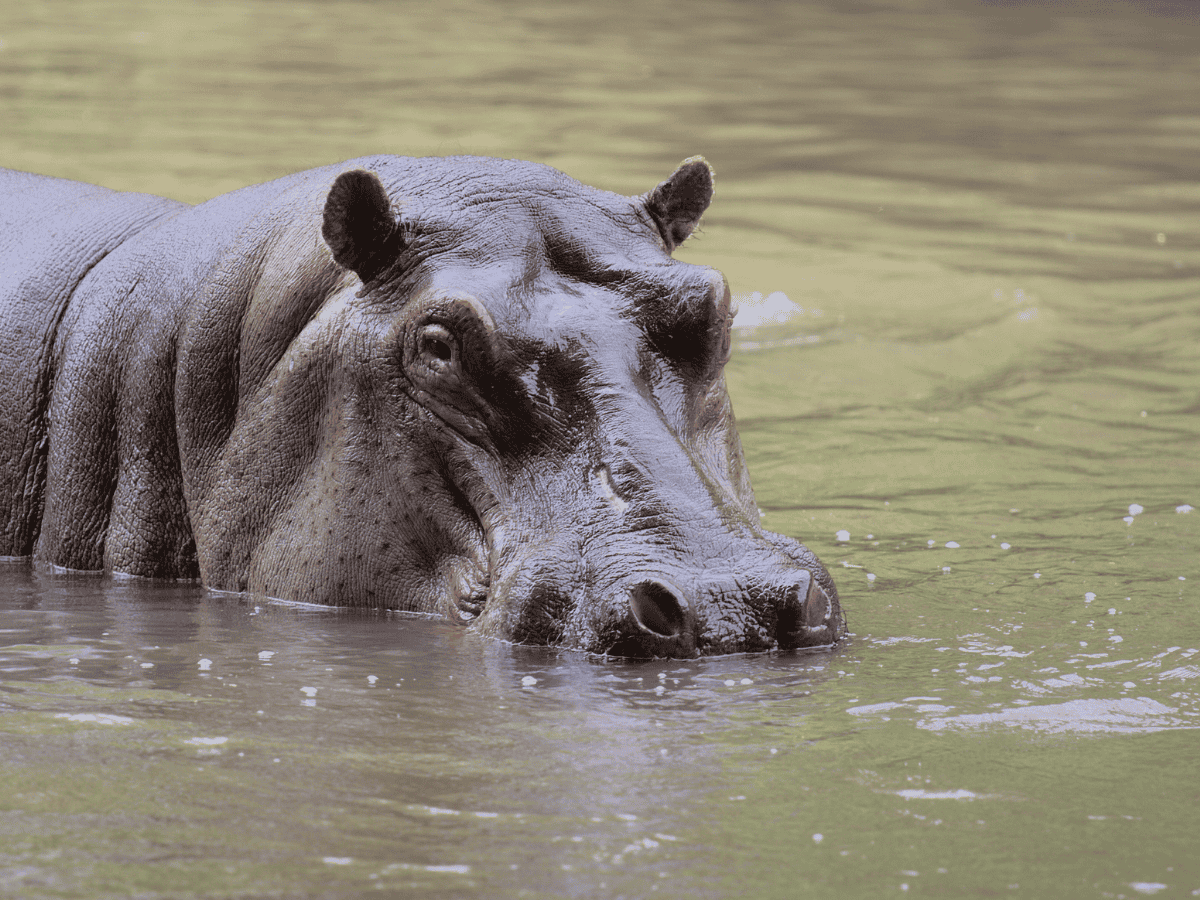
St Lucia Estuary forms the heart of the iSimangaliso Wetland Park and is one of the largest estuarine systems in Africa. The waterways are famous for large populations of hippos and Nile crocodiles, as well as exceptional birdlife. Boat excursions along the estuary allow travellers to observe wildlife from the water while exploring the region’s unique wetland landscapes.
› More About St Lucia Estuary
Where To Go
The Zululand Region offers a diverse safari landscape combining historic conservation areas, private reserves, and unique coastal ecosystems. Travellers can explore classic Big Five reserves such as Hluhluwe-iMfolozi, conservation-focused private reserves, and the vast wetland and coastal habitats of iSimangaliso Wetland Park. The region is particularly known for its role in rhino conservation and its variety of habitats, ranging from savanna bushveld and river systems to lakes, wetlands, and coastal forests.
Top Rated Parks & Reserves
| Top Rated Parks & Reserves in this Region |
| 🥇 Hluhluwe-iMfolozi Game Reserve 🥇 Phinda Private Game Reserve 🥈 iSimangaliso Wetland Park 🥈 Thanda Private Game Reserve 🥈 Manyoni Private Game Reserve |
🥇 Flagship Parks & Reserves - the top-rated parks & reserves in this region.
🥈 Complementary Parks & Reserves - a strong addition to your safari itinerary
All Parks & Reserves
iSimangaliso Wetland Park (Zululand Region)
› A UNESCO World Heritage Site known for lakes, wetlands, coastal forests, and diverse wildlife including hippos, crocodiles, marine life, and migratory bird species.
uMkhuze Game Reserve (Zululand Region)
› A historic reserve known for fig forests, productive waterhole hides, strong rhino populations, and excellent birdwatching opportunities.
🥇 Hluhluwe-iMfolozi Game Reserve (Zululand Region)
› One of Africa’s oldest protected areas, famous for its role in saving the white rhino and its scenic rolling hills supporting diverse wildlife.
🥇 Phinda Private Game Reserve (Zululand Region)
› A renowned conservation reserve known for seven distinct habitats, strong cheetah populations, and high-end safari experiences.
Thanda Private Game Reserve (Zululand Region)
› A private reserve known for luxury lodges, strong Big Five sightings, and cultural and conservation initiatives.
Manyoni Private Game Reserve (Zululand Region)
› A conservation-focused reserve known for reintroduced species, diverse wildlife habitats, and productive Big Five sightings.
› View All Parks & Reserves
Wildlife
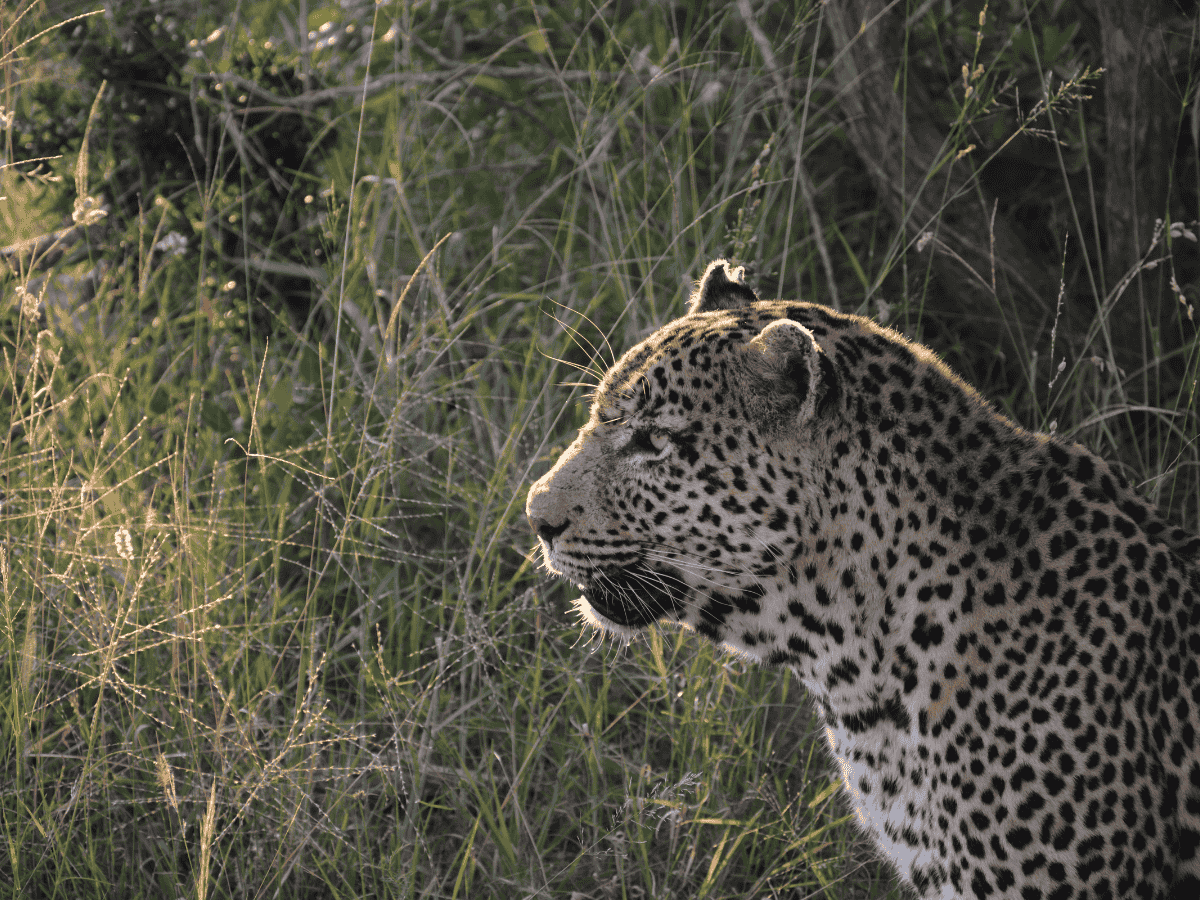
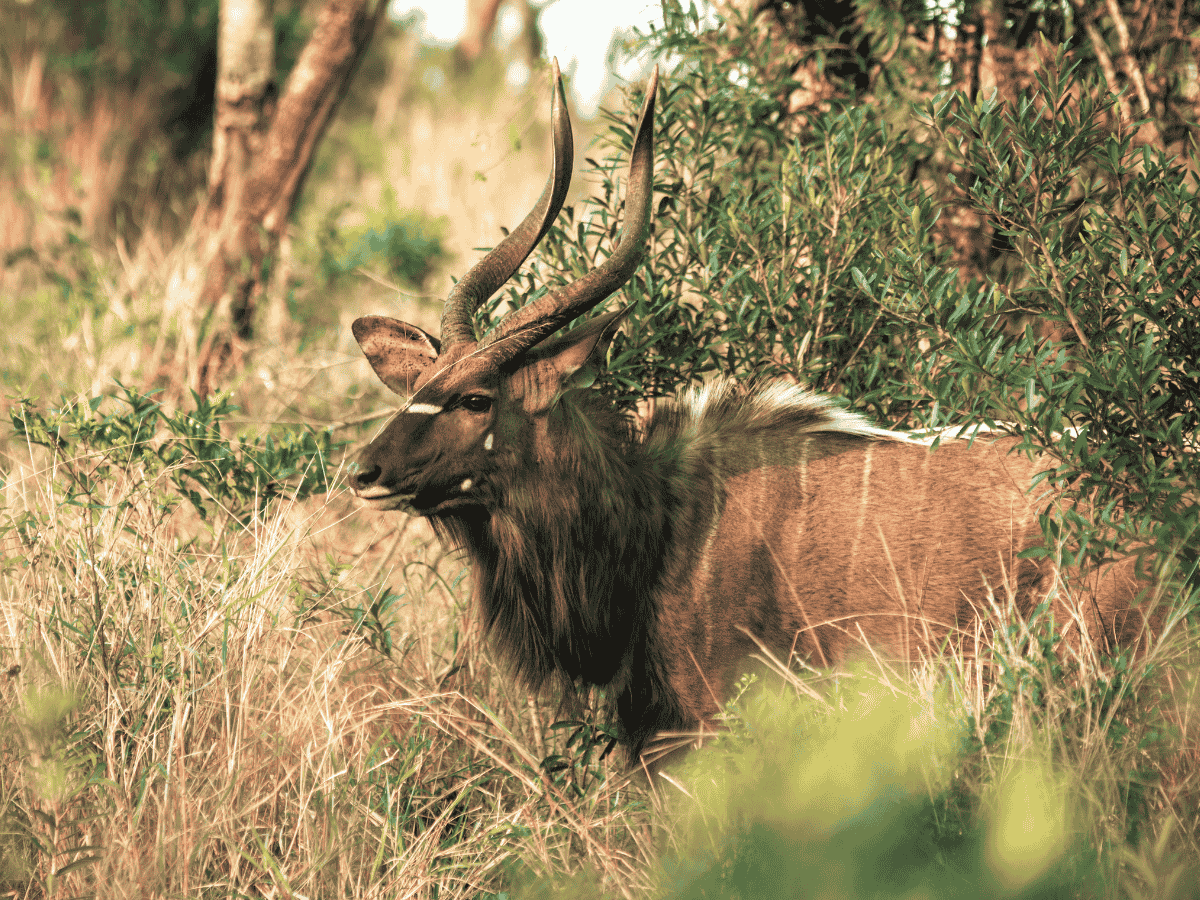
The Zululand Region offers diverse wildlife across savanna, woodland, and wetland habitats. Visitors regularly see elephant, rhino, buffalo, and giraffe, along with nyala and other antelope. Predator sightings include lion, leopard, and cheetah, with strong populations supported by well-managed reserves and conservation areas.
Wildlife Highlights
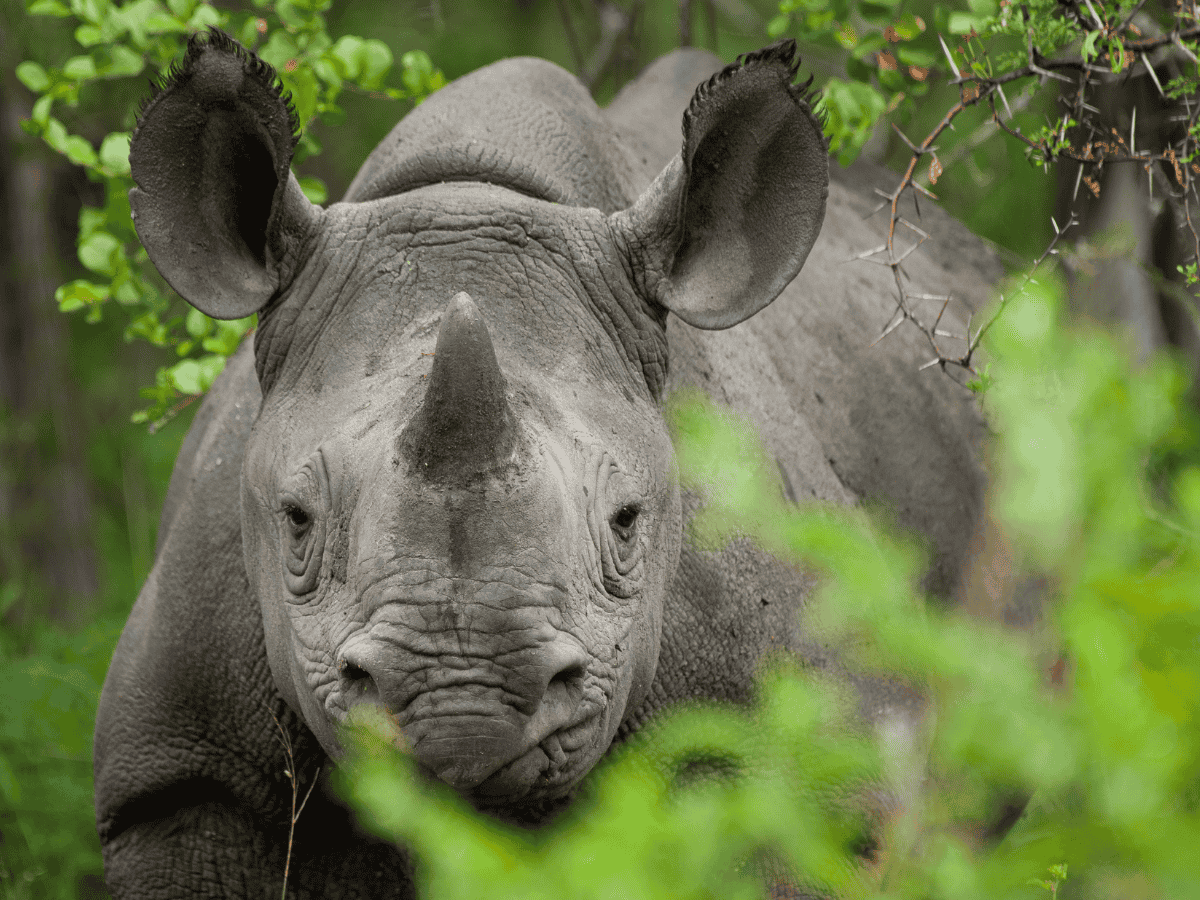
Zululand is one of South Africa’s strongest regions for rhino conservation, with both white and black rhino seen regularly. Elephant and buffalo are common, while cheetah and wild dog add excitement in private reserves. The mix of open savanna and dense bush creates varied and rewarding wildlife encounters.
When To Go For Wildlife Viewing
Wildlife viewing is best during the dry winter months from May to September. Vegetation is thinner and animals gather around water, improving visibility. Summer months bring thicker bush and scattered wildlife, but the landscape becomes greener and more active after seasonal rains.
Wildlife Viewing By Month | ||
Jan | Feb | Mar |
Apr | May | Jun |
July | Aug | Sep |
Oct | Nov | Dec |
= Excellent = Good = Fair = Poor
Best Parks & Reserves For Wildlife Viewing
Zululand’s best wildlife viewing is found in well-managed reserves with strong conservation focus and diverse habitats. These areas offer reliable Big Five sightings, particularly for rhino, along with good predator activity and varied ecosystems.
- 🥇 Phinda Private Game Reserve (Zululand Region)
› A diverse reserve known for cheetah, black rhino, and strong predator sightings.
- Hluhluwe-iMfolozi Game Reserve (Zululand Region)
› One of Africa’s most important rhino strongholds with excellent Big Five viewing.
- Manyoni Private Game Reserve (Zululand Region)
› A leading conservation reserve with high rhino density and growing predator populations.
- Thanda Private Game Reserve (Zululand Region)
› A private reserve offering reliable Big Five sightings with strong guiding standards.
uMkhuze Game Reserve (Zululand Region)
› Known for excellent birdlife, nyala, and good general game viewing in quieter surroundings.
› View All Parks & Reserves
Iconic Wildlife & Where To Find Them
Table showing the top parks and reserves where you will have the best chance at findig the wildlife you want to see:
🔵 Common in most parks; 🟢 Common in certain parks; 🟡 Occassional in some parks; 🔴 Rare in most parks; ⚫ Do not occur
Lion🟢 Common in certain parks | Leopard🟡 Occassional in some parks | Elephant🔵 Common in most parks |
🥇 Phinda Private Game Reserve
| 🥇 Phinda Private Game Reserve
| 🥇 Phinda Private Game Reserve
|
Buffalo🔵 Common in most parks | White Rhino🔵 Common in most parks | Black Rhino🟡 Occassional in some parks |
🥇 Hluhluwe-iMfolozi Game Reserve
| 🥇 Hluhluwe-iMfolozi Game Reserve
| 🥇 Manyoni Private Game Reserve
|
Giraffe🔵 Common in most parks | Wild Dog🟡 Occassional in some parks | Cheetah🟢 Common in certain parks |
🥇 Phinda Private Game Reserve
| 🥇 Hluhluwe-iMfolozi Game Reserve
| 🥇 Phinda Private Game Reserve
|
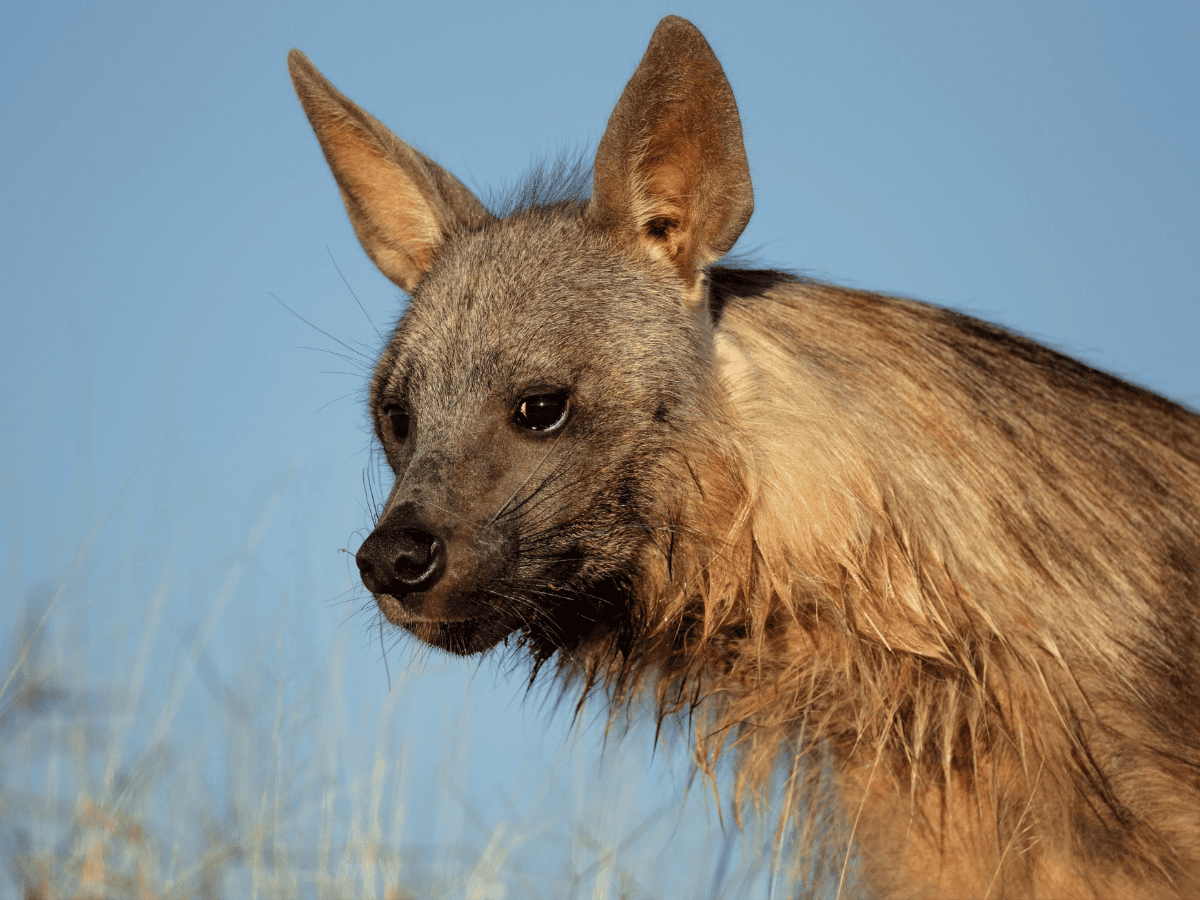
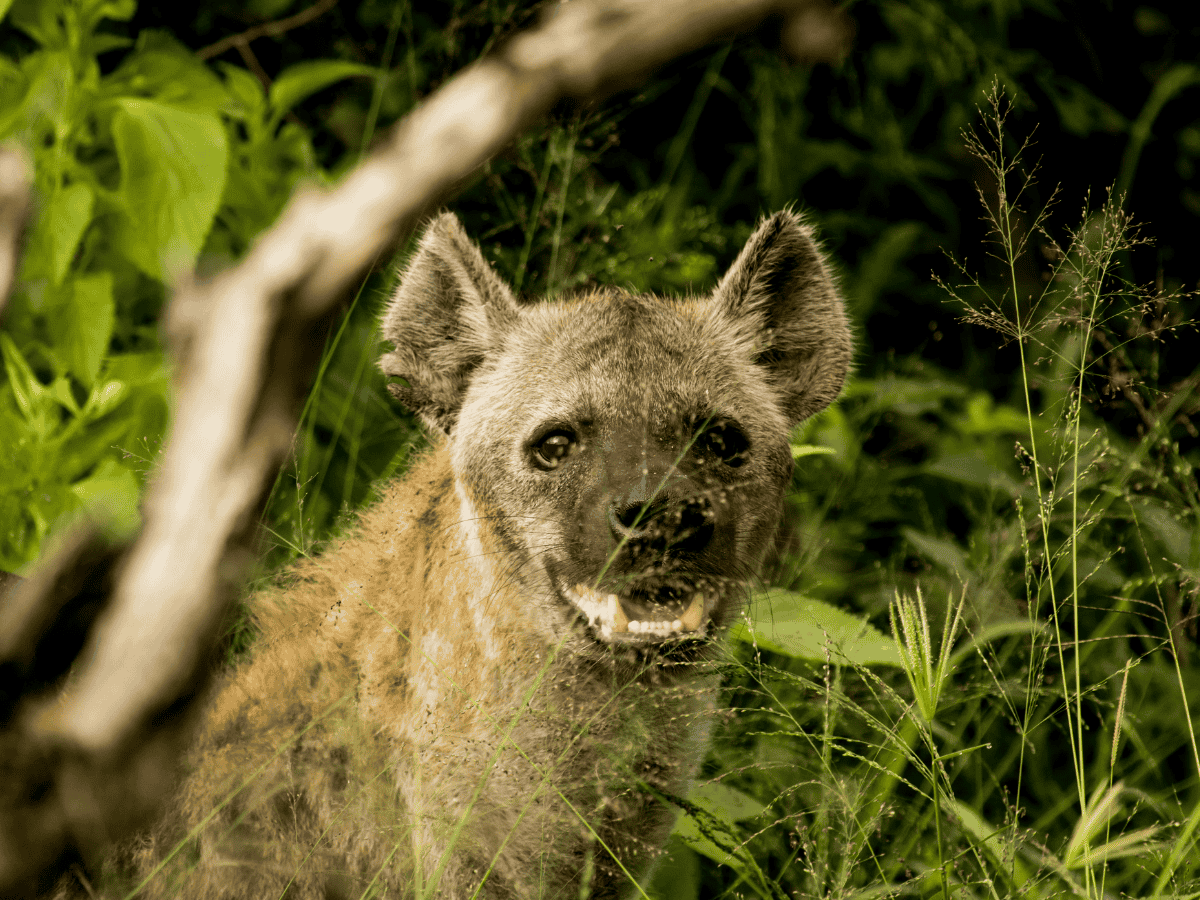
Spotted Hyena🟡 Occassional in some parks | Brown Hyena🔴 Rare in most parks | Hippo🔵 Common in most parks |
🥇 Phinda Private Game Reserve
| 🥇 Phinda Private Game Reserve
| 🥇 Hluhluwe-iMfolozi Game Reserve
|
Zebra🔵 Common in most parks | Wildebeest🔵 Common in most parks | Meerkat⚫ Do not occur |
🥇 Hluhluwe-iMfolozi Game Reserve
| 🥇 Hluhluwe-iMfolozi Game Reserve
|
|
Other Notable Wildlife
Other notable wildlife found in this country
- Greater Kudu
Eland
Sable Antelope
Roan Antelope
Waterbuck
Nyala
Bushbuck
Impala
Common Reedbuck
Warthog
Bushpig
Baboon
Vervet Monkey
Aardvark
Caracal
Serval
Honey Badger
African Civet
Black-backed Jackal
Side-striped Jackal
Birds
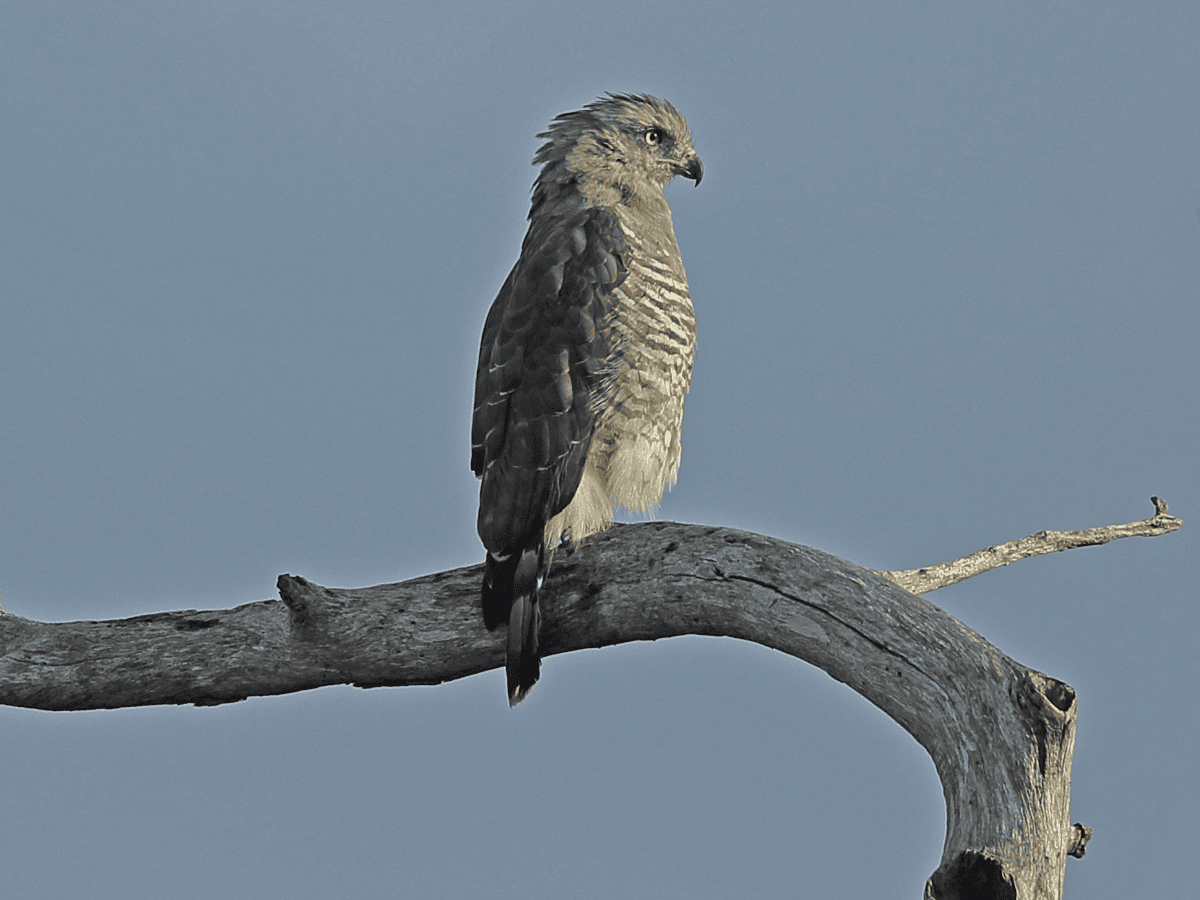
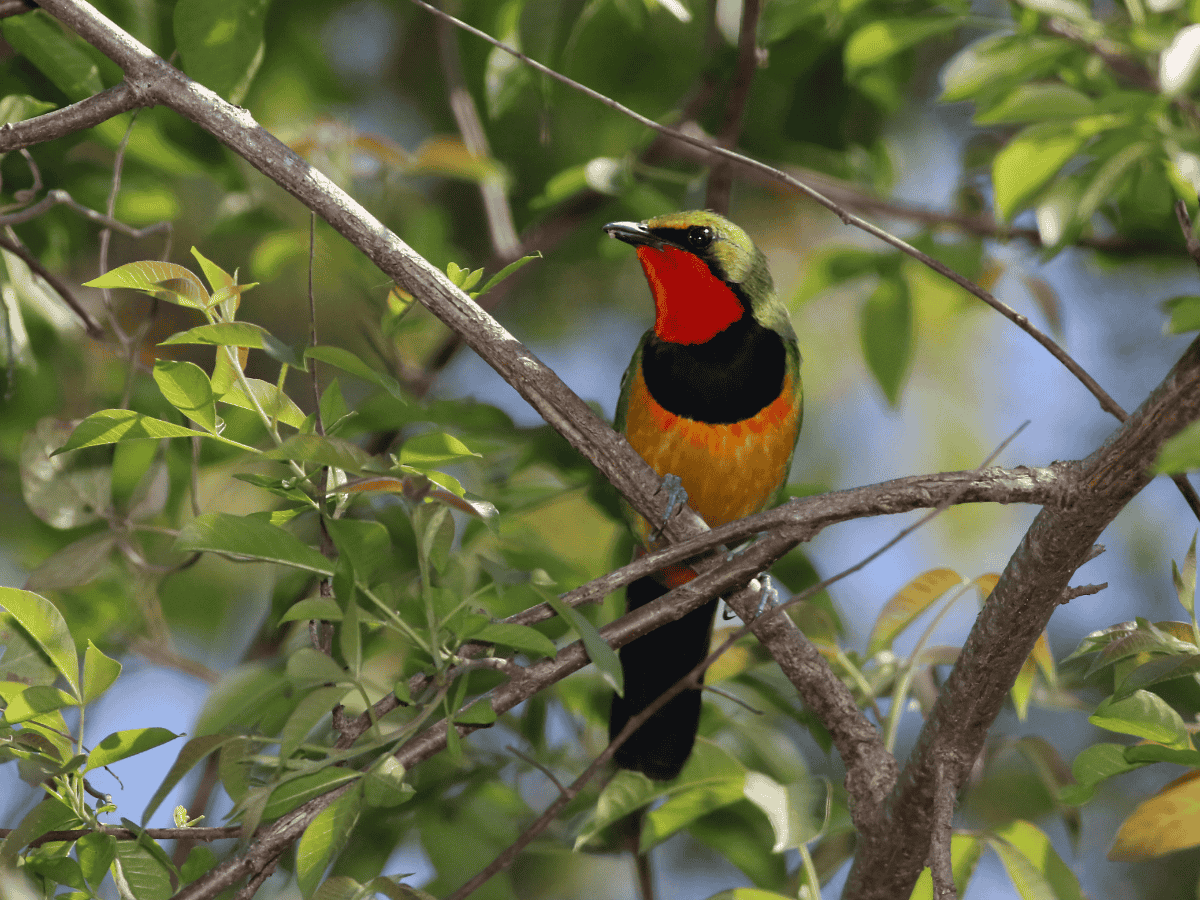
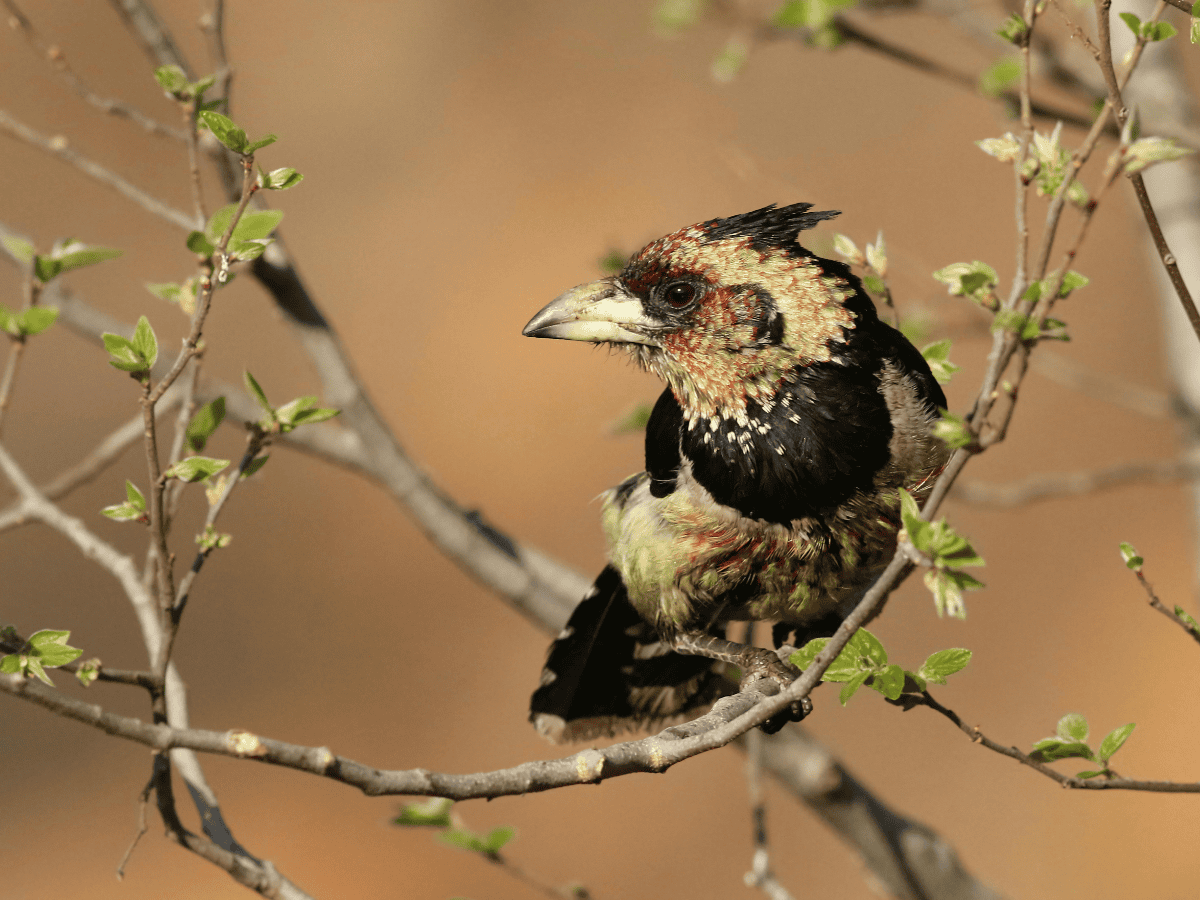
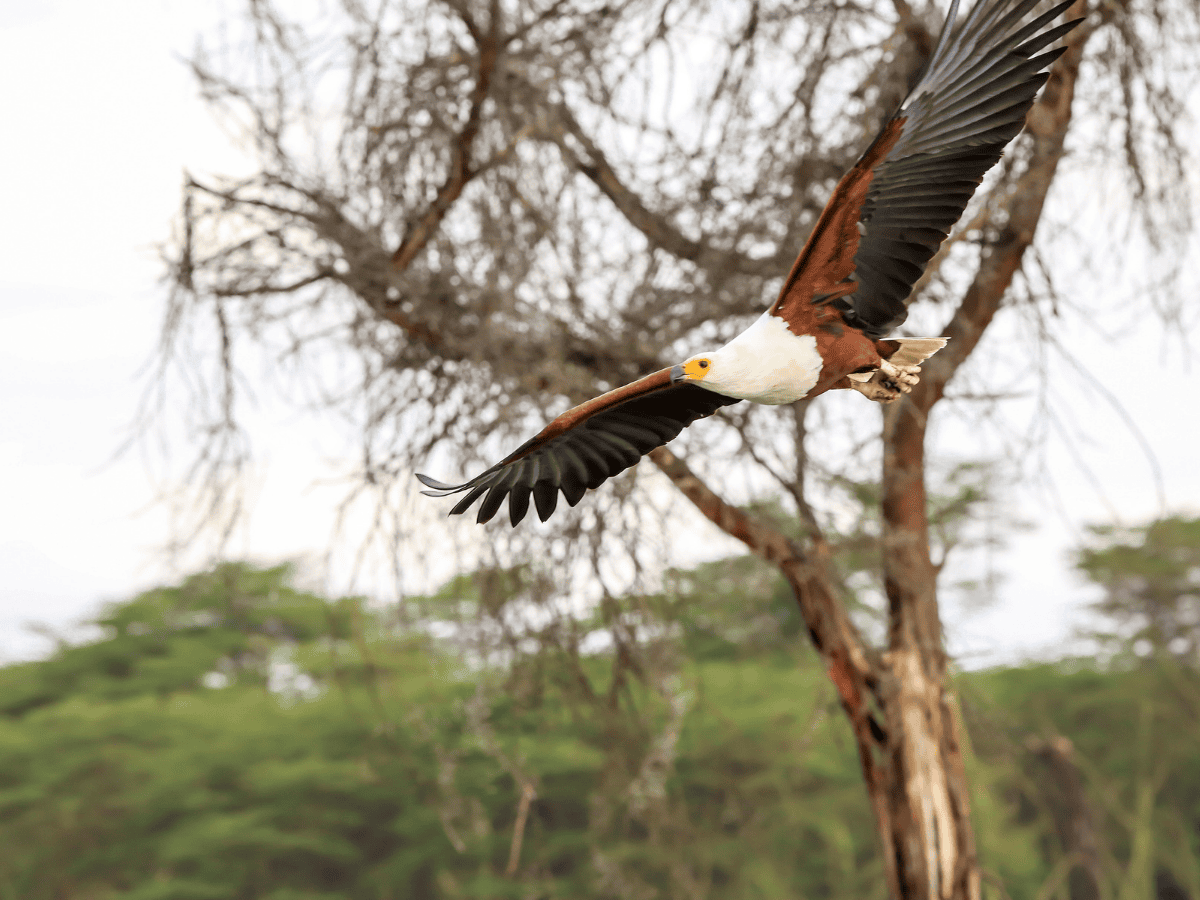
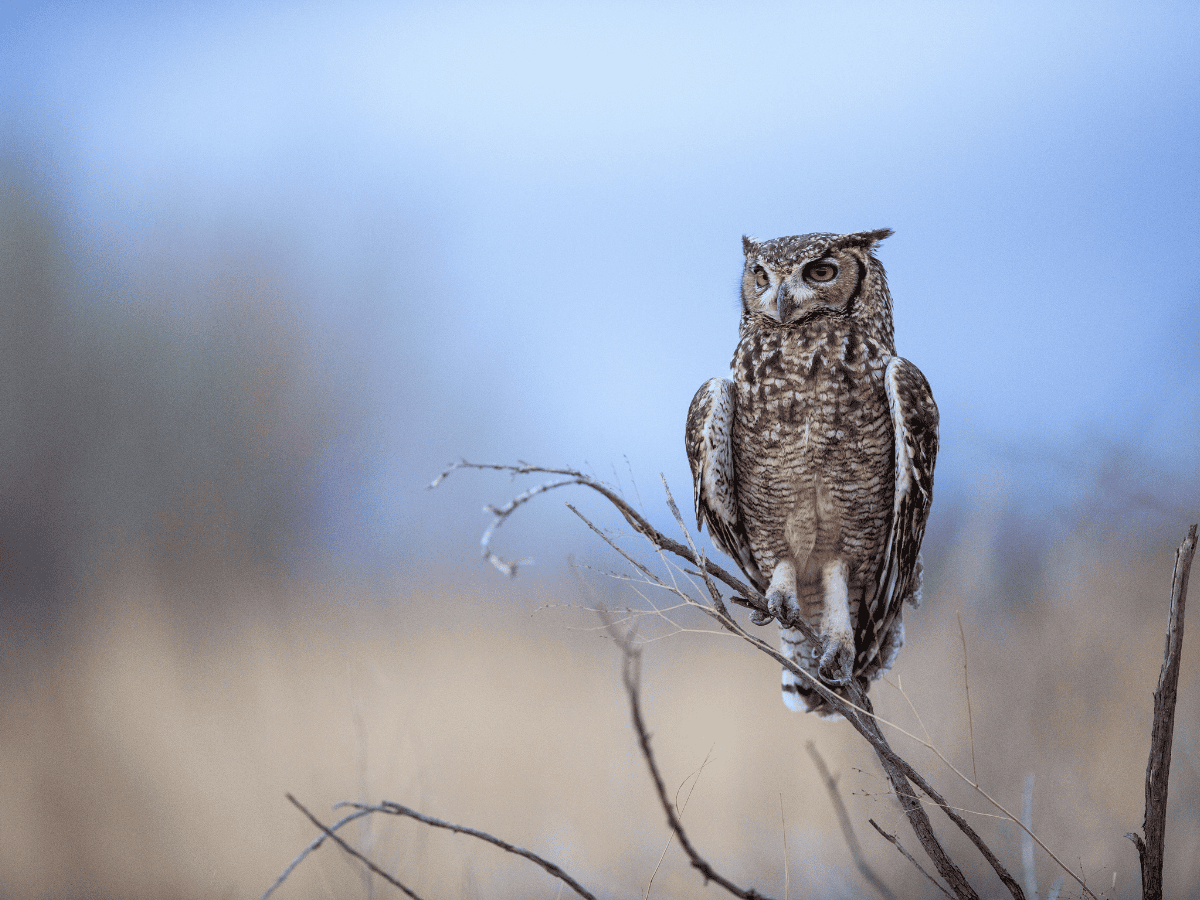
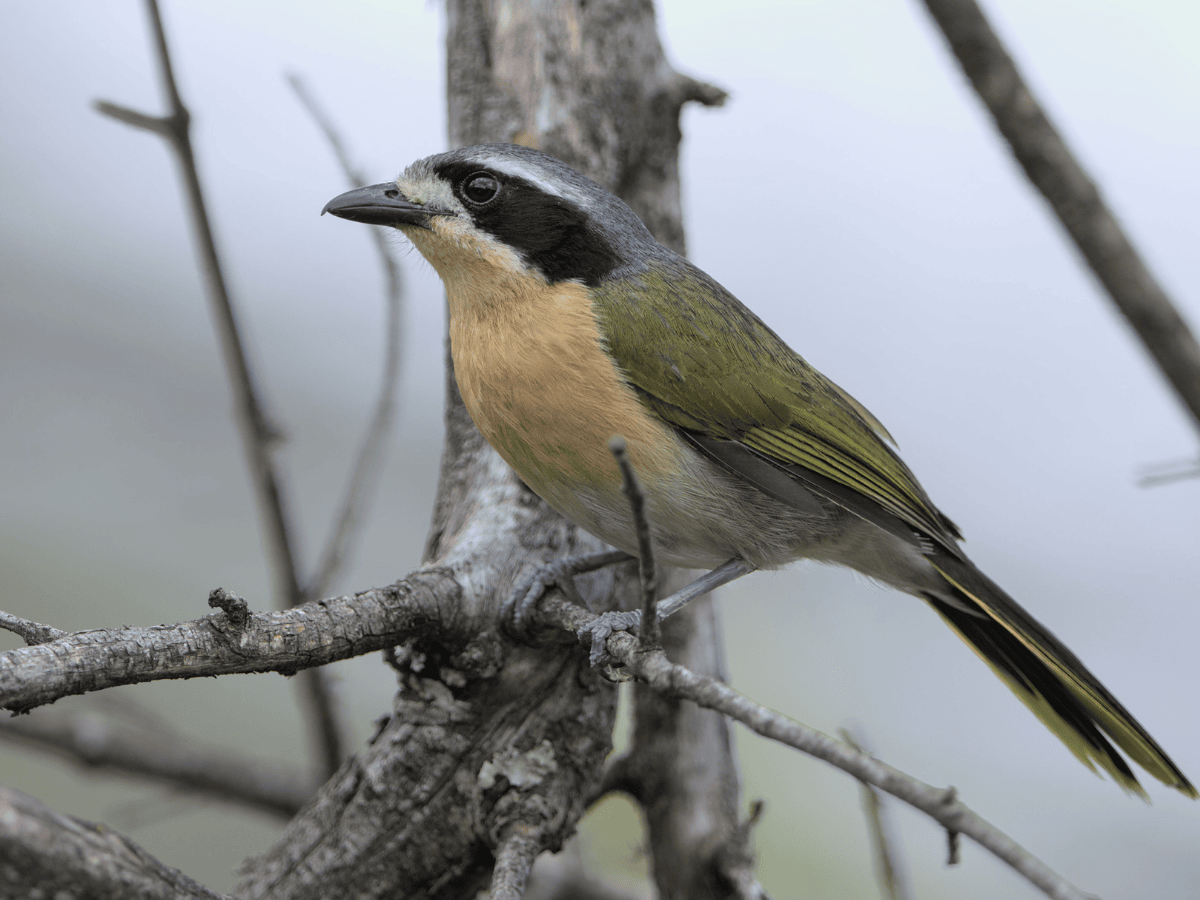
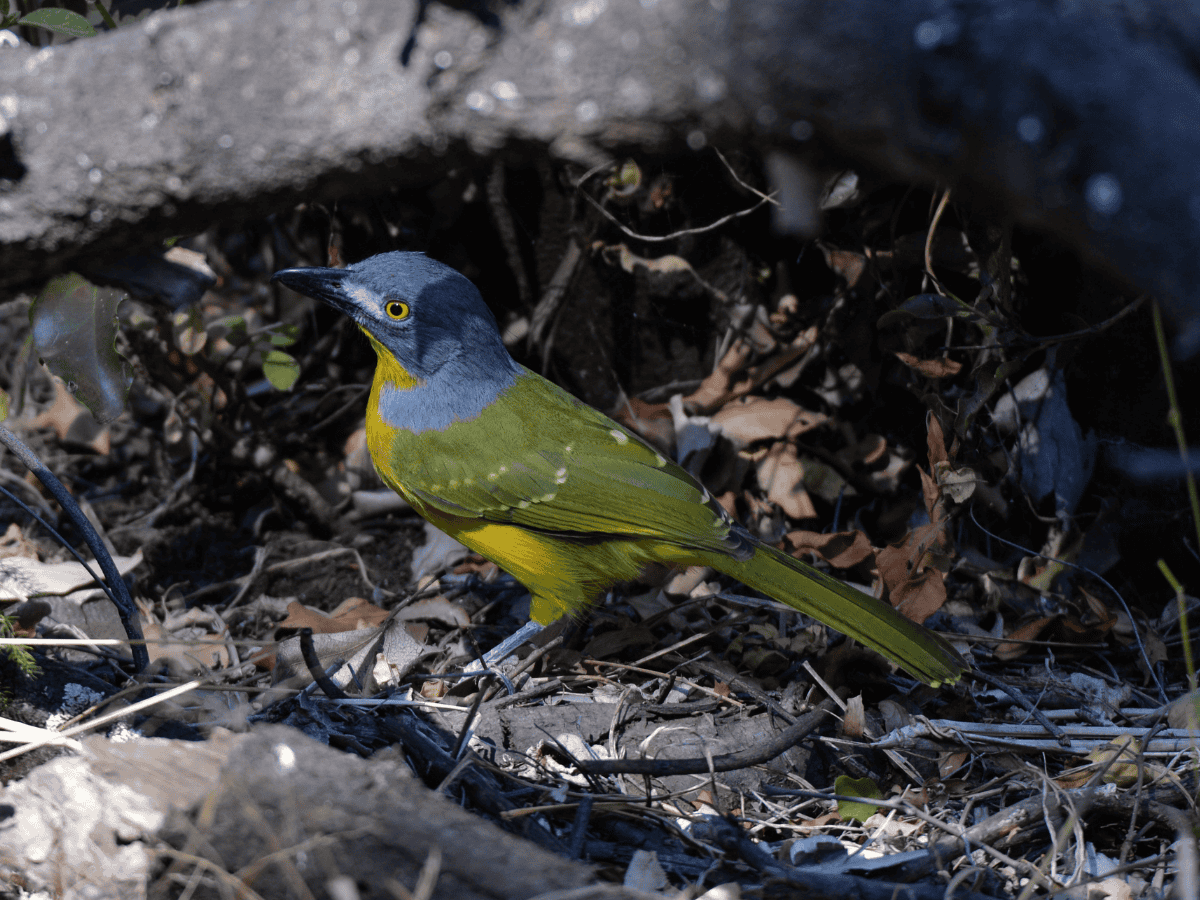
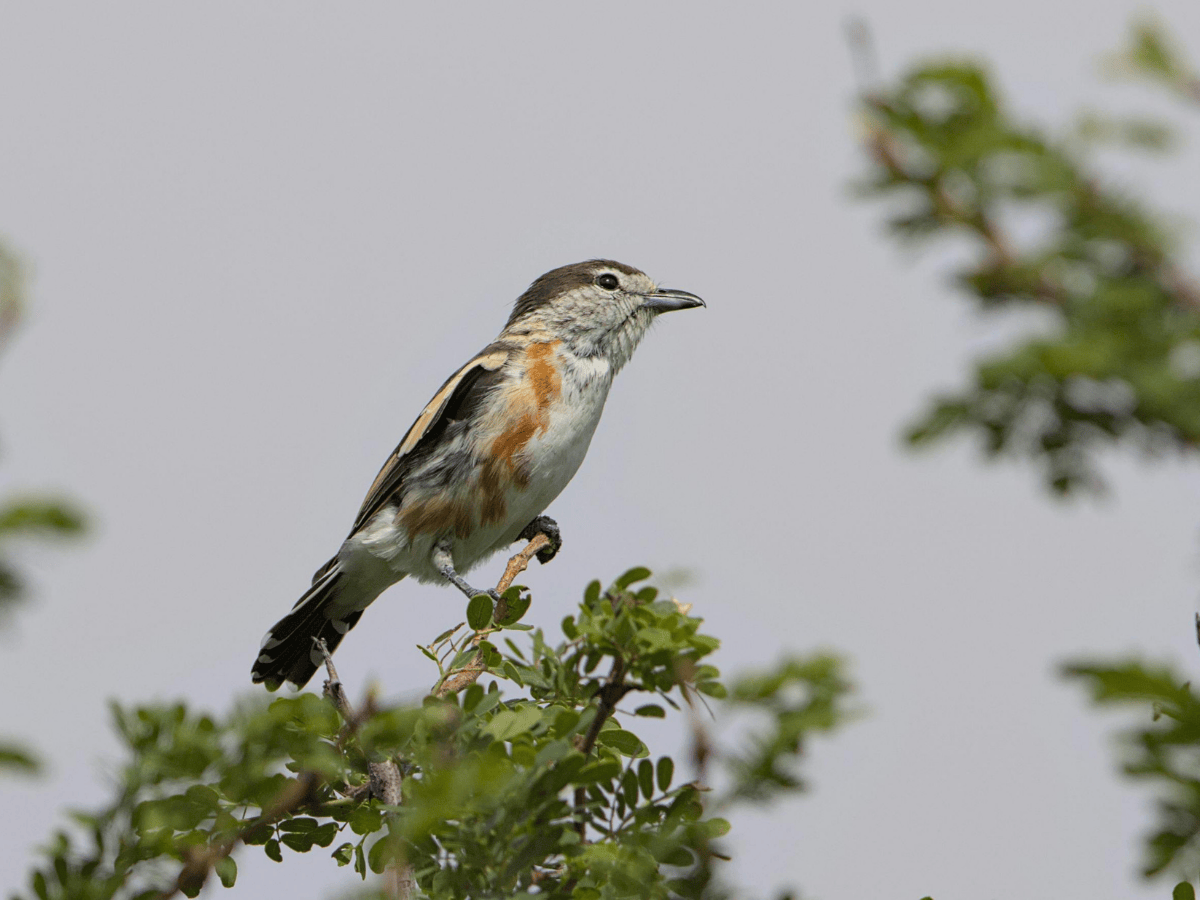
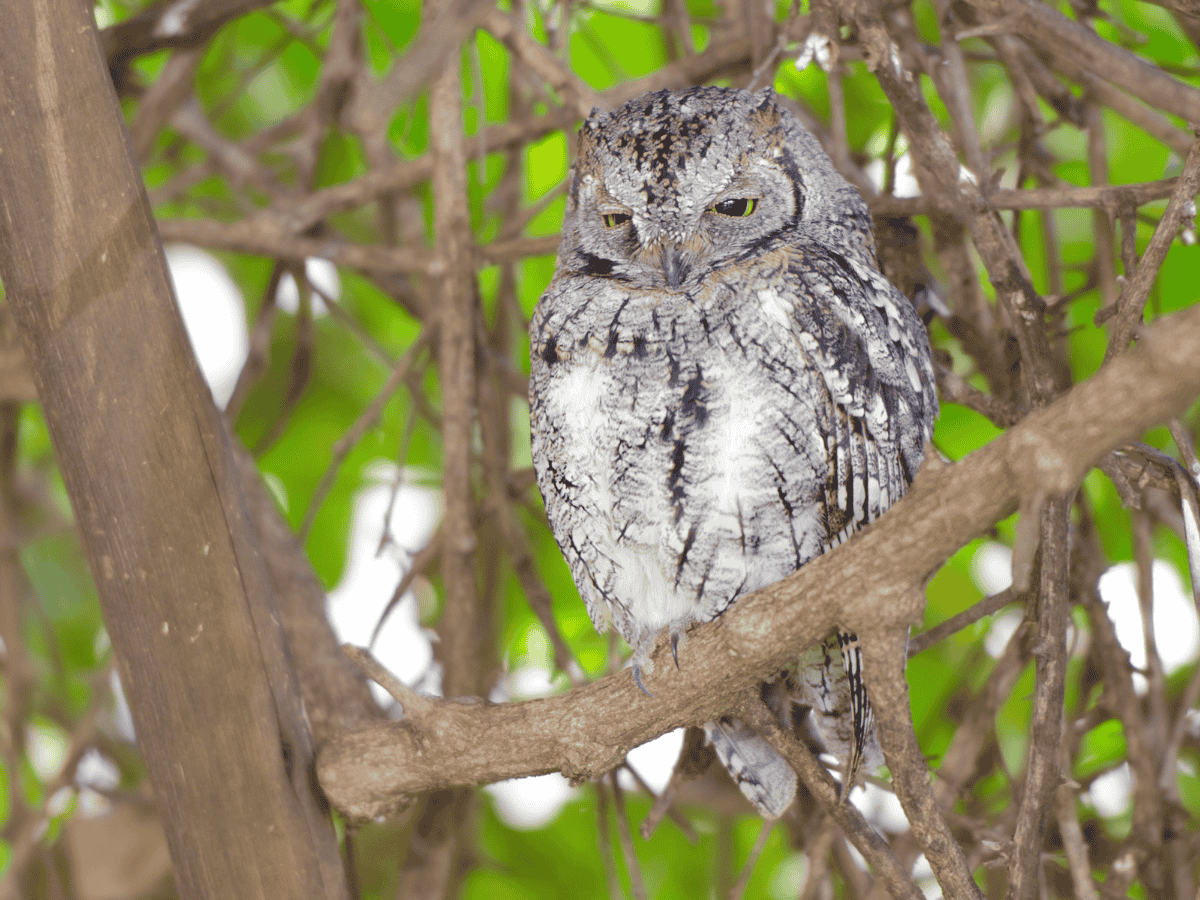
The Zululand Region is one of South Africa’s richest birding areas, with exceptional diversity across wetlands, sand forest, savannah, and coastal habitats. This variety supports a high concentration of species, including many range-restricted birds, making it a standout destination for both general and specialist birding.
Birding Highlights
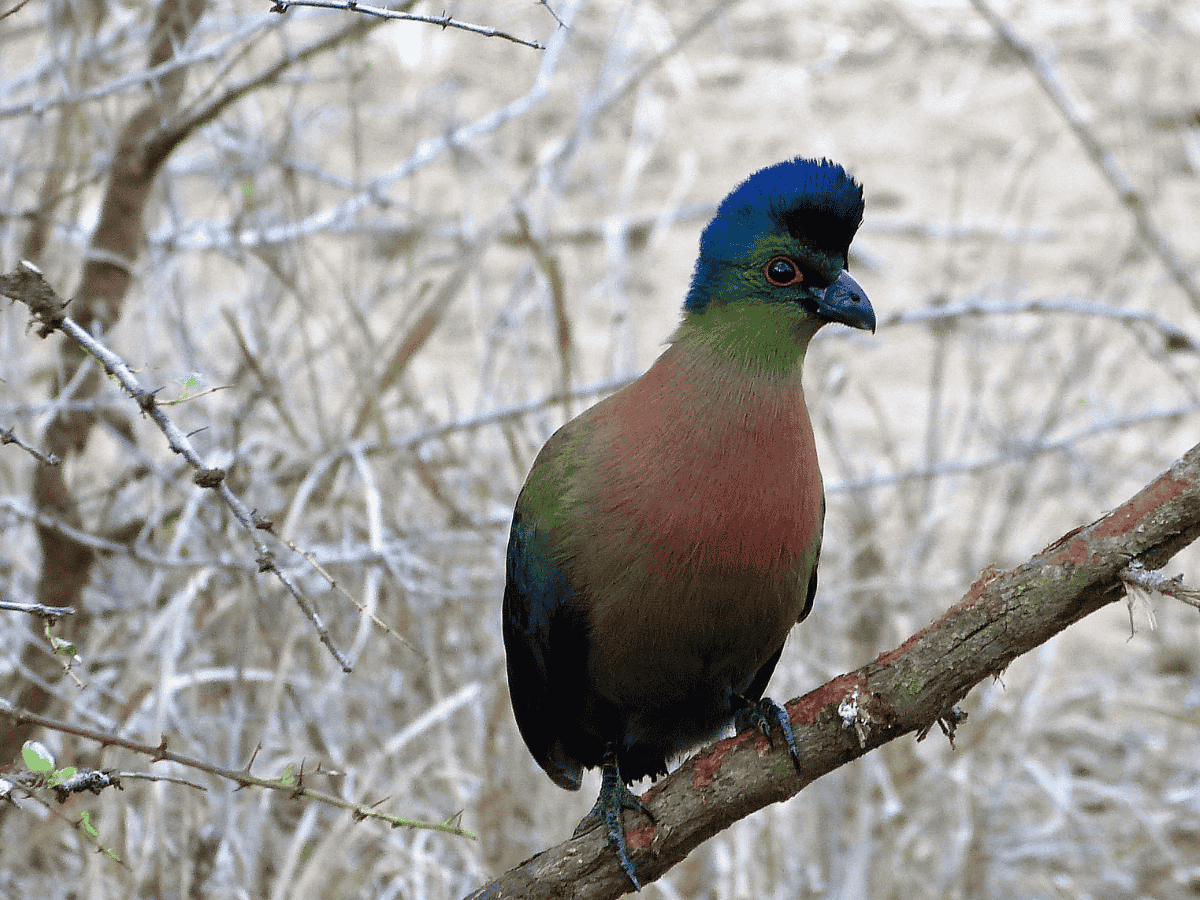
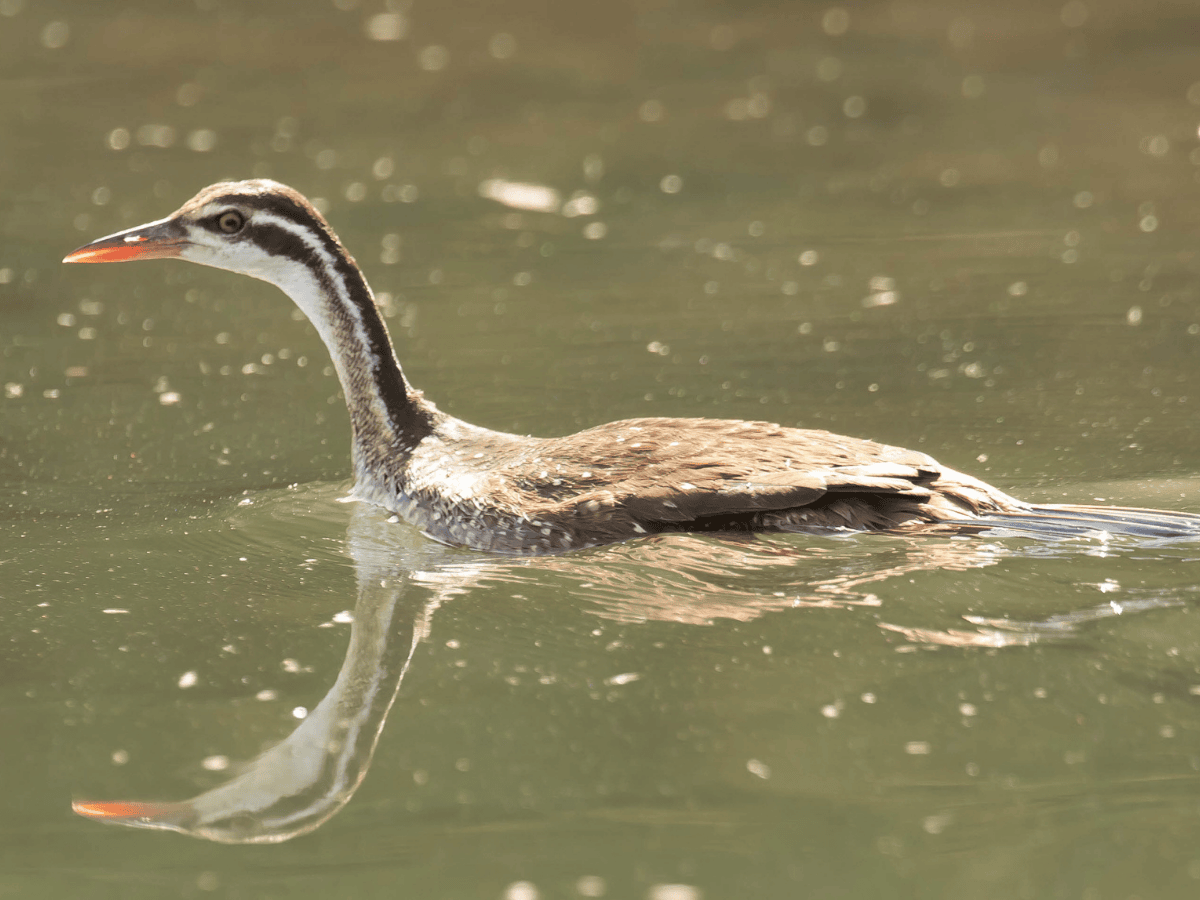
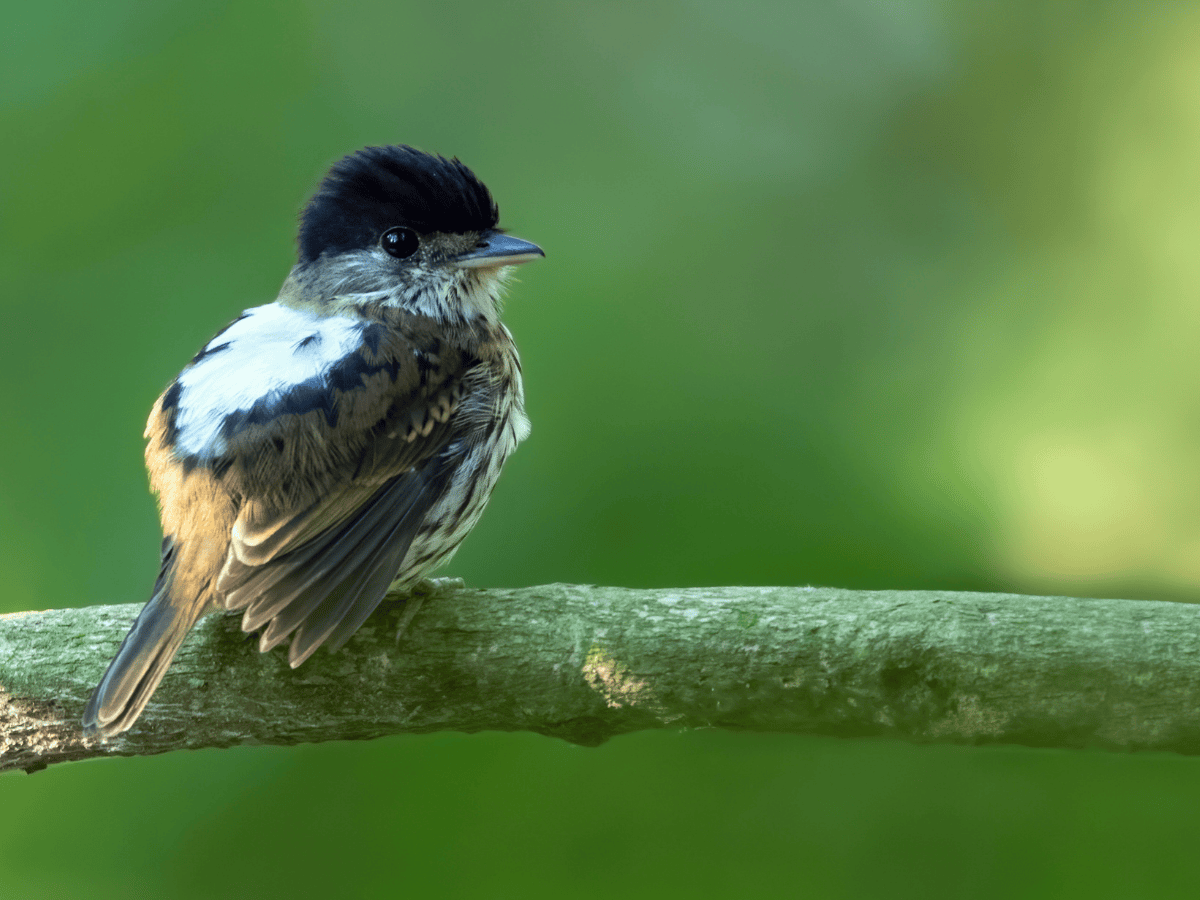
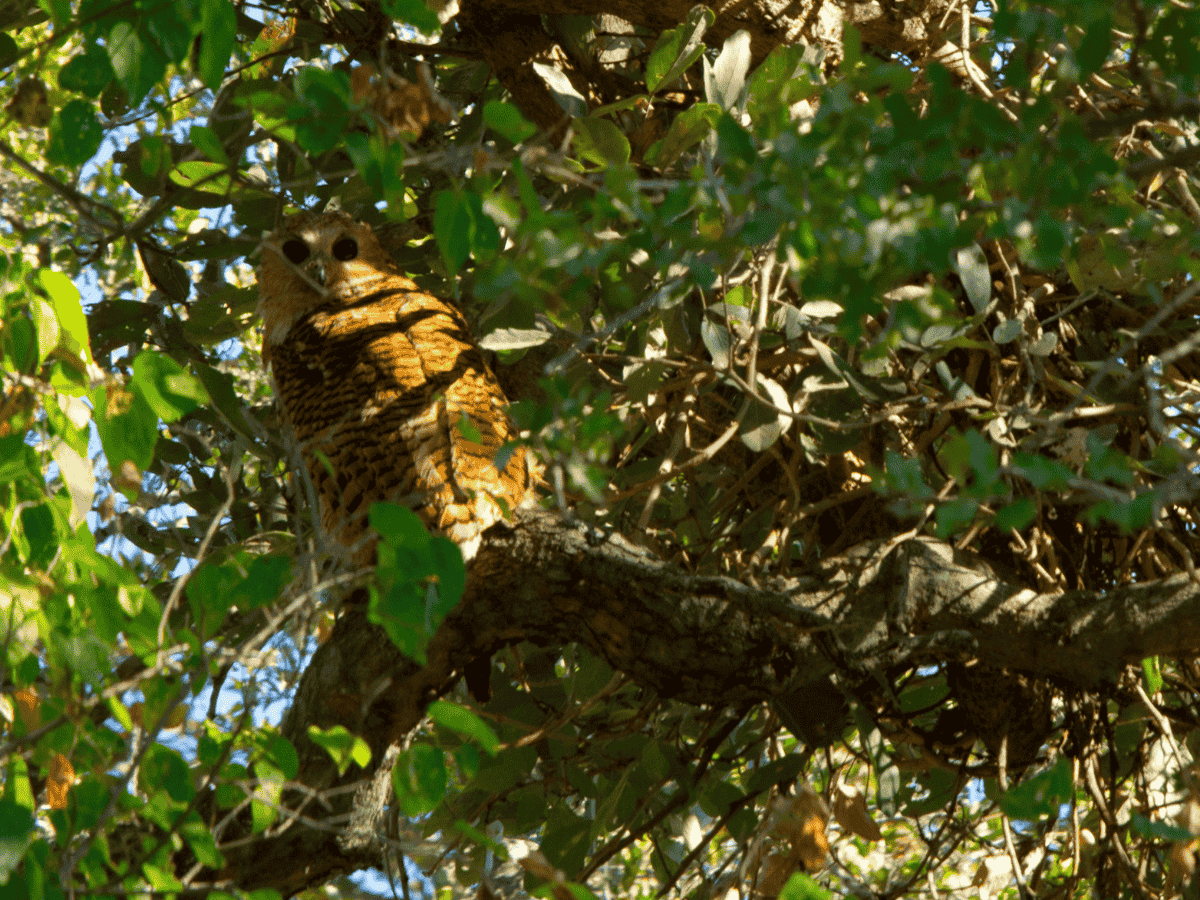
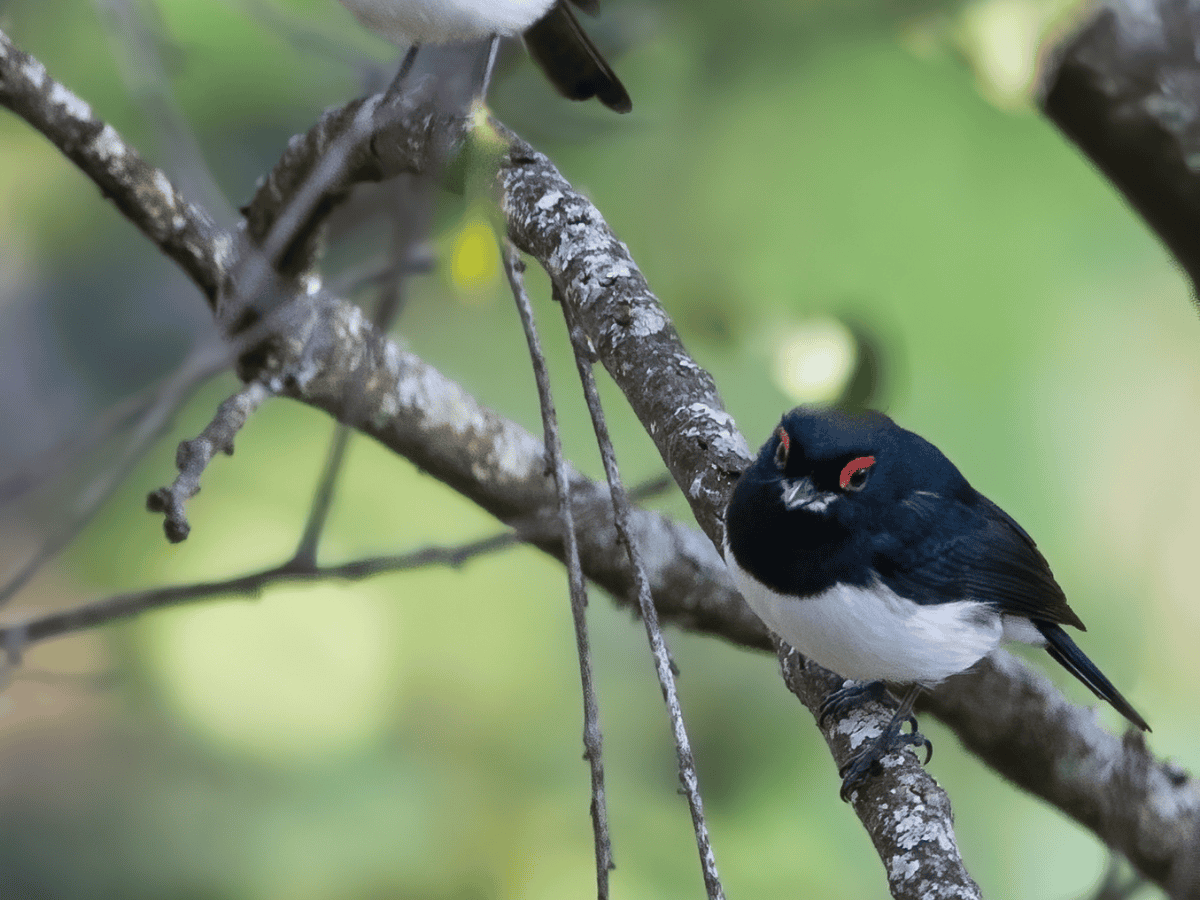
Highlights include rare species such as Pel’s Fishing Owl and African Finfoot along river systems, as well as sand forest specials like Pink-throated Twinspot and Neergaard’s Sunbird. Wetlands attract storks, herons, and kingfishers, while forest and woodland areas produce turacos, bushshrikes, and broadbills.
When To Go For Birding
Birding is best from October to March when migrants arrive and breeding activity peaks. Birds are vocal and easier to locate. Winter offers excellent conditions for locating resident specials, especially in sand forest, but overall diversity is slightly lower than in summer.
Birding By Month | ||
Jan | Feb | Mar |
Apr | May | Jun |
July | Aug | Sep |
Oct | Nov | Dec |
= Excellent = Good = Fair = Poor
Best Parks & Reserves For Birding
Birding in Zululand is driven by habitat diversity, particularly wetlands and sand forest systems. The combination of protected wetlands and well-managed private reserves creates some of the best birding in the country, with strong opportunities for both common and highly sought-after species.
- 🥇 iSimangaliso Wetland Park (Zululand Region)
› Outstanding wetland and coastal birding with very high species diversity.
- uMkhuze Game Reserve (Zululand Region)
› Famous for hides and sand forest birding with many rare species.
Phinda Private Game Reserve (Zululand Region)
› Seven distinct habitats support exceptional bird diversity.
- Manyoni Private Game Reserve (Zululand Region)
› “Place of Birds” with strong sightings of sand forest specials.
› View All Parks & Reserves
Iconic Birds & Where To Find Them
Table showing the top parks and reserves where you will have the best chance at findig the birds you want to see:
🔵 Common in most parks; 🟢 Common in certain parks; 🟡 Occassional in some parks; 🔴 Rare in most parks; ⚫ Do not occur
Pel’s Fishing Owl🔴 Rare in most parks | African Finfoot🔴 Rare in most parks | Pink-throated Twinspot🟡 Occasional in some parks |
🥇 uMkhuze Game Reserve
| 🥇 iSimangaliso Wetland Park
| 🥇 Manyoni Private Game Reserve
|
Neergaard’s Sunbird🟡 Occasional in some parks | Rudd’s Apalis🟡 Occasional in some parks | African Broadbill🟡 Occasional in some parks |
🥇 Manyoni Private Game Reserve
| 🥇 uMkhuze Game Reserve
| 🥇 uMkhuze Game Reserve
|
Black-throated Wattle-eye🟡 Occasional in some parks | Livingstone’s Turaco🟢 Common in certain parks | Purple-crested Turaco🟢 Common in certain parks |
🥇 uMkhuze Game Reserve
| 🥇 iSimangaliso Wetland Park
| 🥇 Hluhluwe-iMfolozi Game Reserve
|
Other Notable Birds
Other notable birds found in this country
- Saddle-billed Stork
Goliath Heron
Black Heron
African Jacana
Half-collared Kingfisher
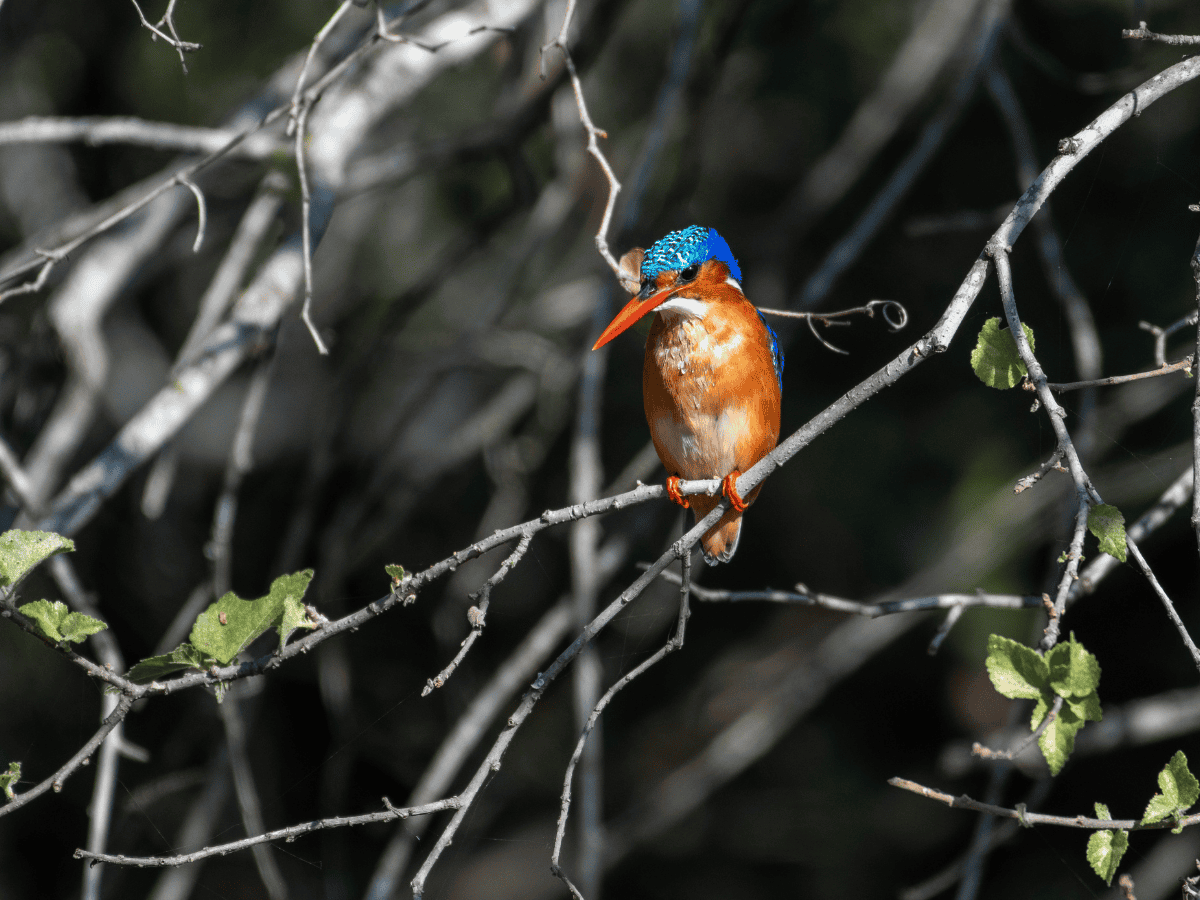
Malachite Kingfisher
Pygmy Kingfisher
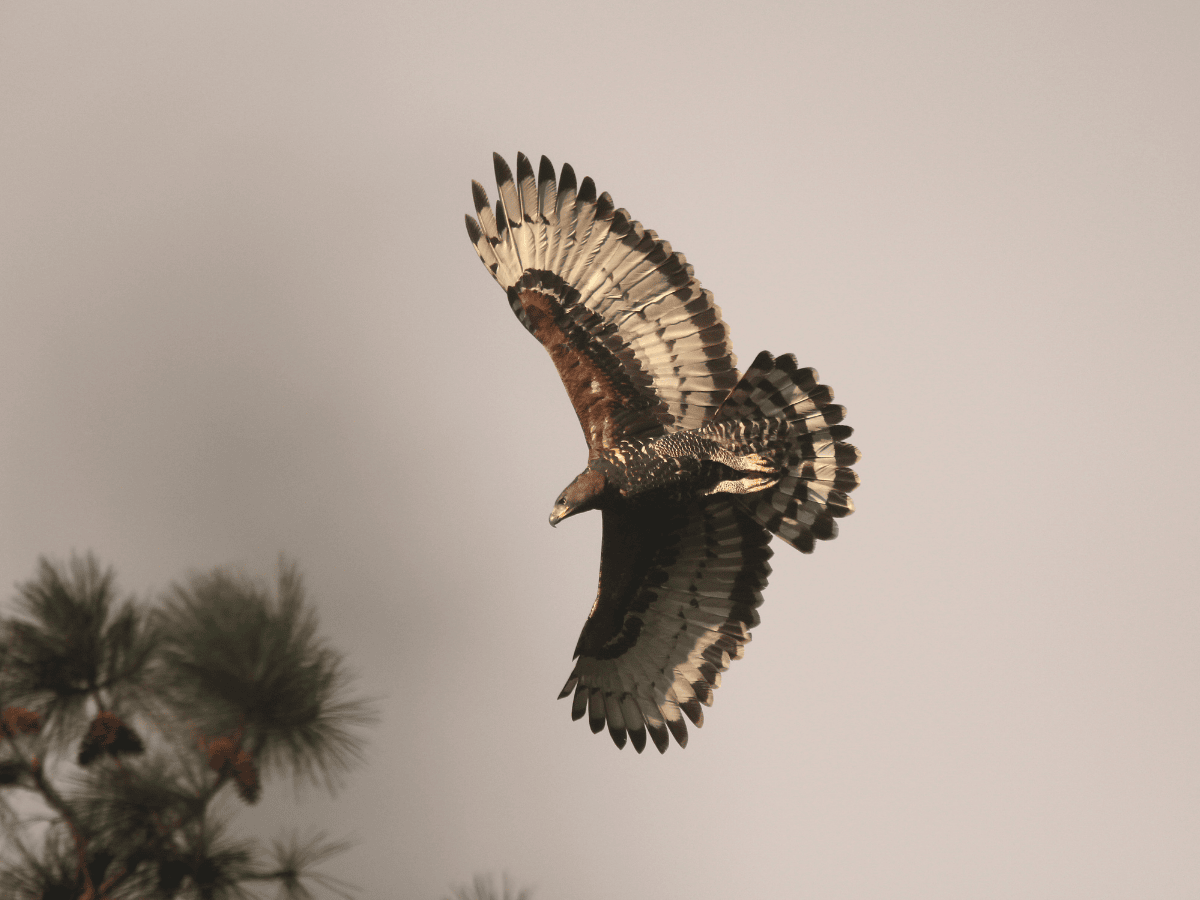
Crowned Eagle
African Hawk-Eagle
Brown Snake Eagle
Grey Sunbird
Green Twinspot
Woodward’s Batis
Southern Tchagra
Olive Bushshrike
Activities & Experiences
The Zululand Region is defined by its rare combination of Big Five safari, coastal marine experiences, and rich Zulu culture. Travellers are drawn to its diverse landscapes, from wildlife reserves and wetlands to the Indian Ocean coastline. The region offers strong, well-rounded safari viewing alongside unique experiences such as whale watching and cultural immersion, making it one of South Africa’s most varied destinations for both wildlife and cultural travel.
Morning game drives
Morning game drives are one of the primary reasons travellers visit the Zululand Region. Early departures maximise wildlife sightings in reserves such as Hluhluwe-iMfolozi and surrounding private reserves. The region is particularly well known for rhino conservation, and the cooler morning hours provide optimal conditions to encounter a wide range of species across varied terrain.
› More About Activity
Whale Watching
Whale watching is a defining experience along Zululand’s coastline, especially near iSimangaliso Wetland Park. Between June and November, humpback whales migrate along the shore, often seen breaching and travelling in groups. This creates a unique opportunity to combine a traditional safari with close-up marine wildlife encounters in the same region.
› More About Activity
Cultural Activities
Cultural activities in Zululand provide meaningful insight into the traditions and heritage of the Zulu people. Visitors can explore local communities, experience traditional performances, and learn about historical events that shaped the region. These experiences add depth to a safari by connecting travellers to the cultural identity of the landscape.
› More About Activity
Birding
Birding is a standout experience in the Zululand Region, which is one of South Africa’s top birding areas. The combination of wetlands, coastal forests, and savanna habitats supports an exceptional diversity of bird species. Areas such as iSimangaliso attract both endemic and migratory birds, making the region highly rewarding for bird enthusiasts.
› More About Activity
Other Notable Activities & Experiences
Afternoon game drives
Night game drives
Guided bush walks
Guided Nature Walks
Full Day Game Drive
Sleepout Experiences
Conservation Activities
Scuba Diving
Snorkelling
Shark cage diving
Animal Tracking on Foot
Self Driving in Parks
Visits to Wildlife Rehabilitation Centers
When To Go
The Zululand Region offers a year-round safari experience with subtle seasonal shifts rather than extremes. Winter brings drier conditions and better wildlife visibility, making it the most popular time to visit. Summer transforms the region into a lush, green landscape with strong birding and fewer crowds, but more challenging game viewing. Coastal influences keep temperatures relatively warm throughout the year, allowing flexible travel. Overall, expect peak safari conditions in winter and quieter, scenic experiences in summer.
Best Time To Visit
The best time to visit the Zululand Region is from May to September during the dry winter season. Vegetation is less dense, and animals gather around water sources, making wildlife sightings more consistent. The weather is mild and dry, with warm days and cooler mornings. These conditions create a comfortable and reliable safari experience, particularly in reserves like Hluhluwe-iMfolozi and surrounding private reserves.
Best Time To Visit Major Game Parks | ||
Jan | Feb | Mar |
Apr | May | Jun |
July | Aug | Sep |
Oct | Nov | Dec |
= Excellent = Good = Fair = Poor
Understanding The Seasons
Zululand follows a dry winter and wet summer pattern, although coastal humidity influences conditions year-round. The dry season (May to September) brings cooler temperatures, less rainfall, and improved wildlife visibility as vegetation thins. The green season (October to April) introduces rain, thicker bush, and increased humidity. Wildlife becomes more dispersed, but birdlife thrives and landscapes become lush. Visitor numbers peak during winter and holiday periods, while the green season is generally quieter.
| Major Game Parks | |
| Best Time To Visit | May to September |
| High Season | June to August |
| Low Season | January to March |
| Best Weather | May to September |
| Worst Weather | January to February |
Pros & Cons For Travel Seasons in Major Game Parks
May to September - Dry Season - Winter ☀️ ⊕ Better wildlife visibility due to thinner vegetation | October to April - Green Season - Summer 🌧️ ⊕ Lush landscapes and dramatic scenery |
Winter - May to September
May - Shoulder Season
Conditions begin to dry out, and vegetation starts thinning. Wildlife sightings improve as animals move closer to water sources. Temperatures are mild, and visitor numbers are moderate, offering a balanced safari experience with fewer crowds than peak winter.
June, July & August - Peak Season
Wildlife viewing is at its best, with animals easier to locate in open areas. Days are dry and pleasant, while mornings and evenings are cooler. Visitor numbers increase, especially in popular reserves, creating a busier but highly rewarding safari period.
September - Peak Season
Dry conditions continue, and wildlife remains active around water. Temperatures begin to rise slightly, and landscapes are at their driest. Visitor numbers remain high, but game viewing stays reliable, making this an excellent time for safari.
Summer - October to April
October - Peak Season
Rain begins to return, and landscapes shift from dry to green. Wildlife is still relatively easy to spot early in the season, and bird activity increases. Visitor numbers are lower than winter, creating a quieter and more relaxed safari experience.
November - Shoulder Season
Rainfall becomes more frequent, and vegetation thickens. Wildlife begins to disperse as water becomes widely available. Birding improves significantly, and visitor numbers are low, offering a quieter atmosphere with good value and availability.
December (1 to 19) - Green Season
The region is lush and vibrant, with warm temperatures and regular afternoon rain. Wildlife visibility is reduced due to dense vegetation. Visitor numbers remain relatively low before the festive period, creating a calm and scenic safari experienc
December & January (20 Dec to 5 Jan) - Peak Season (Festive)
This is a busy holiday period, especially along the coast and in accessible reserves. Lodges fill quickly, and prices increase. Conditions are hot and humid, with green landscapes and excellent birdlife. The atmosphere is lively, and advance booking is essential.
January, February & March - Green Season
Hot and humid conditions dominate, with frequent rainfall. Vegetation is dense, and wildlife is more dispersed, making sightings less predictable. Birding is excellent, and landscapes are rich and green. Visitor numbers drop after the festive period, creating a quieter safari experience.
April - Shoulder Season
Rainfall begins to ease, and temperatures become more comfortable. Vegetation remains green, but visibility improves as the bush starts to thin. Wildlife viewing gradually improves, and visitor numbers remain low, making this a balanced and quieter time to visit.
How To Get Here
The Zululand Region is most easily accessed via Durban, with travellers typically flying into King Shaka International Airport from major international hubs such as Johannesburg or Cape Town. From Durban, the region is reached by road transfer, usually taking two to four hours depending on the reserve. Some travellers choose to self-drive, while others opt for private transfers. Charter flights can also be arranged to nearby airstrips for a quicker and more seamless arrival into select lodges.
Main Airports In Zululand Region
King Shaka International Airport (DUR) – Durban
This is the main gateway to the Zululand Region and the closest major airport. It offers strong domestic connections and limited international flights. From here, travellers continue by road to reserves such as Hluhluwe-iMfolozi and Phinda, with transfer times typically between two and four hours.
Richards Bay Airport (RCB) – Richards Bay
Richards Bay Airport is a smaller regional airport located closer to northern Zululand. It provides limited domestic connections, mainly from Johannesburg. From here, travellers can reach nearby reserves such as uMkhuze and Phinda with shorter road transfers, often under two hours.
Find Flights To Zululand Region
Travellers typically fly into Johannesburg or Cape Town before connecting to Durban or Richards Bay via domestic flights. From there, the Zululand Region is reached by road or charter flight. Travellers can use the links below to compare routes, airlines, and pricing to find the most efficient way to reach the region.
› www.skyscanner.com
› www.travelstart.co.za
Domestic Airlines & Internal Flights In Zululand Region
Domestic flights connect Johannesburg and Cape Town with Durban and, to a lesser extent, Richards Bay. These scheduled routes form the main access into the Zululand Region. From there, road transfers are most common, although charter and light aircraft flights are available for direct lodge access. This allows travellers to balance convenience, cost, and travel time depending on their itinerary.
› Airlink – (Commercial) – Connects Johannesburg with Durban and Richards Bay, providing access to Zululand gateways
› FlySafair – (Commercial) – Operates frequent and affordable flights between Johannesburg, Cape Town, and Durban
› CemAir – (Commercial) – Flies between Johannesburg and smaller regional airports including Richards Bay
› Federal Airlines – (Light Aircraft) – Offers private charter flights to regional airstrips and select safari lodges in Zululand
Travel Information
The Zululand Region is an easily accessible safari destination along South Africa’s northeast coast, with good road links from Durban and nearby regional airports. It includes a mix of coastal reserves, wetlands, and inland wildlife areas such as Hluhluwe-iMfolozi. While infrastructure is reliable, some areas feel remote and natural. Travellers should plan routes in advance, drive carefully on rural roads, and stay aware when moving between reserves and towns.
Malaria Information
Parts of the Zululand Region fall within a low to moderate malaria-risk zone, particularly in areas closer to the Mozambique border and around iSimangaliso Wetland Park. Risk is generally higher during the warmer, wetter months from October to May. Travellers should use insect repellent, wear long sleeves in the evening, and consider consulting a healthcare professional about anti-malarial options before travel.
Staying Safe In Wildlife Areas
Wildlife areas in Zululand are well managed and safe when guidelines are followed. Always listen to your guide and remain inside vehicles unless told otherwise. In self-drive reserves, stay in your car and keep a safe distance from animals. Avoid feeding wildlife or making sudden movements. Respect for animals and awareness of your surroundings ensures a safe and enjoyable safari experience.
Staying Safe In Major Cities
Towns such as Hluhluwe, St Lucia, and Richards Bay serve as key access points to the region and are generally straightforward for travellers. Use reputable transport, keep valuables secure, and stay aware in busy or unfamiliar areas. Driving is common and often the easiest way to get around. With simple precautions, travellers can move comfortably between towns and reserves.
LGBTQ + Safety Guidance
South Africa offers strong legal protections for LGBTQ+ individuals, and many travellers visit the Zululand Region without issue. Safari lodges and tourism-focused areas are generally welcoming and respectful. As with any destination, experiences may vary in more traditional or rural settings, so a level of awareness is helpful. Overall, the region provides a comfortable and inclusive environment for most travellers.